
You are here
Feed aggregator
Lorsque Mablé Agbodan fait parler les fibres, les mémoires et les patrimoines
Présentée du 3 au 14 juillet 2026 à L'Orangerie du Sénat, dans le cadre prestigieux du Jardin du Luxembourg à Paris, l'exposition La Matière en Dialogue de Mablé Agbodan dépasse largement les codes d'une exposition de design textile ou d'art contemporain. Elle propose une réflexion sensible et profondément engagée sur la manière dont les matériaux deviennent les dépositaires de la mémoire, de l'identité et de la transmission. À travers une scénographie où les fibres naturelles, les textiles anciens et les matières revalorisées dialoguent entre eux, l'artiste construit un véritable manifeste en faveur des patrimoines vivants africains.
« La matière n'est jamais silencieuse. » Cette affirmation de Mablé Agbodan résume à elle seule la philosophie de La Matière en Dialogue. À travers cette exposition, la designer, directrice artistique et fondatrice de la Maison Mablé Agbodan propose une lecture inédite de la création contemporaine, où les matériaux cessent d'être de simples supports pour devenir des porteurs de mémoire, d'identité et de transmission. Le titre de l'exposition n'a rien d'anodin. Pour l'artiste, chaque fibre, chaque texture et chaque trace « porte une mémoire, un territoire, un savoir-faire et une histoire humaine ». Dès lors, la matière devient un langage à part entière, capable d'établir des passerelles entre les cultures, les générations et les disciplines artistiques. Cette approche confère à l'exposition une profondeur qui dépasse largement la dimension esthétique.

Faire dialoguer les matières, les cultures et les regards
Pour Mablé Agbodan, le dialogue est multiple. Il s'établit d'abord entre les matériaux eux-mêmes. « Le coton, le raphia, la toile de jute, le cuir recyclé ou les fibres végétales possèdent chacun une identité propre qui se révèle lorsqu'ils sont associés », explique-t-elle.
Loin de rechercher un simple effet décoratif, l'artiste orchestre une véritable conversation entre ces matières. Chaque matériau conserve son identité tout en enrichissant celle des autres. Les œuvres deviennent ainsi des espaces où se rencontrent différentes histoires, différents territoires et différentes temporalités. Mais ce dialogue est aussi celui qui relie les savoir-faire anciens à la création contemporaine. « Je ne cherche pas à reproduire le passé, mais à lui offrir un langage actuel », affirme-t-elle. Cette volonté distingue profondément son travail. Il ne s'agit ni de folkloriser les traditions africaines ni de les figer dans une vision patrimoniale immobile. Les héritages deviennent ici des ressources vivantes qui nourrissent une création tournée vers l'avenir.

Des matériaux porteurs d'une mémoire vivante
Dans l'univers de Mablé Agbodan, les matières ne sont jamais choisies au hasard. Elles sont sélectionnées autant avec les mains qu'avec la mémoire. « Le raphia, la toile de jute, le coton ou le cuir recyclé racontent des territoires, des gestes, le travail des artisans, mais aussi la résilience et la transformation », souligne-t-elle. Cette approche confère une dimension presque documentaire à ses œuvres, à ses créations. Chaque fibre transporte avec elle une histoire déjà écrite avant même d'intégrer le processus créatif. L'artiste ne cherche pas à masquer cette histoire ; elle s'attache au contraire à la révéler. « Chaque matière conserve la mémoire de ce qu'elle a été. Mon travail consiste à révéler cette mémoire plutôt qu'à l'effacer », insiste-t-elle. Cette assertion éclaire toute la démarche de l'exposition. Les créations deviennent de véritables archives vivantes où les patrimoines textiles africains continuent de raconter les sociétés qui les ont vus naître.
Quand la matière devient le récit
L'une des idées les plus fortes développées par Mablé Agbodan est que la matière ne sert pas simplement à raconter une histoire : elle est l'histoire elle-même. « Ils sont le récit », répond-elle lorsqu'on l'interroge sur le rôle des matériaux. En utilisant des fibres tissées selon des techniques anciennes retrouvées au Niger ou des textiles issus de pratiques artisanales africaines, elle fait voyager bien plus que des objets. Ce sont des savoir-faire, des gestes, des mémoires collectives et des générations d'artisans qui traversent chacune de ses créations. Chaque création apparaît alors comme un espace où le patrimoine cesse d'être un objet de musée pour devenir une expérience sensible, actuelle et profondément humaine.
Une invitation à penser autrement le patrimoine
L'exposition ne se contente pas d'offrir une expérience visuelle. Elle interpelle. À travers ses créations, Mablé Agbodan invite le visiteur à s'interroger : Que devient une mémoire lorsqu'on cesse de la transmettre ? Comment préserver les savoir-faire sans les figer ? Comment créer aujourd'hui en respectant les ressources de demain ? Ces questionnements traversent discrètement l'ensemble du parcours. Ils donnent à l'exposition une portée culturelle, écologique et philosophique qui dépasse largement le champ du design textile. « Mon travail parle de mémoire, d'identité, de transmission, mais aussi de réparation et d'avenir », résume-t-elle. Cette réflexion rejoint les grands débats contemporains sur la sauvegarde des patrimoines vivants, l'économie circulaire et la création durable.

Une œuvre nourrie par la recherche
Si les créations de Mablé Agbodan possèdent une telle densité, c'est aussi parce qu'elles s'appuient sur plus de vingt années de recherches consacrées aux patrimoines textiles africains. Née au Togo, l'artiste a parcouru plusieurs pays du continent pour rencontrer des artisans, documenter leurs techniques et parfois retrouver des savoir-faire en voie de disparition. « Cette exposition réunit la créatrice, la chercheuse, la femme engagée et l'entrepreneure que je suis », explique-t-elle. Cette pluralité d'expériences confère à son travail une dimension singulière où la recherche nourrit la création, et où la création devient à son tour un outil de transmission.
Une autre manière de créer
Au-delà de la qualité esthétique des œuvres présentées, La Matière en Dialogue défend une véritable éthique de la création. L'artiste revendique une pratique plus lente, plus attentive aux ressources naturelles, aux territoires et aux femmes et aux hommes qui perpétuent ces savoir-faire. Son travail démontre qu'il est possible de produire une création contemporaine ambitieuse sans rompre avec les héritages culturels ni avec les exigences du développement durable. Cette démarche confère à son œuvre une portée qui dépasse le seul univers artistique pour rejoindre les préoccupations sociales et environnementales actuelles.

Une expérience qui transforme le regard
En quittant l'Orangerie du Sénat, le visiteur ne regarde plus un textile, une fibre végétale ou un morceau de cuir de la même manière. C'est précisément l'expérience que souhaite provoquer Mablé Agbodan. « J'aimerais que le visiteur reparte avec un regard renouvelé sur les patrimoines africains. Qu'il ne voie plus un textile, une fibre ou une matière comme un simple matériau, mais comme un patrimoine vivant. », dit-elle. Si cette transformation du regard s'opère, alors, selon ses propres mots, « le dialogue aura eu lieu ».
Une exposition nécessaire
À une époque où les questions de mémoire, de durabilité et de réappropriation des patrimoines occupent une place centrale dans les débats culturels, La Matière en Dialogue apparaît comme une proposition particulièrement pertinente. Sans discours démonstratif, Mablé Agbodan rappelle que les matières portent des histoires, que les savoir-faire sont des patrimoines vivants et que la création contemporaine peut devenir un puissant outil de transmission. Son exposition ne célèbre pas seulement la beauté des fibres ; elle invite à repenser notre rapport aux objets, aux héritages et au temps. Plus qu'un parcours artistique, La Matière en Dialogue est une invitation à écouter ce que les matières ont encore à nous apprendre sur nous-mêmes et sur le monde.
Cokou Romain AHLINVI
Categories: Afrique, Swiss News
L'éruption volcanique qui a produit le son le plus fort de l'histoire enregistrée
Un volcan indonésien est entré en éruption cette semaine, mais une autre éruption au même endroit en 1883 avait été bien plus destructrice.
Categories: Afrique, Swiss News
Senegal sack manager Thiaw in wake of World Cup exit
Senegal sack manager Pape Thiaw in the aftermath of the country's exit at the last-32 stage of the 2026 World Cup.
Categories: Africa, Swiss News
Teenage tennis star to play for Ghana in major event
16-year-old Gwen Klu will play for the West African country in the Billie Jean King Cup.
Categories: Africa, Swiss News
How men with female surnames are standing up to ridicule in Kenya
Children often inherit their father's first name as a surname, but traditions are changing and causing upset.
Categories: Africa, Swiss News
Air(Land)PowerNews 160. (2026 júl.)
Csak a szokásos. Dilemmák. Megfelelési kényszerek. Mozgástér. Szakértők. Műkedvelők. Dilettánsok. Kufárok. Jogászok. Bürokraták. Szolgák. Hazafiak.
Zord
Categories: Africa, Biztonságpolitika
A cseppfolyós hatalom: Vízpolitika, a kollektív szorongás evolúciója
A környezeti neveléstől a szekuritizációig: A vízdiskurzus szemantikai transzformációja
A huszadik század utolsó évtizedének globális környezetvédelmi diskurzusát egy sajátos, neoliberális alapú mikromoralizálás jellemezte. Az 1992-es riói Föld-csúcs és az Agenda 21 szellemiségében gyökerező pedagógiai és tömegkulturális minták a globális ökológiai kríziseket az egyéni életmód-döntések szintjére redukálták. Ezek a kilencvenes évek végén a gyermekeknek szóló rajzfilmekben, ismeretterjesztő műsorokban és iskolai kampányokban is manifesztálódtak. A legtöbb milleniál azon nőtt fel, hogy a Föld megmentése érdekében a fogmosás alatt el kell zárni a csapot, hiszen értékes vizet pazarolunk el. Az ilyen kampányok felhatalmazást adtak a gyermekeknek, hogy a korábbi generációk tagjainak figyelmét is felhívják az ilyen jellegű pazarlások elkerülésére. Ez a megközelítés a természeti erőforrások fizikáját és egyenlőtlen földrajzi eloszlását absztrakt etikai kategóriává transzformálta. A megközelítéssel csupán annyi probléma volt, hogy teljesen elfedte a makrogazdasági, ipari és geopolitikai struktúrák felelősségét.
Mára ez a naiv, individualizáló öko-narratíva végérvényesen kikopott. A XXI. század első negyedének végére a víz kérdésköre átesett a Koppenhágai Iskola elméletéből ismert szekuritizációs (biztonságiasítási) folyamaton. A környezeti erőforrás-menedzsment kikerült a jóléti és etikai szakpolitikák köréből, és inkább a nemzetbiztonsági, geopolitikai és katonai stratégiák immanens részévé vált szépen lassan. A modern hidropolitika elismeri, hogy a víz nem csupán a túlélés biológiai feltétele, hanem egy hatalmi eszköz, amely képes államok szuverenitását aláásni vagy éppen megerősíteni.
A vízdiplomácia elméleti és nómenklatúrai keretei
A nemzetközi kapcsolatok elméletében a vízpolitika és a vízdiplomácia fogalmai kulcsfontosságú diszciplináris keretet jelölnek ki. A vízdiplomácia olyan jogi és politikai intézkedések és tárgyalási folyamatok összessége, amelyek a határokon átnyúló vízkészletek allokációjából, infrastrukturális átalakításából vagy minőségromlásából adódó nemzetközi feszültségek megelőzésére, kezelésére és kooperatív feloldására irányulnak (Zeitoun & Warner, 2006). Zeitoun és Warner (2006) elméleti kerete rámutat, hogy a transzhatármenti vízgyűjtő területeken a földrajzilag felsővízi pozícióban lévő, katonailag és gazdaságilag domináns államok (például Törökország vagy Kína) képesek egyoldalúan diktálni a vízmegosztás feltételeit. Ezek az országok a diplomáciát pedig gyakran csupán a meglévő aszimmetrikus status quo legitimálására használják.
Hidropolitikai konfliktusgócok
A globális hidropolitikai feszültségek legintenzívebb törésvonalai a Közel-Keleten és Észak-Afrikában húzódnak. Itt a fizikai vízhiány közvetlenül kapcsolódik össze a történelmi, etnikai és geopolitikai konfliktusokkal.
Egyiptom és Etiópia egzisztenciális szembenállása abból ered, hogy Egyiptom történelmileg és geopolitikailag abszolút függőségben él a folyótól. Ez bizony nem is csoda, hiszen az ország édesvízkészletének 97%-át biztosítja. A történelmi szokásjogot az is nyomatékosította, hogy az 1929-es és az 1959-es nílusi vízügyi egyezmények a teljes vízhozam oroszlánrészét, amely mintegy évi 55,5 milliárd köbmétert jelentett, Egyiptom hatáskörébe vonták. Ez egyben vétójogot biztosított minden felsővízi beruházással szemben (Schmeier, 2013). Ez a geopolitikai status quo 2011-ben tört meg. Etiópia egyoldalúan megkezdte a Nagy Reneszánsz Gát építését, mondván a gát a nemzeti modernizáció és energiabiztonság záloga. A fejlesztés 74 milliárd köbméteres tározókapacitásával Afrika legnagyobb hidroenergetikai projektje lett. A probléma azonban nem csak a fejlődési kiugrási kísérlet miatt jelentkezik a két ország között, hanem Egyiptom mezőgazdaságát és energiatermelését is veszélyezteti. Amennyiben a tározó feltöltése aszályos időszakban túl gyorsan történik, az Egyiptom mezőgazdasági területeinek jelentős részét teheti tönkre. Emelltett a folyamat drasztikusan csökkentheti az Asszuáni-gát energiatermelését is. Az Afrikai Unió és az Egyesült Államok közvetítése ellenére a két ország közötti vízdiplomáciai tárgyalások zátonyra futottak. (Wheeler et al., 2020).
A törökországi Anatóliából eredő és Szírián, valamint Irakon átfolyó Tigris és Eufrátesz medencéjében Törökország abszolút hidrohegemón szerepet tölt be. Ankara az 1970-es évek óta szisztematikusan hajtja végre a Délkelet-Anatólia Projektet (GAP), amely 22 gát és 19 vízerőmű felépítését foglalja magában, köztük a monumentális Atatürk-gátat. Ennek közvetlen következményeként az Eufrátesz és a Tigris Irakba és Szíriába érkező vízhozama bizonyos időszakokban több mint 50-60%-kal csökkent (Kibaroglu & Gursoy, 2015). Hatásként megvizsgálhatjuk Szíria esetében a 2006–2011 közötti időszakban bekövetkezett katasztrofális belső aszályt, amely jelentősége volt a rurális lakosság tömeges urbánusodásához és nem utolsó sorban egy polgárháború destabilizációs ágyazatát eredményezte. Törökország a nemzetközi jogi bírálatokra válaszul mereven fenntartja azt a szuverenitási doktrínát, miszerint a területén eredő víz felett korlátlan rendelkezési joga van, elutasítva a folyók nemzetközi státuszát.
Hidrológiai stressz a jóléti zónában
A globális klímaváltozás hatásai megcáfolták azt a korábbi elképzelést, hogy a súlyos vízhiány csak a fejlődő országokat vagy a száraz éghajlatú területeket érinti. Ma már Nyugat-Európa fejlett gazdaságainak is szembe kell nézniük a vízkészletek szűkösségéből fakadó belső feszültségekkel.
Franciaországban a klímaváltozás hatásai a mezőgazdasági lobbi és az ökológiai mozgalmak közötti fizikai összecsapásokig eszkalálódtak. A konfliktus fókuszában az úgynevezett megamedencék (mégabassines) építése áll. Ezek olyan mesterséges, fóliázott kráterek, amelyek télen a talajvízből szivattyúzzák ki a vizet, hogy azt nyáron a nagyüzemi, intenzív kukoricatermesztők rendelkezésére bocsássák. A Sainte-Soline-ban végrehajtott projektek ellen tiltakozó öko-aktivisták és a francia csendőrség közötti erőszakos összecsapások rávilágítottak a francia vízpolitika mély strukturális válságára (Vergès, 2023).
Olaszországban a Pó folyó síksága szenved el rendszerszintű krízist. Az Alpok gleccsereinek csökkenő jégtömege és a téli hómennyiség drasztikus visszaesése miatt a Pó folyó hozama történelmi minimumokat ért el. Ennek következtében a folyó torkolatánál az Adriai-tenger sós vize több mint 30-40 kilométer mélyen nyomult be a szárazföldi mederbe, megsemmisítve a delta mezőgazdasági öntözőrendszereit és helyrehozhatatlan talajszikesedést okozva (European Environment Agency [EEA], 2024).
Az olasz és francia esettanulmányok strukturális tanulsága túlmutat a lokális krízisjelenségeken: rávilágítanak arra, hogy a fejlett nyugat-európai jóléti államok sem mentesek a belső hidropolitikai törésvonalaktól. Európa magterületein a vízpolitika már nem a nemzetközi jogi egyezmények absztrakt diplomáciai nyelve. Kőkemény belső társadalmi-gazdasági alrendszerek közötti zéró összegű játszma ez. A francia megamedencék körüli fizikai összecsapások az erőforrások feletti ellenőrzés osztályalapú és ökológiai konfliktusát jelzik. Az észak-olaszországi mezőgazdasági krízis a természetes megújulási kapacitások végességét bizonyítja egy olyan régióban, amely korábban a bőség illúziójára építette gazdasági modelljét. A megmutatkozó repedéseket célszerű párhuzamba állítanunk a harmadikvilágbeliekkel, mintegy felkészülve az évszázad végére az európai hatalmi elitet és a lakosságot.
Technológiai válaszreakciók
A fizikai vízhiány leküzdésére a világ vezető hidropolitikai szereplői nem csupán diplomáciai, hanem radikális mérnöki és technológiai stratégiákat fejlesztettek ki. Ezek a technológiák mára a geopolitikai túlélés és a gazdasági szuverenitás infrastrukturális pilléreivé váltak.
Izrael technológiai modellje a decentralizált, zárt láncú vízgazdálkodáson alapul. A Sorek II üzem önmagában 200 millió köbméter sótalanított vizet képes előállítani évente, a legmodernebb ultrafiltrációs és fordított ozmózisos eljárásokkal, amelyek energiaigényét sikerült 3 kWh/köbméter alá szorítani. A rendszer másik pillére a Shafdan projekt, amely Tel-Aviv teljes metropolisz-övezetének kommunális szennyvizét gyűjti össze. A mechanikai és biológiai tisztítást követően a vizet a Negev-sivatag alatti homokrétegekbe szivattyúzzák vissza, amely természetes szűrőként funkcionál (Aquifer Treatment). Az így kinyert, mikrobiológiailag steril vizet zárt csővezetékeken keresztül kizárólag a mezőgazdasági öntözésre használják, teljesen mentesítve a természetes ökoszisztémákat az antropogén terheléstől (State of Israel Water Authority, 2023).
Szaúd-Arábia a világ legnagyobb sótalanított víztermelője, az állami Saline Water Conversion Corporation (SWCC) révén. A történelmileg elterjedt, rendkívül energiaigényes MSF (Multi-Stage Flash) technológiát. A folyamat kulcsa az, hogy a kőolajfinomítás során keletkező maradékhőt használta fel a tengervíz elpárologtatására. (Saline Water Conversion Corporation [SWCC], 2023; Global Water Intelligence [GWI], 2022).
Az Egyesült Arab Emírségek a Taweelah üzem megépítésével a világ legnagyobb hibrid RO-kapacitását hozta létre. Ezzel párhuzamosan az Emírségek egy alternatív, atmoszférikus technológia, a felhővetés (cloud seeding) globális élvonalába tartozik. A National Center of Meteorology (NCM) által koordinált program során speciális repülőgépekről nem-toxikus sókristályokat (nátrium-klorid, kálium-klorid) juttatnak a konvektív felhőzetbe. Ezek a részecskék kondenzációs magvakként működnek, felgyorsítva a cseppképződést, és a mérések szerint a száraz területeken 15-30%-kal képesek növelni a természetes csapadék hozamát (Al-Mansoori et al., 2021).
A fentebb bemutatott, nem konvencionális víztermelési és regenerációs technológiák (tengervíz-sótalanítás, szennyvíz-újrahasznosítás, atmoszférikus manipuláció) jelentősége lényegesen túlmutat a belső ellátásbiztonságon. A nemzetközi kapcsolatok elemzésében ezek a technológiák egy új paradigma, a technodiplomácia alapjait vetették meg. Fontosságát abban találjuk, hogy alapjaiban írja át a klasszikus vízdiplomácia szabályait. Hagyományosan a határokon átnyúló vízkészletek (folyók, tavak, felszín alatti víztartók) feletti diplomáciai alkuk zéró összegű játszmák voltak. Eszerint, amit a felsővízi állam elvett, az szükségszerűen hiányzott az alsóvízi államnál. A technológiai víztermelés azonban képes bővíteni az elosztható erőforrások halmazát, ezáltal pozitív összegű kooperációs teret nyitva a korábban ellenséges felek között (Katz, 2011).
Ez a technológiai beavatkozás jól elkülöníthető diplomáciai mechanizmuson keresztül érvényesül. Az aszimmetrikus függőség feloldása és a „kölcsönös interdependencia” kiépítése. A technológia által generált víztöbblet lehetővé teszi, hogy az államok a korábbi, konfliktusokkal terhelt földrajzi adottságaikat strukturált, kölcsönös függőséggé alakítsák. Ennek leginnovatívabb példája az izrael – jordán viszonylatban létrejött, úgynevezett „Projekt Prosperitás” (Project Prosperity). Az EcoPeace Middle East transznacionális szervezet által mediált, majd az Egyesült Arab Emírségek pénzügyi és diplomáciai garanciavállalásával létrejött keretmegállapodás egy aszimmetrikus árucserét intézményesített: Izrael a modern SWRO (fordított ozmózis) technológiájára támaszkodva évi 200 millió köbméter sótalanított vizet exportál a krónikus vízhiánnyal küzdő Jordániának, cserébe Jordánia hatalmas sivatagi naperőműveiben termelt tiszta energiát exportál Izraelbe a sótalanítók működtetéséhez (EcoPeace Middle East, 2020). Ebben a modellben a víztechnológia a békeépítés első számú eszközévé válik, hiszen mindkét állam nemzetbiztonsági érdeke a másik infrastruktúrájának és stabilitásának fenntartása.
A kék arany korszaka: új világrend a víz körül és a fenntartható hidropolitika esélyei
A 21. század globális kihívásainak metszéspontjában egyértelműen a vízbiztonság kérdése áll. Ahogy az a korábbi fejezetek elemzéseiből kirajzolódott, a víz körüli diskurzus mára végérvényesen kilépett a puszta természetvédelmi és lokális gazdálkodási keretekből. A víz ma egyszerre jelenti a nemzetközi diplomácia formáló erejét, a nemzetbiztonság alapját, valamint az osztályalapú és gazdasági konfliktusok új gyújtópontját.
A nemzetközi vízpolitikai adatok és példák elemzése egy fontos ellentmondásra mutat rá: bár a technológiai fejlődés elvileg lehetővé tenné, hogy a társadalmak kevésbé függjenek a természetes vízkészletektől, a vízzel kapcsolatos konfliktusok nem szűnnek meg, csak más formát öltenek.
A Közel-Kelet nagyszabású beruházásai azt a benyomást kelthetik, hogy a technológia képes legyőzni a természet korlátait. Ez azonban csak részben igaz, mert gyakran figyelmen kívül hagyja, hogy ezek a megoldások szorosan összefonódnak politikai, gazdasági és környezeti tényezőkkel. A sótalanítás és a nagy távolságokra történő vízszállítás rendkívül költséges és sok energiát igénylő folyamatok. Emiatt a vízhiány kezelése egyre inkább összekapcsolódik az energiabiztonsággal és a gazdasági stabilitással. Azok az országok, amelyek nem rendelkeznek megfelelő energiaforrásokkal – legyen szó fosszilis, nukleáris vagy megújuló energiáról –, nem tudják alkalmazni ezeket a technológiákat. Ez tovább növeli a világ országai közötti egyenlőtlenségeket a vízhez való hozzáférés terén. Ennek következtében a vízdiplomácia ma már nemcsak a vízkészletek elosztásáról szól, hanem egyre inkább a technológia és az energia feletti ellenőrzésről is.
A valódi, fenntartható hidropolitika a keresletoldali menedzsmentben rejlik. Ehhez elkerülhetetlen a mezőgazdasági termelési struktúrák mélyreható átalakítása, a víz árazásának és allokációjának társadalmi igazságosságot szem előtt tartó újragondolása, valamint egy olyan nemzetközi jogi és diplomáciai keretrendszer megerősítése, amely a vizet nem puszta geopolitikai fegyverként vagy privatizálható áruként, hanem az emberi lét alapvető, elidegeníthetetlen feltételeként ismeri el.
Gyenes-Bitó Lora írása
Hivatkozások
Al-Mansoori, S., Al-Sarihi, A., & Al-Yammahi, F. (2021). Evaluation of cloud seeding operations in arid regions: The United Arab Emirates case study. Atmospheric Research, 254, 105-119.
Buzan, B., Wæver, O., & de Wilde, J. (1998). Security: A new framework for analysis. Lynne Rienner Publishers.
EcoPeace Middle East. (2020). A Green Blue Deal for the Middle East. Amman/Jerusalem/Tel Aviv: EcoPeace Middle East.
European Environment Agency [EEA]. (2024). Water scarcity conditions in Europe: Structural deficits in the Mediterranean basin and Central Europe. EEA Report No. 04/2024.
Global Water Intelligence [GWI]. (2022). The global desalination market: Market shares, production capacities, and future trends of the SWCC in Saudi Arabia. Oxford: Media Analytics Ltd.
Huntjens, P., Yasuda, Y., & de Man, R. (2016). The multi-track water diplomacy framework: A legal and political economy analysis for advancing cooperation over shared waters. The Hague Institute for Global Justice.
Katz, D. (2011). Hydro-political hyper-reality: Israel and a new water reality. Geopolitics, 16(4), 685-696.
Kibaroglu, A., & Gursoy, S. I. (2015). Water diplomacy in the Euphrates-Tigris basin: An analysis of the GAP project’s transboundary impacts. International Journal of Water Resources Development, 31(4), 572-585.
Saline Water Conversion Corporation [SWCC]. (2023). Sustainability and operational excellence report: Advancing global desalination leadership. Riyadh: Kingdom of Saudi Arabia.
Schmeier, S. (2013). Navigating international river basin organizations: Water diplomacy and the politics of river basin management. Routledge.
State of Israel Water Authority. (2023). National water sector master plan: Effluent reclamation and desalination metrics. Jerusalem: State of Israel Water Authority.
Vergès, L. (2023). Les mégabassines et la guerre de l’eau en France: Analyse socio-politique d’un conflit environnemental. Revue Française de Science Politique, 73(3), 412-431.
Wheeler, K. G., Jeuland, M., Hall, J. W., Zagona, E., & Whittington, D. (2020). Understanding and managing the risks of the Grand Ethiopian Renaissance Dam. Water International, 45(7-8), 823-843.
Zeitoun, M., & Warner, J. (2006). Hydro-hegemony – a framework for analysis of trans-boundary water conflicts. Water Policy, 8(5), 435–460. https://www.researchgate.net/publication/40112175_Hydro-Hegemony-_a_Framework_for_Analysis_of_Trans-Boundary_Water_Conflicts
A A cseppfolyós hatalom: Vízpolitika, a kollektív szorongás evolúciója bejegyzés először Biztonságpolitika-én jelent meg.
Categories: Biztonságpolitika, European Union
South Africa World Cup midfielder Adams dies aged 25
South Africa and Mamelodi Sundowns midfielder Jayden Adams dies at the age of 25, just weeks after featuring for his country at the World Cup.
Categories: Africa, Swiss News
Le Pen lehet a következő francia elnök?
Le Pen ítélete, esélylatolgatás és NATO-csúcs: ez fért bele az aktuális EUInfóba. Itt a videós változat: Itt pedig egy tömör ----> tovább olvasok!
The post Le Pen lehet a következő francia elnök? appeared first on FRANCIA POLITIKA.
Categories: Balkan News
Orbán és Le Pen jövője: magyar-francia gyorselemzés
Pénteken Fekete Rita vendége voltam. Tisza-Fidesz narratív csata. Orbán Viktor jövője, Marine Le Pen esélyei – a legfontosabb kérdéseket végigbeszéltük. ----> tovább olvasok!
The post Orbán és Le Pen jövője: magyar-francia gyorselemzés appeared first on FRANCIA POLITIKA.
Categories: Afrique
Munkavállalók és munkaadók harca: van-e közös metszet?
Laurent Berger, a legnagyobb reformista francia szakszervezeti szövetség (CFDT) volt vezetője a francia nyugdíjreform után írta ezt könyvet. Bár a ----> tovább olvasok!
The post Munkavállalók és munkaadók harca: van-e közös metszet? appeared first on FRANCIA POLITIKA.
Categories: Europäische Union
How a fake presidential council ended up with a budget of almost $1m in Nigeria
The government says it was set up with a forged letter of appointment but others say there is more to it.
Categories: Africa, Swiss News
Wanyonyi breaks 1,000m world record on debut in Monaco
Kenya's Emmanuel Wanyonyi breaks the 27-year-old men's 1,000m world record at the Diamond League meeting in Monaco, and Julien Alfred runs a stunning 200m.
Categories: Africa, Swiss News
New species named after Cape Verde keeper Vozinha
A new species of sea slug has been named after Cape Verde goalkeeper Vozinha to mark his performance against Spain at the World Cup.
Categories: Africa, Swiss News
Where did the Billion Dollar Funding for Rohingya Refugees Go?
A Rohingya family is relocated by boat from a flooded refugee camp in Cox's Bazar on July 6 while men fish nearby. Credit: Mohammed Zonaid
By Mohammed Zonaid
COX’S BAZAR, Bangladesh, Jul 10 2026 (IPS)
Landslides and flooding triggered by heavy monsoon rains swept through the world’s most densely populated concentration of refugee camps this week, killing at least 14 Rohingya refugees, most of them women and girls.
Three girls and their teacher were killed in an Islamic learning center hit by a landslide on July 8. At least 10 more refugees were killed in separate landslides in six camps.
Thousands of families in the camps in Cox’s Bazar, southeast Bangladesh, have been relocated to safer places, mostly at learning centers. Hundreds of ‘homes’ – tarpaulin and bamboo shelters – have been destroyed and flooded.
Tragically such disasters are commonplace, especially in the cyclone and monsoon season. The deaths have also prompted the predictable response by aid agencies to call for more funding.
But beyond the immediate effort of rescuing survivors, what is now really needed is an urgent focus on how the money available is actually spent – as revealed in the alarming findings of an audit by the UN Office of Internal Oversight Services (OIOS).
OIOS Report 2025/084 raises serious concerns over UNHCR’s Rohingya response in Bangladesh in project planning, procurement, monitoring and effective use of humanitarian resources.
Mohammed Ahsom, 22, points to the site of a landslide where he rescued a child and helped to recover bodies in a Cox’s Bazar camp for Rohingya refugees on July 6. Credit: Mohammed Zonaid
As reported recently by the Bangladeshi newspaper New Age, millions of dollars were spent on infrastructure that remained unused; projects overlapped; procurement processes lacked sufficient oversight, and several programs failed to achieve intended objectives.
All this at a time when humanitarian aid is shrinking even while thousands more stateless Moslem Rohingya displaced by ongoing conflict in neighbouring Myanmar continue to arrive, joining a mass exodus of some 700,000 Rohingya who fled a brutal crackdown by the Myanmar military in Rakhine State in 2017.
Among the findings of the audit, a specialized hospital in Ukhiya costing US$1.5 million was built but remained unused. A 20-bed inpatient facility in Bhasan Char, with $140,000 of solar equipment and a $74,301 X-ray machine was also unused. In addition $18,000 was spent on honour boards, $23,000 on staff uniforms, and $27,000 on producing a documentary. The audit highlighted these expenditures as unnecessary while humanitarian needs remained urgent.
Perhaps most shocking, UNHCR spent $182,028 on cutlery (spoons, forks, knives etc) that refugees largely do not use because we traditionally eat with our hands. I have lived in one of the Cox’s Bazar refugee camps since 2017 and never found such things distributed to us.
In contrast, food assistance for most Rohingya refugees has been reduced from $12 to $7 per person per month— the cost of a couple of cups of coffee in many countries where those humanitarian staff are based and making decisions on cuts in food rations.
Informal learning centers that once provided at least a bit of education have in many cases become empty playgrounds. Hospitals built with millions of dollars often provide only basic, low-cost medicines such as paracetamol and omeprazole. A personal example — last year I had to buy Antozal nasal medication for my daughter from a local pharmacy after we waited hours in line to see two highly paid doctors. Later when we went with the prescription, we were told the drugs were not available because of funding cuts.
The audit also found that UN partners spent $4.2 million on shelter materials that UNHCR had already procured. Solar and energy projects costing $194,000, and medicines and medical equipment amounting to $800,000, were also duplicated because of faulty procurement.
The audit noted that eight years into the Rohingya crisis, 67 percent of funding had been spent on immediate humanitarian relief, while only 17 percent was allocated to empowerment and long-term solutions.
As yet UNHCR has not responded to questions by the media over the audit – not for the first time. UNHCR has often been criticized for responding only during major emergencies, such as large fires in the camps that attract international attention and are seen as moments to justify appeals for more funding spent on sustaining UN staff, their salaries and organizational costs.
Major international human rights organizations and international news outlets also show little interest.
Since the Myanmar military and allied Buddhist militia launched the killings and mass displacement of the mostly stateless Rohingya minority in August 2017, the international community has provided more than $5 billion in aid funding. The latest appeal by the Joint Response Plan (JPR) for 2026 is for $710 million.
Yet if you visit the refugee camps today you will find that there is still no formal education system, medical services remain inadequate, and durable shelters have not been built.
Refugees exist in shelters in hilly areas mostly denuded of trees and prone to catastrophic floods and landslides. Around 200,000 newly arrived refugees since 2024 have not been provided with shelter and live in extremely vulnerable conditions.
So my question is simple: Where did the billions of dollars go?
This is not just about the Rohingya in Cox’s Bazar. The JRP for the Rohingya Humanitarian Crisis is led by the government of Bangladesh, the UNHCR and IOM and includes scores of UN agencies and international and national NGOs.
Each year the JRP is supposed to allocate some 20 to 30 percent of its funding to benefit Bangladeshi host communities.
However, many local residents living even within the camp perimeter have never received a bag of rice or an LPG cylinder. Their children have not benefited from livelihood or skills training programs. Many are not even aware that funding has been allocated for host communities.
The time has come to establish independent Quality Assurance and Financial Audit Committees for Rohingya camp operations. These committees should include representatives from relevant UN bodies, the government of Bangladesh, donor countries, independent human rights organizations, and the Rohingya diaspora. Their role would be to ensure that every project is genuinely needed by Rohingya refugees and Bangladeshi host communities, and that they are properly implemented.
Humanitarian assistance should go to the people it is meant to serve—not become a system that primarily sustains thousands of jobs and does not provide for proper independent oversight.
Aid organizations should not be able to evade responsibility, as in these recent disasters, by blaming deaths on lack of funding.
Transparency, accountability, independent oversight and measurable impact must become the foundation of the Rohingya humanitarian response for as long as we Rohingya are not able to return to Myanmar with our rights, safety and dignity.
Mohammed Zonaid is an award-winning Rohingya journalist and photographer, in Cox’s Bazar, Bangladesh.
IPS UN Bureau
Follow @IPSNewsUNBureau
!function(d,s,id){var js,fjs=d.getElementsByTagName(s)[0],p=/^http:/.test(d.location)?'http':'https';if(!d.getElementById(id)){js=d.createElement(s);js.id=id;js.src=p+'://platform.twitter.com/widgets.js';fjs.parentNode.insertBefore(js,fjs);}}(document, 'script', 'twitter-wjs');
Renewed Attacks on Strait of Hormuz Deepen Global Supply Chain Concerns
Satellite image of the Strait of Hormuz. Credit WikiMedia
By Maximilian Malawista
UNITED NATIONS, Jul 10 2026 (IPS)
Renewed attacks on commercial vessels in the Strait of Hormuz have intensified concerns over global energy markets along with supply chain disruptions, as the United Nations calls for an end to escalating hostilities within the Persian Gulf.
According to the International Maritime Organization (IMO), three merchant vessels were reportedly struck amid new attacks, prompting IMO Secretary-General Arsenio Dominguez to condemn the violence and urge “maximum restraint and de-escalation”.
“No seafarer should have to risk their life simply for doing their job,” Dominguez said, warning flag states, ship owners and operators against exposing their crews to unnecessary danger by transiting through the Strait.”
Approximately 6,000 seafarers still remain stranded aboard hundreds of vessels. The Strait used to handle around 130 transits daily, now seeing around 30 transits as of July 10th daily, according to the Strait of Hormuz Tracker.
The disruptions have lasted more than 100 days, placing continuous pressure on global energy markets and countries dependent on imports from the Gulf. The UN Economic Commission for Europe (UNECE) warned that market volatility, elevated prices, and localized supply disruptions could continue for months.
“We can expect prices and price volatility to remain high and supply disruptions – especially in local markets – to continue for the months ahead,” said UNECE’s Dario Liguti, Director of Energy, Housing & Land Management Division (UNECE).
Liguti mentioned that although a global shortage of fuel and fertilizers have been avoided, the effects of this year’s disruption will still be felt “even if the situation normalizes rapidly”. Liguti also stressed that strategic oil reserves are at their lowest levels in decades.
For global supply chains, continued instability could increase transportation and insurance costs, along with complicating shipping schedules and further extending shipping delays. The Strait of Hormuz Tracker records a war-risk premium increase of 53.3 times normal rates, jumping from 0.15 percent to 8 percent. Currently 120 tankers, 90 bulk carriers, and 90 other ships are waiting to transit, raising production and transportation costs across industries, extending its damage far beyond countries directly dependent on Gulf energy exports.
The latest attacks come as diplomatic efforts to end the conflict have struggled to gain traction. Responding to renewed hostilities in the Strait, during a UN press briefing the Secretary-General’s Spokesperson Stéphane Dujarric called for an immediate return to negotiations.
“This tit-for-tat needs to stop,” Dujarric said. “A return to diplomacy is urgently needed for the sake of stability in the region, for the sake of global stability.”
The renewed violence has also raised questions over the future of the Memorandum of Understanding (MOU) intended to put a cease on the conflict for at least sixty days. Accord Referring to the agreement, U.S. President Donald Trump said “As far as I’m concerned, it’s over.”
UN Secretary-General António Guterres has reiterated the UN’s readiness to aid diplomatic efforts. His personal envoy to the conflict in the Middle East, Jean Arnault, remains in contact with relevant parties, while the IMO continues to address maritime security within the Strait.
As the attacks continue, and diplomatic efforts remain uncertain, prolonged disruptions to one of the world’s most strategic waterways risks further destabilizing energy markets and global supply chains, which have faced months of disruptions. Continued instability will only worsen the effect, as Liguti reiterates
“If the instability does continue, we should get ready for another rise in prices and a larger-scale raw material shortage”.
IPS UN Bureau Report
Follow @IPSNewsUNBureau
!function(d,s,id){var js,fjs=d.getElementsByTagName(s)[0],p=/^http:/.test(d.location)?'http':'https';if(!d.getElementById(id)){js=d.createElement(s);js.id=id;js.src=p+'://platform.twitter.com/widgets.js';fjs.parentNode.insertBefore(js,fjs);}}(document, 'script', 'twitter-wjs');
Egypt receive a warm welcome home
Watch as the Egyptian football team return to a hero's welcome from their fans.
Categories: Africa, Swiss News
'Honoured and grateful' - Morocco fan reflects on World Cup
Morocco fan reflects on their World Cup journey.
Categories: Africa, Swiss News
The Solo woman researcher in the field
The sharing of solo women researchers’ experiences is making inroads into social research and challenging male-biased methodologies. In this blog post, we draw from our respective experiences while conducting ethnographic research with refugees (Sudha in India and Rose in Kenya). We observe that solo women researchers’ experience the field in gendered ways that have contradictory manifestations. On the one hand, they are not always taken seriously as researchers and, in some instances, experience sexual harassment or worse. On the other hand, their self-identification as researchers is sometimes regarded as a pretext for nefarious activities, which can endanger their lives.
Based on these challenges, we highlight three main points. First, women researchers’ self-positioning in the field does not necessarily influence how their interlocutors position and relate with them. Second, gender has fluid and sometimes contradictory meanings that women researchers constantly navigate. Third, gender is mediated by other social categories that alternately create mutual identification and difference between women researchers and interlocutors of various genders.
Categories: Afrique, Diplomacy & Defense Think Tank News
The Solo woman researcher in the field
The sharing of solo women researchers’ experiences is making inroads into social research and challenging male-biased methodologies. In this blog post, we draw from our respective experiences while conducting ethnographic research with refugees (Sudha in India and Rose in Kenya). We observe that solo women researchers’ experience the field in gendered ways that have contradictory manifestations. On the one hand, they are not always taken seriously as researchers and, in some instances, experience sexual harassment or worse. On the other hand, their self-identification as researchers is sometimes regarded as a pretext for nefarious activities, which can endanger their lives.
Based on these challenges, we highlight three main points. First, women researchers’ self-positioning in the field does not necessarily influence how their interlocutors position and relate with them. Second, gender has fluid and sometimes contradictory meanings that women researchers constantly navigate. Third, gender is mediated by other social categories that alternately create mutual identification and difference between women researchers and interlocutors of various genders.
Categories: Africa, Diplomacy & Defense Think Tank News
Pages
the old site is here


© 2012-2015 Europa Varietas Foundation © 2015-2020 Europa Varietas Association
www.europavarietas.org | info(@)europavarietas(dot)org | Switzerland
This is a GDPR ready site
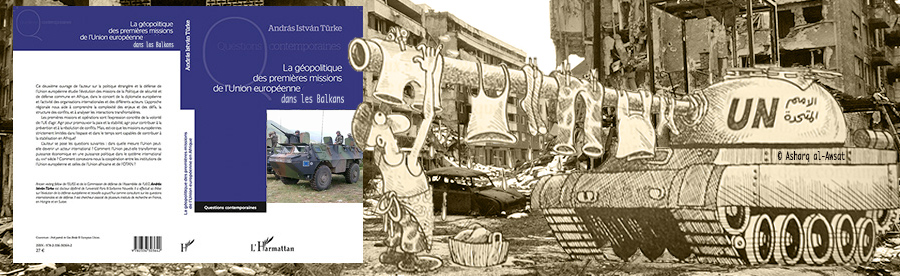
We are looking for sponsors for the English translation of these books, please contact turkeandras(at)gmail(dot)com