
You are here
Africa
Kenya confirms second Ebola case - a relative of the first victim
It follows the death last week of a man who had arrived in Kenya after travelling from DR Congo.
Categories: Africa, Swiss News
Why Rwanda's deal for F1 race remains controversial
Formula 1 will return to Africa in the early 2030s, but Rwanda's deal to stage a race has prompted accusations of sportswashing against the country.
Categories: Africa, Swiss News
Wie viel Trinkgeld muss man im Hotel geben?
Im Restaurant Trinkgeld zu geben ist nicht obligatorisch, aber üblich. Doch wie ist das im Hotel? Und wem soll man wie viel überreichen?
Categories: Africa, Swiss News
«Hoch entwickelte» Wanze in WC-Papier gibt es online für 14 Dollar
Ein Angestellter der KI-Firma OpenAI soll im Sitzungszimmer der Chefetage eine Wanze versteckt haben. Die Firma kam dem mutmasslichen Spitzel nach eigenen Angaben dank ihrer KI auf die Spur.
Categories: Africa, Swiss News
«Wir tanzen erst richtig, wenn wir an die WM fahren»
Die Schweizer Frauen-Nati setzt sich gegen Israel mit 9:3 im Gesamtskore durch und trifft nun in der zweiten Runde auf Österreich. Leila Wandeler will noch nicht zu fest feiern.
Categories: Africa, Swiss News
Mauritius reels from worst riots in decades after woman shot by police
Prime Minister Navin Ramgoolam imposed a curfew after days of unrest that first began over water shortages.
Categories: Africa
Bolt comparisons a 'privilege' - Dambile
South African sprinter Sinesipho Dambile says comparisons with Usain Bolt are a “privilege” as he targets World Championship and Olympic glory after a breakout season.
Categories: Africa, Balkan News
Alerte météo en Algérie : jusqu’à 50 mm de pluie attendus dans plusieurs wilayas ce mercredi
L’Office national de la météorologie (ONM) a émis de nouveaux bulletins météorologiques spéciaux (BMS) de niveau 2 pour de fortes pluies attendues dans plusieurs wilayas […]
L’article Alerte météo en Algérie : jusqu’à 50 mm de pluie attendus dans plusieurs wilayas ce mercredi est apparu en premier sur .
World Lost More Than 7 Million Hectares of Forest in 2025
A new report on deforestation reflects the persistent gap between global ambitions to conserve and restore forests and enduring practices that continue to destroy them. Credit: UN Climate Change/Diego Herculano
By Umar Manzoor Shah
BERLIN, Germany/WASHINGTON, D.C., USA , Oct 14 2026 (IPS)
The world lost more than 7 million hectares of forest to deforestation in 2025, a modest improvement on recent years but still far from what is needed to meet global forest protection targets by 2030, according to a new assessment of international conservation efforts.
The Forest Declaration Assessment 2026, prepared by a coalition of civil society organisations and researchers and released worldwide on October 14, says deforestation remains stubbornly high despite international commitments to halt and reverse forest loss. The average annual area cleared since 2021 has exceeded 8 million hectares, highlighting the gap between government promises and progress on the ground.
Ivan Palmegiani, senior consultant at Climate Focus and one of the key report authors, told Inter Press Service in an exclusive interview that a key reason deforestation remains so high is that commitments have not been matched by the scale of action needed, and where action has been taken, it has not always been sufficient to deliver lasting impact.
“We have seen what is possible under dedicated political leadership, such as the Lula administration in Brazil, where targeted policies, enforcement, and political will reduced deforestation within a single term. However, these successes remain the exception rather than the norm, and they can be quickly reversed when priorities change.”
He added that at a deeper level, forest commitments have not been translated into the structural transformation in how natural resources are governed and used. Forests, Palmegiani said, continue to face strong economic pressures from agriculture, infrastructure, extraction, and other land uses, while decision-making systems and incentives still frequently favour the powerful few, who are physically and emotionally disconnected from forests, rather than the many who depend on them for their livelihoods, well-being, and cultural identity. “Until our societies, political and economic systems change how decisions about forests and other ecosystems are made, forest loss is likely to remain high despite global pledges.”
Ivan Palmegiani, senior consultant at Climate Focus and one of the authors of the Forest Declaration Assessment 2026. Credit: Supplied
The report also found that at least 65.4 million hectares of forest worldwide lost ecological integrity in 2024 because of human activities. The figure highlights a problem that extends beyond the complete removal of trees. Forests can remain standing while losing biodiversity, carbon storage capacity and their ability to sustain wildlife and local communities.
“Both figures reflect a persistent gap between global ambitions to conserve and restore forests and enduring practices that keep destroying them,” the report says.
The assessment examines progress on forest protection, sustainable production, finance and governance. It finds that some initiatives are moving forward, including efforts to improve forest monitoring and recognise Indigenous land rights. But these developments have not yet produced the scale of change required to reverse forest destruction.
More than 140 countries pledged under the Glasgow Leaders’ Declaration on Forests and Land Use, announced at the 2021 United Nations climate conference, to halt and reverse forest loss and land degradation by 2030.
Five years later, the latest assessment suggests that the world remains far from achieving that objective.
Tropical forests face particular pressure from agricultural expansion, infrastructure development and commercial activities. The report says these pressures are reinforced by weak enforcement of environmental laws and economic incentives that continue to favour activities associated with forest destruction.
‘We No Longer Look at Country-Level Figures’
Tropical Latin America recorded the largest absolute area of deforestation among the regions assessed but also made the most significant progress compared with the 2018-20 baseline. Deforestation there fell by 33 percent in 2025.
Tropical Africa, however, experienced a continued rise in forest loss. Annual deforestation in the region reached about 2.4 million hectares in 2025, comparable to the 2.5 million hectares recorded in tropical Latin America.
Tropical Asia lost approximately 1.6 million hectares of forest in 2025. That represented a 12 percent reduction compared with the 2018-20 baseline, although the report cautions that the underlying causes of deforestation remain largely unchanged.
The assessment describes tropical Asia’s progress as ambiguous. Two consecutive years of modest declines may indicate that the worst recent peaks have passed, but they do not establish that the region is on a sustained path towards forest recovery.
Tropical Oceania was the only tropical region assessed as being on track to meet its 2030 forest goals. Its relatively small share of global tropical forest area and lower current pressure on forests partly explain this difference.
The findings underline how national policies, commodity production and enforcement capacity can produce sharply different outcomes across regions.
When asked which countries have contributed most to this progress and what challenges continue to prevent deeper reductions in terms of deforestation, Palmegiani said, “We no longer look at country-level figures because the global datasets used for our calculations can sometimes misrepresent national trends. In fact, to avoid overstating the precision of the data, we only publish regional and global aggregates for our indicators.”
He added, ”That said, independent analyses and regional initiatives suggest that Indonesia and Malaysia have been important contributors to the decline in deforestation observed across tropical Asia. Despite this progress, the region continues to face significant economic pressures. These include growing demand for critical minerals, particularly nickel, of which Indonesia is the world’s leading exporter, as well as broader economic uncertainty linked to geopolitical conflicts and disruptions in global markets. When these pressures intensify, short-term economic priorities can outweigh environmental considerations, and forests often bear the cost.”
Agricultural Expansion and Commercial Interests
Agriculture remains a major driver of forest loss, with commercial production and growing demand for food, animal feed and bioenergy putting pressure on natural ecosystems.
The report says between 61 and 94% of tropical deforestation linked to commercial agriculture may be illegal. It estimates that environmental crime, including illegal deforestation and timber and wildlife trafficking, generates as much as US$281 billion annually.
Such activities often overlap with other criminal enterprises.
A 2025 study by the United Nations Office on Drugs and Crime, cited in the assessment, found links between environmental offences and crimes including drug trafficking, illegal mining and human trafficking.
The scale of these activities presents a major challenge for governments seeking to protect forests while regulating international commodity supply chains.
The assessment also points to gaps in corporate accountability. Companies in sectors linked to forest loss have increasingly adopted sustainability commitments and reporting systems, but disclosure and implementation remain uneven.
Financial institutions have begun to recognise deforestation as an environmental and financial risk. Yet the report says many regulatory frameworks lack detailed guidance on how banks should assess and manage those risks.
More than 60 percent of the countries assessed had yet to establish disclosure requirements covering deforestation-related risks for banks or insurance companies.
The report’s findings suggest that voluntary commitments and corporate reporting need to be accompanied by stronger enforcement and clearer requirements if they are to produce measurable changes in production and investment.
Forest Finance Remains a Major Challenge
The assessment identifies the scale and distribution of finance as another obstacle to forest protection.
Although international funding commitments have increased, financial support for conservation remains difficult to reconcile with the economic incentives that encourage activities harmful to forests.
The report estimates that subsidies linked to the production and use of fossil fuels reached $921 billion in 2024. Emergency measures introduced in 2026 to ease high energy prices could push the global total above $1 trillion this year.
The assessment warns that such subsidies can undermine efforts to shift to less harmful energy sources.
It also highlights the potential benefits of redirecting public support to activities that restore nature.
“Every dollar of agricultural support that is repurposed to support farming practices that restore nature, such as agroforestry, silvopasture, and low-carbon agriculture, can generate up to USD 30 in economic benefits, especially for rural communities,” the report says.
The findings point to an opportunity for governments to reform existing spending rather than rely entirely on new funding.
However, the report notes that international forest finance does not consistently reach the Indigenous peoples and local communities who manage and protect forest territories.
Community-led funding mechanisms can help direct resources towards local priorities, but they remain secondary recipients of direct funding from governments and multilateral institutions.
Indigenous Rights and Participation
The assessment identifies recognition of Indigenous land rights as an important part of effective forest governance.
At the 2025 United Nations climate conference, known as COP30, an intergovernmental commitment involving 16 countries and one subnational jurisdiction pledged to recognise or strengthen rights over an additional 160 million hectares of Indigenous lands and territories.
The launch of the Tropical Forests Forever Facility also created a provision reserving 20 percent of country-level payouts for direct transfers to Indigenous and local community organisations.
These developments represent progress, but the report says participation in international policymaking does not necessarily translate into decision-making power.
Indigenous coalitions have stressed that their increased presence at COP30 remained largely consultative. Indigenous peoples still lack formal standing in the United Nations climate negotiations, such as COP 31, which will take place in Antalya, Türkiye, from November 9 to 20.
National climate plans also frequently mention Indigenous peoples and local communities without specifying how they will participate in designing or implementing policies.
A 2026 review of 84 national climate plans found that 61 referred to under-represented groups, including Indigenous peoples and local communities. However, the assessment says most references were descriptive rather than linked to concrete measures.
The report argues that meaningful participation requires more than recognition in policy documents. It requires secure land rights, opportunities to influence decisions and access to the financial resources needed to manage territories.
Environmental Defenders Face Continuing Threats
Forest protection also carries serious risks for people who challenge illegal activities and defend community land.
The assessment cites Global Witness data showing that at least 124 land and environmental defenders were killed in 2025. More than half of the documented killings were linked to land disputes, and nearly three-quarters of the victims were Indigenous people, small-scale farmers or people of African descent.
Front Line Defenders separately reported that at least 358 human rights defenders were killed in 28 countries in 2025. Those working on land, environmental and peasant rights, as well as Indigenous rights, were among the groups that were frequently targeted.
Erin Matson, a lead consultant of Climate Focus and report author, told IPS in an interview that the statistics from Global Witness that we cite each year are always humbling. It’s important to remember that that figure is likely a significant underestimate, as many killings and disappearances go unreported.
Erin Matson, a lead consultant of Climate Focus and one of the authors of the Forest Declaration Assessment 2026. Credit: Supplied
“There are many factors at play, most of which are rooted in governance. The vast majority of environmental defenders are killed over land disputes, for example, when a mining operation encroaches on Indigenous territories. If those Indigenous communities do not have secure, recognised tenure rights to their territories, it makes it that much harder for them to resist operators who are acting illegally.”
She added that, therefore, securing tenure rights is a major step that governments need to enable. Next, Matson added that an environment of corruption and impunity allows actors to literally get away with murder. “In locations where government actors and law enforcement are under the sway and on the payroll of special interests, they will look the other way when people are harmed. Rooting out corruption, therefore, and instituting reforms to corrupted systems is essential. It must be ensured that public officials are paid well for their services so that they won’t be susceptible to corruption in the first place.”
The report identifies weak enforcement, limited government capacity and impunity for powerful actors as major obstacles to effective forest governance.
It also warns that environmental defenders face forms of intimidation beyond lethal violence, including criminalisation, threats and harassment.
Improved technology is helping authorities detect illegal forest clearance. Satellite monitoring, traceability systems and new investigative tools can help identify offences and strengthen cooperation across borders.
In Guatemala’s Maya Biosphere Reserve, for example, researchers are testing artificial intelligence-powered acoustic sensors designed to recognise chainsaws, gunshots and engines. The technology can alert rangers to potential illegal logging in remote areas that are difficult to patrol regularly.
But the report stresses that improved detection must be matched by fair and effective enforcement. Otherwise, small-scale producers and local communities may carry a disproportionate share of the burden while more powerful actors escape accountability.
The report reveals further that deforestation in 2025 was lower than in much of the preceding decade, and forest finance has increased. Monitoring systems have also improved, while several countries have taken steps towards recognising Indigenous land rights.
But the report cautions against interpreting these gains as evidence of a lasting turnaround.
It says the reduction in deforestation may partly reflect temporary factors, including stronger enforcement in some jurisdictions, changing commodity prices and economic conditions that slowed land conversion.
“These wins should not be mistaken for the transformation still needed,” reads the report.
IPS UN Bureau Report
Related Articles
Categories: Africa, Swiss News
When Medicine Becomes a Tool for Torture: The Hidden Role of Medical Personnel in Russian Captivity
By Anna Trushova
KYIV, Ukraine, Oct 14 2026 (IPS)
Medicine is supposed to protect human life and dignity. Yet testimonies from Ukrainians released from Russian captivity reveal a disturbing reality: medical personnel in places of detention have not only denied prisoners necessary treatment but, in documented cases, participated in torture and ill-treatment.
Anna Trushova
This is not simply a matter of individual doctors violating their professional duties. The findings of Anatomy of Torture: Testimonies on Torture and Ill-Treatment by Medical Personnel in Russian Captivity, an analytical brief by the Center for Civil Liberties and the NGO Military Medics of Ukraine, point to recurring patterns across different detention facilities. They raise urgent questions about accountability and the international response to abuses against Ukrainian prisoners of war and unlawfully detained civilians.The research draws on testimonies from 16 people released from Russian captivity, including former detainees and medical professionals. Their accounts describe the denial of medical assistance, the neglect of serious injuries and illnesses, degrading treatment, and the concealment of evidence of violence. Some testimonies describe medical personnel directly participating in acts of torture.
One of the most troubling findings is the consistency of these accounts. Previous reports have documented abuses by medical staff, but this research systematically examines testimonies alongside the legal and regulatory framework governing medical professionals in Russia. Its findings suggest that the violations cannot be dismissed as isolated misconduct.
Russian medical personnel are bound not only by international humanitarian law and professional medical ethics but also by domestic rules that require them to provide care and to refrain from causing harm. The documented abuses, therefore, raise questions about violations of both international obligations and Russia’s own legal standards.
The consequences extend far beyond the detention facilities. People returning from captivity often require prolonged medical treatment and rehabilitation. Their families, meanwhile, must cope with the lasting effects of imprisonment, serious illness, and loss.
Sofia Krokhmaliuk, whose father, Oleksandr Krokhmaliuk, headed the Azov brigade’s medical service and died in captivity, described the pain of receiving his body back in Ukraine. She said the condition of his remains indicated that he had not died of natural causes.
Another family has spoken about the consequences that can persist after release. Ukrainian serviceman Oleksandr Savov spent more than 1,000 days in Russian captivity and returned home on March 19, 2025. He died of heart failure on November 16 that year, aged 46. His daughter, Anastasiia Savova, has emphasized that release does not mean the end of a crime: its consequences can last for the rest of a person’s life.
These stories demonstrate why the right to medical care in captivity cannot be treated as a secondary humanitarian concern. For people held in conditions where they have little or no access to independent assistance, medical care may be essential to their survival. Its deliberate denial can itself become a form of cruel treatment.
The Center for Civil Liberties’ research adds another dimension by examining the role of medical personnel within this system. It also reinforces the need to document individual responsibility and preserve evidence for future investigations and prosecutions.
Accountability is possible, even when it takes years. Thorough documentation can help identify those responsible, establish patterns of abuse, and provide evidence for national and international legal proceedings. Impunity, by contrast, creates conditions in which violations can continue.
That is why more than 90 Ukrainian organizations and institutions have appealed to the World Health Organization (WHO), urging it to respond to the systematic denial of medical care and the documented involvement of medical personnel in torture and ill-treatment.
The appeal calls for stronger international monitoring of detention facilities, including through cooperation with the International Committee of the Red Cross, United Nations mechanisms, and independent medical organizations. It also urges support for documenting abuses, identifying those responsible, and securing medical evacuation for severely wounded and seriously ill prisoners of war and unlawfully detained civilians.
The WHO cannot replace international investigators or courts. But its professional authority and international reach can help bring these violations to the attention of the global medical community and strengthen calls for independent access, accountability, and protection.
The immediate priority must be to help those still held in captivity receive the medical care they need. At the same time, the international community must ensure that allegations of medical personnel participating in torture are investigated rather than ignored.
Medicine must never become an instrument of repression. When those entrusted with protecting life become involved in abuse, the response must extend beyond professional condemnation. It must include independent monitoring, effective pressure, evidence preservation, and accountability.
For Ukrainians who remain in Russian captivity, these measures are not abstract questions of ethics or international law. They may determine whether they receive treatment, whether their suffering is documented, and whether they live to return home.
Anna Trushova is human rights defender and communications manager at the Center for Civil Liberties
IPS UN Bureau
Categories: Africa, European Union
Zimbabwean author denies using AI to write award-winning story
Simbarashe Kundizeza was responding to an accusation that has caused an uproar on social media.
Enlargement: Albania and EU provisionally close negotiations on enterprise and industrial policy
The EU and Albania provisionally closedaccession negotiations on enterprise and industrial policy (chapter 20).
Categories: Africa, Europäische Union
Enlargement: EU opens accession negotiations with Ukraine on internal market, competitiveness and inclusive growth
The EU and Ukraine opened negotiations on the EU acquis related to internal market, competitiveness and inclusive growth.
Categories: Africa, Európai Unió : hírek magyarul
Enlargement: Albania and EU provisionally close negotiations on enterprise and industrial policy
The EU and Albania provisionally closedaccession negotiations on enterprise and industrial policy (chapter 20).
Categories: Africa, Európai Unió : hírek magyarul
Middle East Escalation Could Leave 11.7 Million More Women and Girls Facing Food Insecurity by End-2026
Satellite image of the Strait of Hormuz. Credit WikiMedia
By UN Women
GENEVA, Oct 13 2026 (IPS)
An additional 11.7 million women and girls could face food insecurity by the end of 2026, as the escalation in the Middle East and disruption to the Strait of Hormuz drive up food prices and strain livelihoods and household resources, according to a new UN Women analysis published today.
“Food security risks of the Middle East escalation for women and girls” finds that women and girls account for 53 per cent of the projected 22 million additional people who could face food insecurity by the end of the year across 28 countries analyzed. This is in addition to an estimated 208 million women and girls who were already food insecure or undernourished in these countries. These are scenario-based estimates, not forecasts.
“We know, as a matter of fact, that when food becomes scarce, women eat less and last. They often shift to less nutritious diets or skip meals altogether to prioritize the needs of others. Gender inequalities dictate who has access to food and the resources to obtain it. Therefore, investing in women and girls is a sure way of ensuring the well-being of families and communities,” said UN Women Deputy Executive Director Nyaradzayi Gumbonzvanda.
Disruptions to shipping through the Strait of Hormuz are driving up energy, fertilizer and transport costs, pushing up food prices. Combined with potential income and livelihood losses, these rising costs could make food harder to afford. For many women, existing inequalities in employment and access to financial services leave them with fewer resources to absorb these shocks.
More populous countries were found to have the largest numbers of women and girls who could face food insecurity. However, countries such as South Sudan, Sudan, Haiti, Yemen and Palestine face more concentrated risks, as multiple sources of vulnerability overlap.
In South Sudan, the additional number of women and girls who could face food insecurity represents around 14 per cent – or one in seven – of the South Sudanese female population – the highest proportion across the countries analyzed. In Lebanon, the additional number of women and girls who could face food insecurity represents nearly 4 per cent of the Lebanese female population, the second-highest proportion.
In many countries, women and girls make up a higher proportion of people who could face food insecurity. For example, in Afghanistan, women and girls are estimated to make up 60 per cent of people who could face food insecurity; in Yemen, more than 57 per cent; and in Sudan, nearly 56 per cent.
Employment also affects food security. In Egypt, Iraq, Palestine, Sudan and Syria, around 80 per cent of women are outside the labour force. In Afghanistan and Yemen, this rises to around 95 per cent, the report notes. Among employed women, more than 80 per cent are in vulnerable employment in Afghanistan, Burkina Faso, Ethiopia, Haiti, Mali and South Sudan.
According to the analysis, access to financial services could provide a buffer, but many women lack access to these services. In Iraq, Lebanon, Pakistan and Yemen, fewer than one in five women owns a bank or mobile money account. This can limit women’s ability to save, receive remittances or cash assistance, or borrow safely when prices rise or incomes fall, increasing reliance on informal lenders, relatives or other household members and potentially putting their safety and protection at risk.
UN Women calls for an integrated response that combines food and cash assistance with nutrition, protection, livelihoods and agricultural support, while ensuring women can access land, credit, services and other productive assets. It also urges resources to be targeted to places where women and girls face multiple, overlapping risks, and delivered at the right time – including ahead of agricultural seasons. Better data are needed to identify where food insecurity is worsening and who is eating less, losing livelihoods, taking on more unpaid care work, or facing heightened nutrition and protection risks within households.
UN Women joins the calls for de-escalation and respect for international law and echoes the Secretary-General’s call to all concerned parties to work towards diplomatic solutions that advance regional and international peace and security.
IPS UN Bureau
Excerpt:
Disruption to the Strait of Hormuz is driving up food prices and putting further strain on the livelihoods and household resources of millions of women and girls, according to a new UN Women analysis.
Categories: Africa, Swiss News
Les micro-drames chinois d'une minute que le monde entier ne peut s'empêcher de regarder
Les micro-drames, dont les épisodes ne durent qu'une à deux minutes, sont une nouvelle tendance vidéo chinoise qui fait des vagues dans le monde entier.
A 'landmark' moment - why has Rwanda been chosen to host F1?
How Rwanda has succeeded where Morocco and South Africa, among others, have failed by agreeing a deal to stage the African Grand Prix.
Categories: Africa, Swiss News
A 'landmark' moment - why has Rwanda been chosen to host F1?
How Rwanda has succeeded where Morocco and South Africa, among others, have failed by agreeing a deal to stage the African Grand Prix.
Categories: Africa, Balkan News
Rusty or something more? South Africa's concern after Australia loss
Australia complete 214-run victory over South Africa in Durban. What does heavy defeat mean for the world champions?
Rwanda to host F1's first race in Africa since 1993
Rwanda signs a 10-year deal with Formula 1 to host races in the African country, starting "in the early 2030s".
Categories: Africa, Balkan News
Pages
the old site is here


© 2012-2015 Europa Varietas Foundation © 2015-2020 Europa Varietas Association
www.europavarietas.org | info(@)europavarietas(dot)org | Switzerland
This is a GDPR ready site

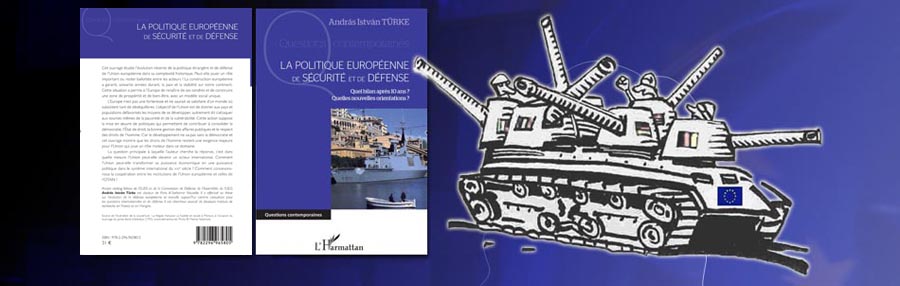
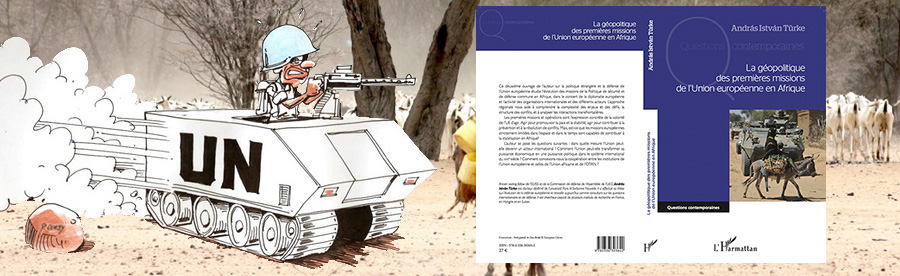
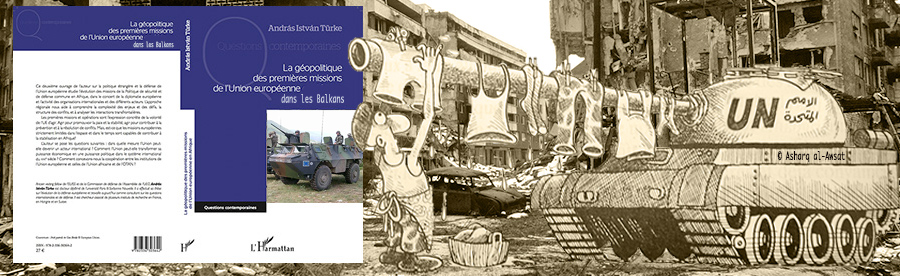
We are looking for sponsors for the English translation of these books, please contact turkeandras(at)gmail(dot)com