
You are here
Afrique
From anticolonial heroes to post-independence liabilities: morphing refugee categorizations in African geopolitics
Many colonies in Africa attained independence through negotiated settlements. However, several others engaged in armed liberation struggles, for example, Kenya, Namibia, South Africa, Southern Rhodesia (Zimbabwe), and the Portuguese colonies of Angola, Cape Verde, Guinea Bissau, Mozambique, and São Tomé and Príncipe. Newly independent states provided liberation movements with bases on their territories and political, military, intellectual, ideological, material, and moral support. In West Africa, Ghana’s first president, Kwame Nkrumah, a notable pan-Africanist, declared in his Independence Day speech in 1957, “Our independence is meaningless unless it is linked up with the total liberation of the African continent.” In East Africa, Julius Nyerere and Jomo Kenyatta, the first presidents of independent Tanzania and Kenya respectively, showed similar commitment to Pan-Africanism and anticolonialism by hosting refugees fleeing armed struggles in Southern Africa. Tanzania hosted the Organization of African Unity Liberation Committee supported anticolonial resistance and liberation movements. President Nyerere supported them for “challenging injustices of empire and apartheid” and declared, “I train freedom fighters”. He encouraged Tanzanians living around liberation movement camps to welcome these movements and their freedom fighters and also protect them from agents of colonial governments. Support also came from many other countries on the continent including Nigeria, Ethiopia, and Algeria. The latter provided sanctuary to representatives of liberation movements such as Nelson Mandela of the African National Congress (ANC) in South Africa.
Categories: Afrique, Diplomacy & Defense Think Tank News
Brâncuși Monumental Târgu Jiu
Categories: Afrique, Balkans Occidentaux
Icônes d'Albanie, trésors du Musée national d'art médiéval de Korça
Categories: Afrique, Balkans Occidentaux
Exposition : France, Suède et Empire ottoman : alliances artistiques
Au début du 18e siècle, la France, la Suède et l'Empire ottoman nouent un réseau d'alliances où la diplomatie ouvre la voie à l'imaginaire. À travers peintures, dessins, estampes et aquarelles, l'exposition explore ces circulations artistiques et culturelles.
Au 18ᵉ siècle, les relations entre Occident et Orient s'apaisent après de longs siècles marqués par les conflits armés. La France, la Suède et l'Empire ottoman s'allient contre les ennemis communs que sont la Russie et l'Autriche. Les (…)
Categories: Afrique, Balkans Occidentaux
Musique d'Asie Mineure et de la Mer Égée par Makis Baklatzis
Lors de cet atelier, nous étudierons des airs et des chants de la région élargie d'Asie Mineure et la manière dont le répertoire correspondant a été intégré et domestiqué, principalement dans les îles du nord-est de la mer Égée et des Cyclades.
À travers le répertoire et la pratique, nous étudierons les points communs et les différences stylistiques de ces régions spécifiques. Parallèlement, l'analyse des chants et des airs nous permettra d'identifier les caractéristiques (développement (…)
Categories: Afrique, Balkans Occidentaux
La première voiture 100 % algérienne verra le jour avant fin 2028, annonce Tebboune
Produire un véhicule entièrement conçu et assemblé sur le sol national : l’objectif a désormais une date. Devant les chefs d’entreprise réunis au Centre international […]
L’article La première voiture 100 % algérienne verra le jour avant fin 2028, annonce Tebboune est apparu en premier sur .
Categories: Afrique, Central Europe
Media advisory - European Council meeting of 15-16 October 2026
Approximate timing, public sessions and press opportunities.
Categories: Afrique, Európai Unió : hírek magyarul
Überschwemmungen sorgen für Chaos in Istanbul
Heftige Unwetter haben in Istanbul Strassen überflutet und teils einstürzen lassen; Autos wurden weggeschwemmt. Auch griechische Ägäis-Inseln wie Rhodos und Skiathos sind betroffen, Flüge wurden umgeleitet und Schulen geschlossen.
Categories: Afrique, Swiss News
Hier werden Autos vom Wasser mitgerissen
Sintflutartige Regenfälle verwandeln die Strassen in der Türkei in Flüsse.
Categories: Afrique, Swiss News
100-Mio-Mann trifft bei Tor-Premiere für Liverpool dreifach
Liverpool setzt sich beim Torfestival von Linz mit 6:3 durch. Die Reds holen den zweiten Sieg im zweiten Champions-League-Spiel, die Österreicher bleiben punktlos.
Categories: Afrique, Swiss News
FMI : l’Algérie première économie du Maghreb avec un PIB de 331 milliards de dollars
Les nouvelles projections du Fonds monétaire international redessinent la hiérarchie économique régionale, et l’Algérie y occupe une place de choix. Avec un PIB de l’Algérie […]
L’article FMI : l’Algérie première économie du Maghreb avec un PIB de 331 milliards de dollars est apparu en premier sur .
Categories: Afrique, European Union
Fifa will mit Regeländerung weiteren Fall Balogun verhindern
US-Medienberichten zufolge hat die Fifa eine Regeländerung vorbereitet, um einen zweiten Fall Balogun wie an der WM im Sommer zu verhindern. Der Zeitpunkt kurz vor dem Treffen des Fifa-Rats am Donnerstag überrascht.
Categories: Afrique, Swiss News
Das würde ein Ende der Geheimdienstinformationen für die Ukraine bedeuten
Russland bombardiert, Selenski klagt über fehlende Frühwarnung: Nach massiven Angriffen gibt es Tote, Hunderttausende Ukrainer sind zudem ohne Strom. Wie schutzlos steht das Land dem russischen Aggressor ohne US-Unterstützung gegenüber?
Categories: Afrique, Swiss News
Thun klärt die Captainfrage für den Conference-League-Auftakt
Zwischen Captain-Wirbel und Europa-Vorfreude: Thun startet am Donnerstag bei Twente in die Conference League. Nun steht fest, wer dort die Captain-Binde trägt.
Categories: Afrique, Swiss News
«Als Privatperson habe ich keine richtige Lebenslust mehr»
Mit 82 Jahren bleibt die Schauspielerin beruflich aktiv. Heidi Maria Glössner steht nun wieder in «Gott» von Ferdinand von Schirach auf der Bühne. Die Wahlbernerin erklärt, wieso sie seit langem das Recht auf einen selbstbestimmten Tod fordert.
Categories: Afrique, Swiss News
Winterthur geht mit Führung ins zweite Drittel
In Zusammenarbeit mit RED+ zeigt Blick ausgewählte Partien der MyHockey League im Live Stream. Am Mittowchabend ab 20.15 Uhr duelliert sich der EHC Winterthur mit seinem langjährigen Ex-Coach Christian Weber, der nun bei seinem Ausbildungsverein in Dübendorf an der Bande steht.
Categories: Afrique, Swiss News
Warum Amaudruz trotz Romandie-Bonus zittern muss
SVP-Nationalrätin Céline Amaudruz könnte in Kürze ihre Kandidatur für die Nachfolge von Wirtschaftsminister Guy Parmelin bekannt geben. Eigentlich spricht auf dem Papier vieles für sie – wären da nicht zahlreiche unbequeme Stolpersteine.
Categories: Afrique, Swiss News
Tebboune appelle à lutter contre les « parasites » qui tentent d’épuiser les réserves de change
Le président de la République, Abdelmadjid Tebboune, a présidé ce mercredi la Rencontre nationale avec les opérateurs économiques. Il a appelé à se mobiliser contre […]
L’article Tebboune appelle à lutter contre les « parasites » qui tentent d’épuiser les réserves de change est apparu en premier sur .
Categories: Afrique
Le Bénin réitère son appui à l'initiative d'autonomie du Maroc
Le Bénin réaffirme son soutien à l'initiative marocaine d'autonomie pour le Sahara, sous souveraineté du Maroc. Devant la 4e Commission de l'Assemblée générale des Nations unies, à l'occasion de la 81e session, l'ambassadeur représentant permanent du Bénin auprès de l'ONU, Marc Hermanne Gninadoou Araba, a appelé à la poursuite du dialogue pour parvenir à une solution politique durable.
Le Bénin maintient sa position sur la question du Sahara marocain. Lors de la séance plénière de la 4e Commission de l'Assemblée générale des Nations unies, le représentant permanent du Bénin, Marc Hermanne Gninadoou Araba, a réaffirmé le soutien de son pays à l'initiative marocaine d'autonomie et au processus politique conduit sous l'égide de l'ONU.
« Le Bénin se félicite encore une fois de l'adoption de la résolution 2797 du Conseil de sécurité et réaffirme son soutien plein et entier au processus politique conduit sous l'égide des Nations Unies, ainsi qu'aux efforts du secrétaire général et de son envoyé personnel », a déclaré le diplomate.
Dans son intervention, il a salué l'initiative marocaine d'autonomie qui emporte l'adhésion de la communauté internationale. L'ambassadeur a invité les parties prenantes à s'appuyer sur cette proposition pour poursuivre les discussions et parvenir à une solution politique définitive.
Les efforts de développement dans les provinces du Sud salués
L'ambassadeur béninois a aussi mis en avant les actions menées par le Maroc dans les provinces du Sud. Il a notamment cité les investissements dans les infrastructures, les énergies renouvelables, l'éducation et la gouvernance locale.
Pour Marc Hermanne Gninadoou Araba, les avancées socio-économiques et la participation des populations locales aux élections du 23 septembre 2026 traduisent une dynamique de développement et de participation démocratique qui mérite d'être accompagnée.
Un appel au dialogue et à l'apaisement
Le Bénin a exhorté le Maroc, l'Algérie, la Mauritanie et le Front Polisario à maintenir le dialogue sous l'égide des Nations unies afin de parvenir à un règlement durable du différend.
« Le temps des positions rigides doit laisser place à une approche tournée vers l'avenir », a affirmé le diplomate. Il exhorte les parties à éviter toute action susceptible d'aggraver les tensions ou de compromettre la confiance nécessaire au processus politique.
Le représentant du Bénin a insisté sur la nécessité de saisir la dynamique actuelle pour construire un avenir de paix et de prospérité, fondé sur le développement durable et une croissance inclusive répondant aux aspirations des populations locales. Il a rappelé l'importance du respect des principes de souveraineté, d'intégrité territoriale des États membres et du règlement pacifique des différends, qu'il a présentés comme des fondements de la Charte des Nations unies et de la stabilité régionale et mondiale.
Le sort des populations des camps de Tindouf évoqué
Au-delà du processus politique, le diplomate béninois a attiré l'attention sur la situation des populations vivant dans les camps de Tindouf depuis plus d'un demi-siècle.
Il a appelé les parties prenantes à œuvrer conjointement pour permettre à ces populations de choisir librement, dans le respect du droit international, les meilleures options pour leur bien-être.
À travers cette intervention devant la 4e Commission, le Bénin réaffirme son attachement à une solution politique durable au différend du Sahara, fondée sur le dialogue, la coopération et le respect des principes consacrés par la Charte des Nations unies.
Categories: Afrique, Swiss News
Demonstranten zünden Amtssitz des Ministerpräsidenten an
Zehntausende Studierende haben in Tirana gegen steigende Bildungskosten und Korruption protestiert. Am Abend eskalierte die Lage: Der Amtssitz von Ministerpräsident Edi Rama und weitere Regierungsgebäude wurden beschädigt.
Categories: Afrique, Swiss News
Pages
the old site is here


© 2012-2015 Europa Varietas Foundation © 2015-2020 Europa Varietas Association
www.europavarietas.org | info(@)europavarietas(dot)org | Switzerland
This is a GDPR ready site
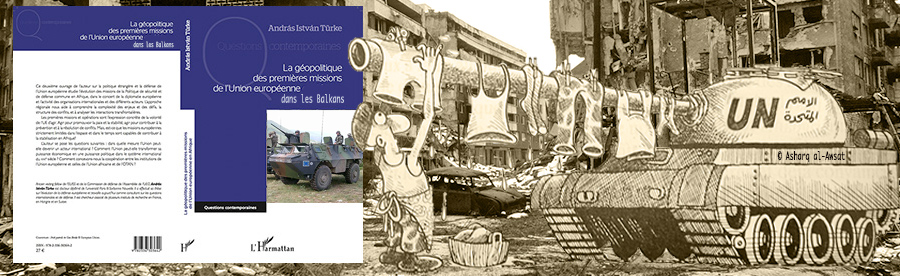
We are looking for sponsors for the English translation of these books, please contact turkeandras(at)gmail(dot)com