
You are here
Afrique
Rusty or something more? South Africa's concern after Australia loss
Australia complete 214-run victory over South Africa in Durban. What does heavy defeat mean for the world champions?
Un député FLN menacé de perdre son immunité parlementaire
Moins de trois mois après l’installation de la nouvelle Assemblée populaire nationale, un élu du Front de libération nationale (FLN) se retrouve au centre d’un […]
L’article Un député FLN menacé de perdre son immunité parlementaire est apparu en premier sur .
Categories: Afrique
Eurogroup President Pierrakakis attends the Annual Meetings of the IMF and World Bank Group in Bangkok, Thailand
Eurogroup President Kyriakos Pierrakakis will represent the Eurogroup at the Annual Meetings of the IMF and World Bank Group in Bangkok, Thailand.
Categories: Afrique, European Union
Council approves conclusions on inclusive democratic participation, and societal and community resilience
Council approves conclusions on inclusive democratic participation, and societal and community resilience.
Categories: Afrique, European Union
Eurogroup President Pierrakakis attends the Annual Meetings of the IMF and World Bank Group in Bangkok, Thailand
Eurogroup President Kyriakos Pierrakakis will represent the Eurogroup at the Annual Meetings of the IMF and World Bank Group in Bangkok, Thailand.
Categories: Afrique, Europäische Union
Council approves conclusions on inclusive democratic participation, and societal and community resilience
Council approves conclusions on inclusive democratic participation, and societal and community resilience.
Categories: Afrique, Europäische Union
«Stapo hätte hart durchgreifen müssen – ohne Wenn und Aber!»
Die Ausschreitungen am Zürcher Hardplatz sorgen auch in der Community für Entsetzen. Viele nehmen Polizei und Politik in die Pflicht. Einige ziehen gar Parallelen zu Deutschland oder Frankreich.
Categories: Afrique, Swiss News
Diese zehn Dinge solltest du im Flugzeug besser nicht tun
Videos ohne Kopfhörer, nackte Füsse auf dem Sitz oder ein Snack mit Knoblauchduft: Im Flugzeug liegen die Nerven manchmal blank. Welche Verhaltensweisen besonders stören und wo etwas mehr Rücksicht angebracht wäre, zeigt dieser Überblick.
Categories: Afrique, Swiss News
Dieser El Niño ist historisch!
Der aktuelle El Niño ist bereits jetzt historisch – noch nie seit Beobachtungsbeginn wurde ein stärkeres Ereignis registriert. Aber der Höhepunkt ist noch immer nicht erreicht, erklären Schweizer Meteorologen. Bis dahin wird das Phänomen weiter zulegen.
Categories: Afrique, Swiss News
Auslöser für Explosion im Kraftwerk Ritom mit zwei Toten
Anfang September hat eine Explosion das Kraftwerk Ritom im Dorf Piotta im Kanton Tessin erschüttert. 2 Arbeiter kamen ums Leben. Bei neuen Untersuchungen konnte Schwarzpulver als Auslöser der Explosion festgestellt werden.
Categories: Afrique, Swiss News
Real-Legende Carvajal hat einen neuen Klub gefunden
27 Titel gewann Daniel Carvajal mit Real Madrid. Nun hat sich der Altmeister einem Ligakonkurrenten angeschlossen. Der Spanier steht bereits mit seinem neuen Team auf dem Trainingsplatz.
Categories: Afrique, Swiss News
Daniela Katzenberger lässt sich Intimbereich straffen
Daniela Katzenberger hat sich mal wieder unters Messer gelegt. Nach einem Gewichtsverlust von elf Kilo liess sich die Kultblondine ihre Schamlippen straffen.
Categories: Afrique, Swiss News
Provokation bei den Bayern, Schweizer Duell und ein Debüt
Ein Schweizer Wiedersehen, Mega-Kracher und eine besondere Herausforderung für Bayern München. Der zweite Spieltag der Champions League hat einiges zu bieten.
Categories: Afrique, Swiss News
Bayern werden vor CL-Spiel in Stavanger von Feuerwerk geweckt
Vor dem Champions-League-Gastspiel bei Viking Stavanger werden die Spieler des FC Bayern München in der Nacht aus dem Schlaf gerissen. Anhänger der Heimmannschaft zünden etwa um 1 Uhr in der Nacht ein Feuerwerk vor dem Teamhotel der Bayern.
Categories: Afrique, Swiss News
Vier Verletzte bei Verkehrsunfall mit drei Fahrzeugen in Bern
Am Montagabend kam es in Bern zu einer Auffahrkollision mit Folgeunfall. Vier Personen, darunter ein Kind, wurden verletzt und mussten ins Spital gebracht werden. Es kam zu erheblichem Rückstau.
Categories: Afrique, Swiss News
Gewinne VIP-Tickets für das YB-Heimspiel gegen den FC St. Gallen
Am 24. Oktober empfangen die Berner Young Boys im Wankdorf den FC St. Gallen. Dank Blick kannst du das Spiel als VIP verfolgen und dabei in den Genuss kostenloser Verpflegung kommen. Wir verlosen unter anderem zweimal 2 VIP-Tickets.
Categories: Afrique, Swiss News
Fünf Routen über dem Schweizer Nebelmeer
In der Herbstzeit wird es kälter und nebliger. Auf diesen Wanderwegen kannst du die letzten warmen Sonnenstrahlen über dem Nebelmeer geniessen.
Categories: Afrique, Swiss News
«Es wurde sehr schlechte Arbeit geleistet»
Dem Pflege-Dachverband Alliance Care droht wegen Schulden und Führungsfehlern die Auflösung. Ausgerechnet jetzt, wo mit der Umsetzung der Pflege-Initiative wichtige Entscheide anstehen! GLP-Nationalrat und Pfleger Patrick Hässig ist enttäuscht.
Categories: Afrique, Swiss News
Affaire Aït-Nouri : la FAF pose une condition pour le retour du joueur en sélection
Le dossier le plus brûlant de la sélection algérienne connaît un début d’éclaircie. Rayan Aït-Nouri n’est pas banni de la liste des Verts : Brahim […]
L’article Affaire Aït-Nouri : la FAF pose une condition pour le retour du joueur en sélection est apparu en premier sur .
Categories: Afrique, Swiss News
Combien les infractions au règlement de Man City ont-elles coûté à votre équipe ?
Les conséquences potentielles des infractions au règlement commises par Manchester City sont considérables, notamment la non-qualification pour la Ligue des champions, la relégation et la perte des primes de Premier League.
Categories: Afrique, Swiss News
Pages
the old site is here


© 2012-2015 Europa Varietas Foundation © 2015-2020 Europa Varietas Association
www.europavarietas.org | info(@)europavarietas(dot)org | Switzerland
This is a GDPR ready site


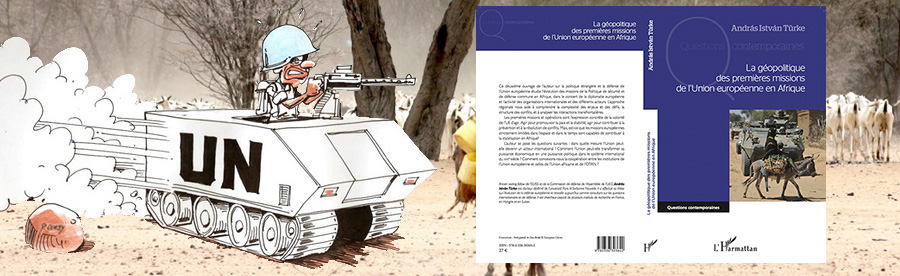
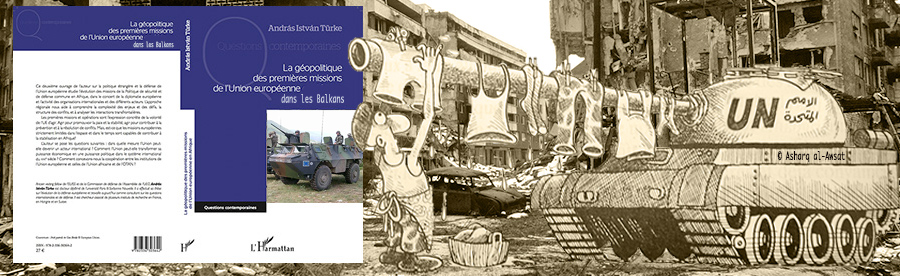
We are looking for sponsors for the English translation of these books, please contact turkeandras(at)gmail(dot)com