
You are here
Afrique
«Airbnb sollte längst sanktioniert werden»
Das Airbnb-Teilverbot in Zürich polarisiert: Längst nicht alle aus der Community sehen darin einen wirksamen Schritt gegen die Wohnungsnot.
Categories: Afrique, Swiss News
France-Algérie : 10 000 € à déclarer en France, mais 1 000 € côté algérien
Vous voyagez entre la France et l’Algérie avec de l’argent liquide ? Les seuils de déclaration sont différents : 10 000 euros côté français et […]
L’article France-Algérie : 10 000 € à déclarer en France, mais 1 000 € côté algérien est apparu en premier sur .
Categories: Afrique, Swiss News
Pomme de terre plafonnée à 90 DA : Himayatec dénonce des produits « impropres à la consommation »
L’organisation algérienne de protection et d’orientation du consommateur et de son environnement, Himayatec, a vivement critiqué la qualité des pommes de terre proposées à 90 […]
L’article Pomme de terre plafonnée à 90 DA : Himayatec dénonce des produits « impropres à la consommation » est apparu en premier sur .
Categories: Afrique, Swiss News
Les sept pays africains où les salaires sont les plus élevés
En Afrique de l'Est, le Kenya a fait mieux que ses voisins comme la Tanzanie, l'Ouganda et le Rwanda, mais est resté derrière Djibouti, qui menait non seulement l'Afrique de l'Est, mais aussi l'ensemble du continent avec une moyenne de 2 836 dollars (1 647 007 FCFA) par mois.
Categories: Afrique, Határon túli magyar portálok összesített hírei
Les sept pays africains où les salaires sont les plus élevés
En Afrique de l'Est, le Kenya a fait mieux que ses voisins comme la Tanzanie, l'Ouganda et le Rwanda, mais est resté derrière Djibouti, qui menait non seulement l'Afrique de l'Est, mais aussi l'ensemble du continent avec une moyenne de 2 836 dollars (1 647 007 FCFA) par mois.
Categories: Afrique, Swiss News
Gratuité des transferts nationaux jusqu'à 8 000 FCFA par jour
À compter du 2 novembre 2026, les transferts nationaux de monnaie électronique dont le montant cumulé quotidien ne dépasse pas 8 000 FCFA par utilisateur et par participant seront gratuits, quel que soit le nombre d'opérations effectuées.
Les transferts nationaux dont le montant cumulé quotidien est inférieur ou égal à 8000 Fcfa sont gratuits à partir du 2 novembre. La Banque centrale des États de l'Afrique de l'Ouest (BCEAO) a annoncé cette mesure dans le cadre de la révision des conditions tarifaires des transactions réalisées par l'intermédiaire de la Plateforme interopérable du Système de paiement instantané (PI-SPI) de l'Union économique et monétaire ouest-africaine (UEMOA).
Selon la BCEAO, le seuil retenu permet de couvrir 75 % des transactions de monnaie électronique dans l'Union. Pour les transferts nationaux dont le montant cumulé quotidien dépasse 8 000 FCFA, des frais pourront être appliqués. Leur taux sera compris entre 0 et 0,8 % du montant hors taxes du transfert.
La réception des transferts sera, quant à elle, entièrement gratuite, sans limite de montant ni de nombre d'opérations. Les nouvelles conditions tarifaires s'appliqueront aux transferts entre les comptes détenus dans les banques ou les institutions de microfinance et ceux ouverts auprès des établissements de monnaie électronique ou de paiement. Elles concerneront également les opérations entre établissements de monnaie électronique et établissements de paiement.
L'interopérabilité obligatoire à partir du 2 novembre
Outre la révision des tarifs, la BCEAO prévoit que les transactions de monnaie électronique interopérables au sein de l'UEMOA soient obligatoirement réalisées par l'intermédiaire de la PI-SPI à compter du 2 novembre 2026.
Lancée le 30 septembre 2025, cette plateforme compte actuellement 175 participants connectés et permet à plus de 38 millions de personnes d'accéder aux services de paiement instantané.
Au terme de sa première année de fonctionnement, la Banque centrale a évalué la mise en œuvre de l'interopérabilité avant de décider de revoir les conditions tarifaires des transferts entre personnes physiques. Cette révision vise notamment à renforcer l'inclusion financière, à améliorer la qualité et la disponibilité des services et à favoriser de nouveaux usages.
La gratuité étendue aux transferts régionaux en juin 2027
La BCEAO prévoit également d'étendre les mêmes conditions tarifaires aux transferts de monnaie électronique entre les pays de l'UEMOA à compter du 1er juin 2027. Les opérations transfrontalières seront ainsi soumises aux mêmes règles que les transferts nationaux, aussi bien pour les frais à l'envoi que pour la gratuité à la réception.
Categories: Afrique, Swiss News
Multilateralism: Council sets EU position ahead of climate change and biodiversity summits
The Council approved conclusions on the EU’s main negotiating positions ahead of the United Nations climate change (COP31) and biodiversity (COP17) summits.
Categories: Afrique, Europäische Union
Speech by President António Costa at the opening session of the 24th edition of the European Week of Regions and Cities
President of the European Council, António Costa, delivered a speech at the opening session of the 24th edition of the European Week of Regions and Cities in Brussels, on 12 October 2026.
Categories: Afrique, Europäische Union
DPRK: Council adds three individuals and four entities to sanctions lists over nuclear, missile programmes and Russia ties
The Council adopted restrictive measures against three individuals and four entities supporting North Korea’s weapons of mass destruction programmes and violating UN sanctions, including through Russia-DPRK cooperation.
Categories: Afrique, Europäische Union
Lebanon: EU establishes new CSDP support mission to strengthen defence and security institutions
The Council has established the EU Support Mission in Lebanon (EUSM Lebanon) to strengthen the Lebanese Armed Forces and Internal Security Forces and support stability in the country.
Categories: Afrique, Europäische Union
Russia’s war of aggression against Ukraine: EU agrees largest-ever package of listings targeting almost 1600 individuals and entities in Russia’s military-industrial complex
The Council has adopted restrictive measures against 826 Russian companies and 743 individuals active in Russia’s military-industrial complex in single largest set of listings since the beginning of Russia’s war of aggression against Ukraine.
Categories: Afrique, Europäische Union
Ukraine’s territorial integrity: Council lists 77 individuals over the illegal Russian State Duma 'elections' in the temporarily occupied territories of Ukraine
The Council has adopted restrictive measures against 77 individuals who were involved -as either candidates or members of the Central Election Commission of the Russian Federation- in the illegal so-called 'elections' for the Russian State Duma, held in September 2026 in the territories of Ukraine that Russia has temporarily and illegally occupied.
Categories: Afrique, Europäische Union
Media advisory - General Affairs Council and accession conferences with Albania, the Republic of Moldova and Ukraine of 13 October 2026
Main agenda items, approximate timing, public sessions and press opportunities.
Categories: Afrique, European Union
EU-UK summit to take place in Brussels on 20 November
The second annual EU-UK Summit after the UK’s withdrawal from the EU will take place in Brussels on 20 November 2026.
Categories: Afrique, European Union
Multilateralism: Council sets EU position ahead of climate change and biodiversity summits
The Council approved conclusions on the EU’s main negotiating positions ahead of the United Nations climate change (COP31) and biodiversity (COP17) summits.
Categories: Afrique, European Union
Speech by President António Costa at the opening session of the 24th edition of the European Week of Regions and Cities
President of the European Council, António Costa, delivered a speech at the opening session of the 24th edition of the European Week of Regions and Cities in Brussels, on 12 October 2026.
Categories: Afrique, European Union
DPRK: Council adds three individuals and four entities to sanctions lists over nuclear, missile programmes and Russia ties
The Council adopted restrictive measures against three individuals and four entities supporting North Korea’s weapons of mass destruction programmes and violating UN sanctions, including through Russia-DPRK cooperation.
Categories: Afrique, European Union
Media advisory - General Affairs Council and accession conferences with Albania, the Republic of Moldova and Ukraine of 13 October 2026
Main agenda items, approximate timing, public sessions and press opportunities.
Categories: Afrique, Európai Unió : hírek magyarul
EU-UK summit to take place in Brussels on 20 November
The second annual EU-UK Summit after the UK’s withdrawal from the EU will take place in Brussels on 20 November 2026.
Categories: Afrique, Európai Unió : hírek magyarul
Multilateralism: Council sets EU position ahead of climate change and biodiversity summits
The Council approved conclusions on the EU’s main negotiating positions ahead of the United Nations climate change (COP31) and biodiversity (COP17) summits.
Categories: Afrique, Európai Unió : hírek magyarul
Pages
the old site is here


© 2012-2015 Europa Varietas Foundation © 2015-2020 Europa Varietas Association
www.europavarietas.org | info(@)europavarietas(dot)org | Switzerland
This is a GDPR ready site
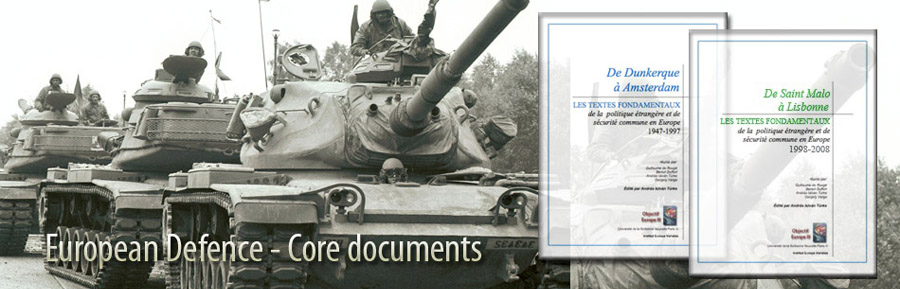
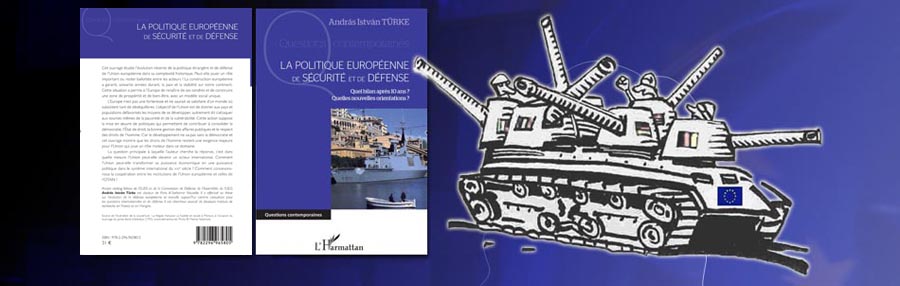
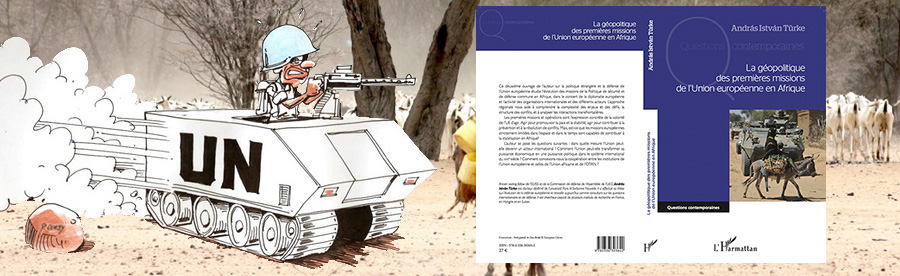
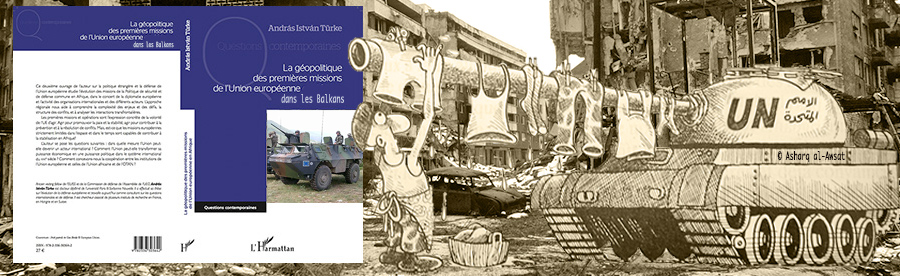
We are looking for sponsors for the English translation of these books, please contact turkeandras(at)gmail(dot)com