
You are here
Africa
Prioritize Multilateralism to Resolve Iran War Deepening Humanitarian Crisis, Says OSF Vice President
Seven months into the Iran War, threats of further military escalation and stalled efforts to reopen the Strait of Hormuz have heightened fears of worsening humanitarian suffering and wider regional instability. Pedro Abramovay, Vice President of Open Society Foundations (OSF), told IPS that the international community should empower local actors and middle powers to work […]
Categories: Africa, Swiss News
Le Groupe Ecobank renforce son engagement en faveur de la jeunesse africaine
Le Groupe Ecobank, premier groupe bancaire panafricain, a marqué l'aboutissement de sa campagne triennale en faveur de l'éducation numérique à l'occasion de la 14ᵉ édition de la Journée Ecobank, son initiative annuelle phare en matière d'impact social, qui mobilise les Ecobanquiers et Ecobanquières de 32 pays d'Afrique subsaharienne pour investir directement dans les communautés qu'ils servent. Véritable point d'orgue, en matière d'impact social, de quatre décennies consacrées à l'intégration financière panafricaine, au développement du commerce et à l'accompagnement des PME, la Journée Ecobank réaffirme l'engagement du Groupe à étendre son impact au-delà de ses activités bancaires, en contribuant à doter la jeunesse africaine des compétences numériques et en intelligence artificielle (IA) dont elle aura besoin pour l'avenir.
Au cours des trois dernières années, la Journée Ecobank s'est inscrite dans la volonté de transformer l'Afrique par l'éducation, faisant de cette journée annuelle d'action un investissement durable dans l'apprentissage numérique et le développement de compétences adaptées aux métiers de demain. À fin 2025, la campagne avait permis de créer 66 laboratoires informatiques en Afrique subsaharienne, dépassant ainsi son objectif initial de 40, et d'offrir à 46 414 enfants et jeunes adultes des opportunités de développer leurs compétences en numérique, intelligence artificielle (IA), programmation et robotique, dépassant également l'objectif initial de 40 000 bénéficiaires.
En inscrivant l'autonomisation des communautés dans le prolongement de ses 40 années d'engagement en faveur de l'intégration financière panafricaine, le Groupe aligne son action en matière d'éducation numérique sur ses nouveaux engagements stratégiques à l'horizon 2030, d'un montant de 2,6 milliards de dollars, destinés à soutenir le développement des femmes entrepreneures (2 milliards de dollars US via Ellever) et la transformation des chaînes de valeur agricoles (600 millions de dollars US).
Aligner l'impact social sur la transformation économique de l'Afrique« Alors que nous clôturons cette année marquant notre 40ᵉ anniversaire, la Journée Ecobank traduit notre conviction fondamentale selon laquelle la réussite de nos activités bancaires doit contribuer directement au développement des communautés », a déclaré Jeremy Awori, Directeur général du Groupe Ecobank. « Je suis extrêmement reconnaissant envers nos Ecobanquiers et Ecobanquières, dont l'engagement et la passion nous ont permis d'atteindre cette étape particulièrement significative. Au cours de ces quatre dernières décennies, nous avons été les témoins directs de l'immense potentiel de l'Afrique et de la détermination de sa jeunesse à construire un avenir meilleur. Voir de jeunes élèves acquérir des compétences pratiques en programmation, en intelligence artificielle et en robotique est pour moi une immense source de satisfaction. C'est là que se trouve l'avenir. »
Il a ajouté : « Cet engagement en faveur de l'autonomisation numérique vient compléter directement notre vision stratégique à l'horizon 2030, dévoilée à l'occasion de notre 40ᵉ anniversaire, dans le cadre de laquelle nous nous sommes engagés à mobiliser 2,6 milliards de dollars pour soutenir le développement des femmes entrepreneures et transformer les chaînes de valeur agricoles. En donnant aujourd'hui à la jeunesse africaine les compétences numériques dont elle a besoin, nous préparons les entrepreneurs, les innovateurs et les leaders qui contribueront à façonner le prochain chapitre du développement économique du continent. »
D'une journée d'action à une infrastructure numérique durableLancée pour la première fois en 2013, la Journée Ecobank a évolué pour devenir une plateforme panafricaine mobilisant les Ecobanquiers et Ecobanquières en faveur d'un développement social durable. La campagne Transformer l'Afrique par l'éducation s'est inscrite dans cette tradition en allant au-delà d'une action communautaire ponctuelle pour contribuer à créer des infrastructures et à développer des compétences favorisant l'apprentissage dans la durée.
La campagne s'est déployée en trois phases stratégiques, en s'adaptant à l'évolution du paysage numérique africain :
• Lancée en 2023, la première phase s'est concentrée sur la mise en place des fondations de la culture numérique, avec la création de laboratoires informatiques et la mise à disposition d'équipements informatiques essentiels au profit d'écoles et de communautés défavorisées.
• En 2024, le programme s'est orienté vers des compétences numériques plus avancées, avec l'introduction de l'intelligence artificielle, de la programmation et de la robotique, notamment à travers l'implication de la Happy Coders Academy en Côte d'Ivoire, afin de stimuler la créativité et les capacités de résolution de problèmes.
• En 2025, le programme a accordé une importance accrue à l'inclusion, en élargissant l'accès aux apprenants en situation de handicap et ayant des besoins éducatifs particuliers, grâce à des technologies d'assistance et à des environnements d'apprentissage adaptés. Cette orientation a été portée par les Ecobanquiers eux-mêmes. Au Bénin, cet engagement s'est inscrit dans la continuité du soutien apporté par Ecobank au Centre d'Accueil, d'Éducation et d'Intégration des Sourds (CAEIS) de Porto-Novo depuis 2023, notamment à travers la mise à disposition d'outils d'apprentissage numérique et d'une connexion Internet, puis d'un don de 6,6 millions de FCFA en 2025 destiné à soutenir la construction d'un centre multimédia dédié.
• En 2026, la campagne a renforcé son impact en élargissant les possibilités de formation et l'accès aux technologies. Au Togo, Ecobank a notamment fait don d'ordinateurs aux 80 meilleurs bacheliers du pays, tout en leur proposant des formations aux compétences numériques afin de mieux les préparer à leur avenir.
À travers l'Afrique, ces investissements poursuivent un objectif commun : élargir l'accès aux outils numériques, aux technologies d'assistance, à la connectivité haut débit, aux plateformes de gestion de l'apprentissage et aux programmes de robotique, afin de permettre aux jeunes Africains de participer pleinement à l'économie numérique.
À propos d'Ecobank (ou « Ecobank Transnational Incorporated » ou « ETI »)
Le Groupe Ecobank est le premier groupe bancaire privé panafricain, fort d'une expertise africaine inégalée. Présent dans 34 pays d'Afrique subsaharienne, ainsi qu'en France, au Royaume-Uni, aux Émirats arabes unis et en Chine, le Groupe s'appuie sur une plateforme panafricaine unique offrant un accès intégré aux services de paiement, de gestion de trésorerie, de financement du commerce et d'investissement. Le Groupe emploie plus de 14 000 collaborateurs et propose des produits, services et solutions de banque des particuliers, banque commerciale, banque corporate et banque d'investissement, à travers plusieurs canaux, notamment numériques, à plus de 30 millions de clients. Pour plus d'informations, rendez-vous sur ecobank.com.
Kenya confirms its first Ebola death as outbreak spreads
The patient had been living in DR Congo, where more than 4,000 people have died from the disease this year.
Categories: Africa, European Union
Press release - MEPs debate the EU’s future with the Prime Minister of Portugal, Luís Montenegro
During a “This is Europe” debate, MEPs and Portugal’s Prime Minister focused on an ambitious EU long-term budget, a successful energy transition, and EU competitiveness.
Source : © European Union, 2026 - EP
Source : © European Union, 2026 - EP
Categories: Africa, Európai Unió : hírek magyarul
South Africa hope to host first African Olympics
The International Olympic Committee confirms South Africa have shown an interest in becoming the first African host of the summer Olympics.
Categories: Africa, European Union
South Africa hope to host first African Olympics
The International Olympic Committee confirms South Africa have shown an interest in becoming the first African host of the summer Olympics.
Categories: Africa, European Union
Nigeria mourns 25 killed as military plane crashes into swamp
President Bola Tinubu describes the crash as a "painful moment" for the military and the entire nation.
Categories: Africa, Pályázatok
Egyptian journalists from fact-checking website facing terrorism charges
Matsda2sh rejects the accusation by prosecutors that its entire newsroom belongs to the outlawed Muslim Brotherhood.
Categories: Africa, Pályázatok
Seven arrested for using Ghanaian banknotes to make 'money bouquets'
The arrests are part of the country's efforts to curb the misuse and abuse of the national currency.
Categories: Africa, Pályázatok
Dementia: A Rapidly Rising Global Challenge
As the number of people living with dementia continues to rise, healthcare systems face increasing demand for medical and support services. Credit: Shutterstock
By Joseph Chamie
PORTLAND, USA, Oct 6 2026 (IPS)
Dementia is a rapidly growing global health challenge that affects many millions of people worldwide and places significant economic, healthcare, and social strains on societies, particularly as populations age.
Families, community organizations, and governments face growing difficulties in providing adequate care and support for older adults living with dementia.
A debilitating neurological condition, dementia is caused by various diseases or injuries that damage the brain and impair its functioning. Its increasing prevalence has made it a pressing global health concern.
Women are disproportionally affected by dementia, experiencing a greater burden of morbidity and disability than men. Women account for approximately two-thirds of deaths from Alzheimer’s disease and other forms of dementia worldwide and provide about 70% of informal care hours delivered by family and friends
Dementia can affect memory, thinking, communication, mood, and behavior, as well as a person’s ability to perform everyday activities. Symptoms generally worsen over time, often placing substantial emotional, physical, and financial burdens on individuals, families, caregivers, and health systems.
The number of people living with dementia is rising rapidly as populations age and life expectancies increase.
Dementia, however, is not a normal part of aging. Although some changes in memory and functioning are common among older adults, dementia can significantly impair memory, thinking, judgment, and the ability to perform everyday activities.
Dementia is the seventh leading cause of death worldwide and a major cause of disability and dependency among older adults.
Alzheimer’s disease is the most common type of dementia, accounting for roughly 60–70% of all dementia cases. Other types include vascular dementia, dementia with Lewy bodies, which is associated with abnormal protein deposits in nerve cells, and frontotemporal dementia, which involves degeneration of the brain’s frontal and temporal lobes.
Dementia affects not only individuals but also families, healthcare systems, and society as a whole. Its growing prevalence is creating substantial economic, healthcare, and social pressures worldwide.
As the number of people living with dementia continues to rise, healthcare systems face increasing demand for medical and support services. Governments and communities must devote additional resources to meet these needs, while families often assume significant and demanding caregiving responsibilities.
Hospitals and long-term care facilities also face growing pressure because people with advanced dementia may require intensive, around-the-clock supervision and assistance with everyday activities.
Beyond direct healthcare and long-term care expenses, dementia generates substantial indirect costs. These include lost productivity when people with dementia can no longer work and reduced workforce participation among family members who leave or reduce employment to provide unpaid care. Together, these direct and indirect costs add substantially to the broader economic and social burden of dementia.
Women are disproportionally affected by dementia, experiencing a greater burden of morbidity and disability than men. Women account for approximately two-thirds of deaths from Alzheimer’s disease and other forms of dementia worldwide and provide about 70% of informal care hours delivered by family and friends.
People who care for relatives with dementia face greater health risks than those caring for family members without dementia, and these risks can persist even after their relatives have died. Caring for people with dementia therefore places substantial burdens on families and society, while the growing global burden of dementia care remains largely underestimated.
In 2021, approximately 57 million people were living with dementia, according to the World Health Organization, and dementia caused about 2 million deaths. With nearly 10 million new cases of dementia occurring each year, largely reflecting population ageing and increasing longevity, the number of people living with dementia is projected to reach about 107 million by 2026 and more than 150 million by 2050 (Figure 1).
Source: World Health Organization.
Dementia can affect memory, thinking, communication, mood, and behavior. Early signs and symptoms of dementia are often observable and may involve difficulties with memory, attention, communication, reasoning, judgement, and processing visual information.
Possible early signs of dementia include forgetting recent events or familiar information, getting lost while walking or driving, becoming confused in familiar places, having difficulty following conversations, forgetting the names of close family members or friends, using unusual words to refer to familiar objects, and struggling to complete routine or familiar tasks independently (Table 1).
Source; U.S. Center for Disease Control.
Although there is currently no known cure for dementia, WHO guidelines report that up to 45% of dementia risk could potentially be prevented or delayed.
The WHO guidelines recommend several healthy behaviors and lifestyle interventions that may reduce dementia risk. These include cognitive training and stimulation, and participation in social activities for adults with normal cognition or mild cognitive impairment.
Other measures that may help reduce dementia risk and support quality of life and well-being include staying physically active, pursuing additional education, eating a healthy diet, drinking a couple of cups of coffee daily, quitting smoking, limiting alcohol consumption, reading regularly, engaging in mentally stimulating activities, and maintaining social connections. Keeping track of daily tasks, managing stress, and obtaining regular medical check-ups may also help people maintain independence and well-being (Table 2).
Source: World Health Organization and U.S. National Institutes of Health.
Some country studies report that each additional year of education is associated with a lower risk of dementia, with the protective association continuing beyond high school. In other words, additional years of education may provide cumulative protection against dementia. Recent research has also found that hearing aids can reduce the rate of cognitive decline in older adults at high risk of dementia by nearly 50%.
Much can also be done to support people living with dementia and those who care for them. Caring for a person with dementia, however, can be challenging and can affect caregivers’ own health and well-being.
Providing care requires patience, clear communication, and attention to the person’s emotional well-being.
Helpful caregiving tips include starting discussing care needs early, speaking calmly and clearly, avoiding arguments, providing reassurance, and avoiding questions such as “Don’t you remember?”. Other strategies include distracting an agitated person with a snack, photo album, humor, or soothing music; maintaining a consistent routine and familiar mealtime setting; encouraging independence and regular exercise; using written to-do lists and reminders; simplifying choices; and ensuring a safe environment.
Caregivers should also prioritize their own physical and emotional well-being. The demands of dementia caregiving can contribute to emotional stress, physical exhaustion, and burnout.
Helpful self-care strategies include taking regular breaks, seeking assistance from family members or others involved in caregiving, maintaining social connections, engaging in regular physical activity, and seeking mental health support when needed. These measures can help reduce stress and exhaustion and lower the risk of caregiver burnout.
Although age itself does not cause of dementia, it is the strongest known risk factor, with the likelihood of developing dementia generally increasing with age. Consequently, countries with older populations, such as Japan, Germany, Italy, and Greece, tend to report higher dementia rates (Figure 2).
Source: World Population Review.
In sum, dementia is a rapidly rising global health challenge, particularly as populations age. Countries face increasing difficulties in providing adequate care and support for older adults living with dementia.
Given the limited availability of effective treatments, there is an urgent need for comprehensive national strategies to prevent or delay dementia and address its broader social, economic, and health consequences. Such strategies should take a coordinated, long-term approach to strengthening prevention, improving care and support services, and reducing the burden on individuals, families, communities, and health systems.
Joseph Chamie is a consulting demographer, a former director of the United Nations Population Division, and author of numerous publications on population issues.
Categories: Africa, Swiss News
Cheetahs to play European games in Swansea
South African side Cheetahs will play their European Challenge Cup home matches this season at St Helen's in Swansea, the home of Welsh side Ospreys.
Workers Help Feed the World but Starved of Dignity
An IPES-Food report warns that workers in the global food system face high exploitation in keeping the world fed. Credit: Busani Bafana/IPS
By Busani Bafana
BULAWAYO, Oct 6 2026 (IPS)
A new report reveals widespread labour exploitation among food system workers, warning that keeping the world fed comes at the cost of human dignity.
More than 1.4 billion people work in the food industry – the largest employer in the world – and are the most abused, according to a report, Food Work: The workers behind our food and the exploitation they face, published this week by the International Panel of Experts on Sustainable Food Systems (IPES-Food).
The global food system exploits more workers than any other economic sector, and the report notes that this exploitation is not accidental but rather ingrained in a business model that keeps labour cheap while maximising profits.
Abuse All Round
“Often hidden from view, food workers face low pay, wage theft, forced labour, human trafficking, discrimination, sexual violence, dangerous working conditions, and exclusion from social safety nets,” the report found.
“From farmworkers, fishers, and slaughterhouse staff to delivery drivers, restaurant and supermarket employees, and domestic workers, labour abuse is rife at every link in the food chain.”
The report highlighted that migrants, women, refugees, and racialised workers are funnelled into the worst conditions, where speaking up risks job loss, deportation and blacklisting.
IPES-Food co-chair Olivier De Schutter said what was most surprising about the findings of the report was the deep hypocrisy of governments concerning migrant farmworkers. With many countries relying heavily on migrant labour, especially for fruit and vegetable production, as witnessed during the Covid-19 pandemic, governments often grant migrant workers short-term, seasonal stays.
“These workers are routinely subject to forms of exploitation and abuse that would be unimaginable if they were natives – housed in poor conditions, paid poverty wages, and working in often dangerous conditions,” said Olivier De Schutter, a former UN Special Rapporteur on the right to food.
De Schutter argued that because migrant workers were considered unskilled, they were treated like second-class workers and that they had no or minimal connections to the communities in countries that host them; they barely complained in cases of abuse.
This practice is a form of trafficking in human beings, except that it’s legal and officially encouraged, De Schutter told IPS.
According to the UN’s Food and Agriculture Organisation (FAO), the gross value of global agricultural production is estimated at just over $5 trillion, while the World Bank estimates agricultural value-added at about $3.2 trillion.
The global food system is valued at more than $8 trillion, yet those who produce and market the food survive on poverty wages, which calls for a change.
De Schutter identified three mutually reinforcing challenges which include loopholes in the current legislation which does not apply minimum wage or on working hours, poor law enforcement and the difficulty of organising workers where unions are discouraged or even repressed.
“Governments routinely take the position that, where workers are informal, labour legislation does not apply, and labour inspectorates have no role to play,” he said, describing this situation as absurd.
‘It’s like saying that if you don’t have a driver’s licence, you can ignore the traffic rules. In fact, international human rights law requires that basic labour legislation be extended to informal workers and that incentives be given to employers to register their workers to ensure informality does not pay and that formalisation instead be rewarded.”
IPES-Food co-chair Olivier De Schutter. Credit: IPES-Food
Systemic Exploitation
“Unfair employment arrangements, off-the-books work, and lack of basic job security all combine to entrench worker vulnerability,” he said. “Governments directly enable this abuse through legal carve-outs that explicitly exempt food and farm workers from basic protections on wages, workplace safety, and union rights.”
The report highlighted that even where protective laws exist, weak public enforcement and pervasive informal employment leave millions of workers unprotected.
Migrant workers are essential to today’s food systems, yet they face some of the highest rates of workplace abuse, wage theft, forced labour, injury, and death, the report noted.
Worsening Conditions
Compounding these structural abuses, a dangerous convergence of emerging forces was making food work increasingly hazardous and exploitative.
“Climate change is becoming a workers’ rights crisis,” said Mamadou Goïta, IPES-Food panel expert. “Farmworkers already face poverty wages, toxic pesticides, and gruelling conditions. Now climate change is turning up the heat and making their work even more dangerous.”
Goïta said governments were still failing to guarantee workers even basic, lifesaving protections like shade, rest, and drinking water.
“The people producing our food should not have to risk their health or their lives to earn a living,” said Goïta.
The impacts of extreme heat and drought are usually measured in lost crops and harvests. But the human toll on the world’s 928 million agricultural workers was also mounting, with heat stress being the most common health threat facing farmworkers, the report noted.
The consequences of health threats include dizziness, vomiting, and exhaustion from heat stroke and kidney disease. In the US, farmworkers were 35 times more likely to die from heat stress than other workers.
Agricultural regions across Africa, the Americas, and southern Europe now experience up to 50 more days of dangerous heat each year than in the 1970s. In Africa, 93% of workers were exposed to dangerous heat, most of whom work in food systems, said the report.
The report warned that while climate change was exposing workers to extreme heat, severe weather and toxic wildfire smoke, corporate power was suppressing wages, undermining collective bargaining, and shifting risks onto workers, which meant prioritising shareholder returns over decent work.
“At the cutting edge, digital technologies are creating new frontiers of exploitation: gig-based platform work, automation, algorithmic management, and workplace surveillance are isolating workers, intensifying productivity pressures, increasing injury rates, and eroding worker bargaining power,” said the report.
Organise or Agonise
But workers are fighting back. They are forming unions and cooperatives, staging strikes, litigating for rights, and building alliances to demand comprehensive labour standards that recognise their worth and dignity.
The report shows that comprehensive labour standards, living wages, and the right to collective bargaining can shift the world’s largest workforce from the food system’s most invisible victims to resilience.
The report emphasised that in achieving lasting transformation in the food systems industry, there must be a strong policy and power shift across five key priorities. These include building the power of workers by strengthening trade unions and expanding collective bargaining. In addition, legal carve-outs for food and farm workers must be eliminated and equal rights for migrant workers guaranteed.
Policies that criminalise migrants must be scrapped, while employer-tied visa schemes must be dismantled to guarantee equal labour rights and social protections regardless of status, the report said, urging for a curtailment of corporate power so that companies are held accountable for labour abuses throughout their supply chains.
“The people who feed the world deserve safe, fairly paid, and dignified work,” said the report. “Food systems must never depend on low wages, hazardous conditions, or invisible labour. Achieving this requires changing who holds power, who profits, and who bears the costs.”
IPS UN Bureau Report
Related Articles
Categories: Africa, Swiss News
The Late Arrivals
A reflection on kinship, memory, and what the Earth has always been trying to tell us.
By James Alix Michel
VICTORIA, Seychelles, Oct 6 2026 (IPS)
One night, many years ago now, on a remote beach in the outer islands of Seychelles, I sat in the darkness and watched a green turtle come ashore. She had waited for the heat of the day to leave the sand. Under a sky crowded with stars, she hauled herself slowly above the tideline, dug with a patience no human hand could match, and laid her eggs. Then, in the small hours, she turned back toward the water. She did not hurry. She paused once, as though listening, and then made her slow, unhesitating way down the sand, back to a home older than any I could imagine.
James Alix Michel
I have thought of her many times since. Not because there was anything unusual in what she did – her kind have been coming ashore to nest for more than a hundred million years – but because of what her calm dignity revealed, by contrast, about us. She belonged. She did not need to prove it. She had not spent her night wondering whether the sea would consent to receive her.We, the human beings watching from the shore, are the ones who wonder.
This, I have come to believe, is the deepest source of the trouble we now find ourselves in. Not our tools, not our economies, not even our numbers, though all of these press hard upon the living world. The deepest source is an older mistake: the unexamined assumption that we stand outside nature, deciding its fate. That the Earth is a stage and we are its principal players, and that everything else, the reef, the forest, the migrating whale, the green turtle, is scenery, resource, or backdrop.
The truth is far more humbling. We are not the authors of nature. We are its late arrivals.
Consider the arithmetic of belonging. The Earth is some four and a half billion years old. Life appeared here almost four billion years ago. Coral reefs were already ancient when the dinosaurs walked. Forests had been breathing for hundreds of millions of years before the first upright ape rose on the savannah. The calcium in our teeth, the iron in our blood, the carbon that composes almost everything we are, was forged in stars that lived and died long before this planet existed. To imagine ourselves separate from nature is not merely a philosophical mistake. It is a physical impossibility.
We Seychellois have a particular reason to understand this, for we are late arrivals twice over. Our granite islands are among the oldest islands on Earth, the only oceanic islands made of granite: fragments of the ancient supercontinent of Gondwana, left behind in the middle of the ocean when India drifted away some sixty-five million years ago. For almost all of that immense time, no human foot touched them. The turtles came, and the seabirds, and the giant tortoises. We came only in 1770, when a small party of Europeans, Africans and Indians stepped ashore on Sainte Anne. Others followed, from Africa, from India, from China, from Europe, some by choice and many, let us never forget, in chains. From that meeting of peoples, in scarcely two and a half centuries, a nation was born.
And something remarkable happened. A people with no ancestral memory of these islands learned, within a few generations, to belong to them. Our grandparents learned to read the sea as others read books. They gave thanks to the ocean before setting out and again on returning, and spoke of it as one speaks of a mother. Their kinship was not inherited; it was learned. That, to me, is among the most hopeful facts I know: belonging can be learned.
There is a school of thought, gathering strength in our time, that invites the whole of humanity to learn it too. Some call it biocentrism, the recognition that life in all its forms carries moral weight. Others call it deep ecology, the insistence that the human being is one strand in a vast web, not the loom on which the web is woven. The American conservationist Aldo Leopold put it most simply, many decades ago: we must learn to think “like a mountain.” The names matter less than the instinct behind them: that the living world is not a possession, and that our first duty to it is not extraction but attention.
This is why the environmental struggle feels to me, at its deepest level, like a spiritual struggle as much as an economic one. The numbers we use to measure our crisis are necessary and true, but they cannot on their own move the human heart. What moves the heart is the recognition that we are kin to what we are losing. That the coral bleaching in a lagoon is not a distant statistic but family. That the night sky above the nesting beach is not decoration but a memory of our own origin.
I do not offer this as sentiment. I offer it as strategy. For decades we have tried to persuade humanity to protect the Earth by appealing to self-interest. The argument is true, but it has not been sufficient. Self-interest is a thin thread from which to hang the future of a planet. What is needed now is the older and stronger thread of kinship. And kinship, once acted upon, is answered. On Aldabra, where green turtles were once taken in great numbers, decades of patient protection have allowed the nesting population to multiply several times over. The sea, it seems, is ready to forgive us, if we are ready to belong.
James Alix Michel, is Former President of the Republic of Seychelles
IPS UN Bureau
Excerpt:
A reflection on kinship, memory, and what the Earth has always been trying to tell us.
Categories: Africa, Swiss News
«Ein reines Frauen-Ticket kann ein Affront sein»
Nachdem Bundesrat Guy Parmelin seinen Rücktritt erklärt hat, ist der Ruf nach einer Frauenkandidatur laut geworden. Nun äussern sich in Blick auch einige bürgerliche Politikerinnen mit leisen Forderungen.
Categories: Africa, Swiss News
Austerity and Privatization Weakened OECD Education Systems
OECD PISA education performance: change in scores between 2009 to 2025, and 2025 scores.
By Isabel Ortiz and Antonia Wulff
BRUSSELS / GENEVA, Oct 5 2026 (IPS)
The results of the OECD PISA 2025 report point to the marked deterioration of results in countries whose education systems were once considered exemplary. PISA assesses how students aged 15 apply skills in reading, mathematics, and science to real-life situations, and the latest report contains the lowest averages ever measured in all three subjects across the OECD (as illustrated in the graph above). Public debate has rushed to blame the use of AI and social media, but the deterioration long predates them. In many countries, this decline has unfolded alongside years of austerity cuts and growing pressures on public education systems, including public spending, teacher pay and working conditions, staffing and the capacity of schools to provide quality education.
Isabel Ortiz
These austerity cuts and cost-containment reforms started after the 2008 financial crisis, when governments mobilized emergency support for the financial sector, in loans, capital and guarantees, equivalent to around half of national income in the advanced G20 economies. This unprecedented bailout left public treasuries depleted, and the costs of adjustment were then thrust upon populations: from 2010, governments turned to austerity reforms or fiscal consolidation, cutting education budgets alongside other public services.Austerity reforms in education include reduced public budgets, wage restraint for teachers and school staff, recruitment freezes, staff reductions, heavier workloads, and the privatization and commercialization of education. Fiscal consolidation led half of OECD countries to cut or freeze teachers’ salaries after 2010; between 2008 and 2012 teachers’ real wages fell in 16 of the 30 countries for which data is available, and by more than a quarter in Greece. Finland cut 1.5 billion euros from education during 2011 to 2018, and – among many other damaging cuts – closed and merged schools. In the United States, spending per pupil fell roughly 7% after the financial crisis, and rigorous research shows these cuts lowered test scores and college attendance.
Antonia Wulff
The teaching profession has not recovered. In 13 OECD countries and economies, primary teachers were earning less in real terms in 2024 than in 2015. The share of students in schools whose principals report that teacher shortages hinder instruction jumped from 26% in 2018 to 47% in 2022, and stood at around 40% in the 2025 assessment. This trend was concentrated in public schools, including those that serve disadvantaged populations. The latest data shows the continuing scale of the problem – only 28.8% of OECD students study in schools where principals reported no teacher shortages. The OECD’s own teacher survey finds that 17% of teachers intend to leave the profession within five years, rising to around half of young teachers in some European countries. Globally, 44 million additional teachers are needed in primary and secondary education alone by 2030, more than half of them simply to replace teachers leaving the workforce.Privatization and commercialization compound the damage. More than 350 million primary and secondary students worldwide are enrolled in private institutions, and the enrolment share of government-funded private schools has risen since 2000 in many countries. UNESCO’s global review is blunt: the apparent superior performance of private schools is largely attributable to the socio-economic advantages of the student population.
These trends reflect political choices: what governments choose to fund and what they choose to cut. When education systems are asked to do more with less, the consequences are felt in classrooms. Fewer teachers, heavier workloads, weaker pay and conditions, and less capacity to provide every child with a quality public education. The question is not whether we can afford to reverse this decline but whether governments are prepared to prioritize the investment that public education requires.
The money was never missing, it is a question of priorities. Governments mobilized US$10 trillion to rescue banks in 2009, and in the four years since the invasion of Ukraine, the world has spent more than $10 trillion on the military, with NATO members each pledging to spend 5% of GDP on this by 2035, exceeding the share that most devote to education. Today, debt-service payments exceed education expenditure in Colombia, Costa Rica, Hungary, Mexico, Poland and Türkiye, among other countries, meaning again that governments are prioritizing paying off private creditors, banks and defense over children. New revenues are within reach: from progressive taxation, taxing windfall profits (e.g. from oil) to a 2% minimum tax on the wealth of billionaires which would raise $2.5 trillion over a decade. The G20 has, meanwhile, already committed to cooperating on taxing the super-rich.
Austerity was a policy choice and so are public services for people’s prosperity. Through sustained investment in public education, decent pay for qualified teachers, and equitable learning conditions, OECD countries could once again set the example and invest in educating their children to expand opportunity for the next generation.
Isabel Ortiz, Director, Global Social Justice, was Director at the International Labor Organization (ILO) and UNICEF, and a senior official at the UN and the Asian Development Bank.
Antonia Wulff, Director of Research, Policy, and Advocacy, Education International.
IPS UN Bureau
Excerpt:
Decline blamed on AI and social media but was triggered much earlier by austerity reforms and budget cuts.
Categories: Africa, Swiss News
Bombs preventing rescue of kidnapped youths, Nigerian police say
The father of one of the 19 young abductees tells the BBC he hasn't eaten in three days out of worry.
Categories: Africa, Pályázatok
Sweden’s Far Right Falters
Social Democratic Party leader Magdalena Andersson speaks at the Social Democrats’ election night party in Stockholm on 13 September 2026. Credit: Jonas Ekstromer/TT News Agency/AFP
By Andrew Firmin
LONDON, Oct 5 2026 (IPS)
Four years ago, Sweden’s far right became the power behind a right-wing government. This time, it expected further gains and cabinet seats. But voters turned against it. In the 13 September general election, support for the far-right Sweden Democrats fell for the for the first time in the party’s history. Four days later, Prime Minister Ulf Kristersson resigned, leaving the way clear for the centre-left Social Democrats to negotiate a coalition. But the Sweden Democrats’ defeat will prove hollow if the next government maintains the hostility towards migrants that has come to characterise Sweden’s politics.
The Sweden Democrats originated in the country’s violent neo-Nazi movement. Established parties long refused to cooperate, but the centre-right Moderate Party broke the firewall in 2019, when it announced it was willing to work with it. In the 2022 election, the Sweden Democrats came second with 20.5 per cent of the vote. The Moderate Party came third but was able to form a minority government. The Sweden Democrats didn’t receive cabinet seats, but entered into a formal agreement with the governing parties, which relied on its votes.
Having brought the Sweden Democrats into the political mainstream, Kristersson went further in April, when he said his aim was to form a majority government with the Sweden Democrats and promised them cabinet posts, potentially giving them control of immigration policies. The announcement made clear how central to Swedish politics the Sweden Democrats had become.
Hostility written into law
The Sweden Democrats framed its hostility towards migrants as a defence of the country’s envied living standards, underpinned by its extensive social welfare system. This time it promised to ‘make Sweden Sweden again’, in a campaign marked by instances of blatant Islamophobia.
Sweden saw a sharp increase in the number of asylum seekers and migrants in 2010, particularly from war-torn Syria. Political parties and media have repeatedly blamed migrants for crime and economic and social problems.
As the Sweden Democrats picked up electoral support, established parties adopted increasingly anti-migrant policies to try to see off the political threat. The same thing has happened in other European countries, with the same effect. Mainstream parties legitimised the anti-migrant agenda and brought the far-right challenger into the political mainstream, while voters tended to prefer the original to the copy. In Sweden, conditions for migrants have worsened under successive governments.
Restrictive policies preceded the 2022 government, but intensified under it. Ahead of the election, the government passed a new set of anti-migrant laws. These removed any route to permanent residency for people with asylum status, offering only temporary residency permits. They introduced a broadly defined ‘good behaviour’ clause that allows authorities to refuse residency permits for non-criminal offences and revoke permits already granted.
On top of this, what’s commonly called the ‘snitch law’ obliges some categories of public employees to report people they suspect of being undocumented migrants. This may deter migrants from using essential public services, such as healthcare, for fear of being reported. Because the law is broad and vague, it will also encourage self-censorship, as migrants may feel less able to take part in protests or speak out online. This effectively creates a two-tier system for civic freedoms and risks introducing a default racial profiling system. Troublingly, other EU countries are reportedly watching how Sweden’s hostile new laws play out, with a view to copying them.
A fragmented result
Crime and migration were campaign issues, but didn’t dominate the debate, as voters also focused heavily on the economy, education and healthcare. After many years at the top of the agenda, migration may be receding as a political issue, revealing the Sweden Democrats as having little else to offer. The party’s four four years of sustaining a government also made it harder to run an anti-establishment campaign, while a scandal linking a party official to Russia may also have cost it.
Results point to a further political fragmentation. The Social Democrats also lost seats, recording its lowest vote share in over a century, while smaller parties gained support, with the Green and Left parties particularly attracting young voters.
The two major political blocs are holding coalition negotiations. Neither faces an easy task. A four-party coalition led by the Social Democrats would command 176 seats, just above the 175 needed for a majority, while a four-party coalition on the right would claim only 173. But significant policy differences mean agreement can’t be taken for granted. Determination to keep the Sweden Democrats out may galvanise the four into an agreement but may not be enough to sustain it in the long term.
Even if the Social Democrats prevail, a significant change of direction on migrants’ rights is unlikely. The party has expressed support for many recent anti-migrant policies. The political rhetoric may soften, but the situation could mirror that of neighbouring Denmark, where the Social Democrats, having long adopted anti-migrant policies, retained power in the March election despite having its worst result in over 120 years.
A chance to change course
Progressive voices urgently need to start making a more positive case that tells human stories and asserts the human rights of migrants, and that builds understanding of the causes of migration and appreciation of the benefits migrants can bring, from the public service jobs Sweden’s social welfare service relies on to the economic contributions migrants make.
Sweden’s civil society must be heard. Civil society organisations are providing practical help to migrants and going to the courts and European bodies to challenge the worst impacts of regressive laws. They know what’s needed to curb the hostility, make Swedish society fairer and restore the country’s hard-earned global reputation as a human rights champion.
The Sweden Democrats’ loss of support shows there’s nothing inevitable or unstoppable about the rise of the far right. If Sweden’s next government listens to civil society instead of continuing to imitate the far right, it has a chance to show Europe that it’s possible to roll back the far right’s agenda.
Andrew Firmin is CIVICUS Editor-in-Chief, co-director and writer for CIVICUS Lens and co-author of the State of Civil Society Report.
For interviews or more information, please contact research@civicus.org
Categories: Africa, Swiss News
Climate Change Is Becoming a Pregnancy Hazard Worldwide, Survey Finds
A community health worker examines a pregnant woman inside her home while family members look on, highlighting the growing challenges mothers face as extreme heat and climate-related pressures strain access to healthcare in vulnerable communities. Credit: Wellcome
By Umar Manzoor Shah
SUVA, Fiji & SRINAGAR, India, Oct 5 2026 (IPS)
Extreme heat is increasingly threatening pregnant women and newborn babies around the world, with almost all maternal health professionals surveyed across five continents saying they have cared for women or infants whose health was affected by high temperatures.
The findings, released as climate ministers gathered in the Pacific ahead of the COP31 climate summit, provide an extremely distressing picture of how global heating is affecting maternity wards, delivery rooms and newborn-care units.
A survey of 1,001 healthcare professionals in Australia, Brazil, India, the United Kingdom and Zimbabwe found that 98 percent had personally cared for a pregnant woman whose health they believed was adversely affected by extreme heat.
Some 99 percent said they had cared for a foetus or newborn whose health, in their professional judgment, had been affected by extreme heat.
Almost three-quarters, 73%, said heat-related cases or complications affecting pregnant women had increased over the previous five years. The proportion rose to 76% when health workers were asked about complications involving foetal health, childbirth or newborn babies.
The survey was commissioned by the global health foundation Wellcome and conducted among obstetricians, gynaecologists, doctors, midwives, nurses and other maternal-health professionals between September 17 and October 1.
The findings were released in Fiji at the launch of Birthright, a global campaign seeking greater protection for pregnant women, babies and healthcare workers as temperatures rise.
Speaking at the event, United Nations Climate Change Executive Secretary Simon Stiell said climate change was creating a new and potentially deadly risk around pregnancy and childbirth.
“The picture is clear and very disturbing: as extreme heat worsens, pregnancy and birth are now a new faultline in the global climate crisis, and one which is potentially fatal,” Stiell said.
“This faultline must not become another deep chasm of climate-driven suffering, inequality and injustice.”
The survey offers detailed evidence of what healthcare professionals say they are already witnessing.
Among pregnant women,
- 25% reported seeing muscle cramps or muscle aches that they believed extreme heat had contributed to or worsened
- 24% reported severe fatigue, sleep problems or a reduced ability among pregnant women to carry out daily activities
- 23% reported breathing difficulties or worsening respiratory symptoms
- 23 percent reported pregnancy complications requiring additional monitoring or treatment, while an equal proportion reported hypertensive disorders, including pre-eclampsia
- More than one in five reported mental distress, anxiety or stress linked to heat
- 21% said they had encountered severe maternal illness requiring medical attention or hospital care
- 20% reported dizziness, fainting or loss of consciousness, while 19 percent reported preterm contractions, labour or birth
- Nearly 18% said they had observed pregnancy loss or stillbirth in circumstances where, in their professional judgment, extreme heat had contributed to or worsened the problem.
The survey did not attempt to establish that heat alone caused individual complications. The responses provide information about the professional judgment and clinical experience of the healthcare workers questioned.
Protect Life at Its Most Fragile
The findings involving babies were similarly worrying.
- 36% of health professionals reported dehydration or heat-related illness among newborns during the pregnancy-related care they provided
- 34% reported low birth weight or restricted foetal growth
- 33% had observed breathing, feeding or temperature-regulation difficulties
- 28% said babies required additional monitoring, treatment or neonatal care, and a similar proportion reported preterm birth
- During the newborn period, 38% of respondents reported low birth weight or restricted growth
- 36% reported dehydration or heat-related illness, and another 36% reported breathing, feeding or problems regulating body temperature
- Almost 30% said heat-related conditions resulted in babies needing additional monitoring, treatment or neonatal care
- 9% percent reported stillbirth or neonatal death during the newborn period in cases where they believed extreme heat had contributed to or worsened the condition.
Stiell said the findings showed that rising temperatures could no longer be treated simply as an environmental issue.
“The climate policy process is measured in degrees, targets and finance,” he said. “But a deep test of climate action is far simpler: whether we protect life at its most fragile.”
He said the world was entering conditions for which many health systems had not been designed.
“We are in a new, hotter world, as the world continues to burn planet-heating fossil fuels, overwhelmingly in G20 economies,” Stiell said.
“The last eleven years smashed records.”
He said rising temperatures meant “rising danger in pregnancy”, citing evidence linking extreme heat to premature birth, stillbirth, low birth weight and maternal complications.
A healthcare worker cradles a newborn baby at a maternal health facility, illustrating frontline efforts to protect mothers and infants amid mounting concerns over the impact of extreme heat on pregnancy, childbirth and newborn health. Credit: Wellcome
No One Is Immune
The survey also revealed significant differences between countries.
Zimbabwean health workers were among those reporting the sharpest increases.
Eighty-five percent of respondents in Zimbabwe said heat-related cases or complications affecting pregnant women had increased during the previous five years. The figure was 79% in Australia, 74% in Brazil, 66% in the United Kingdom and 62% in India.
When respondents were asked about foetal or newborn health, 89% of Zimbabwean health professionals reported an increase in heat-related cases or complications. The corresponding figure was 79% in Brazil, 78% in Australia, 68% in the United Kingdom and 66% in India.
The results suggest that the effects are being felt across countries with very different climates, incomes and healthcare systems.
Concern was also widespread.
More than 92% of all respondents said they were concerned about the impact of extreme heat on the health and well-being of pregnant women in the areas where they worked and 90% expressed concern about foetal health during pregnancy and childbirth, as well as the health of babies during the newborn period.
Zimbabwe recorded some of the highest levels of concern, with 97% of respondents concerned about foetal and newborn health.
Stiell said no country or family could consider itself completely insulated from the risk.
“No one is immune,” he said. “But the risks and impacts are not shared equally.”
The survey showed that extreme heat was also disrupting the healthcare systems expected to protect women and infants.
- 29% of health workers said they had seen increased urgent or emergency presentations during extreme heat
- 28% reported difficulties safely storing or using medicines, supplies or medical equipment
- 27% said pregnant women and their families found it harder to travel to or access healthcare
- 25% reported increased demand for advice, monitoring or treatment, while another quarter reported staff illness, fatigue or a reduced ability to work safely
- 24% had experienced interruptions to electricity, water, cooling systems, medical equipment or other essential services
- A similar proportion reported healthcare services becoming overburdened or having insufficient capacity
- Nearly one-quarter said temperatures inside healthcare facilities had become unsafe or uncomfortable.
The findings highlight a basic problem in responding to extreme heat. Advising pregnant women to stay cool may be of little practical value when families lack air conditioning, cannot afford electricity, work outside, or live far from medical services.
“‘Staying cool’ is simply not an option when there is no cool place to go,” Stiell said.
“A safe birth is already too often shaped by geography, income and access to care. Without action, extreme heat will widen that injustice.”
The survey asked health professionals what most limited pregnant women’s ability to protect themselves and their babies.
- 26% cited limited awareness or understanding that extreme heat could affect health during pregnancy
- 24% cited the need to work outdoors or in hot conditions
- About 23% pointed to limited support from family or the wider community
- The same proportion cited limited access to cooling or air conditioning
- 23% identified the cost of electricity, water or other protective measures.
Other barriers included existing health conditions, inadequate access to safe drinking water, homes that were difficult to keep cool, lack of employer support and difficulties travelling to healthcare facilities.
Only 0.4 percent said no factors limited women’s ability to protect themselves from extreme heat.
Stiell said such conditions meant that climate change risk was increasingly intertwined with inequality.
“Someone working outdoors, living in unregulated housing, travelling far to a clinic, or relying on facilities without water, power or cooling, cannot be protected by advice alone,” he said.
Harm that is not counted is too easily ignored
For Pacific Island countries, the issue is particularly sensitive.
Many small island states have contributed only a tiny fraction of historic greenhouse gas emissions but face rising sea levels, intensifying storms, heat and pressure on food, water and health systems.
“Here in the Pacific, climate change is no abstraction,” Stiell said.
“It is felt in homes, villages, farms, fisheries and clinics, in journeys for care, and in the availability and cost of food, water, power and transport.”
The Fiji event was held as ministers and climate officials gathered for the pre-COP meeting hosted by Australia and Fiji from October 5 to 8.
The meeting is intended to advance negotiations ahead of COP31 in Antalya, Türkiye, and give greater prominence to Pacific Island perspectives and climate solutions. Tuvalu was hosting a leaders’ event as part of the Pacific meetings.
Despite the growing risks, the survey suggests many healthcare workers believe they need more support to respond effectively.
- An overwhelming 92% said they wanted additional training and resources to help pregnant women during periods of extreme heat.
- 55% said clearer national or international guidance on protecting pregnant women from extreme heat would help them perform their jobs better
- When asked what would most improve their ability to protect women and babies, 33% selected practical information and materials for pregnant women and families
- 31% called for improvements to buildings, cooling, ventilation, water or electricity
- 29% wanted stronger referral pathways and better coordination between health services
- A similar proportion called for improved data and surveillance on heat, pregnancy and newborn health, as well as better local heat alerts and communication
- 28% said more staff, time or funding during periods of extreme heat would help
- 28% called for greater community outreach to people who may otherwise be difficult for health services to reach.
Stiell urged governments to make maternal and newborn health an explicit part of national climate adaptation and heat-response strategies.
“What is not named in a plan is too often not funded, not measured and not protected,” he said.
He outlined three priorities.
The first was to make pregnancy and newborn care part of national adaptation, health and extreme-heat planning.
That would require resilient clinics, dependable electricity and water supplies and properly trained health workers.
The second was to convert scientific evidence into direct protection, including improved guidance, professional training, heat alerts, safer medical facilities and health systems prepared before extreme weather strikes.
The third was better monitoring.
“Harm that is not counted is too easily ignored,” Stiell said.
“As temperatures rise, data must show where risks are growing, which interventions work, which communities are exposed, and where finance and technology support is needed.”
The survey found broad support among health workers for stronger policy action.
- 81% agreed that without further action, extreme heat would increasingly endanger maternal, foetal and newborn health during the next five years
- 82% said protecting pregnant women and babies from extreme heat should become a higher priority for health-system leaders and policymakers
- Another 82% agreed that better evidence on heat, pregnancy and newborn health would help drive effective action.
Stiell linked the issue to broader international climate finance negotiations.
He said commitments on adaptation finance agreed at COP30 in Brazil needed to be implemented and called for governments and the international financial system to help mobilise $1.3 trillion annually for developing nations.
“For small islands and other nations that did practically nothing to cause this climate crisis, it underscores the need for support at scale,” he said.
He also pointed to the Belém Gender Action Plan and Belém Adaptation Indicators as mechanisms that could help governments measure climate-related health risks and build more resilient health services.
Stiell praised Türkiye’s COP31 presidency and Australia, which is serving as President of Negotiations, for putting health on the agenda ahead of the Antalya summit.
For Stiell, the issue ultimately goes beyond climate-negotiating language.
“I am a parent, but I cannot pretend to know what it feels like to carry a pregnancy through those conditions,” he said.
“Mothers, midwives, doctors, nurses and families speak from lived experience. We should listen.”
The survey suggests those voices are already delivering a clear warning.
Pregnant women are struggling with heat exposure. Babies are requiring additional care. Health workers are seeing more complications. Facilities are facing pressure on electricity, water, medicines and staff. And many doctors, nurses and midwives say they lack the training and resources they need.
“Pregnancy should be a time of hope,” Stiell said. “But for millions, it is becoming a time of anxiety, as climate impacts fill everyday life with risk.”
He ended with an appeal for governments to treat protection of mothers and babies as a basic test of climate policy.
“A changing climate must never be accepted as a reason pregnancy and birth become less safe,” he said.
“A newborn’s healthy start must never depend on a family’s ability to escape the heat.”
“This work is urgent, deeply human, and we all share the responsibility to drive it forward together.”
IPS UN Bureau Report
Related Articles
Categories: Africa, Swiss News
Verkäuferin meldet sich nach chaotischer Geldsuch-Aktion
Verstecktes Geld, Hunderte Teenager und kaputte Ladenartikel: Der «Catch Cash Event» in Dietlikon ZH lief völlig aus dem Ruder. Betreiberin Wincasa will nun das Geschehene aufarbeiten.
Categories: Africa, Swiss News
Ibrahimovic gönnt sich 3-Millionen-Ferrari
Zlatan Ibrahimovic erweitert seine exklusive Ferrari-Sammlung mit einem F80 im Wert von über 3 Millionen Franken. Mit 1200 PS und 350 km/h Höchstgeschwindigkeit ist das Auto das perfekte Geburtstagsgeschenk für den 45-jährigen Schweden.
Categories: Africa, Swiss News
Pages
the old site is here


© 2012-2015 Europa Varietas Foundation © 2015-2020 Europa Varietas Association
www.europavarietas.org | info(@)europavarietas(dot)org | Switzerland
This is a GDPR ready site


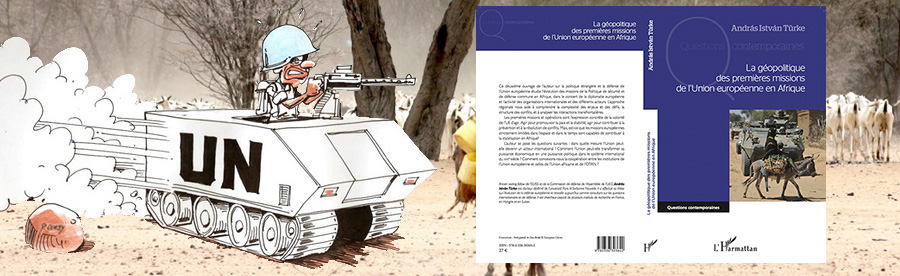
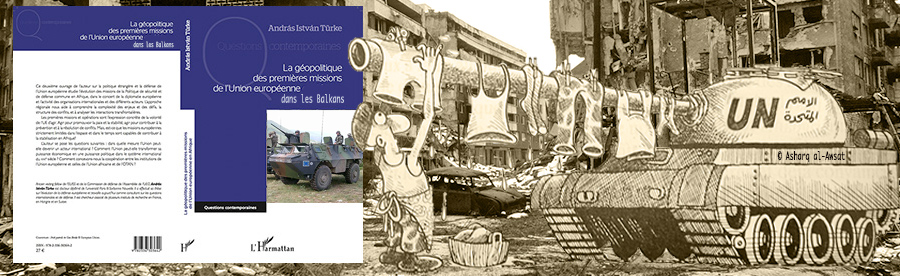
We are looking for sponsors for the English translation of these books, please contact turkeandras(at)gmail(dot)com