
You are here
Feed aggregator
Entwurf der Tagesordnung - Dienstag, 14. Juli 2026 - PE790.870v02-00 - Ausschuss für Sicherheit und Verteidigung
Quelle : © Europäische Union, 2026 - EP
Does India’s Women’s Reservation Bill Shortchange Women Yet Again?
Ranjana Kumari, activist.
By Kumkum Chadha
NEW DELHI, Jul 13 2026 (IPS)
To say that the men scored over women yet again would be an understatement. To say that the women lost and men have won would be an oversimplification and to say that political manoeuvring, intrigue and deceit outdid half of India’s population would be stating the obvious.
So, what is the story? Or the plot with its twists and turns? Or the game that women lost even before they started playing?
Rewind to three decades when the women of India woke up to what today is branded as political empowerment.
In this context the one name that stands out is that of Parliamentarian Geeta Mukherjee, who chaired the Joint Parliamentary Committee to examine a Bill seeking reservation of seats for women in Parliament and state legislatures: 33 percent to be precise.
It was in 1996 that a legislation for this was tabled in the Lower House of the Indian Parliament
We are into 2026, and the women of India are still fighting for legitimacy in political power, relentlessly demanding what is their due.
The Women’s Reservation Bill has been tabled in Parliament several times – five times, to be precise.
Its history and the twists and turns that come with it are telling. Add to the mix the interesting questions that its tumultuous journey has thrown up. But more importantly, what has this unfulfilled dream done to the dignity of women of the world’s largest democracy? Simply put, it has left them hanging, staring in the dark with a ‘will it? will it not?’ question. As things have panned out, the future holds little hope.
Rewind to the Constituent Assembly that adopted the Constitution of India in 1949. Of its 389 members, only 15 were women. There were questions even then, but they were different.
If a woman member feared that reservation would mean restriction and, hence, exclusion of women from general seats, another member asked quite pointedly: “Were women not led by the heart, and was politics not a matter of the mind? Even as the heart versus the head debate dogged minds, the issue remained unresolved.
Some fifty years later, in 1996 to be exact, it was Sushma Swaraj, then a Parliament Member and later India’s foreign minister, who resurrected the issue. She told Parliament that only 6.5 of the 543 members in the Lower House of Parliament were women. Without saying it in so many words, she indicated that the situation was dismal and the future bleak.
Swaraj’s words were prophetic. The future was indeed bleak because three decades on, the women continue to fight for what should rightfully be theirs.
When the Bill was introduced in Parliament in 1996 and later in 1998 and 1999, the men kind of ganged up to ensure that a smooth passage was thwarted. On all three occasions, the Bill lapsed upon the dissolution of the Lower House in Parliament.
However, in 2008 another route was adopted and this time around it was introduced in the Upper House of Parliament.
This obviated the possibility of a lapse given that the Indian Parliament is structured in such a way that the Lower House has a fixed five-year term while the Upper House is a permanent chamber which is not subject to dissolution. Unlike the Lower House of Parliament, Bills tabled in the Upper House do not lapse.
That notwithstanding, the smooth passage of the Bill in the Lower House still remains a question mark, and that too a big one, staring at women in the face.
All through this rigmarole what stood out and continues to is the contempt and disregard men have for women in this part of the world. And these are no ordinary men but those who have been elected to work for the welfare of the people, men and women alike. Therefore, when they speak of women in disparaging terms, one stops to ask: have we actually progressed or do we continue to be a regressive and male-dominated society – one where men outside and fathers, brothers and husbands at home continue to call the shots?
Even as the answer is obvious, one’s soul may cringe at the manner in which lawmakers inside Parliament have targeted women during the several debates on reserving 33 percent of seats in Parliament and state legislatures.
Sample this: During a 1997 parliamentary debate, two leaders, both from the backward castes, opposed reservation even as they demanded what was termed a “quota within quota” for women. Decode this and it means that within the 33 percent reservation ensure a certain representation for the other backward castes, Dalits and Muslim women.
In the Indian context, the untouchables are called Dalits, while the Other Backward Castes, or OBCs as they are popularly known, represent the marginalised. The Muslims comprise the minorities in India.
But back to the debate in Parliament when these two leaders spearheaded the anti-reservation campaign under the garb of protection for women from the marginalised and backward castes.
They use “choicest phrases”, if one can use the term, to denigrate women segregating the elite and educated from the rural and the unversed.
Calling them par-kati mahilayen, roughly translated as ‘short-haired and elite’, a former Union Minister, Sharad Yadav, from the state of Bihar, threatened to consume poison if a Bill was passed without proper caste representation. His take: women who are privileged, urban and elite do not understand the struggle of their counterparts living in far-flung rural areas.
To quote him: “Like Socrates, who died consuming poison fighting for principles, I am also willing to die fighting for principles.” Given the male mind-set, such a statement may well be interpreted as if it is women’s reservation, and it will be “over my dead body”.
A former Chief Minister, Mulayam Singh Yadav, from the state of Uttar Pradesh, had another fear. Way back in 2010 he had told his constituents: “The kind of women who will enter Parliament… The wives and daughters of officers and businessmen, who invite whistles from boys…” He also said that rural women would be left out because they are “not that attractive”.
Another leader, a former Union Minister and Chief Minister, Lalu Prasad Yadav from the state of Bihar, said that India being a “male-dominated society”, to use his exact words, women vote according to the political diktat of the family. In other words, they are incapable of thinking and choosing independently and are a rubber stamp of their husbands: “My own wife votes according to my diktat,” the former Chief Minister had then said.
In later years, Yadav anointed his wife to succeed him when he was jailed in a fodder scam.
For the record, Lalu Prasad Yadav, who has served as Chief Minister of India’s populous state of Bihar and also as Union Minister, was convicted in a fodder scam and charged with syphoning off huge amounts from the animal husbandry department. This followed his resignation. Not the one to cede political space to anyone outside the family, Yadav named his wife, Rabri Devi, as his successor. That Devi was uneducated and could not even sign her name did not matter considering she was her husband’s proxy.
The first woman to head the state of Bihar, Devi ruled the state not once but three times over.
That notwithstanding, it is true that in India men dictate where and how their wives, mothers and sisters, or rather all the women in the family, should vote. This is one of the reasons why En bloc voting is a rule rather than an exception among women in rural areas.
However, by 2023 the power of the women’s vote dawned on political parties, particularly under Prime Minister Narendra Modi, who has launched several welfare schemes for women while heading the Government in India.
Unwilling to lose the momentum of emerging as a votary for women’s rights, the Modi Government brought in the Reservation Bill, which was passed in the Lower House of the Indian Parliament, both grudgingly and willingly.
With this, history took a half-turn: a half-turn because even while the Bill mandated a 33 per cent reservation, it was tied to a distant future, namely the upcoming census and subsequent redrawing of electoral constituencies or delimitation as it is better known and understood.
Ostensibly, it was a step forward, but in reality, it was an idea stuck in time. Linking reservation to the Census and delimitation that would follow was talking of a distant future because there is neither clarity on when the Census will take place nor a clear date, rather year, when the delimitation will take effect. Hence, the passing of the Bill remains a cosmetic measure and one on paper.
The truth of the matter is that men are reluctant to cede political space to women. Yet for any political party to oppose a reform like political empowerment for women is clearly counter-productive. No party can be seen as being a roadblock to women’s progress and risk being perceived as anti-women.
Therefore, while each party professes support for the issue and the cause, the real story is that they do not want to see reservation being a reality. The answer is simple: if 33 percent reservation for women becomes a law, then it is the men who will have to give up their seats to make way for women. In a patriarchal society like India, this seems like a pipe dream.
Having said that, it is ironic that every political party has committed to providing reservation in their political manifestos but no party has budged an inch to work towards this welfare measure. If anything, they have consistently worked against the Bill becoming a reality.
Fast forward to 2026 when the Government brought in the Women Reservation Bill in Parliament yet again through a special session of Parliament. But, this time around, the motive was suspect. The move was sudden and came at a time when the state elections were underway. Therefore, there was more politics than good intent that was attributed to what the Government wanted to showcase as women’s welfare.
What made it worse was that the Government tagged another bill with the women’s reservation bill: delimitation.
For the uninitiated, delimitation is the process of redrawing the boundaries of electoral constituencies. By this principle, seats for Parliament and states would be reallocated on the basis of the latest census, which is yet incomplete.
The Government’s bid to club delimitation with the reservation bill was decried. Opposition parties slammed the Government for making women a scapegoat and “using women” for a political end.
To quote an Opposition MP, Mahua Moitra, the Government’s move was “delimitation wrapped in a saree”. What she meant was that the Government is firing from the shoulders of women to push through legislation which otherwise would be opposed tooth and nail.
It is pertinent to mention that the opposition-ruled states are against delimitation, as it erodes the political power of those states that have fewer numbers in terms of population. With the voting numbers stacked against the Government, the Delimitation Bill would have hit a roadblock in Parliament. Hence, the Government linked the two Bills. The logic: delimitation would ride piggyback on the Women’s Reservation Bill. The women’s vote being very important in elections, no party would like to be seen as opposing women’s reservation.
However, the Government’s calculations went haywire and the Opposition unitedly voted against the Bill. The result: What seemed achievable fell through.
As an opposition member of Parliament, Sushmita Dev explained, “We are not against women’s reservation. But what is a betrayal is the Government riding on the shoulders of women to push delimitation. Why link delimitation with women’s reservation? Why bring in politics? Why push an agenda? Why not given women the dignity they deserve?” is what she asks.
Politics apart, women who have been fighting for women’s empowerment for decades see this slugfest between the Government and the Opposition as “a lost opportunity”. To quote activist Ranjana Kumari, Founder of the Centre for Social Research: “The defeat of the Women Bill in Parliament compels deeper reflection on the state of India’s democracy. There is a gap between intent and action. The political parties must take responsibility and move beyond tokenism. Globally, gender quotas have demonstrated that change is possible when backed by political commitment and clear design. India stands at a similar crossroads.”
Kumari has been in the forefront of the women’s reservation movement in India.
It is at this juncture that one needs to stop and ask: For how long will the women of India keep knocking doors? For how long will political parties and politicians continue making them scapegoats to achieve their political goals? Why is their due being denied to them time and again? Why do they continue to be victims at the hands of men who are politically powerful?
Why does politics get the better of women? Why is their future being linked to complicated legislative processes? Why are they being subjected to political juggernauts?
Too many questions but one straight and simple answer: The men of India, as in many other parts of the world, want women to continue being subservient and remain second class in a world where half the sky is theirs.
IPS UN Bureau Report
Follow @IPSNewsUNBureau
!function(d,s,id){var js,fjs=d.getElementsByTagName(s)[0],p=/^http:/.test(d.location)?'http':'https';if(!d.getElementById(id)){js=d.createElement(s);js.id=id;js.src=p+'://platform.twitter.com/widgets.js';fjs.parentNode.insertBefore(js,fjs);}}(document, 'script', 'twitter-wjs');
Die Kapitalrente braucht strenge Anlageregeln
Die Rentenkommission will einen zusätzlichen Beitragssatz von zwei Prozent auf den internationalen Kapitalmärkten investieren. Doch der Bericht schließt klimaschädliche Investitionen nicht grundsätzlich aus. Sollte er aber, denn das erklärte Ziel ist doch, die Lebensgrundlage künftiger Rentnerinnen und Rentner zu verbessern. Ein Gastbeitrag von Sören Hilbrich.
Categories: Afrique, Diplomacy & Defense Think Tank News
Die Kapitalrente braucht strenge Anlageregeln
Die Rentenkommission will einen zusätzlichen Beitragssatz von zwei Prozent auf den internationalen Kapitalmärkten investieren. Doch der Bericht schließt klimaschädliche Investitionen nicht grundsätzlich aus. Sollte er aber, denn das erklärte Ziel ist doch, die Lebensgrundlage künftiger Rentnerinnen und Rentner zu verbessern. Ein Gastbeitrag von Sören Hilbrich.
Wer bezahlt die Reformen – und wer profitiert von ihnen?
Die Reformen der Bundesregierung zementieren den Status quo und schwächen das Vertrauen in die Demokratie. Denn sie behandeln verletzliche Gruppen als Sündenböcke., Das jüngst vorgestellte Reformpaket der Bundesregierung enthält manche richtige Elemente. Der Gesamteindruck ist aber schief: Denn die Reformen machen im Großen und Ganzen verletzliche Gruppen zu den Sündenböcken.
Die große Schwäche dieser Reformen liegt darin, dass sie den Status quo weitgehend ...
Categories: Afrique, Diplomacy & Defense Think Tank News
La ministre Awaou Baco mise sur la dynamique de la GDIZ
La ministre des Petites et Moyennes Entreprises et de la Promotion de l'emploi, Awaou Baco, a rencontré lors d'une visite à la Zone industrielle de Glo-Djigbé (GDIZ), les responsables de la Société d'investissement et de promotion de l'industrie (SIPI-Bénin), structure en charge de l'exploitation et du développement de la zone économique spéciale. Cette rencontre vise à évaluer les mécanismes mis en place pour faciliter l'insertion professionnelle des jeunes Béninois sur la plateforme industrielle.
Afin de préparer une main-d'œuvre qualifiée, capable de répondre aux exigences des investisseurs opérant à la GDIZ, et d'offrir de réelles perspectives d'emploi aux jeunes Béninois, Awaou Baco, ministre des Petites et Moyennes Entreprises et de la Promotion de l'emploi y a effectué une visite.
Au cours des échanges, la ministre et les responsables de la SIPI-Bénin ont examiné les pistes de renforcement de la coopération entre les structures de formation professionnelle, les services publics de l'emploi et les entreprises implantées sur le site. Une synergie jugée essentielle pour améliorer l'adéquation entre les compétences disponibles et les besoins du marché.
Sur le terrain, la délégation ministérielle a pu constater le fonctionnement concret de ce dispositif. Les jeunes bénéficient d'une formation directe au sein des unités de production. Ce qui leur permet d'acquérir les compétences requises pour les métiers industriels avant leur déploiement progressif dans les unités de transformation.
La GDIZ, un écosystème au service des compétences
Au-delà de son ambition industrielle, la GDIZ mise sur le développement du capital humain. La plateforme a mis en place un écosystème qui favorise la montée en compétences de la main-d'œuvre locale en rapprochant les besoins des investisseurs des profils disponibles sur le marché de l'emploi.

Cette approche permet aux entreprises de disposer d'un vivier de travailleurs qualifiés, tandis que les jeunes accèdent à des formations professionnalisantes, acquièrent une expérience pratique et renforcent durablement leur employabilité.
Créée pour accélérer la transformation locale des matières premières et renforcer le tissu industriel national, la GDIZ accueille aujourd'hui plusieurs unités spécialisées dans le textile, l'habillement, l'agro-industrie, la transformation du bois, et la fabrication de produits manufacturés.
L'industrialisation, levier de création d'emplois
La visite de la ministre intervient dans un contexte marqué par la montée en puissance de la politique industrielle du gouvernement béninois. Véritable pilier de cette stratégie, la GDIZ contribue à la transformation locale des ressources, à l'attractivité des investissements et à la création de milliers d'emplois.
Le cadre juridique des zones économiques spéciales favorise l'installation d'entreprises grâce à un environnement compétitif et attractif. Parallèlement, les autorités renforcent les passerelles entre la formation professionnelle et le secteur productif afin d'améliorer durablement l'employabilité des jeunes.
À l'issue de cette visite, le ministère des Petites et Moyennes Entreprises et de la Promotion de l'emploi et les responsables de la GDIZ ont réaffirmé leur volonté de poursuivre leur collaboration afin de consolider les mécanismes reliant emploi, formation et industrie pour offrir davantage d'opportunités aux jeunes et soutenir le développement du secteur industriel béninois.

F. A. A.
Categories: Afrique, Swiss News
MEXICO: ‘Our Call for Justice for Our Missing Loved Ones Must Reach the World Just as World Cup Goals Do’
By CIVICUS
Jul 13 2026 (IPS)
CIVICUS speaks about efforts to use the 2026 FIFA World Cup to highlight Mexico’s enforced disappearance crisis with Ana Enamorado, a Honduran national who continues to search for her missing son in Mexico, and founder of the Regional Network of Migrant Families.
Ana Enamorado
Enforced disappearances in Mexico hit migrant families particularly hard, as their precarious immigration status compounds the lack of state support. Families and search groups are taking advantage of the fact that international attention is currently focused on the World Cup being played in Mexico to raise awareness of this crisis and demand that the Mexican government search for and find the disappeared.How did your son Óscar go missing, and what’s known about his case?
My son Óscar was 19 when he went missing. He left Honduras in 2008, fleeing the violence, and was in the USA when some young men invited him to Mexico with the promise of a job, a good wage, an education and the chance to see me again. It was all a deception.
Those were the years of the war on drugs that President Felipe Calderón declared in 2006, when the cartels began forcibly recruiting young people to join their ranks. Óscar was taken to El Carrizo, in the municipality of San Sebastián del Oeste, Jalisco state. It’s an isolated place with no public transport and severe deprivation, which makes it very difficult to escape. I last spoke to him on 19 January 2010, and I haven’t heard his voice since.
Little is known about his case, and the little that’s known is marred by negligence. In December 2009, weeks before his last call, charred bodies were found in the same place, but the investigation led nowhere. In 2013, forensic authorities in Jalisco attempted to hand over some ashes to me without any DNA evidence to confirm they were my son’s. The forensic institute went so far as to cremate around 1,560 unidentified bodies in less than a decade, a practice that has left so many families with no way of knowing the truth.
The Mexican state only began searching for Óscar in 2020, 10 years after I reported him missing. To this day, I am still searching for him and demanding justice.
What obstacles do migrant families face when searching for missing loved ones?
A major obstacle is the indifference of the authorities in the country of origin, which in my case is Honduras. We families are left on our own, with no one to guide us. The consulate should be the first authority to assist us, and it should do so quickly, because the first few hours are crucial for finding a person alive. But it rarely does so. As a result, filing a missing person report and a formal complaint becomes almost impossible. And without that, it’s not possible to open an investigation file or access our rights.
Added to this is my immigration status. Although I have been living in Mexico for 14 years, I am still considered a ‘visitor on humanitarian grounds’ and, to retain this status, I have to prove every year that my son is still missing. Having to prove my tragedy time and time again just to be able to stay revictimises me. That’s why I initiated legal proceedings against the National Institute of Migration to change my status to that of a permanent resident. However, it continues to reject my application, leaving me in a precarious situation when it comes to accessing my basic rights.
Why did you decide to protest during the World Cup?
We took to the streets of the host cities to show the other side of Mexico: the corruption, violence, impunity and the state’s indifference towards the thousands of missing people. Although the Mexican state may wish to project an image of celebration and modernity through the World Cup, there can be no World Cup celebrations against the backdrop of the humanitarian crisis caused by disappearances.
In Mexico, there are over 135,000 missing people. To put this into perspective, that number is one and a half times the capacity of the Azteca Stadium, where several matches in this World Cup have been played, including the opening match. Added to this is a forensic crisis. There are over 75,000 unidentified bodies. That is 75,000 people who did not return home and whose families continue inquiring about their whereabouts.
And the number keeps rising. We estimate that, since the World Cup began on 11 June, over 1,200 further people have gone missing. On 30 June, three teenagers aged 14 and 15 disappeared in Guadalajara, one of the host cities, in broad daylight amid streets full of celebrating crowds. The authorities believe it may have been a case of recruitment by organised crime. This practice continues unabated, and the government shows no sign of wanting to stop it or of searching for the missing people, particularly when they are migrants.
How has the Mexican government responded to the protests?
The state is uncomfortable with us taking to the streets to protest because every time we do, we expose the harsh and painful reality it wants to hide. That’s why, instead of listening to us and searching for our loved ones, it has responded with criminalisation, mockery and repression.
At her morning press conference on the day of the World Cup opening ceremony, President Claudia Sheinbaum played down our demonstration, and the Secretary of the Interior insinuated that someone was paying us to take to the streets, announcing an investigation into how we are funded. It’s an accusation that’s as painful as it’s outrageous. We have always searched for our loved ones using our own resources.
Then came the repression. Riot police cordoned us off and encircled us to prevent us from reaching the stadiums. On 30 June, on Calzada de Tlalpan, one of Mexico City’s main avenues, they assaulted and detained members of the ‘Hasta Encontrarte’ (Until we find you) collective simply for carrying images bearing the faces of their loved ones. Physical violence adds to the emotional and psychological trauma we already bear. Meanwhile, federal and state forces were deployed to ensure the safety of tourists, an effort they have never made to search for our loved ones.
What are you demanding of the government and international bodies?
We demand, first and foremost, that the Mexican state make the search for missing people a real priority. We call on President Sheinbaum to meet with the families and collectives in person to reach genuine agreements on search, location and prevention. We want to know how many people have been found alive, to have proper investigations carried out and to have trained and empathetic staff who can provide us with real answers.
But this crisis extends beyond Mexico’s borders, and the response must do the same. The United Nations Committee on Enforced Disappearances and the Inter-American Commission on Human Rights have offered their assistance. We call on the government to accept it. Such cooperation is urgent, because there are tens of thousands of people of other nationalities who have gone missing in Mexico, and searching for them requires the activation of international mechanisms. Many are women who have been trafficked, and most are taken out of the country, so finding them depends on governments working together.
Finally, we call on the international community to not turn a blind eye to what’s happening, and on the media to help us amplify our demands, so our voices reach the world just as World Cup goals do.
We won’t rest until we find them. They were taken alive, and we want them back alive.
CIVICUS interviews a wide range of civil society activists, experts and leaders to gather diverse perspectives on civil society action and current issues for publication on its CIVICUS Lens platform. The views expressed in interviews are the interviewees’ and do not necessarily reflect those of CIVICUS. Publication does not imply endorsement of interviewees or the organisations they represent.
GET IN TOUCH
Facebook
SEE ALSO
Solidarity World Cup CIVICUS
Mexico: ‘The World Cup is an opportunity to raise global awareness of the crisis of enforced disappearances’ CIVICUS Lens | Interview with Angélica Orozco 28.Jun.2026
The disappeared: Mexico’s industrial-scale human rights crisis CIVICUS Lens 22.Apr.2025
Follow @IPSNewsUNBureau
!function(d,s,id){var js,fjs=d.getElementsByTagName(s)[0],p=/^http:/.test(d.location)?'http':'https';if(!d.getElementById(id)){js=d.createElement(s);js.id=id;js.src=p+'://platform.twitter.com/widgets.js';fjs.parentNode.insertBefore(js,fjs);}}(document, 'script', 'twitter-wjs');
The Next UN Secretary-General Must Break Not Only the Glass Ceiling, but Also the Culture of Patronage
Security Council. Credit: UN Photo/Manuel Elías
By Shihana Mohamed
NEW YORK, Jul 13 2026 (IPS)
As the United Nations (UN) Security Council prepares for its first round of closed-door straw polls this month to select the tenth Secretary-General, the organization stands at a critical crossroads. Multilateralism is fracturing under geopolitical gridlock, and the UN is battling a severe budgetary deficit driven by funding cuts.
Yet the gravest threat to the institution is not financial; it is cultural. To regain the trust of the global public, the UN urgently needs a radical transformation of its organizational culture, beginning with the selection of candidates for its highest office—the post of UN Secretary-General. This requires dismantling entrenched nepotism, cronyism, patronage, and quid pro quo practices in recruitment, promotion and appointment, and replacing them with a culture grounded in merit, integrity, transparency, and gender equity.
Patronage Becomes Institutional Norm
The history of the Secretary-Generalship and senior leadership is marked by allegations and documented cases of favouritism that have undermined the UN’s professed values of merit and equity. During the tenure of former Secretary-General Ban Ki-moon, concerns were raised about the employment of his son-in-law within the UN system, prompting debate over perceived favouritism, though the appointment was defended on merit grounds. Under Kofi Annan, the Oil-for-Food Programme scandal exposed widespread corruption, bribery, and serious administrative failures.
Such controversies are not confined to the highest levels of leadership. Allegations of politicized staffing and patronage have periodically surfaced across the UN system, highlighting a persistent gap between the organization’s principles and internal realities.
What begins as an exception at the executive level can become embedded practice throughout UN agencies and departments. Mid-level managers often replicate these patterns by shaping job descriptions, tailoring interview panels, sharing interview materials, and influencing or “fixing” vacancies for preferred candidates. In such an environment, backdoor recruitment risks becoming normalized rather than exceptional.
The result is a damaging paradox: while the UN publicly champions fairness, equal opportunity, and transparency, its internal systems often operate through favoritism, personal connections, and exclusion. Talented staff without access to influential networks face limited advancement, while better-connected but less qualified individuals may benefit from patronage, eroding institutional credibility, staff morale, and public trust.
The 2026 Secretary-General Race Under Scrutiny
Even in the current selection process for the next Secretary-General, concerns about institutional fairness persist. Accountability investigations by independent watchdog groups have raised questions about the presence of family members of candidate Rafael Grossi, Director General of the IAEA, across Vienna- and Rome-based UN agencies. By contrast, candidates such as Michelle Bachelet, Rebeca Grynspan, and María Fernanda Espinosa bring extensive records in multilateral governance and international leadership, with no publicly substantiated findings of comparable family-based appointments during their UN service.
Concerns have also emerged regarding unequal institutional advantages during the selection process. Rebeca Grynspan stepped aside from her role as Secretary-General of UNCTAD in line with General Assembly Resolution 79/327, which encourages candidates holding UN positions to suspend their duties during campaigns to avoid conflicts of interest and undue advantage. Rafael Grossi has remained in office as Director General of the IAEA while pursuing his candidacy.
Critics argue that continued access to institutional visibility and resources may create an incumbency advantage. Whether or not this violates formal rules, it raises broader concerns about fairness and structural imbalance in leadership selection.
The UN’s Persistent Gender Gap
Beyond nepotism and back-door recruitment, the most glaring failure of this selection cycle is the UN’s inability to break its own highest glass ceiling. In over 80 years and nine Secretary-Generals, the organization has never been led by a woman. This persists despite years of relentless, highly coordinated global campaigns by civil society groups, advocates, and the 1 for 8 Billion coalition calling for gender-balanced leadership.
Despite decades of calls for historical justice and General Assembly Resolution 79/327—which notes with regret that no woman has ever held the position of Secretary-General and urges Member States to strongly consider nominating women, two men—Rafael Grossi and Macky Sall—were still nominated to such a narrow and exclusive candidate pool. At a time when women are leading nations and global institutions through major crises, this outcome highlights a gap between the commitments of Member States and their practice. It risks reinforcing the very inequalities the United Nations has pledged to address.
Reform in the UN Cannot Wait
The next Secretary-General must treat institutional integrity as a priority long before taking office—indeed, even before announcing a candidacy. Member States must translate long-standing reform commitments into enforceable mandates. These reforms can no longer remain aspirational; they must become immediate requirements shaping how the UN governs, recruits, and leads.
- • Prioritizing a Female Leader to Break the Status Quo: Member States—and especially the five permanent Security Council members with veto power—must recognize that meaningful reform requires breaking entrenched networks of power and patronage. Electing the first female Secretary General in 2026 would signal a decisive shift toward aligning leadership with the principles of equality the UN promotes globally.
• Mandatory Campaign Step-Aside Rules: Any active UN official seeking the post of Secretary General should be required to suspend all institutional duties upon declaring candidacy. This would eliminate even the perception of using institutional platforms, influence, or resources for campaigning.
• Ban on Family Appointments: The UN system should adopt a strict policy prohibiting the hiring, consulting, or internship of immediate family members of any Assistant Secretary-General, Under-Secretary-General, agency chief, and Secretary-General candidate. The international civil service must never be treated as a family business.
• Preventing Post-Fixing and Backdoor Recruitment: The Secretary-General’s Office should be empowered to independently review recruitment and selection decisions across the UN system and investigate credible evidence of favoritism, cronyism, or reciprocal patronage. All appointments must follow transparent, merit-based procedures that withstand internal and public scrutiny.
Restoring Institutional Credibility
The world does not need a Secretary-General who merely manages bureaucracy; it needs one who restores moral authority to a fractured international order.
If the next Secretary-General is selected through informal bargaining, backroom deals, entrenched patronage, or continued exclusion of women, the UN risks deepening its legitimacy crisis and accelerating its decline in global relevance.
The UN must first reform itself: break the highest glass ceiling in its history, dismantle entrenched systems of patronage, open its selection process to genuine transparency and scrutiny, and ensure that its leadership reflects the principles and values enshrined in the UN Charter.
The transformation must begin now, starting with this month’s straw polls in the UN Security Council for the Secretary-General selection.
Shihana Mohamed, a Sri Lankan national, is the President of Asia Global Network (www.AsiaGlobalForum.org) and a US Public Voices Fellow on advancing the rights of women and girls. She is the founder of the UN Asia Network for Diversity & Inclusion (www.UN-ANDI.org) and is a strong advocate for gender equality and the advancement of women. She served at the UN for over 25 years.
IPS UN Bureau
Follow @IPSNewsUNBureau
!function(d,s,id){var js,fjs=d.getElementsByTagName(s)[0],p=/^http:/.test(d.location)?'http':'https';if(!d.getElementById(id)){js=d.createElement(s);js.id=id;js.src=p+'://platform.twitter.com/widgets.js';fjs.parentNode.insertBefore(js,fjs);}}(document, 'script', 'twitter-wjs');
Lorsque Mablé Agbodan fait parler les fibres, les mémoires et les patrimoines
Présentée du 3 au 14 juillet 2026 à L'Orangerie du Sénat, dans le cadre prestigieux du Jardin du Luxembourg à Paris, l'exposition La Matière en Dialogue de Mablé Agbodan dépasse largement les codes d'une exposition de design textile ou d'art contemporain. Elle propose une réflexion sensible et profondément engagée sur la manière dont les matériaux deviennent les dépositaires de la mémoire, de l'identité et de la transmission. À travers une scénographie où les fibres naturelles, les textiles anciens et les matières revalorisées dialoguent entre eux, l'artiste construit un véritable manifeste en faveur des patrimoines vivants africains.
« La matière n'est jamais silencieuse. » Cette affirmation de Mablé Agbodan résume à elle seule la philosophie de La Matière en Dialogue. À travers cette exposition, la designer, directrice artistique et fondatrice de la Maison Mablé Agbodan propose une lecture inédite de la création contemporaine, où les matériaux cessent d'être de simples supports pour devenir des porteurs de mémoire, d'identité et de transmission. Le titre de l'exposition n'a rien d'anodin. Pour l'artiste, chaque fibre, chaque texture et chaque trace « porte une mémoire, un territoire, un savoir-faire et une histoire humaine ». Dès lors, la matière devient un langage à part entière, capable d'établir des passerelles entre les cultures, les générations et les disciplines artistiques. Cette approche confère à l'exposition une profondeur qui dépasse largement la dimension esthétique.

Faire dialoguer les matières, les cultures et les regards
Pour Mablé Agbodan, le dialogue est multiple. Il s'établit d'abord entre les matériaux eux-mêmes. « Le coton, le raphia, la toile de jute, le cuir recyclé ou les fibres végétales possèdent chacun une identité propre qui se révèle lorsqu'ils sont associés », explique-t-elle.
Loin de rechercher un simple effet décoratif, l'artiste orchestre une véritable conversation entre ces matières. Chaque matériau conserve son identité tout en enrichissant celle des autres. Les œuvres deviennent ainsi des espaces où se rencontrent différentes histoires, différents territoires et différentes temporalités. Mais ce dialogue est aussi celui qui relie les savoir-faire anciens à la création contemporaine. « Je ne cherche pas à reproduire le passé, mais à lui offrir un langage actuel », affirme-t-elle. Cette volonté distingue profondément son travail. Il ne s'agit ni de folkloriser les traditions africaines ni de les figer dans une vision patrimoniale immobile. Les héritages deviennent ici des ressources vivantes qui nourrissent une création tournée vers l'avenir.

Des matériaux porteurs d'une mémoire vivante
Dans l'univers de Mablé Agbodan, les matières ne sont jamais choisies au hasard. Elles sont sélectionnées autant avec les mains qu'avec la mémoire. « Le raphia, la toile de jute, le coton ou le cuir recyclé racontent des territoires, des gestes, le travail des artisans, mais aussi la résilience et la transformation », souligne-t-elle. Cette approche confère une dimension presque documentaire à ses œuvres, à ses créations. Chaque fibre transporte avec elle une histoire déjà écrite avant même d'intégrer le processus créatif. L'artiste ne cherche pas à masquer cette histoire ; elle s'attache au contraire à la révéler. « Chaque matière conserve la mémoire de ce qu'elle a été. Mon travail consiste à révéler cette mémoire plutôt qu'à l'effacer », insiste-t-elle. Cette assertion éclaire toute la démarche de l'exposition. Les créations deviennent de véritables archives vivantes où les patrimoines textiles africains continuent de raconter les sociétés qui les ont vus naître.
Quand la matière devient le récit
L'une des idées les plus fortes développées par Mablé Agbodan est que la matière ne sert pas simplement à raconter une histoire : elle est l'histoire elle-même. « Ils sont le récit », répond-elle lorsqu'on l'interroge sur le rôle des matériaux. En utilisant des fibres tissées selon des techniques anciennes retrouvées au Niger ou des textiles issus de pratiques artisanales africaines, elle fait voyager bien plus que des objets. Ce sont des savoir-faire, des gestes, des mémoires collectives et des générations d'artisans qui traversent chacune de ses créations. Chaque création apparaît alors comme un espace où le patrimoine cesse d'être un objet de musée pour devenir une expérience sensible, actuelle et profondément humaine.
Une invitation à penser autrement le patrimoine
L'exposition ne se contente pas d'offrir une expérience visuelle. Elle interpelle. À travers ses créations, Mablé Agbodan invite le visiteur à s'interroger : Que devient une mémoire lorsqu'on cesse de la transmettre ? Comment préserver les savoir-faire sans les figer ? Comment créer aujourd'hui en respectant les ressources de demain ? Ces questionnements traversent discrètement l'ensemble du parcours. Ils donnent à l'exposition une portée culturelle, écologique et philosophique qui dépasse largement le champ du design textile. « Mon travail parle de mémoire, d'identité, de transmission, mais aussi de réparation et d'avenir », résume-t-elle. Cette réflexion rejoint les grands débats contemporains sur la sauvegarde des patrimoines vivants, l'économie circulaire et la création durable.

Une œuvre nourrie par la recherche
Si les créations de Mablé Agbodan possèdent une telle densité, c'est aussi parce qu'elles s'appuient sur plus de vingt années de recherches consacrées aux patrimoines textiles africains. Née au Togo, l'artiste a parcouru plusieurs pays du continent pour rencontrer des artisans, documenter leurs techniques et parfois retrouver des savoir-faire en voie de disparition. « Cette exposition réunit la créatrice, la chercheuse, la femme engagée et l'entrepreneure que je suis », explique-t-elle. Cette pluralité d'expériences confère à son travail une dimension singulière où la recherche nourrit la création, et où la création devient à son tour un outil de transmission.
Une autre manière de créer
Au-delà de la qualité esthétique des œuvres présentées, La Matière en Dialogue défend une véritable éthique de la création. L'artiste revendique une pratique plus lente, plus attentive aux ressources naturelles, aux territoires et aux femmes et aux hommes qui perpétuent ces savoir-faire. Son travail démontre qu'il est possible de produire une création contemporaine ambitieuse sans rompre avec les héritages culturels ni avec les exigences du développement durable. Cette démarche confère à son œuvre une portée qui dépasse le seul univers artistique pour rejoindre les préoccupations sociales et environnementales actuelles.

Une expérience qui transforme le regard
En quittant l'Orangerie du Sénat, le visiteur ne regarde plus un textile, une fibre végétale ou un morceau de cuir de la même manière. C'est précisément l'expérience que souhaite provoquer Mablé Agbodan. « J'aimerais que le visiteur reparte avec un regard renouvelé sur les patrimoines africains. Qu'il ne voie plus un textile, une fibre ou une matière comme un simple matériau, mais comme un patrimoine vivant. », dit-elle. Si cette transformation du regard s'opère, alors, selon ses propres mots, « le dialogue aura eu lieu ».
Une exposition nécessaire
À une époque où les questions de mémoire, de durabilité et de réappropriation des patrimoines occupent une place centrale dans les débats culturels, La Matière en Dialogue apparaît comme une proposition particulièrement pertinente. Sans discours démonstratif, Mablé Agbodan rappelle que les matières portent des histoires, que les savoir-faire sont des patrimoines vivants et que la création contemporaine peut devenir un puissant outil de transmission. Son exposition ne célèbre pas seulement la beauté des fibres ; elle invite à repenser notre rapport aux objets, aux héritages et au temps. Plus qu'un parcours artistique, La Matière en Dialogue est une invitation à écouter ce que les matières ont encore à nous apprendre sur nous-mêmes et sur le monde.
Cokou Romain AHLINVI
Categories: Afrique, Swiss News
L'éruption volcanique qui a produit le son le plus fort de l'histoire enregistrée
Un volcan indonésien est entré en éruption cette semaine, mais une autre éruption au même endroit en 1883 avait été bien plus destructrice.
Categories: Afrique, Swiss News
Senegal sack manager Thiaw in wake of World Cup exit
Senegal sack manager Pape Thiaw in the aftermath of the country's exit at the last-32 stage of the 2026 World Cup.
Categories: Africa, Swiss News
Teenage tennis star to play for Ghana in major event
16-year-old Gwen Klu will play for the West African country in the Billie Jean King Cup.
Categories: Africa, Swiss News
How men with female surnames are standing up to ridicule in Kenya
Children often inherit their father's first name as a surname, but traditions are changing and causing upset.
Categories: Africa, Swiss News
Air(Land)PowerNews 160. (2026 júl.)
Csak a szokásos. Dilemmák. Megfelelési kényszerek. Mozgástér. Szakértők. Műkedvelők. Dilettánsok. Kufárok. Jogászok. Bürokraták. Szolgák. Hazafiak.
Zord
Categories: Africa, Biztonságpolitika
A cseppfolyós hatalom: Vízpolitika, a kollektív szorongás evolúciója
A környezeti neveléstől a szekuritizációig: A vízdiskurzus szemantikai transzformációja
A huszadik század utolsó évtizedének globális környezetvédelmi diskurzusát egy sajátos, neoliberális alapú mikromoralizálás jellemezte. Az 1992-es riói Föld-csúcs és az Agenda 21 szellemiségében gyökerező pedagógiai és tömegkulturális minták a globális ökológiai kríziseket az egyéni életmód-döntések szintjére redukálták. Ezek a kilencvenes évek végén a gyermekeknek szóló rajzfilmekben, ismeretterjesztő műsorokban és iskolai kampányokban is manifesztálódtak. A legtöbb milleniál azon nőtt fel, hogy a Föld megmentése érdekében a fogmosás alatt el kell zárni a csapot, hiszen értékes vizet pazarolunk el. Az ilyen kampányok felhatalmazást adtak a gyermekeknek, hogy a korábbi generációk tagjainak figyelmét is felhívják az ilyen jellegű pazarlások elkerülésére. Ez a megközelítés a természeti erőforrások fizikáját és egyenlőtlen földrajzi eloszlását absztrakt etikai kategóriává transzformálta. A megközelítéssel csupán annyi probléma volt, hogy teljesen elfedte a makrogazdasági, ipari és geopolitikai struktúrák felelősségét.
Mára ez a naiv, individualizáló öko-narratíva végérvényesen kikopott. A XXI. század első negyedének végére a víz kérdésköre átesett a Koppenhágai Iskola elméletéből ismert szekuritizációs (biztonságiasítási) folyamaton. A környezeti erőforrás-menedzsment kikerült a jóléti és etikai szakpolitikák köréből, és inkább a nemzetbiztonsági, geopolitikai és katonai stratégiák immanens részévé vált szépen lassan. A modern hidropolitika elismeri, hogy a víz nem csupán a túlélés biológiai feltétele, hanem egy hatalmi eszköz, amely képes államok szuverenitását aláásni vagy éppen megerősíteni.
A vízdiplomácia elméleti és nómenklatúrai keretei
A nemzetközi kapcsolatok elméletében a vízpolitika és a vízdiplomácia fogalmai kulcsfontosságú diszciplináris keretet jelölnek ki. A vízdiplomácia olyan jogi és politikai intézkedések és tárgyalási folyamatok összessége, amelyek a határokon átnyúló vízkészletek allokációjából, infrastrukturális átalakításából vagy minőségromlásából adódó nemzetközi feszültségek megelőzésére, kezelésére és kooperatív feloldására irányulnak (Zeitoun & Warner, 2006). Zeitoun és Warner (2006) elméleti kerete rámutat, hogy a transzhatármenti vízgyűjtő területeken a földrajzilag felsővízi pozícióban lévő, katonailag és gazdaságilag domináns államok (például Törökország vagy Kína) képesek egyoldalúan diktálni a vízmegosztás feltételeit. Ezek az országok a diplomáciát pedig gyakran csupán a meglévő aszimmetrikus status quo legitimálására használják.
Hidropolitikai konfliktusgócok
A globális hidropolitikai feszültségek legintenzívebb törésvonalai a Közel-Keleten és Észak-Afrikában húzódnak. Itt a fizikai vízhiány közvetlenül kapcsolódik össze a történelmi, etnikai és geopolitikai konfliktusokkal.
Egyiptom és Etiópia egzisztenciális szembenállása abból ered, hogy Egyiptom történelmileg és geopolitikailag abszolút függőségben él a folyótól. Ez bizony nem is csoda, hiszen az ország édesvízkészletének 97%-át biztosítja. A történelmi szokásjogot az is nyomatékosította, hogy az 1929-es és az 1959-es nílusi vízügyi egyezmények a teljes vízhozam oroszlánrészét, amely mintegy évi 55,5 milliárd köbmétert jelentett, Egyiptom hatáskörébe vonták. Ez egyben vétójogot biztosított minden felsővízi beruházással szemben (Schmeier, 2013). Ez a geopolitikai status quo 2011-ben tört meg. Etiópia egyoldalúan megkezdte a Nagy Reneszánsz Gát építését, mondván a gát a nemzeti modernizáció és energiabiztonság záloga. A fejlesztés 74 milliárd köbméteres tározókapacitásával Afrika legnagyobb hidroenergetikai projektje lett. A probléma azonban nem csak a fejlődési kiugrási kísérlet miatt jelentkezik a két ország között, hanem Egyiptom mezőgazdaságát és energiatermelését is veszélyezteti. Amennyiben a tározó feltöltése aszályos időszakban túl gyorsan történik, az Egyiptom mezőgazdasági területeinek jelentős részét teheti tönkre. Emelltett a folyamat drasztikusan csökkentheti az Asszuáni-gát energiatermelését is. Az Afrikai Unió és az Egyesült Államok közvetítése ellenére a két ország közötti vízdiplomáciai tárgyalások zátonyra futottak. (Wheeler et al., 2020).
A törökországi Anatóliából eredő és Szírián, valamint Irakon átfolyó Tigris és Eufrátesz medencéjében Törökország abszolút hidrohegemón szerepet tölt be. Ankara az 1970-es évek óta szisztematikusan hajtja végre a Délkelet-Anatólia Projektet (GAP), amely 22 gát és 19 vízerőmű felépítését foglalja magában, köztük a monumentális Atatürk-gátat. Ennek közvetlen következményeként az Eufrátesz és a Tigris Irakba és Szíriába érkező vízhozama bizonyos időszakokban több mint 50-60%-kal csökkent (Kibaroglu & Gursoy, 2015). Hatásként megvizsgálhatjuk Szíria esetében a 2006–2011 közötti időszakban bekövetkezett katasztrofális belső aszályt, amely jelentősége volt a rurális lakosság tömeges urbánusodásához és nem utolsó sorban egy polgárháború destabilizációs ágyazatát eredményezte. Törökország a nemzetközi jogi bírálatokra válaszul mereven fenntartja azt a szuverenitási doktrínát, miszerint a területén eredő víz felett korlátlan rendelkezési joga van, elutasítva a folyók nemzetközi státuszát.
Hidrológiai stressz a jóléti zónában
A globális klímaváltozás hatásai megcáfolták azt a korábbi elképzelést, hogy a súlyos vízhiány csak a fejlődő országokat vagy a száraz éghajlatú területeket érinti. Ma már Nyugat-Európa fejlett gazdaságainak is szembe kell nézniük a vízkészletek szűkösségéből fakadó belső feszültségekkel.
Franciaországban a klímaváltozás hatásai a mezőgazdasági lobbi és az ökológiai mozgalmak közötti fizikai összecsapásokig eszkalálódtak. A konfliktus fókuszában az úgynevezett megamedencék (mégabassines) építése áll. Ezek olyan mesterséges, fóliázott kráterek, amelyek télen a talajvízből szivattyúzzák ki a vizet, hogy azt nyáron a nagyüzemi, intenzív kukoricatermesztők rendelkezésére bocsássák. A Sainte-Soline-ban végrehajtott projektek ellen tiltakozó öko-aktivisták és a francia csendőrség közötti erőszakos összecsapások rávilágítottak a francia vízpolitika mély strukturális válságára (Vergès, 2023).
Olaszországban a Pó folyó síksága szenved el rendszerszintű krízist. Az Alpok gleccsereinek csökkenő jégtömege és a téli hómennyiség drasztikus visszaesése miatt a Pó folyó hozama történelmi minimumokat ért el. Ennek következtében a folyó torkolatánál az Adriai-tenger sós vize több mint 30-40 kilométer mélyen nyomult be a szárazföldi mederbe, megsemmisítve a delta mezőgazdasági öntözőrendszereit és helyrehozhatatlan talajszikesedést okozva (European Environment Agency [EEA], 2024).
Az olasz és francia esettanulmányok strukturális tanulsága túlmutat a lokális krízisjelenségeken: rávilágítanak arra, hogy a fejlett nyugat-európai jóléti államok sem mentesek a belső hidropolitikai törésvonalaktól. Európa magterületein a vízpolitika már nem a nemzetközi jogi egyezmények absztrakt diplomáciai nyelve. Kőkemény belső társadalmi-gazdasági alrendszerek közötti zéró összegű játszma ez. A francia megamedencék körüli fizikai összecsapások az erőforrások feletti ellenőrzés osztályalapú és ökológiai konfliktusát jelzik. Az észak-olaszországi mezőgazdasági krízis a természetes megújulási kapacitások végességét bizonyítja egy olyan régióban, amely korábban a bőség illúziójára építette gazdasági modelljét. A megmutatkozó repedéseket célszerű párhuzamba állítanunk a harmadikvilágbeliekkel, mintegy felkészülve az évszázad végére az európai hatalmi elitet és a lakosságot.
Technológiai válaszreakciók
A fizikai vízhiány leküzdésére a világ vezető hidropolitikai szereplői nem csupán diplomáciai, hanem radikális mérnöki és technológiai stratégiákat fejlesztettek ki. Ezek a technológiák mára a geopolitikai túlélés és a gazdasági szuverenitás infrastrukturális pilléreivé váltak.
Izrael technológiai modellje a decentralizált, zárt láncú vízgazdálkodáson alapul. A Sorek II üzem önmagában 200 millió köbméter sótalanított vizet képes előállítani évente, a legmodernebb ultrafiltrációs és fordított ozmózisos eljárásokkal, amelyek energiaigényét sikerült 3 kWh/köbméter alá szorítani. A rendszer másik pillére a Shafdan projekt, amely Tel-Aviv teljes metropolisz-övezetének kommunális szennyvizét gyűjti össze. A mechanikai és biológiai tisztítást követően a vizet a Negev-sivatag alatti homokrétegekbe szivattyúzzák vissza, amely természetes szűrőként funkcionál (Aquifer Treatment). Az így kinyert, mikrobiológiailag steril vizet zárt csővezetékeken keresztül kizárólag a mezőgazdasági öntözésre használják, teljesen mentesítve a természetes ökoszisztémákat az antropogén terheléstől (State of Israel Water Authority, 2023).
Szaúd-Arábia a világ legnagyobb sótalanított víztermelője, az állami Saline Water Conversion Corporation (SWCC) révén. A történelmileg elterjedt, rendkívül energiaigényes MSF (Multi-Stage Flash) technológiát. A folyamat kulcsa az, hogy a kőolajfinomítás során keletkező maradékhőt használta fel a tengervíz elpárologtatására. (Saline Water Conversion Corporation [SWCC], 2023; Global Water Intelligence [GWI], 2022).
Az Egyesült Arab Emírségek a Taweelah üzem megépítésével a világ legnagyobb hibrid RO-kapacitását hozta létre. Ezzel párhuzamosan az Emírségek egy alternatív, atmoszférikus technológia, a felhővetés (cloud seeding) globális élvonalába tartozik. A National Center of Meteorology (NCM) által koordinált program során speciális repülőgépekről nem-toxikus sókristályokat (nátrium-klorid, kálium-klorid) juttatnak a konvektív felhőzetbe. Ezek a részecskék kondenzációs magvakként működnek, felgyorsítva a cseppképződést, és a mérések szerint a száraz területeken 15-30%-kal képesek növelni a természetes csapadék hozamát (Al-Mansoori et al., 2021).
A fentebb bemutatott, nem konvencionális víztermelési és regenerációs technológiák (tengervíz-sótalanítás, szennyvíz-újrahasznosítás, atmoszférikus manipuláció) jelentősége lényegesen túlmutat a belső ellátásbiztonságon. A nemzetközi kapcsolatok elemzésében ezek a technológiák egy új paradigma, a technodiplomácia alapjait vetették meg. Fontosságát abban találjuk, hogy alapjaiban írja át a klasszikus vízdiplomácia szabályait. Hagyományosan a határokon átnyúló vízkészletek (folyók, tavak, felszín alatti víztartók) feletti diplomáciai alkuk zéró összegű játszmák voltak. Eszerint, amit a felsővízi állam elvett, az szükségszerűen hiányzott az alsóvízi államnál. A technológiai víztermelés azonban képes bővíteni az elosztható erőforrások halmazát, ezáltal pozitív összegű kooperációs teret nyitva a korábban ellenséges felek között (Katz, 2011).
Ez a technológiai beavatkozás jól elkülöníthető diplomáciai mechanizmuson keresztül érvényesül. Az aszimmetrikus függőség feloldása és a „kölcsönös interdependencia” kiépítése. A technológia által generált víztöbblet lehetővé teszi, hogy az államok a korábbi, konfliktusokkal terhelt földrajzi adottságaikat strukturált, kölcsönös függőséggé alakítsák. Ennek leginnovatívabb példája az izrael – jordán viszonylatban létrejött, úgynevezett „Projekt Prosperitás” (Project Prosperity). Az EcoPeace Middle East transznacionális szervezet által mediált, majd az Egyesült Arab Emírségek pénzügyi és diplomáciai garanciavállalásával létrejött keretmegállapodás egy aszimmetrikus árucserét intézményesített: Izrael a modern SWRO (fordított ozmózis) technológiájára támaszkodva évi 200 millió köbméter sótalanított vizet exportál a krónikus vízhiánnyal küzdő Jordániának, cserébe Jordánia hatalmas sivatagi naperőműveiben termelt tiszta energiát exportál Izraelbe a sótalanítók működtetéséhez (EcoPeace Middle East, 2020). Ebben a modellben a víztechnológia a békeépítés első számú eszközévé válik, hiszen mindkét állam nemzetbiztonsági érdeke a másik infrastruktúrájának és stabilitásának fenntartása.
A kék arany korszaka: új világrend a víz körül és a fenntartható hidropolitika esélyei
A 21. század globális kihívásainak metszéspontjában egyértelműen a vízbiztonság kérdése áll. Ahogy az a korábbi fejezetek elemzéseiből kirajzolódott, a víz körüli diskurzus mára végérvényesen kilépett a puszta természetvédelmi és lokális gazdálkodási keretekből. A víz ma egyszerre jelenti a nemzetközi diplomácia formáló erejét, a nemzetbiztonság alapját, valamint az osztályalapú és gazdasági konfliktusok új gyújtópontját.
A nemzetközi vízpolitikai adatok és példák elemzése egy fontos ellentmondásra mutat rá: bár a technológiai fejlődés elvileg lehetővé tenné, hogy a társadalmak kevésbé függjenek a természetes vízkészletektől, a vízzel kapcsolatos konfliktusok nem szűnnek meg, csak más formát öltenek.
A Közel-Kelet nagyszabású beruházásai azt a benyomást kelthetik, hogy a technológia képes legyőzni a természet korlátait. Ez azonban csak részben igaz, mert gyakran figyelmen kívül hagyja, hogy ezek a megoldások szorosan összefonódnak politikai, gazdasági és környezeti tényezőkkel. A sótalanítás és a nagy távolságokra történő vízszállítás rendkívül költséges és sok energiát igénylő folyamatok. Emiatt a vízhiány kezelése egyre inkább összekapcsolódik az energiabiztonsággal és a gazdasági stabilitással. Azok az országok, amelyek nem rendelkeznek megfelelő energiaforrásokkal – legyen szó fosszilis, nukleáris vagy megújuló energiáról –, nem tudják alkalmazni ezeket a technológiákat. Ez tovább növeli a világ országai közötti egyenlőtlenségeket a vízhez való hozzáférés terén. Ennek következtében a vízdiplomácia ma már nemcsak a vízkészletek elosztásáról szól, hanem egyre inkább a technológia és az energia feletti ellenőrzésről is.
A valódi, fenntartható hidropolitika a keresletoldali menedzsmentben rejlik. Ehhez elkerülhetetlen a mezőgazdasági termelési struktúrák mélyreható átalakítása, a víz árazásának és allokációjának társadalmi igazságosságot szem előtt tartó újragondolása, valamint egy olyan nemzetközi jogi és diplomáciai keretrendszer megerősítése, amely a vizet nem puszta geopolitikai fegyverként vagy privatizálható áruként, hanem az emberi lét alapvető, elidegeníthetetlen feltételeként ismeri el.
Gyenes-Bitó Lora írása
Hivatkozások
Al-Mansoori, S., Al-Sarihi, A., & Al-Yammahi, F. (2021). Evaluation of cloud seeding operations in arid regions: The United Arab Emirates case study. Atmospheric Research, 254, 105-119.
Buzan, B., Wæver, O., & de Wilde, J. (1998). Security: A new framework for analysis. Lynne Rienner Publishers.
EcoPeace Middle East. (2020). A Green Blue Deal for the Middle East. Amman/Jerusalem/Tel Aviv: EcoPeace Middle East.
European Environment Agency [EEA]. (2024). Water scarcity conditions in Europe: Structural deficits in the Mediterranean basin and Central Europe. EEA Report No. 04/2024.
Global Water Intelligence [GWI]. (2022). The global desalination market: Market shares, production capacities, and future trends of the SWCC in Saudi Arabia. Oxford: Media Analytics Ltd.
Huntjens, P., Yasuda, Y., & de Man, R. (2016). The multi-track water diplomacy framework: A legal and political economy analysis for advancing cooperation over shared waters. The Hague Institute for Global Justice.
Katz, D. (2011). Hydro-political hyper-reality: Israel and a new water reality. Geopolitics, 16(4), 685-696.
Kibaroglu, A., & Gursoy, S. I. (2015). Water diplomacy in the Euphrates-Tigris basin: An analysis of the GAP project’s transboundary impacts. International Journal of Water Resources Development, 31(4), 572-585.
Saline Water Conversion Corporation [SWCC]. (2023). Sustainability and operational excellence report: Advancing global desalination leadership. Riyadh: Kingdom of Saudi Arabia.
Schmeier, S. (2013). Navigating international river basin organizations: Water diplomacy and the politics of river basin management. Routledge.
State of Israel Water Authority. (2023). National water sector master plan: Effluent reclamation and desalination metrics. Jerusalem: State of Israel Water Authority.
Vergès, L. (2023). Les mégabassines et la guerre de l’eau en France: Analyse socio-politique d’un conflit environnemental. Revue Française de Science Politique, 73(3), 412-431.
Wheeler, K. G., Jeuland, M., Hall, J. W., Zagona, E., & Whittington, D. (2020). Understanding and managing the risks of the Grand Ethiopian Renaissance Dam. Water International, 45(7-8), 823-843.
Zeitoun, M., & Warner, J. (2006). Hydro-hegemony – a framework for analysis of trans-boundary water conflicts. Water Policy, 8(5), 435–460. https://www.researchgate.net/publication/40112175_Hydro-Hegemony-_a_Framework_for_Analysis_of_Trans-Boundary_Water_Conflicts
A A cseppfolyós hatalom: Vízpolitika, a kollektív szorongás evolúciója bejegyzés először Biztonságpolitika-én jelent meg.
Categories: Biztonságpolitika, European Union
South Africa World Cup midfielder Adams dies aged 25
South Africa and Mamelodi Sundowns midfielder Jayden Adams dies at the age of 25, just weeks after featuring for his country at the World Cup.
Categories: Africa, Swiss News
Le Pen lehet a következő francia elnök?
Le Pen ítélete, esélylatolgatás és NATO-csúcs: ez fért bele az aktuális EUInfóba. Itt a videós változat: Itt pedig egy tömör ----> tovább olvasok!
The post Le Pen lehet a következő francia elnök? appeared first on FRANCIA POLITIKA.
Categories: Balkan News
Orbán és Le Pen jövője: magyar-francia gyorselemzés
Pénteken Fekete Rita vendége voltam. Tisza-Fidesz narratív csata. Orbán Viktor jövője, Marine Le Pen esélyei – a legfontosabb kérdéseket végigbeszéltük. ----> tovább olvasok!
The post Orbán és Le Pen jövője: magyar-francia gyorselemzés appeared first on FRANCIA POLITIKA.
Categories: Afrique
Munkavállalók és munkaadók harca: van-e közös metszet?
Laurent Berger, a legnagyobb reformista francia szakszervezeti szövetség (CFDT) volt vezetője a francia nyugdíjreform után írta ezt könyvet. Bár a ----> tovább olvasok!
The post Munkavállalók és munkaadók harca: van-e közös metszet? appeared first on FRANCIA POLITIKA.
Categories: Europäische Union
Pages
the old site is here


© 2012-2015 Europa Varietas Foundation © 2015-2020 Europa Varietas Association
www.europavarietas.org | info(@)europavarietas(dot)org | Switzerland
This is a GDPR ready site

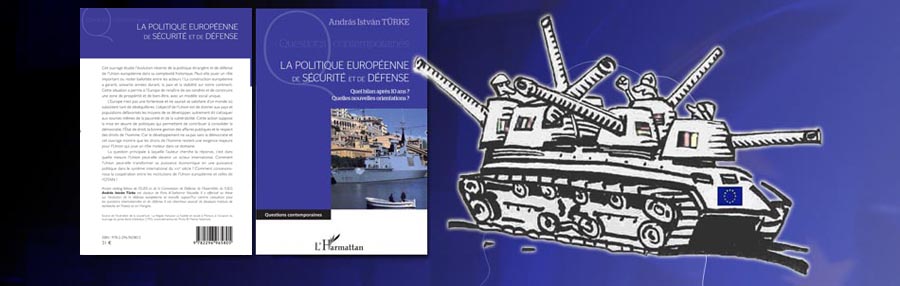
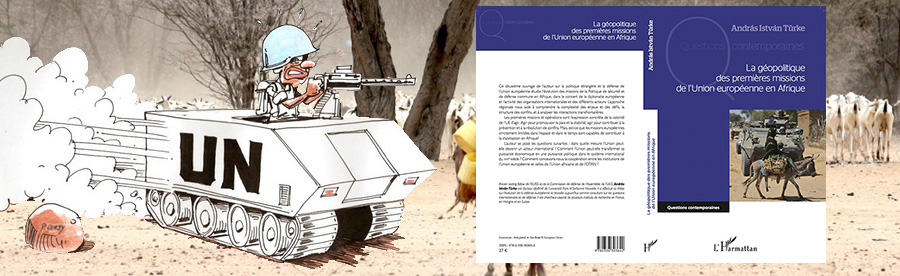
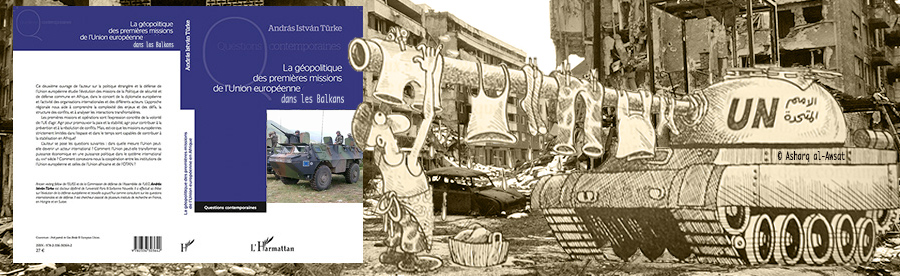
We are looking for sponsors for the English translation of these books, please contact turkeandras(at)gmail(dot)com