
You are here
Feed aggregator
Heli-Firma trickst Behörden aus – jetzt läuft ein Verfahren
Eine Helikopterfirma hat im Berner Oberland Tausende Flüge mehr geflogen als erlaubt. Inzwischen laufen Ermittlungen. Doch die Firma umgeht mit einem legalen Trick bereits wieder die Vorschriften.
Categories: Afrique, Swiss News
Was können Entwicklungspartner tun, um nationale Entwicklungsbanken zu unterstützen?
Bonn, 12. Oktober 2026. Angesichts rückläufiger öffentlicher Entwicklungshilfe müssen Entwicklungspartner die Finanzierung und den Kapazitätsaufbau nationaler Entwicklungsbanken vorantreiben und gleichzeitig deren Unabhängigkeit stärken.
Heute beginnen in Bangkok die Jahrestagungen des Internationalen Währungsfonds und der Weltbank – zu einer Zeit, in der die Finanzierung nachhaltiger Entwicklung durch geopolitische Spannungen, sich verschärfende Schuldenkrisen und den Rückgang der öffentlichen Entwicklungshilfe zunehmend unter Druck gerät. Angesichts einer geschätzten jährlichen Finanzierungslücke von 4 Billionen US-Dollar, die Entwicklungsländer zur Erreichung der Ziele für nachhaltige Entwicklung zu schließen haben, ist eine engere Zusammenarbeit zwischen multilateralen und nationalen Entwicklungsbanken wichtiger denn je.
Der Compromiso de Sevilla, der 2025 auf der 4. Internationalen Konferenz zur Entwicklungsfinanzierung in Sevilla verabschiedet wurde, unterstrich die Bedeutung nationaler Entwicklungsbanken (Banken) für die Förderung einer nachhaltigen Entwicklung, beispielsweise durch die Bereitstellung langfristiger und erschwinglicher Finanzmittel für erneuerbare Energien, oder kleine und mittlere Unternehmen, und forderte die Entwicklungspartner (Partner) auf, ihre Unterstützung für die Banken zu verstärken. Es stellt sich daher die Frage, wie Partner, darunter multilaterale Entwicklungsbanken wie die Weltbank, diesem Aufruf am besten nachkommen können.
Unsere jüngste Studie geht dieser Frage nach und untersucht dabei die Development Bank Ghana (DBG) und die Development Bank of Nigeria (DBN) – zwei relativ neue afrikanische Entwicklungsbanken, die mit erheblicher Unterstützung von Partnern wie der Weltbank, der KfW, der Europäischen Investitionsbank, der Agence Française de Développement und der Afrikanischen Entwicklungsbank gegründet wurden. Wir haben festgestellt, dass Partner die Kapazitäten der Banken stärken können, indem sie Finanzmittel und technische Hilfe bereitstellen und gleichzeitig die institutionelle Unabhängigkeit (die Fähigkeit, ihre Tätigkeit und ihr Mandat frei von politischer Einmischung auszuüben) stärken sowie die nationale Eigenverantwortung (lokal festgelegte Entwicklungsprioritäten) respektieren. Wir möchten drei wesentliche Erkenntnisse hervorheben, die besonders ins Auge fallen.
Erstens stellen die Partner den Banken langfristiges, kostengünstiges Kapital zur Verfügung, wodurch diese in die nationale nachhaltige Entwicklung investieren können. Ebenso wichtig ist, dass renommierte internationale Partner den Banken Glaubwürdigkeit verleihen und damit anderen Akteuren das Vertrauen geben, in die Banken zu investieren oder ihnen Kredite zu gewähren. Die Partner können zudem Bemühungen zur Mobilisierung inländischer Ressourcen, wie beispielsweise die Emission von Anleihen, durch Garantien und technische Hilfe unterstützen und so die Abhängigkeit der Banken von externer Finanzierung verringern.
Zweitens kann die Zusammenarbeit mit Partnern auch die institutionelle Unabhängigkeit der Banken verbessern. Im Falle der DBG und der DBN trugen die Partner dazu bei, Mandate für das Wholesale-Modell und Bestimmungen zur institutionellen Unabhängigkeit von Beginn an zu verankern. Die Weiterleitung von Mitteln an die Endbegünstigten über lokale kommerzielle Finanzinstitute schützt Kreditentscheidungen vor politischer Einflussnahme und gewährleistet so die institutionelle Unabhängigkeit der Banken. Die Erfahrungen beider Banken unterstreichen zudem die Bedeutung einer selektiven Ausrichtung, bei der die Zusammenarbeit mit Partnern auf deren Fähigkeit basiert, national festgelegte Entwicklungsprioritäten voranzutreiben. Dieser Ansatz dient als Schutz vor Unterordnung, die in früheren Untersuchungen als Risiko für die Zusammenarbeit zwischen multilateralen und nationalen Entwicklungsbanken identifiziert wurde.
Drittens sind technische Hilfe und Kapazitätsaufbau Kernelemente einer wirkungsvollen Partnerschaft. Beide Banken haben technische Unterstützung in Bereichen wie Risikomanagement, Umwelt-, Sozial- und Governance-Praktiken, grüne Finanzierungen sowie Kreditvergabe zur Förderung der Geschlechtergleichstellung erhalten. Diese Unterstützung ist besonders wertvoll für relativ junge Institutionen, deren Personal aus privatwirtschaftlichen Geschäftsbanken stammt, da sie ihnen hilft, sich an den Auftrag einer Entwicklungsbank anzupassen und die institutionelle Denkweise sowie die Kapazitäten aufzubauen, die erforderlich sind, um finanzielle Nachhaltigkeit und Entwicklungswirkung in Einklang zu bringen.
Diese Erkenntnisse – Investitionen in den Aufbau institutioneller Kapazitäten parallel zur Finanzierung bei gleichzeitiger Ausrichtung der Unterstützung auf nationale Prioritäten – bieten den Partnern praktische Wege, um dem Aufruf nachzukommen, nationale Entwicklungsbanken dabei zu unterstützen, ihr volles Potenzial auszuschöpfen. Unsere Ergebnisse legen nahe, dass erfolgreiche Partnerschaften sowohl an der finanziellen als auch an der institutionellen Kapazität der Banken gemessen werden sollten, in großem Maßstab in nachhaltige Entwicklung zu investieren. Auf der diesjährigen Jahrestagung sollten Wege zur Förderung der internationalen Zusammenarbeit erörtert werden, die sicherstellen, dass nationale Entwicklungsbanken besser kapitalisiert sind und in der Lage sind, national festgelegte Entwicklungsprioritäten mit größerer Unabhängigkeit und in größerem Umfang umzusetzen – auch mit zusätzlich mobilisierten Mitteln von Kapitalmärkten (einschließlich inländischer Ersparnisse).
Categories: Diplomacy & Defense Think Tank News, Europäische Union
Was können Entwicklungspartner tun, um nationale Entwicklungsbanken zu unterstützen?
Bonn, 12. Oktober 2026. Angesichts rückläufiger öffentlicher Entwicklungshilfe müssen Entwicklungspartner die Finanzierung und den Kapazitätsaufbau nationaler Entwicklungsbanken vorantreiben und gleichzeitig deren Unabhängigkeit stärken.
Heute beginnen in Bangkok die Jahrestagungen des Internationalen Währungsfonds und der Weltbank – zu einer Zeit, in der die Finanzierung nachhaltiger Entwicklung durch geopolitische Spannungen, sich verschärfende Schuldenkrisen und den Rückgang der öffentlichen Entwicklungshilfe zunehmend unter Druck gerät. Angesichts einer geschätzten jährlichen Finanzierungslücke von 4 Billionen US-Dollar, die Entwicklungsländer zur Erreichung der Ziele für nachhaltige Entwicklung zu schließen haben, ist eine engere Zusammenarbeit zwischen multilateralen und nationalen Entwicklungsbanken wichtiger denn je.
Der Compromiso de Sevilla, der 2025 auf der 4. Internationalen Konferenz zur Entwicklungsfinanzierung in Sevilla verabschiedet wurde, unterstrich die Bedeutung nationaler Entwicklungsbanken (Banken) für die Förderung einer nachhaltigen Entwicklung, beispielsweise durch die Bereitstellung langfristiger und erschwinglicher Finanzmittel für erneuerbare Energien, oder kleine und mittlere Unternehmen, und forderte die Entwicklungspartner (Partner) auf, ihre Unterstützung für die Banken zu verstärken. Es stellt sich daher die Frage, wie Partner, darunter multilaterale Entwicklungsbanken wie die Weltbank, diesem Aufruf am besten nachkommen können.
Unsere jüngste Studie geht dieser Frage nach und untersucht dabei die Development Bank Ghana (DBG) und die Development Bank of Nigeria (DBN) – zwei relativ neue afrikanische Entwicklungsbanken, die mit erheblicher Unterstützung von Partnern wie der Weltbank, der KfW, der Europäischen Investitionsbank, der Agence Française de Développement und der Afrikanischen Entwicklungsbank gegründet wurden. Wir haben festgestellt, dass Partner die Kapazitäten der Banken stärken können, indem sie Finanzmittel und technische Hilfe bereitstellen und gleichzeitig die institutionelle Unabhängigkeit (die Fähigkeit, ihre Tätigkeit und ihr Mandat frei von politischer Einmischung auszuüben) stärken sowie die nationale Eigenverantwortung (lokal festgelegte Entwicklungsprioritäten) respektieren. Wir möchten drei wesentliche Erkenntnisse hervorheben, die besonders ins Auge fallen.
Erstens stellen die Partner den Banken langfristiges, kostengünstiges Kapital zur Verfügung, wodurch diese in die nationale nachhaltige Entwicklung investieren können. Ebenso wichtig ist, dass renommierte internationale Partner den Banken Glaubwürdigkeit verleihen und damit anderen Akteuren das Vertrauen geben, in die Banken zu investieren oder ihnen Kredite zu gewähren. Die Partner können zudem Bemühungen zur Mobilisierung inländischer Ressourcen, wie beispielsweise die Emission von Anleihen, durch Garantien und technische Hilfe unterstützen und so die Abhängigkeit der Banken von externer Finanzierung verringern.
Zweitens kann die Zusammenarbeit mit Partnern auch die institutionelle Unabhängigkeit der Banken verbessern. Im Falle der DBG und der DBN trugen die Partner dazu bei, Mandate für das Wholesale-Modell und Bestimmungen zur institutionellen Unabhängigkeit von Beginn an zu verankern. Die Weiterleitung von Mitteln an die Endbegünstigten über lokale kommerzielle Finanzinstitute schützt Kreditentscheidungen vor politischer Einflussnahme und gewährleistet so die institutionelle Unabhängigkeit der Banken. Die Erfahrungen beider Banken unterstreichen zudem die Bedeutung einer selektiven Ausrichtung, bei der die Zusammenarbeit mit Partnern auf deren Fähigkeit basiert, national festgelegte Entwicklungsprioritäten voranzutreiben. Dieser Ansatz dient als Schutz vor Unterordnung, die in früheren Untersuchungen als Risiko für die Zusammenarbeit zwischen multilateralen und nationalen Entwicklungsbanken identifiziert wurde.
Drittens sind technische Hilfe und Kapazitätsaufbau Kernelemente einer wirkungsvollen Partnerschaft. Beide Banken haben technische Unterstützung in Bereichen wie Risikomanagement, Umwelt-, Sozial- und Governance-Praktiken, grüne Finanzierungen sowie Kreditvergabe zur Förderung der Geschlechtergleichstellung erhalten. Diese Unterstützung ist besonders wertvoll für relativ junge Institutionen, deren Personal aus privatwirtschaftlichen Geschäftsbanken stammt, da sie ihnen hilft, sich an den Auftrag einer Entwicklungsbank anzupassen und die institutionelle Denkweise sowie die Kapazitäten aufzubauen, die erforderlich sind, um finanzielle Nachhaltigkeit und Entwicklungswirkung in Einklang zu bringen.
Diese Erkenntnisse – Investitionen in den Aufbau institutioneller Kapazitäten parallel zur Finanzierung bei gleichzeitiger Ausrichtung der Unterstützung auf nationale Prioritäten – bieten den Partnern praktische Wege, um dem Aufruf nachzukommen, nationale Entwicklungsbanken dabei zu unterstützen, ihr volles Potenzial auszuschöpfen. Unsere Ergebnisse legen nahe, dass erfolgreiche Partnerschaften sowohl an der finanziellen als auch an der institutionellen Kapazität der Banken gemessen werden sollten, in großem Maßstab in nachhaltige Entwicklung zu investieren. Auf der diesjährigen Jahrestagung sollten Wege zur Förderung der internationalen Zusammenarbeit erörtert werden, die sicherstellen, dass nationale Entwicklungsbanken besser kapitalisiert sind und in der Lage sind, national festgelegte Entwicklungsprioritäten mit größerer Unabhängigkeit und in größerem Umfang umzusetzen – auch mit zusätzlich mobilisierten Mitteln von Kapitalmärkten (einschließlich inländischer Ersparnisse).
Categories: Diplomacy & Defense Think Tank News, European Union
Was können Entwicklungspartner tun, um nationale Entwicklungsbanken zu unterstützen?
Bonn, 12. Oktober 2026. Angesichts rückläufiger öffentlicher Entwicklungshilfe müssen Entwicklungspartner die Finanzierung und den Kapazitätsaufbau nationaler Entwicklungsbanken vorantreiben und gleichzeitig deren Unabhängigkeit stärken.
Heute beginnen in Bangkok die Jahrestagungen des Internationalen Währungsfonds und der Weltbank – zu einer Zeit, in der die Finanzierung nachhaltiger Entwicklung durch geopolitische Spannungen, sich verschärfende Schuldenkrisen und den Rückgang der öffentlichen Entwicklungshilfe zunehmend unter Druck gerät. Angesichts einer geschätzten jährlichen Finanzierungslücke von 4 Billionen US-Dollar, die Entwicklungsländer zur Erreichung der Ziele für nachhaltige Entwicklung zu schließen haben, ist eine engere Zusammenarbeit zwischen multilateralen und nationalen Entwicklungsbanken wichtiger denn je.
Der Compromiso de Sevilla, der 2025 auf der 4. Internationalen Konferenz zur Entwicklungsfinanzierung in Sevilla verabschiedet wurde, unterstrich die Bedeutung nationaler Entwicklungsbanken (Banken) für die Förderung einer nachhaltigen Entwicklung, beispielsweise durch die Bereitstellung langfristiger und erschwinglicher Finanzmittel für erneuerbare Energien, oder kleine und mittlere Unternehmen, und forderte die Entwicklungspartner (Partner) auf, ihre Unterstützung für die Banken zu verstärken. Es stellt sich daher die Frage, wie Partner, darunter multilaterale Entwicklungsbanken wie die Weltbank, diesem Aufruf am besten nachkommen können.
Unsere jüngste Studie geht dieser Frage nach und untersucht dabei die Development Bank Ghana (DBG) und die Development Bank of Nigeria (DBN) – zwei relativ neue afrikanische Entwicklungsbanken, die mit erheblicher Unterstützung von Partnern wie der Weltbank, der KfW, der Europäischen Investitionsbank, der Agence Française de Développement und der Afrikanischen Entwicklungsbank gegründet wurden. Wir haben festgestellt, dass Partner die Kapazitäten der Banken stärken können, indem sie Finanzmittel und technische Hilfe bereitstellen und gleichzeitig die institutionelle Unabhängigkeit (die Fähigkeit, ihre Tätigkeit und ihr Mandat frei von politischer Einmischung auszuüben) stärken sowie die nationale Eigenverantwortung (lokal festgelegte Entwicklungsprioritäten) respektieren. Wir möchten drei wesentliche Erkenntnisse hervorheben, die besonders ins Auge fallen.
Erstens stellen die Partner den Banken langfristiges, kostengünstiges Kapital zur Verfügung, wodurch diese in die nationale nachhaltige Entwicklung investieren können. Ebenso wichtig ist, dass renommierte internationale Partner den Banken Glaubwürdigkeit verleihen und damit anderen Akteuren das Vertrauen geben, in die Banken zu investieren oder ihnen Kredite zu gewähren. Die Partner können zudem Bemühungen zur Mobilisierung inländischer Ressourcen, wie beispielsweise die Emission von Anleihen, durch Garantien und technische Hilfe unterstützen und so die Abhängigkeit der Banken von externer Finanzierung verringern.
Zweitens kann die Zusammenarbeit mit Partnern auch die institutionelle Unabhängigkeit der Banken verbessern. Im Falle der DBG und der DBN trugen die Partner dazu bei, Mandate für das Wholesale-Modell und Bestimmungen zur institutionellen Unabhängigkeit von Beginn an zu verankern. Die Weiterleitung von Mitteln an die Endbegünstigten über lokale kommerzielle Finanzinstitute schützt Kreditentscheidungen vor politischer Einflussnahme und gewährleistet so die institutionelle Unabhängigkeit der Banken. Die Erfahrungen beider Banken unterstreichen zudem die Bedeutung einer selektiven Ausrichtung, bei der die Zusammenarbeit mit Partnern auf deren Fähigkeit basiert, national festgelegte Entwicklungsprioritäten voranzutreiben. Dieser Ansatz dient als Schutz vor Unterordnung, die in früheren Untersuchungen als Risiko für die Zusammenarbeit zwischen multilateralen und nationalen Entwicklungsbanken identifiziert wurde.
Drittens sind technische Hilfe und Kapazitätsaufbau Kernelemente einer wirkungsvollen Partnerschaft. Beide Banken haben technische Unterstützung in Bereichen wie Risikomanagement, Umwelt-, Sozial- und Governance-Praktiken, grüne Finanzierungen sowie Kreditvergabe zur Förderung der Geschlechtergleichstellung erhalten. Diese Unterstützung ist besonders wertvoll für relativ junge Institutionen, deren Personal aus privatwirtschaftlichen Geschäftsbanken stammt, da sie ihnen hilft, sich an den Auftrag einer Entwicklungsbank anzupassen und die institutionelle Denkweise sowie die Kapazitäten aufzubauen, die erforderlich sind, um finanzielle Nachhaltigkeit und Entwicklungswirkung in Einklang zu bringen.
Diese Erkenntnisse – Investitionen in den Aufbau institutioneller Kapazitäten parallel zur Finanzierung bei gleichzeitiger Ausrichtung der Unterstützung auf nationale Prioritäten – bieten den Partnern praktische Wege, um dem Aufruf nachzukommen, nationale Entwicklungsbanken dabei zu unterstützen, ihr volles Potenzial auszuschöpfen. Unsere Ergebnisse legen nahe, dass erfolgreiche Partnerschaften sowohl an der finanziellen als auch an der institutionellen Kapazität der Banken gemessen werden sollten, in großem Maßstab in nachhaltige Entwicklung zu investieren. Auf der diesjährigen Jahrestagung sollten Wege zur Förderung der internationalen Zusammenarbeit erörtert werden, die sicherstellen, dass nationale Entwicklungsbanken besser kapitalisiert sind und in der Lage sind, national festgelegte Entwicklungsprioritäten mit größerer Unabhängigkeit und in größerem Umfang umzusetzen – auch mit zusätzlich mobilisierten Mitteln von Kapitalmärkten (einschließlich inländischer Ersparnisse).
Categories: Diplomacy & Defense Think Tank News, European Union
Historische Markthalle in Paris durch Brand zerstört
Von der ältesten Markthalle in Paris, dem Marché des Enfants Rouges, sind nur noch Trümmer übrig. 150 Feuerwehrleute kämpften in der Nacht auf Montag gegen einen Grossbrand. Ein Feuerwehrmann wurde leicht verletzt, die Brandursache ist noch unklar.
Categories: Afrique, Swiss News
Pourquoi l'Arabie saoudite recherche-t-elle de nouveaux partenaires en matière de défense ?
Selon Salem Al-Yami, l'accord de défense signé par l'Arabie saoudite, la Turquie et le Pakistan à La Mecque en août est l'une des mesures les plus importantes qui témoignent des efforts de Riyad pour élargir le cercle de ses partenaires en matière de sécurité.
Categories: Afrique
Pourquoi l'Arabie saoudite recherche-t-elle de nouveaux partenaires en matière de défense ?
Selon Salem Al-Yami, l'accord de défense signé par l'Arabie saoudite, la Turquie et le Pakistan à La Mecque en août est l'une des mesures les plus importantes qui témoignent des efforts de Riyad pour élargir le cercle de ses partenaires en matière de sécurité.
Categories: Afrique, Határon túli magyar portálok összesített hírei
Bienenmedizin: Sind die Preise zu hoch?
Die wichtigen Bienenmedis gegen die Varroa-Milbe sind in der Schweiz in den letzten Jahren teurer geworden. Grund genug für uns, genauer hinzuschauen.
Categories: Afrique, Swiss News
«Ich könnte euch die dümmsten Dinge sagen»
Donald Trump behauptete in Tennessee, seine Fans würden ihm für «die dümmsten Dinge» applaudieren – und bekam prompt Applaus. Zugleich rief er zur Unterstützung republikanischer Kandidaten auf.
Categories: Afrique, Swiss News
«Könnte die dümmsten Dinge sagen»
Dieser Satz sollte wohl als Lob rüberkommen, doch US-Präsident Donald Trump macht sich damit über sein Publikum an einer Wahlkampfveranstaltung lustig.
Categories: Afrique, Swiss News
Cotonou accueille le Salon des franchises de FranquiShop
Cotonou, la capitale économique du Bénin accueille, jeudi 15 octobre 2026, le Salon des franchises de FranquiShop. L'annonce a été faite samedi 10 octobre, lors d'une conférence de presse animée par Rolland Le Berre, promoteur de FranquiShop, à la Chambre de commerce et d'industrie du Bénin (CCI Bénin).
Le Salon des franchises, grand évènement de FranquiShop aura lieu pour la première fois en Afrique. Cotonou sera à l'honneur de ce grand rendez-vous d'affaires qui réunira une vingtaine d'enseignes internationales et des entrepreneurs béninois autour des opportunités d'investissement, du transfert de compétences et du développement en franchise.
Ce salon sera l'occasion pour les entrepreneurs béninois, de découvrir de nouvelles opportunités d'affaires et d'échanger directement avec des représentants de marques internationales.
De 9 h à 17 h, une vingtaine d'enseignes participeront à cette rencontre B to B, destinée à mettre en relation des franchiseurs et des entrepreneurs locaux susceptibles de développer leurs concepts au Bénin.
Selon Rolland Le Berre, les entreprises présentes ne sont pas nécessairement connues du grand public, mais disposent pour la plupart d'une renommée internationale. Certaines sont françaises, a-t-il précisé. 0
Plus de 1 000 candidatures déjà enregistrées
La participation au salon est soumise à une sélection rigoureuse. Les candidats doivent notamment répondre à des critères financiers, justifier d'une expérience professionnelle et démontrer leur compréhension de l'enseigne qu'ils souhaitent représenter.
Pour participer à l'événement, les personnes intéressées doivent remplir un formulaire d'inscription disponible sur le site internet de FranquiShop. Les équipes de l'organisation examineront ensuite les candidatures afin de retenir les profils présentant le plus d'intérêt pour les enseignes participantes.
Pour cette première édition à Cotonou, l'affluence suscite déjà la satisfaction du promoteur. Plus de 1 000 candidatures sont déjà enregistrées avant la tenue du salon. Rolland Le Berre a présenté ce chiffre comme un record pour un événement FranquiShop organisé dans le monde.
Un transfert de compétences au profit des entrepreneurs
Au-delà des rencontres d'affaires, le Salon des franchises entend favoriser le transfert de compétences et de savoir-faire. Les entrepreneurs qui choisissent d'investir dans une franchise bénéficient, en effet, d'un accompagnement du franchiseur, notamment à travers des formations, des méthodes de travail éprouvées et des procédures opérationnelles. « Quand vous achetez les droits d'exploiter la franchise, vous avez des formations. Vous êtes accompagné par le franchiseur. Il va vous accompagner, vous former, vous donner les process, vous guider et aussi vous apporter sa garantie financière », a expliqué Rolland Le Berre.
À travers cette initiative, FranquiShop ambitionne également de repérer des entreprises béninoises à fort potentiel et de les accompagner dans leur développement à l'international. L'objectif est de permettre aux entrepreneurs locaux de structurer leurs concepts pour les rendre reproductibles et exportables selon le modèle de la franchise. « S'il y a une enseigne béninoise qui souhaite s'internationaliser, structurer son concept, on est là pour eux, on va les accompagner et on a la possibilité de leur ouvrir tout notre réseau international », a assuré le promoteur.
Le choix du Bénin
Selon le promoteur, le Bénin a été choisi conformément à la stratégie d'internationalisation de FranquiShop, toujours à la recherche d'économies prometteuses et de marchés prometteurs. Pour lui, le pays a la chance d'avoir une stabilité économique et politique qui permet aujourd'hui de s'installer, et de par l'intérêt des enseignes qui ont montré qu'elles souhaitaient s'investir au Bénin et s'installer dans le pays.
Le Salon des franchises de FranquiShop se présente ainsi comme une plateforme de mise en relation entre investisseurs, entrepreneurs et marques internationales, avec l'ambition de stimuler les initiatives entrepreneuriales au Bénin et de favoriser l'émergence de concepts locaux capables de conquérir de nouveaux marchés.
A propose de FranquiShop
FranquiShop est un salon de franchise innovant et efficace, conçu comme une rencontre d'affaires qui remplace les stands traditionnels par des rendez-vous personnalisés. Ce format assure des contacts de qualité et maximise les opportunités d'expansion pour les franchisés, en combinant l'innovation numérique avec l'efficacité des rencontres vis-à-vis. Son fonctionnement repose sur 4 principes fondamentaux à savoir :
– le recrutement d'investisseurs qui s'inscrivent gratuitement sur son site Web ;
– les entrepreneurs consultent la liste des franchises participantes et planifient des rendez-vous avec celles qu'ils souhaitent rencontrer lors de l'événement ;
– les franchiseurs reçoivent des notifications par courrier électronique avec des rendez-vous programmés et des détails sur ls entrepreneurs ;
– le jour de l'événement, les franchiseurs participent aux réunions programmées et à tous les nouveaux contacts qui surviennent au cours de la journée.
F. A. A.
Categories: Afrique, Swiss News
Halbherzige Entschuldigung von Vinicius nach Rot-Eklat
Real-Star Vinicius (26) hat sich nach seinem Rot-Eklat gegen Villarreal zu Wort gemeldet. Er entschuldigt sich für sein Verhalten.
Categories: Afrique, Swiss News
Un instituteur meurt en tentant de traverser le fleuve
Un jeune instituteur a perdu la vie dans l'après-midi du vendredi 9 octobre 2026, dans la commune d'Agbangnizoun, département du Zou. Le drame s'est produit sur le fleuve Couffo, à hauteur du pont d'Ahogbéya, actuellement en cours de construction.
Selon les informations, l'enseignant revenait de Sahè-Loukpé avec sa compagne lorsqu'il est arrivé au niveau du pont. Descendu de son engin, il aurait tenté d'évaluer les possibilités de traversée. Mais il a été emporté par la force du courant. Alertées par sa compagne, les équipes de secours se sont rapidement mobilisées, avec le renfort des agents de la Protection civile du Zou. Après plusieurs heures de recherches, ce n'est que tard la nuit apres 23h que le corps sans vie de l'instituteur a été retrouvé et repêché.
Informé de la situation, le préfet du Zou, Laurent Dhossou Zomaï, s'est rendu sur les lieux avec une délégation.
À la suite de ce drame, le préfet a présenté ses sincères condoléances à la famille endeuillée. Elle a également appelé les populations à respecter strictement les consignes de sécurité diffusées par les agents de la Protection civile afin de prévenir de tels accidents
Categories: Afrique, Swiss News
Suljovic sorgt mit sexistischem Spruch für Buhrufe
Mensur Suljovic sorgt nach seinem Sieg gegen Ross Smith mit einem sexistischen Spruch für einen Eklat.
Categories: Afrique, Swiss News
So oft sollten wir wirklich unter die Dusche
Täglich duschen gehört für viele zum Alltag. Doch laut einem Harvard-Fachartikel ist das medizinisch oft gar nicht nötig. Besonders heisses Wasser und Seife können die Haut belasten. Wie oft sollten wir wirklich duschen?
Categories: Balkans Occidentaux, Swiss News
Daniel Humm verrät das Geheimnis für sein Selbstbewusstsein
Daniel Humm ist als Koch erfolgreich. Um eine solche Karriere hinzulegen, braucht es nicht nur Können, sondern auch Selbstbewusstsein. Das Geheimnis hinter seinem selbstsicheren Auftreten verrät der Aargauer in einem spontanen Interview in New York.
Categories: Balkans Occidentaux, Swiss News
«Ich habe als Kind nie so richtig dazugepasst»
Daniel Humm ist als Koch erfolgreich. Um eine solche Karriere hinzulegen, braucht es nicht nur Können, sondern auch Selbstbewusstsein. Das Geheimnis hinter seinem selbstsicheren Auftreten verrät der Aargauer in einem spontanen Interview in New York.
Categories: Balkans Occidentaux, Swiss News
Nepal kämpft mit neuer Flutkatastrophe
Nach den tödlichen Fluten im August erlebt Nepal erneut eine Katastrophe. Wasserfluten haben den Gorkha-Distrikt in Nepal schwer getroffen: Über 200 Häuser wurden beschädigt, fünf Menschen gelten als vermisst.
Categories: Balkans Occidentaux, Swiss News
Kazakhstan Has Spent 23 Years Bringing Faiths Together. Now Comes the Harder Part.
Religious leaders, representatives of international organizations and Kazakh officials gather for the 24th Secretariat meeting of the Congress of Leaders of World and Traditional Religions at the Palace of Peace and Reconciliation in Astana on October 7, 2026. The gathering reflected Kazakhstan’s longstanding efforts to turn interfaith dialogue into practical international cooperation. Credit: The press service of the congress.
By Katsuhiro Asagiri
ASTANA, Kazakhstan, Oct 12 2026 (IPS)
In a world increasingly divided by war, political distrust and competing ideologies, Kazakhstan has spent more than two decades pursuing an unusual diplomatic undertaking: keeping representatives of different religions in conversation.
Erlan Karin, Vice President of Kazakhstan and Head of the Secretariat of the Congress of Leaders of World and Traditional Religions, addresses the 24th Secretariat meeting at the Palace of Peace and Reconciliation in Astana on October 7, 2026. He emphasized the role of spiritual diplomacy in building trust and complementing conventional diplomatic efforts. Credit: Congress Press Service
At a meeting in Astana this week, Vice President Erlan Karin made clear that maintaining those conversations was no longer enough.“Spiritual diplomacy can play a special role,” he told participants. “It doesn’t replace political talks. But it complements them and keeps channels of communication open where diplomatic dialogue is difficult.”
The remarks came at the 24th meeting of the Secretariat of the Congress of Leaders of World and Traditional Religions, held on Oct. 7 at the Palace of Peace and Reconciliation.
The official participant list named 38 representatives of religious communities, international organizations and Kazakh government institutions, reflecting the forum’s religious and geographical diversity.
Founded in 2003 at the initiative of Kazakhstan’s first president, Nursultan Nazarbayev, the Congress initially brought 17 delegations from 13 countries to Astana.
It has since developed into an international forum that convenes major gatherings every three years while maintaining contact through its Secretariat.
Pope Francis participated in the seventh Congress in 2022, alongside the Grand Imam of Al-Azhar, Ahmed Al-Tayeb. The eighth Congress, held in September 2025, brought together religious and international representatives around the Astana Peace Declaration.
For Kazakhstan, situated between Russia and China and pursuing relations across competing centers of power, the Congress has become one expression of its wider diplomatic approach: providing a meeting place for governments, religions and civilizations that do not always share political interests.
Kazakhstan’s Legacy of Interfaith Dialogue. This illustration traces the Congress of Leaders of World and Traditional Religions from its founding in 2003 under President Nursultan Nazarbayev to the historic 2022 gathering attended by Pope Francis and Al-Azhar’s Grand Imam Ahmed Al-Tayeb, and the adoption of the Astana Peace Declaration in 2025 under President Kassym-Jomart Tokayev. Together, these milestones reflect Kazakhstan’s enduring efforts to promote interfaith dialogue, mutual understanding and global peace. Credit: AI-generated illustration/INPS Japan
But its participants are increasingly asking how such encounters can influence events outside the conference hall.
Father Laurent Basanese of the Holy See’s Dicastery for Interreligious Dialogue. He emphasized the Vatican’s longstanding commitment to the initiative and the importance of translating interfaith declarations into sustained cooperation.
A Forum That Outlasts Its MeetingsFather Laurent Basanese, representing the Holy See’s Dicastery for Interreligious Dialogue, reminded delegates that the Vatican had supported the initiative since its founding.
He recalled Pope Francis’ participation in 2022 and emphasized the continuing work required after declarations are adopted.
The credibility of such statements, he said, ultimately depends on the willingness of their signatories to keep working together.
That concern was echoed by Mohamed Abdelsalam, secretary-general of the Muslim Council of Elders, who warned that principles left unimplemented risk becoming little more than words on paper.
“A declaration that is not implemented loses its functionality,” he said, according to the meeting transcript.
The appeal for continuity also came from the United Nations.
Nihal Saad, director of the United Nations Alliance of Civilizations, thanked Kazakhstan for its sustained efforts to promote cooperation across cultural and religious boundaries.
Mohamed Abdelsalam, Secretary-General of the Muslim Council of Elders. He emphasized the need to translate interfaith declarations into concrete action for peace and human fraternity. Credit: Katsuhiro Asagiri/INPS Japan
She pointed to the role of religious leaders in addressing climate change and the ethical implications of artificial intelligence, arguing that governments and technical experts could benefit from the influence of faith communities within society.The challenge with AI, she said, was ensuring that ethics were “built into the design of AI systems rather than as an afterthought.”
Her remarks placed the Congress within a wider international debate over how technological progress can remain accountable to human values.
Turning Principles Into Projects
Kazakhstan’s latest effort to give the forum a practical role produced two documents adopted at the meeting.
One addresses the contribution of religions to combating climate change. The other establishes 11 ethical principles for using artificial intelligence in religious contexts.
Both emerged from proposals advanced by President Kassym-Jomart Tokayev at the 2025 Congress.
Gulsana Kozhabay, who heads the International Center for Interfaith and Interreligious Dialogue, explained that the climate document had been developed with contributions from 26 religious representatives, diplomats and experts.
Nihal Saad, director of the United Nations Alliance of Civilizations. Credit: The Astana Times
It draws on amanat, a concept rooted in Kazakh cultural heritage that emphasizes responsibility for preserving what one generation receives and passes to the next.The AI code, refined through an interreligious commission of 24 participants, addresses human dignity, freedom of conscience, religious information and the dangers of algorithmic manipulation.
Contributors included representatives of religious traditions extending far beyond Central Asia, among them Japanese Shinto representatives and Chinese Taoist leaders.
The meeting also considered a different kind of cooperation.
Yerzhan Ashikbayev, Kazakhstan’s first deputy foreign minister, presented a joint initiative with the Holy See: a charter protecting the rights and dignity of children with incurable diseases.
Kazakhstan and the Holy See had agreed on the charter’s text during a separate colloquium in Astana on Oct. 2–3. The Secretariat subsequently supported efforts to advance it internationally.
“When medical science reaches its limits, our human responsibility does not end,” Ashikbayev said in his prepared remarks.
The charter emphasizes palliative care, relief of suffering, parental participation and support for children and their families.
Yerzhan Ashikbayev, Kazakhstan’s First Deputy Minister of Foreign Affairs. He presented a joint Kazakhstan–Holy See initiative to protect the rights and dignity of children with incurable diseases. Credit: Katsuhiro Asagiri/INPS Japan
Its development, involving medical and bioethical expertise, illustrates how an interreligious relationship can extend into humanitarian cooperation.The Next Test for Spiritual Diplomacy
None of these initiatives removes the political difficulties surrounding international cooperation.
The two ethical documents are advisory and create no legal obligations. Their influence will depend on whether religious institutions, governments and technology companies act on their recommendations.
These efforts also reflect the security challenges facing Central Asia.
As developments in Afghanistan continue to affect regional stability, Kazakhstan has worked with the United Nations to combat terrorism and prevent violent extremism.
Against this backdrop, Kazakhstan’s ability to sustain an international platform for dialogue among religious leaders of different traditions for more than two decades has become a distinctive feature of its diplomacy, linking regional security concerns with a commitment to religious diversity and mutual understanding.
At the conclusion of the meeting, Karin called for work on a proposed Global Movement for Peace, intended to strengthen cooperation among religious leaders and give spiritual diplomacy a more practical international role.
The pyramid-shaped Palace of Peace and Reconciliation in Astana, Kazakhstan, hosted the 24th Secretariat meeting of the Congress of Leaders of World and Traditional Religions on October 7, 2026. The landmark symbolizes Kazakhstan’s longstanding commitment to promoting interfaith dialogue, mutual understanding and global peace. Credit: Katsuhiro Asagiri/INPS Japan
A draft concept and phased plan are to be prepared for consideration in 2027, ahead of the ninth Congress in 2028.
It remains a proposal, not an established peacebuilding mechanism.
But the assignment reflects an important shift in Kazakhstan’s approach: from demonstrating that religious leaders can meet despite their differences to asking what they are prepared to accomplish together.
After 23 years, the country has demonstrated an ability to keep the conversation going.
The next test is whether that conversation can help change the world beyond Astana.
This article is brought to you by INPS Japan in collaboration with Soka Gakkai International in consultative status with UN ECOSOC.
IPS UN Bureau
Excerpt:
Religious leaders and international officials meeting in Astana say a forum built to bridge differences must show that dialogue can produce meaningful action.
Categories: Africa, Swiss News
SPD-Chefin und Arbeitsministerin Bärbel Bas tritt zurück
Die SPD-Chefin und Arbeitsministerin Bärbel Bas tritt von ihren beiden Ämtern zurück. Das teilte Bas in einem gemeinsamen Statement mit SPD-Co-Chef und Vizekanzler Lars Klingbeil mit.
Categories: Balkans Occidentaux, Swiss News
Pages
the old site is here


© 2012-2015 Europa Varietas Foundation © 2015-2020 Europa Varietas Association
www.europavarietas.org | info(@)europavarietas(dot)org | Switzerland
This is a GDPR ready site

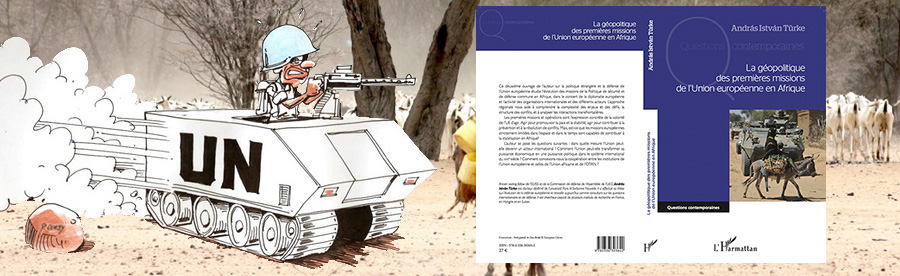
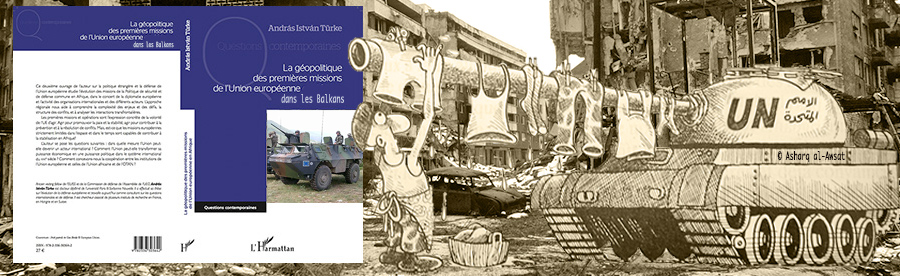
We are looking for sponsors for the English translation of these books, please contact turkeandras(at)gmail(dot)com