
You are here
Feed aggregator
Nach Gerüchten um Ösi-Star: Neuer Alaba-Klub macht Transfer offiziell
David Alaba wechselt nach einer langen Vereinssuche zu Udinese Calcio. Der Klub aus der Serie A bestätigt entsprechende Gerüchte am Donnerstag mit der offiziellen Transfer-Mitteilung.
Categories: Africa, Swiss News
Tigray capital 'out of cash' as fighting escalates, resident tells BBC
A resident of Mekelle says the city is calm but people are stressed after the outbreak of fighting in the region.
Tigray capital 'out of cash' as fighting escalates, resident tells BBC
A resident of Mekelle says the city is calm but people are stressed after the outbreak of fighting in the region.
Wirre Penalty-Situation: Das sind keine Psychospielchen
In der bolivianischen Liga stellt sich ein Goalie beim Penalty einfach mit dem Rücken zum Ball neben den Pfosten. Fast für mehr Diskussionen sorgt aber die Szene, die dem Penalty voraus ging.
Categories: Africa, Swiss News
Double Chance : les numéros gagnants
LES RÉSULTATS DOUBLE CHANCE SONT LÀ !
LOTO FORTUNE Tirage N°153
Jeudi 24 septembre 2026 (14H)
– Zone A (5 premiers numéros) :
84 • 16 • 50 • 44 • 24
– Zone B (5 derniers numéros) :
35 • 30 • 78 • 47 • 26

Félicitations aux heureux gagnants.
Pas encore cette fois ? Gardez le sourire !
Rendez-vous à 18H pour le prochain tirage.
Jouez avecmodération et responsabilité. Le jeu doit rester un plaisir.
Categories: Afrique, Europäische Union
Les épreuves écrites des examens de Licence 2026 démarrent mercredi
Les épreuves écrites des examens nationaux de Licence 2026 seront lancées le mercredi 30 septembre 2026 au Collège d'Enseignement Général de Ste Rita de Cotonou. Le calendrier vient d'être publié à travers une note de service du Directeur des Examens et Concours, Vidjannagni Gbénou.
Calendrier des examens nationaux de Licence session 2026
Cotonou : CEG Ste Rita
Dates et horaires des écrits : Mercredi 30 Septembre 2026 08heures – 10h Epreuves de tronc commun 10h 30 –12h30 Epreuves de Spécialité
Filières
Journalisme-Presse écrite : 12
Journalisme-Radio : 16
Journalisme-Télévision : 12
Journalisme Audiovisuel : 27
Métier de l'Audiovisuel – Gestion de la Production
Métier de [‘Audiovisuel + Montage Post-Production
Métier de l'Audiovisuel – Prise de son
Métier de [Audiovisuel – Prise de vue
Métier de [Audiovisuel – Réalisation
Sciences et Techniques de Production Animale de Spéciale
Sciences et Techniques de Production Végétale
Gestion des Exploitations Rurales et Agricoles
Stockage, Conservation et Conditionnement des Produits Agricoles
Génie de l'Eau
Samedi 03 Octobre 2026
Horaires : 08h-OO à 10 Heures : Epreuves tronc commun.
10h30 – 12h30 : Épreuves de Spécialité
Centre : Cotonou CEG Ste Rita
Bâtiments et Travaux Publics
Géomètre Topographe
Hôtellerie et Restauration
CEG Vedoko
Système Informatique et Logiciel
CEG Le Nokoué
Tourisme et Loisirs
Génie Chimique et Biologique
Génie Industriel et Gestion de la Qualité
Procédés de Fabrication et de Maintenance Industnelle
Environnement et Assainisement
Génie Electrique et Energies Renouvelables
Maintenance Automobile
Froid Industriel
Maintenance des Engins de TP et Manutention Electronique
Audit Sécurité Systèmes et Réseaux
CEG Houéyiho
Audit Sécurité Systèmes et Réseaux informatique
Informatiques et Maintenance
Système Industriel
Samedi 03 octobre 2026
Horaires : 08h 00 – 10h00 : Epreuves de tronc commun
10h 30 – 12h30 : Epreuves de spécialité
14h00 – 16h00 : Epreuves de pratiques professionnelles
Centre : CEG Houéyiho
Filières
Informatique Statistique
Génie Télécoms et TIC Réseaux
Informatiques et Télécommunication
Mercredi 07 Octobre 2026
CEG LE LAC ; Abomey ENSTP ; Parakou IFSIO
Horaires : 08h-10h : Epreuves de tronc commun
10H30 0 12H30 : Epreuves de spécialités
Filières
BAPES Allemand
BAPES Anglais
BAPES Education Physique et Sportive
BAPES Espagnol
BAPES Histotre-Géuraphie
BAPES Lettres Modernes
BAPES Mathématiques Informatique
BAPES Philosophie
BAPES Physique Chimie Technologie
BAPES Sciences de la vie et de la Terre
Samedi 10 Octobre 2026
Horaires : 08h00 – 10h00 : Epreuves de tronc commun 10h30 – 12h30 Epreuves de spécialité • 14h00 – 16h) Épreuves de pratiques professionnelles
Filières
Finance-Comptabilité-Audit CEG ste Rita , Abomey ENSTP ; Parakou IFSIO ; Porto-Novo ENS Porto- 04.
Banque. Finances et Assurance : Cotonou ccp Aupiais ; Abomey ENSTp ; Parakou IFSIO ;
Gestion des Ressources Humaines : Porto-Novo ENS Porto-
Marketing Communication et Commerce : Cotonou CEG K-Vedoko ; Abomey ENSTp ; Parakou IF SIO Porto-Novo ENS Novo
Entrepreneuriat et Gestion des Projets : Cotonou CEG ces pylônes 33 salles
Cotonou CEG Le Lac
Monétique ; Economie ; E-Commerce et Marketing numérique ; Economie publique et statistique ; Chef projet digital ; Secrétariat de direction ; Gestion foncière et domaniale ; Administration publique et gestion des collectivités ; Transport et Logistique
Mercredi 14 octobre 2026
Horaires : 08h00 – 10h00 : Epreuves de tronc commun 10h30 – 12h30 Epreuves de spécialité • 14h00 – 16 h 00) Épreuves de pratiques professionnelles
CEG Ste Rita
Administration des Finances et du Trésor ; Administration et Territoriale ; Administration des Impôts ; Administration Hospitalière, universitaire et d'intendance ; Administration du travail et de la sécurité sociale ; Diplomatie et relations internationales ; Gestion des marchés publics ; Planification et Développement Local ; Juriste Conseil ; Sciences Politiques ; Sciences juridiques (CEG Ste Rita et Abomey ENSTP).
Vendredi 16 Octobre 2026
Horaires : 08h00 – 10h00 : Epreuves de tronc commun 10h30 – 12h30 Epreuves de spécialité • 14h00 – 16 heures) Épreuves de pratiques professionnelles
Cotonou CEG Les Pylônes
Filières
Etudes Islamiques Lettres et Littérature arabes ; Gestion de I 'Environnement et Aménagement du Territoire ; Langue Anglaise ; Langue Française ; Mariage et Famille ; Mathématique de la décision ; Philosophie ; Psychologie et Sciences de l'Education
Categories: Afrique, European Union
Les résultats du tirage de 11 H
LES RÉSULTATS LOTO FORTUNE SONT LÀ !
TIRAGE N°153/26
Jeudi 24 septembre 2026 (11H)
05 • 60 • 89 • 33 • 50
Félicitations aux heureux gagnants !
Pas encore gagné ? Gardez le sourire !
Rendez-vous au prochain tirage de 14h pour une nouvelle chance.
Jouez dans les centres de jeux ou en ligne : Tapez 590# ou lnbloto.bj
Jouez avec modération et responsabilité. Le jeu doit rester un plaisir.
Categories: Afrique, Határon túli magyar portálok összesített hírei
Terminus du néolibéralisme ou terminus de la démocratie
À ce stade, ça n'est plus une crise — même scélérate. C'est le Grand Alignement : un événement multifactoriel, isotrope (ça vient de tous les côtés), saturant, et surtout coordonné : toutes les dynamiques se potentialisent mutuellement, dans une synchronie de crise hors norme. Un événement d'une magnitude à mettre la perpétuation du capitalisme néolibéral sur la table.
- La pompe à phynance / Démocratie, Économie, Crise financièreAlgériens, préparez vos valises : 50 destinations à découvrir en 2027 selon Lonely Planet
Envie d’évasion et de pépites méconnues pour vos prochaines vacances ? Le guide de référence Lonely Planet dévoile enfin son palmarès exclusif des 50 meilleures […]
L’article Algériens, préparez vos valises : 50 destinations à découvrir en 2027 selon Lonely Planet est apparu en premier sur .
Categories: Afrique, Swiss News
74 % des Béninois favorables à la mobilité transfrontalière
La majorité des Béninois interrogés par Afrobarometer se prononce en faveur de la libre circulation des personnes dans la sous-région. Mais dans la pratique, franchir les frontières pour travailler ou commercer reste difficile pour une large part de la population.
Au Bénin, la libre circulation transfrontalière des personnes recueille une large adhésion. Selon le rapport phare 2026 d'Afrobarometer, 74 % des Béninois interrogés sont favorables à la liberté de circulation, tandis que 26 % souhaitent une limitation des mouvements transfrontaliers.
Ces résultats sont présentés dans le troisième rapport annuel phare de l'organisation, intitulé « Au-delà des frontières : regards citoyens sur un ordre mondial en mutation ».
Une majorité favorable à la libre circulationL'enquête s'est intéressée à la question de savoir si les personnes devraient être autorisées à franchir librement les frontières pour vivre et travailler dans d'autres pays de leur sous-région.
Au Bénin, près de trois personnes interrogées sur quatre répondent favorablement à cette possibilité. À l'inverse, 26 % estiment que les gouvernements devraient limiter les déplacements transfrontaliers, notamment pour protéger l'accès de leurs citoyens à l'emploi et aux opportunités.
La tendance béninoise est supérieure à celle observée à l'échelle des 38 pays étudiés. 56 % des répondants africains se déclarent favorables à la libre circulation, contre 40 % qui préfèrent une limitation des déplacements transfrontaliers.
Une liberté encore difficile dans les faitsL'adhésion au principe de la libre circulation ne signifie pas que les frontières sont facilement franchissables dans la pratique.
Dans les 38 pays couverts par l'étude, seuls 23 % des citoyens interrogés estiment qu'il est « facile » ou « très facile » de franchir les frontières pour travailler ou commercer. 63 % jugent cette démarche difficile.
Afrobarometer relève qu'aucun des pays étudiés n'enregistre une majorité relative de répondants considérant la circulation transfrontalière comme aisée.
Le Bénin s'inscrit dans cette tendance. Alors que 74 % des personnes interrogées se prononcent en faveur de la libre circulation, seulement 21 % estiment qu'il est très facile de franchir les frontières. Une proportion de 78 % trouve que cela reste très difficile.
Ces résultats mettent en évidence un décalage entre l'adhésion au principe de la mobilité transfrontalière et l'expérience des citoyens lorsqu'il s'agit de franchir effectivement les frontières pour travailler ou commercer.
Une enquête menée dans 38 pays africainsLe rapport « Au-delà des frontières : regards citoyens sur un ordre mondial en mutation » constitue le troisième rapport phare annuel d'Afrobarometer. Il a été présenté au public mardi 22 septembre 2026 à Cotonou.
Il s'appuie sur les données du Round 10 des enquêtes Afrobarometer, réalisées dans 38 pays africains entre janvier 2024 et septembre 2025, dont le Bénin.
À travers ce rapport, Afrobarometer examine les perceptions des citoyens africains sur plusieurs enjeux liés à l'évolution de l'ordre mondial, parmi lesquels les échanges commerciaux, les migrations, les relations avec les grandes puissances et le changement climatique.
Categories: Afrique, Határon túli magyar portálok összesített hírei
Press release - Highlights of the next AGRI meeting
Committee on Agriculture and Rural Development (AGRI) to meet on Monday 28 September from 15:00 to 18:30
Committee on Agriculture and Rural Development
Source : © European Union, 2026 - EP
Committee on Agriculture and Rural Development
Source : © European Union, 2026 - EP
Categories: Afrique, European Union
Press release - Highlights of the next AGRI meeting
Committee on Agriculture and Rural Development (AGRI) to meet on Monday 28 September from 15:00 to 18:30
Committee on Agriculture and Rural Development
Source : © European Union, 2026 - EP
Committee on Agriculture and Rural Development
Source : © European Union, 2026 - EP
Categories: Balkans Occidentaux, Europäische Union
Press release - Highlights of the next AGRI meeting
Committee on Agriculture and Rural Development (AGRI) to meet on Monday 28 September from 15:00 to 18:30
Committee on Agriculture and Rural Development
Source : © European Union, 2026 - EP
Committee on Agriculture and Rural Development
Source : © European Union, 2026 - EP
Categories: European Union, Swiss News
Press release - Highlights of the next AGRI meeting
Committee on Agriculture and Rural Development (AGRI) to meet on Monday 28 September from 15:00 to 18:30
Committee on Agriculture and Rural Development
Source : © European Union, 2026 - EP
Committee on Agriculture and Rural Development
Source : © European Union, 2026 - EP
Categories: Európai Unió : hírek magyarul, Swiss News
Giga-complexe de transformation du phosphate à Souk Ahras : Le coup d’envoi officiel est donné
Une étape majeure vient d’être franchie dans la concrétisation des grands projets structurants de l’industrie nationale. Le ministre d’État, ministre des Hydrocarbures, Mohamed Arkab, a […]
L’article Giga-complexe de transformation du phosphate à Souk Ahras : Le coup d’envoi officiel est donné est apparu en premier sur .
Categories: Afrique, Swiss News
Stefan Bach: „Energiegeld für Geringverdienende und Pendelnde statt Tankrabatt – als Weihnachtsgeld“
Am morgigen Freitag wird der Bundestag über den von der Koalition beschlossenen Tankrabatt entscheiden. Stefan Bach, Steuerexperte am Deutschen Institut für Wirtschaftsforschung (DIW Berlin), empfiehlt eine für Geringverdienende und Pendelnde zielgenauere Alternative über den Direktauszahlungsmechanismus.
Der neue Tankrabatt ist kein zielgenaues Instrument zur Entlastung der Bevölkerung, da er nach dem Gießkannenprinzip auch Haushalten mit hohen Einkommen zugutekommt oder Freizeitfahrten fördert. Zugleich wird der notwendige Anreiz zum Energiesparen abgeschwächt. Eine zielgenauere Alternative wäre ein einkommensdifferenziertes Energiegeld. Dieses muss zunächst über den Direktauszahlungsmechanismus an alle ausgezahlt werden. Technisch steht dieser Mechanismus bereit, doch haben bisher nur wenige ihre Kontoverbindung hinterlegt. Aber wenn ein Energiegeld von beispielsweise 200 Euro ausgelobt würde, stiege die Erfassung wohl innerhalb weniger Wochen rasant an. Wer sich nicht registriert, könnte zu Weihnachten einen Gutschein über einen geringeren Betrag per Post erhalten.
Die weitere Herausforderung liegt in der Differenzierung nach den individuellen Einkommen, damit es zielgenau nur an Geringverdienende geht. Eine Einkommensprüfung bereits bei Auszahlung ist administrativ zu aufwendig, da die Finanzbehörden die aktuellen Einkommen nicht kennen. Stattdessen sollte das pauschal ausgezahlte Energiegeld bei der Einkommensteuererklärung im Folgejahr über einen gesonderten Tarif versteuert werden. Denkbar wäre beispielsweise, dass die unteren 40 Prozent der Einkommensverteilung das Energiegeld vollständig steuerfrei behalten dürfen. Bei mittleren Einkommen würde es mit steigenden Einkommen schrittweise belastet, während es die oberen 40 Prozent vollständig zurückzahlen müssen.
Ein Energiegeld von beispielsweise 200 Euro – als Weihnachtsgeld bis Mitte Dezember an alle ausgezahlt – würde den Staat zunächst mehr als 16 Milliarden Euro kosten. Durch die nachträgliche Einkommensdifferenzierung ließen sich die fiskalischen Kosten jedoch um die Hälfte reduzieren. Das wäre zwar immer noch teurer als der Tankrabatt, aber dafür zielgenau.
Pendelnden könnte man zusätzlich ein Mobilitätsgeld von beispielsweise 3 Cent je Entfernungskilometer zahlen. Das würde zusätzlich 0,8 Milliarden Euro kosten, wenn man es der oberen Einkommenshälfte bei der Einkommensteuer wieder abzieht.
Categories: Diplomacy & Defense Think Tank News, Swiss News
AMENDMENTS 103 - 404 - Draft report Shaping the EU's external action to address the human rights challenges posed by artificial intelligence - PE792.048v02-00
AMENDMENTS 103 - 404 - Draft report Shaping the EU's external action to address the human rights challenges posed by artificial intelligence
Committee on Foreign Affairs
Nacho Sánchez Amor
Source : © European Union, 2026 - EP
Committee on Foreign Affairs
Nacho Sánchez Amor
Source : © European Union, 2026 - EP
Categories: Europäische Union, Swiss News
Norway’s Development Rethink Should See Ocean Investment as a Strategic Interest
Credit: Amanda Cotton / Ocean Image Bank
By Gareth Johnstone and Jan Thomas Odegard
OSLO, Norway, Sep 24 2026 (IPS)
As Norway undertakes Vendepunkt, or “Turning Point,” its reflection on the future of Norwegian development policy, it is critical that oceans remain a priority. Donors around the world are running similar audits, deciding which long-term partnerships to keep, and why. Norway has decades of expertise to offer, but also something significant at stake: healthy and well-governed oceans underpin food, livelihoods and economic activity in partner countries while supporting global seafood supply chains in which Norway itself participates.
West Africa demonstrates what sustained investment in oceans can achieve. More than a decade of cooperation on illegal fishing has helped countries strengthen their own capacity to monitor and protect their waters. But the ocean cannot be managed country by country. Fish stocks are shared, vessels move across borders, and climate change is shifting marine resources into new waters. Strong national capacity must therefore be matched by the ability of countries to cooperate.
That cooperation depends on the relationships between countries that allow information to be shared, trust to develop and authorities to act together. These relationships are not simply a by-product of capacity building. They are essential development infrastructures particularly when the resources being protected cross borders.
Gareth Johnstone
Fisheries are also fundamental to food security on each side of this relationship. In West Africa, fish is a critical source of nutrition for millions of people and supports the livelihoods of coastal communities. FAO estimates that aquatic foods make up 19 percent of consumed animal protein across Africa on average, rising above 50 percent in some countries. In Norway, seafood is both part of the national food supply and the foundation of a major industry. Protecting fish stocks and ensuring they are sustainably and legally managed is as much an economic question as it is an ecological one.The connection between West Africa and Norway makes this tangible. Fish caught off West Africa enters international supply chains as fishmeal and fish oil, including feed used in aquaculture thousands of kilometres away. A fish caught off Guinea-Bissau can ultimately help feed a salmon in a Norwegian fjord. In one investigation supported by TMT, authorities took action against the factory vessel TIAN YI HE 6 after it received fish from a Turkish-flagged vessel, with the resulting fishmeal transported onwards to international markets. The case resulted in fines for unauthorized fishing operations, illegal transshipment and obstruction of inspectors.
Jan Thomas Odegard
In January 2026, Guinea-Bissau banned fishmeal and fish oil production. Within months, vessels involved in the trade had moved to Sierra Leone. Enforcement can improve in one jurisdiction while the challenges simply moves to another.Technology has transformed what fisheries authorities can do. An inspector can now examine a vessel’s movements and history before deciding whether it should enter port. Recorded use of the Vessel Tracking Tool, developed by fisheries intelligence organisaiton, TMT, more than doubled between 2024 and 2025.
Despite this, turning information into action requires trained officials, functioning institutions and trust between agencies and countries. In the West African region where TMT, and its partners have focused support, the relationships resulted in the deterrence of illegal fishing took more than a decade to build. An independent assessment by Poseidon Aquatic Resource Management of this work, supported by Norway, found that some of the strongest results came when governments shared information regionally.
One case began with a concern raised by a fisheries inspector in Ghana about the vessel NOVA ZEELANDIA. Officials in Côte d’Ivoire, Angola and South Africa checked their records and shared information. Angola subsequently fined associated trawlers for unauthorized transshipment and barred NOVA ZEELANDIA from its waters, while Cameroon separately fined the vessel owners US$2.1 million for breaches of inspection rules.
The vessel later changed its name and flag and remains in operation. It is a reminder that effective ocean governance requires sustained cooperation across jurisdictions.
Relationships are development infrastructure
Development programmes routinely count the numbers of people trained, systems established and institutions strengthened. The value of the relationships built alongside them is harder to measure. Yet a fisheries officer knowing who to contact in a neighbouring country can be as important as the technology on their desk.
These relationships take years to build and can be fragile. One or two funding cycles may establish a system or deliver training, yet they are less likely to embed the institutional memory, expertise and relationships that allow it to survive and adapt.
Long-running development partnerships and support should therefore not automatically be viewed as evidence that localisation has failed to materialise. A better test is whether they are evolving toward stronger national institutions, greater regional leadership and with less dependence on external technical expertise, while preserving cooperation where challenges remain shared.
Oceans belong in Norway’s Turning Point
Norway brings decades of experience in fisheries management, marine research and ocean governance. Norway is itself a fishing and aquaculture nation, connected through the same ocean systems and global seafood supply chains.
Norway’s investment in oceans can therefore combine locally led capacity with international cooperation because illegal vessels do not respect borders.
The evidence from West Africa shows why sustained investment matters. National enforcement capability and regional networks have been built over more than a decade. Withdrawing support before those systems are sufficiently resilient risks losing hard-won gains, continuing to invest allows national leadership to deepen and relationships to mature.
Norway’s challenge is not unique. Development partners are increasingly being asked to make harder choices and reduce dependency without dismantling the relationships and cooperation needed to address problems that are inherently international. As Turning Point asks where Norway has particular strengths and where its development cooperation can have greatest impact, oceans deserve a prominent place in the answer.
The question should not simply be which partnerships Norway can eventually leave. It should also be which are worth sustaining and deepening because the same fish stocks, vessels and networks are what is at stake. Strong national capacity and international relationships are not competing goals. One makes the other possible. And in an ocean that connects Guinea-Bissau’s fishing communities with Norway’s fjords, Norway has both the expertise and the interest to keep investing in both.
Gareth Johnstone is the Executive Director of Norwegian based fisheries intelligence organization, Trygg Mat Tracking (TMT). He has over 30 years’ experience as an environmental scientist, researcher and policy expert. He is also the former Director General of WorldFish.
Jan Thomas Odegard is a Norwegian environmental and development expert with 30 years’ experience spanning the UN, NGOs, private sector and research. He is co-founder and Chair of the Trygg Mat Tracking Board and former Secretary General of Friends of the Earth Norway.
IPS UN Bureau
Excerpt:
As Norway considers the future of its development cooperation, West Africa offers an important lesson: investing in the same seas can create benefits on both sides of the partnership.
Categories: Africa, Swiss News
Scandale ALRIM : le verdict tombe, prison ferme et confiscation des biens
Le dossier de corruption qui ébranlait l’Algérienne de réalisation d’équipements et ouvrages métalliques, connue sous le sigle ALRIM, vient de connaître son épilogue judiciaire. Le […]
L’article Scandale ALRIM : le verdict tombe, prison ferme et confiscation des biens est apparu en premier sur .
Categories: Afrique, Swiss News
Justice : 13 wilayas dotées de nouveaux tribunaux de commerce, voici leur champ d’action
Le Ministère de la Justice a procédé, ce jeudi, à l’installation de 13 nouveaux tribunaux de commerce spécialisés au sein des sièges des cours de […]
L’article Justice : 13 wilayas dotées de nouveaux tribunaux de commerce, voici leur champ d’action est apparu en premier sur .
Categories: Afrique, Swiss News
Pages
the old site is here


© 2012-2015 Europa Varietas Foundation © 2015-2020 Europa Varietas Association
www.europavarietas.org | info(@)europavarietas(dot)org | Switzerland
This is a GDPR ready site
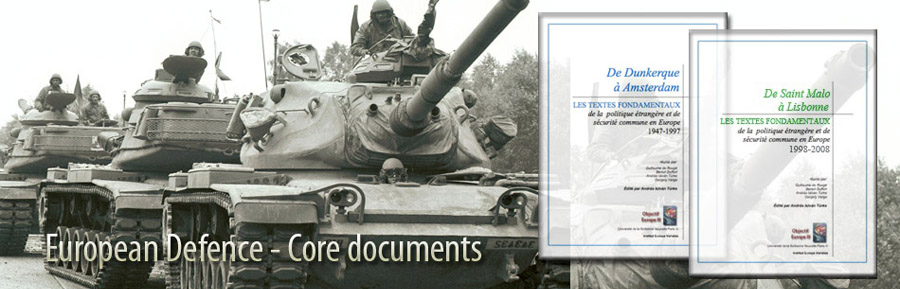

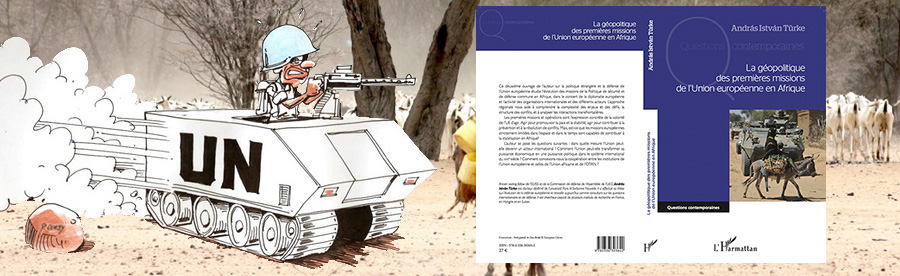
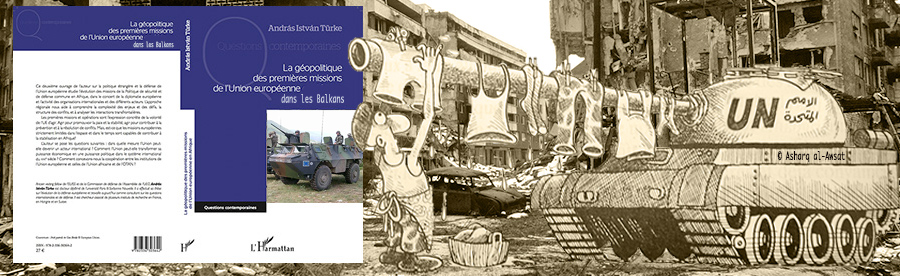
We are looking for sponsors for the English translation of these books, please contact turkeandras(at)gmail(dot)com