
You are here
Feed aggregator
Sabotage-Krimi in Deutschland geht weiter: Polizei entschärft zwölf Bomben an Strommasten
In Ostsachsen wollte offenbar jemand das Stromnetz lahmlegen. Die Polizei hat zwölf Sprengsätze an Hochspannungsleitungen entdeckt und rechtzeitig entschärft.
Categories: Határon túli magyar portálok összesített hírei, Swiss News
« Prolongation des horaires jusqu’à 22h » : Les nouveautés de Baddari pour la rentrée universitaire 2026
Le ministre de l’Enseignement supérieur et de la Recherche scientifique, Kamel Baddari, a confirmé ce samedi la prolongation des horaires d’ouverture des infrastructures universitaires jusqu’à […]
L’article « Prolongation des horaires jusqu’à 22h » : Les nouveautés de Baddari pour la rentrée universitaire 2026 est apparu en premier sur .
Categories: Afrique, Swiss News
Visa Schengen pour l’Espagne : BLS International lance un nouveau système de rendez-vous
Du changement majeur pour vos demandes de visa Schengen ! Pour simplifier les démarches des demandeurs algériens et fluidifier l’accès aux créneaux, le prestataire officiel […]
L’article Visa Schengen pour l’Espagne : BLS International lance un nouveau système de rendez-vous est apparu en premier sur .
Categories: Afrique, Swiss News
Quand un préavis de quatre minutes ne suffit pas : les nouvelles tactiques de tir incessant de la Russie épuisent les habitants de Kiev
L'intensification et la violence croissante des attaques russes contre Kiev ont épuisé de nombreux civils et les ont mis à rude épreuve.
Categories: Afrique, European Union
Quand un préavis de quatre minutes ne suffit pas : les nouvelles tactiques de tir incessant de la Russie épuisent les habitants de Kiev
L'intensification et la violence croissante des attaques russes contre Kiev ont épuisé de nombreux civils et les ont mis à rude épreuve.
Categories: Afrique, Swiss News
Történelmi választás Németországban
Szeptember 6-án tartanak tartományi választást a németországi Szász-Anhalt (Sachsen Anhalt) tartományban. Szász-Anhalt tele van történelmileg jelentős helyekkel, itt található például Wittenberg, a reformáció bölcsője, valamint Quedlinburg és Magdeburg csodálatos városai, melyek a középkori Németország, a Német-Római Császárság ékkövei voltak.
A sajtó figyelmének középpontjába azonban nem a régió szépsége vagy a választás puszta ténye repítette a tartományt. Történelmi jelentőségét az adja ennek a választásnak, hogy először fordulhat elő olyan, hogy a hagyományos pártoktól jobbra található csoportosulás egyedül kormányozzon egy tartományt. Az AfD most erre készül. A jelenlegi felmérések alapján reális esélye lehet a pártnak a szükséges mandátumok összegyűjtésére. Az INSA legfrissebb felmérése szerint az AfD 43%-on, a centrumban elhelyezkedő CDU 22%-on, a szélsőbaloldali Linke 12%-on, míg a szociáldemokrata párt 7%-on áll. Ők úgy tűnik, biztosan bekerülnek a tartományi döntéshozásba. Akiknél ez még kérdés, azok a Zöldek (5% körül), valamint a szélsőbaloldali BSW (4%).
Az Alternatíva Németországért párt népszerűségének hátterében a mainstream pártokkal szembeni elégedetlenség áll. A német választók szerint az elmúlt évtizedek CDU-SPD kormányzata nem adott megfelelő választ a migráció, a klímaváltozás, az orosz–ukrán háború, valamint az európai versenyképesség helyzetét érintő kérdésekre. A rendelkezésre álló információink alapján kétféle eredménye lehet ennek a választásnak. Vagy az AfD sikeresen megszerzi a mandátumok 50%-át (42 helyet a 83-ból), vagy az összes többi párt összefogva (CDU-Linke-SPD-Zöldek) próbál meg valamiféle tartományi kormányzást végezni. Az AfD sikere a központi források elvesztésével járhat, míg a négypárti koalíció a tartományi stabilitás teljes felszámolásával (ahogy látjuk azt Türingiában, ahol a legutóbbi választáson 30% feletti eredménnyel az AfD nyert, de kormányt nem tudott alakítani, azóta pedig már bőven 40% felé mérik a pártot helyben).
Sokaknak furcsa lehet, hogy miért kell az AfD-nek a mandátumok 50%-át megszerezni, miért nem fog össze inkább valamelyik kisebb párttal a szükséges mandátumok megszerzése érdekében. Erre a válasz igen egyszerű: a német politikából ismerős kifejezés, a tűzfal (Brandmauer). Ez a mainstream pártok által felállított fal arra szolgál, hogy az AfD-t távol tartsák a hatalomtól. A német média és a mainstream pártok által szélsőségesnek vélt AfD-vel ennek okán senki nem kíván együttműködni, vagy koalícióra lépni.
Biztonságpolitikai szempontból is érdemes megközelíteni a kérdést. Németország Európán belül az egyik leghatározottabban Oroszország-kritikus ország, ezzel szemben az AfD pragmatikusabb Oroszország-politikát követel, valamint a kapcsolatok újraértelmezését, az északi gázvezetékek újbóli megnyitását. Különösen érdekes helyzetet teremthetne tehát, ha a központi Ukrajna-politikától lényegesen eltérő nézetrendszerrel rendelkező párt kerülne hatalomra. Sajtóinformációk szerint a berlini kormányzat már kidolgozott egy potenciális cselekvési tervet egy AfD-győzelemre. Ebben a forgatókönyvben a központi kormányzat szövetségi kényszert (Bundeszwang) alkalmazhat a tartománnyal szemben, amennyiben az nem hajlandó eleget tenni az ország NATO-vállalásainak (például nem engedi át a fegyvereket, vagy nem támogatja külföldi katonák állomásoztatását). Érdemes azonban megjegyezni, hogy a honvédelem és a külpolitika Németországban kizárólagos szövetségi hatáskör (Bundessache), így egy tartományi kormánynak jogilag nagyon minimális mozgástere van a nemzetközi biztonságpolitikai és katonai kötelezettségek blokkolására.
A választás eredményétől függetlenül a kérdés marad: meddig tartható távol az AfD a hatalomtól, és vajon a vele szemben felállított tűzfal nem hajtja-e a vizet inkább a jobboldali párt malmára? Nem tudjuk, de a választás kapcsán ma este okosabbak leszünk.
– Nagy-Bato Jonatán Imre
A Történelmi választás Németországban bejegyzés először Biztonságpolitika-én jelent meg.
Categories: Balkan News, Biztonságpolitika
Les États-Unis et la Russie plus petits, l’Afrique plus grande : l’ONU redessine la carte du monde
L’Afrique est-elle sous-dimensionnée sur nos cartes ? Vendredi, l’ONU étudie le projet de résolution « Correct the Map », porté par le Togo et l’Union […]
L’article Les États-Unis et la Russie plus petits, l’Afrique plus grande : l’ONU redessine la carte du monde est apparu en premier sur .
Categories: Afrique, Határon túli magyar portálok összesített hírei
S.E Hazzah Mohammed Al-Qahtani présente ses lettres de créance au président Romuald Wadagni
Le nouvel Ambassadeur extraordinaire et plénipotentiaire des Émirats arabes unis près la République du Bénin, Son Excellence Hazzah Mohammed Al-Qahtani, a présenté ses lettres de créance au Président de la République du Bénin, SEM. Romuald Wadagni, jeudi 3 septembre 2026, au Palais de la Marina, à Cotonou.

Son Excellence Hazzah Mohammed Al-Qahtani a présenté ses lettres de créance à Son Excellence Romuald Wadagni, Président de la République du Bénin, en qualité d'Ambassadeur des Émirats arabes unis auprès de la République du Bénin.
La cérémonie officielle s'est tenue, jeudi dernier, au Palais de la Présidence à Cotonou.
Le diplomate émirati a transmis au Président de la République du Bénin les salutations de Son Altesse Cheikh Mohamed bin Zayed Al Nahyan, Président des Émirats arabes unis, ainsi que ses vœux de progrès et de prospérité pour la République du Bénin et son peuple ami.

Après la réception des lettres de créance, Son Excellence le Président Romuald Wadagni a chargé l'Ambassadeur de transmettre ses salutations à Son Altesse le Président des Émirats arabes unis, lui adressant ses meilleurs vœux de progrès et de prospérité pour les Émirats arabes unis et leur peuple.

Son Excellence Hazzah Mohammed Al-Qahtani vient succéder à l'Ambassadeur Mohammed Saeed Al-Kaabi, qui a beaucoup œuvré au renforcement de la coopération entre les deux pays au cours des trois dernières années.
L'arrivée de Son Excellence Hazzah Mohammed Al-Qahtani va réactiver et consolider les axes de partenariat technique, économique et politique entre Cotonou et Abou Dabi.


Categories: Afrique
TV presenter among 12 sentenced to death in Egypt drugs case
Sarah Khalifa is best known for her TV programme Mission Impossible which dealt with crime issues.
Categories: Africa, Határon túli magyar portálok összesített hírei
DIGITAL 08H : les 5 numéros tirés ce dimanche
DIGITAL 08H : Avez-vous tenté votre chance ?
Le tirage DIGITAL 08H N°151 a livré son verdict !
Dimanche 06 Septembre 2026
Avez-vous joué ?
Avez-vous misé sur vos numéros porte-bonheur ?
RÉSULTAT : 28 • 54 • 17 • 31 • 13
Félicitations aux heureux gagnants !
Pas encore cette fois ? Gardez le sourire.
Rendez-vous à 11H pour le prochain tirage.
Jouez dans les points de vente ou : Tapez *590# ou rendez-vous sur lnbloto.bj
Jouez avec modération et responsabilité. Le jeu doit rester un plaisir.
LA CROIX DU DIMANCHE 6 SEPTEMBRE 2026

Categories: Afrique
DIGITAL 00H : les numéros gagnants
DIGITAL 00H : Avez-vous tenté votre chance ?
Le tirage DIGITAL 00H N°150 a livré son verdict !
Dimanche 06 Septembre 2026
Avez-vous joué ?
Avez-vous misé sur vos numéros porte-bonheur ?
RÉSULTAT : 48 • 69 • 38 • 42 • 75
Félicitations aux heureux gagnants !
Pas encore cette fois ? Gardez le sourire.
Rendez-vous à 08H pour le prochain tirage.
Jouez dans les points de vente ou : Tapez *590# ou rendez-vous sur lnbloto.bj
Jouez avec modération et responsabilité. Le jeu doit rester un plaisir.
Categories: Afrique
Keynote speech by President António Costa at the Intelligence on the World, Europe, and Italy – Cernobbio Forum
On 5 September 2026, European Council President António Costa delivered a keynote speech at the Intelligence on the World, Europe, and Italy – Cernobbio Forum, in Cernobbio, Italy.
Categories: Afrique, European Union
Press statement by President Costa following the meeting with Prime Minister of Slovenia, Janez Janša
European Council President, António Costa, had a meeting with Prime Minister of Slovenia, Janez Janša, on 4 September 2026, in Ljubljana, Slovenia. The meeting is part of President Costa's annual "Tour des Capitales".
Categories: Afrique, European Union
Weekly schedule of President António Costa
Weekly schedule of President António Costa, 7-13 September 2026
Categories: Afrique, European Union
President António Costa's "Tour des Capitales": preview for week 3
The President of the European Council, António Costa, will continue his visits to EU member states to meet national leaders.
Categories: Africa, European Union
Second EU-GCC Summit to take place on 24 October in Saudi Arabia
On 24 October 2026, the leaders of the European Union member states and the countries of Gulf Cooperation Council (GCC) will meet in Saudi Arabia for the second EU-GCC Summit. On the EU side, this multilateral summit will be co-chaired by the President of the European Council, António Costa. The EU will also be represented by the President of the European Commission, Ursula von der Leyen.
Categories: Africa, European Union
Press statement by President Costa following the meeting with President of Cyprus, Nikos Christodoulides
European Council President, António Costa, had a meeting with President of Cyprus, Nikos Christodoulides, on 4 September 2026, in Nicosia, Cyprus. The meeting is part of President Costa's annual "Tour des Capitales".
Categories: Afrique, European Union
Press statement by President Costa following the meeting with Prime Minister of Greece, Kyriakos Mitsotakis
European Council President, António Costa, had a meeting with Prime Minister of Greece, Kyriakos Mitsotakis, on 3 September 2026, in Athens, Greece. The meeting is part of President Costa's annual "Tour des Capitales".
Categories: Afrique, European Union
Press statement by President Costa following the meeting with Prime Minister of Bulgaria, Rumen Radev
European Council President, António Costa, had a meeting with Prime Minister of Bulgaria, Rumen Radev, on 3 September 2026, in Sofia, Bulgaria. The meeting is part of President Costa's annual "Tour des Capitales".
Categories: Afrique, European Union
EU customs: Council greenlights landmark reform
The new EU customs framework gives authorities a more modern toolbox to deal with emerging challenges and trends, such as the boom in e-commerce.
Categories: Afrique, European Union
Pages
the old site is here


© 2012-2015 Europa Varietas Foundation © 2015-2020 Europa Varietas Association
www.europavarietas.org | info(@)europavarietas(dot)org | Switzerland
This is a GDPR ready site
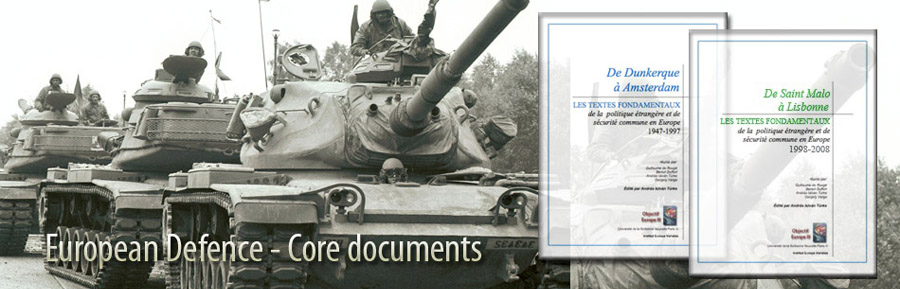
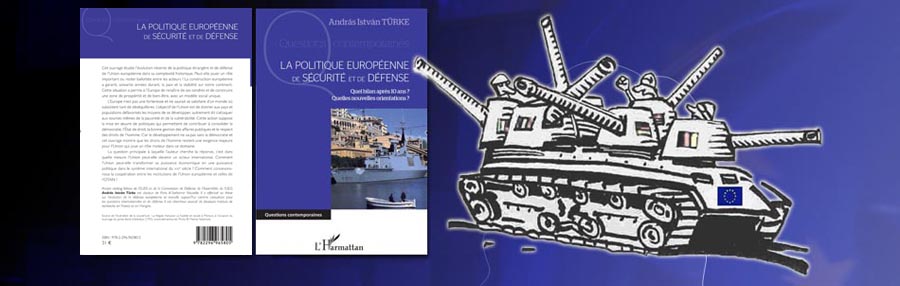
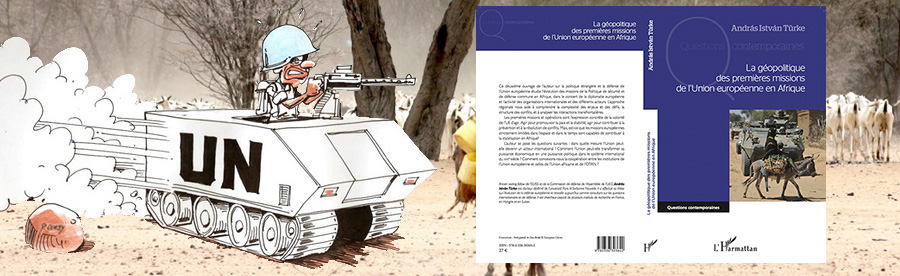
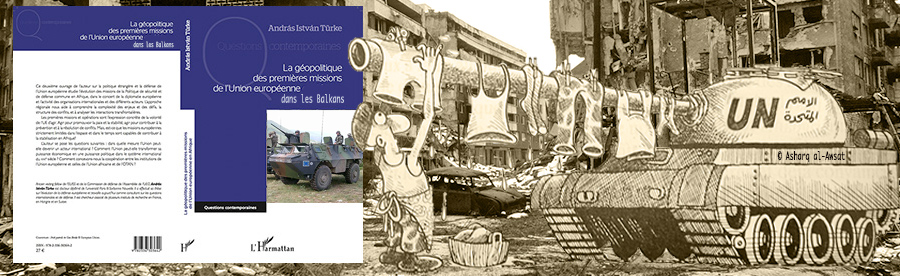
We are looking for sponsors for the English translation of these books, please contact turkeandras(at)gmail(dot)com