
You are here
Feed aggregator
Press release - Press conference by President Metsola and Canada’s Prime Minister Mark Carney
European Parliament President Roberta Metsola and Canada’s Prime Minister Mark Carney will hold a joint press conference tomorrow at 12.30.
Source : © European Union, 2026 - EP
Source : © European Union, 2026 - EP
Categories: European Union, Swiss News
Press release - Press conference by President Metsola and Canada’s Prime Minister Mark Carney
European Parliament President Roberta Metsola and Canada’s Prime Minister Mark Carney will hold a joint press conference tomorrow at 12.30.
Source : © European Union, 2026 - EP
Source : © European Union, 2026 - EP
Categories: Afrique, Európai Unió : hírek magyarul
Pluies et orages en Algérie : plusieurs wilayas sous vigilance ce jeudi 17 septembre
Le ciel algérien ne se calmera pas avant la fin de la semaine. Les services de l’Office national de la météorologie (ONM) maintiennent une vigilance […]
L’article Pluies et orages en Algérie : plusieurs wilayas sous vigilance ce jeudi 17 septembre est apparu en premier sur .
Categories: Afrique
Pressemitteilung - Parlament fordert härtere Antwort auf hybride Bedrohungen
In einem neuen Bericht warnt das Parlament vor einer deutlichen Zunahme hybrider Angriffe auf die EU. Russland und russlandnahe Akteure stehen dabei im Mittelpunkt.
Ausschuss für Sicherheit und Verteidigung
Quelle : © Europäische Union, 2026 - EP
Ausschuss für Sicherheit und Verteidigung
Quelle : © Europäische Union, 2026 - EP
Categories: Europäische Union, Swiss News
Pressemitteilung - Parlament fordert härtere Antwort auf hybride Bedrohungen
In einem neuen Bericht warnt das Parlament vor einer deutlichen Zunahme hybrider Angriffe auf die EU. Russland und russlandnahe Akteure stehen dabei im Mittelpunkt.
Ausschuss für Sicherheit und Verteidigung
Quelle : © Europäische Union, 2026 - EP
Ausschuss für Sicherheit und Verteidigung
Quelle : © Europäische Union, 2026 - EP
Categories: Afrique, Europäische Union
Press release - The European Parliament demands a firmer EU response to hybrid threats
In a new report, MEPs warn of increased hybrid attacks against the EU, with Russia and its proxies the main culprits.
Committee on Security and Defence
Source : © European Union, 2026 - EP
Committee on Security and Defence
Source : © European Union, 2026 - EP
Categories: European Union, Swiss News
Pressemitteilung - Parlament gibt grünes Licht für schnellere Verteidigungsinvestitionen
Am Mittwoch stimmte das Parlament neuen Regeln für schnellere Verteidigungsinvestitionen und stärkere Verteidigungsbereitschaft zu.
Ausschuss für Umweltfragen, öffentliche Gesundheit und Lebensmittelsicherheit
Ausschuss für Binnenmarkt und Verbraucherschutz
Ausschuss für Industrie, Forschung und Energie
Ausschuss für Sicherheit und Verteidigung
Quelle : © Europäische Union, 2026 - EP
Ausschuss für Umweltfragen, öffentliche Gesundheit und Lebensmittelsicherheit
Ausschuss für Binnenmarkt und Verbraucherschutz
Ausschuss für Industrie, Forschung und Energie
Ausschuss für Sicherheit und Verteidigung
Quelle : © Europäische Union, 2026 - EP
Categories: Europäische Union, Swiss News
Press release - The European Parliament demands a firmer EU response to hybrid threats
In a new report, MEPs warn of increased hybrid attacks against the EU, with Russia and its proxies the main culprits.
Committee on Security and Defence
Source : © European Union, 2026 - EP
Committee on Security and Defence
Source : © European Union, 2026 - EP
Categories: European Union, Swiss News
Pressemitteilung - Parlament gibt grünes Licht für schnellere Verteidigungsinvestitionen
Am Mittwoch stimmte das Parlament neuen Regeln für schnellere Verteidigungsinvestitionen und stärkere Verteidigungsbereitschaft zu.
Ausschuss für Umweltfragen, öffentliche Gesundheit und Lebensmittelsicherheit
Ausschuss für Binnenmarkt und Verbraucherschutz
Ausschuss für Industrie, Forschung und Energie
Ausschuss für Sicherheit und Verteidigung
Quelle : © Europäische Union, 2026 - EP
Ausschuss für Umweltfragen, öffentliche Gesundheit und Lebensmittelsicherheit
Ausschuss für Binnenmarkt und Verbraucherschutz
Ausschuss für Industrie, Forschung und Energie
Ausschuss für Sicherheit und Verteidigung
Quelle : © Europäische Union, 2026 - EP
Categories: Afrique, Europäische Union
Pressemitteilung - Debatte zur Lage der EU: Wirtschaft, Sicherheit, Klima, KI und soziale Medien
In der jährlichen Debatte zur Lage der EU diskutierten die Abgeordneten mit Kommissionspräsidentin von der Leyen über die Arbeit der Kommission und Europas wichtigste Herausforderungen.
Quelle : © Europäische Union, 2026 - EP
Quelle : © Europäische Union, 2026 - EP
Categories: Europäische Union, Swiss News
Sajtóközlemény - Az Európai Parlament határozottabb uniós választ követel a hibrid fenyegetésekre
Az EP-képviselők egy új állásfoglalásban arra figyelmeztetnek, hogy egyre több hibrid támadás éri az EU-t, amelyek mögött elsősorban Oroszország és közvetítői állnak.
Biztonság- és Védelempolitikai Bizottság
Forrás : © Európai Unió, 2026 - EP
Biztonság- és Védelempolitikai Bizottság
Forrás : © Európai Unió, 2026 - EP
Categories: Afrique, Európai Unió : hírek magyarul
Press release - Parliament backs new measures to strengthen Europe’s defence readiness
On Wednesday, Parliament approved changes to accelerate defence investment and improve the EU’s responsiveness to security challenges.
Committee on the Environment, Public Health and Food Safety
Committee on the Internal Market and Consumer Protection
Committee on Industry, Research and Energy
Committee on Security and Defence
Source : © European Union, 2026 - EP
Committee on the Environment, Public Health and Food Safety
Committee on the Internal Market and Consumer Protection
Committee on Industry, Research and Energy
Committee on Security and Defence
Source : © European Union, 2026 - EP
Categories: European Union, Swiss News
Press release - Parliament backs new measures to strengthen Europe’s defence readiness
On Wednesday, Parliament approved changes to accelerate defence investment and improve the EU’s responsiveness to security challenges.
Committee on the Environment, Public Health and Food Safety
Committee on the Internal Market and Consumer Protection
Committee on Industry, Research and Energy
Committee on Security and Defence
Source : © European Union, 2026 - EP
Committee on the Environment, Public Health and Food Safety
Committee on the Internal Market and Consumer Protection
Committee on Industry, Research and Energy
Committee on Security and Defence
Source : © European Union, 2026 - EP
Categories: European Union, Swiss News
Press release - Parliament backs new measures to strengthen Europe’s defence readiness
On Wednesday, Parliament approved changes to accelerate defence investment and improve the EU’s responsiveness to security challenges.
Committee on the Environment, Public Health and Food Safety
Committee on the Internal Market and Consumer Protection
Committee on Industry, Research and Energy
Committee on Security and Defence
Source : © European Union, 2026 - EP
Committee on the Environment, Public Health and Food Safety
Committee on the Internal Market and Consumer Protection
Committee on Industry, Research and Energy
Committee on Security and Defence
Source : © European Union, 2026 - EP
Categories: Afrique, Európai Unió : hírek magyarul
Press release - Court of Auditors: MEPs back Austria’s candidate
On Wednesday, Parliament endorsed the nomination of Gerald Loacker to be Austria’s member of the European Court of Auditors (ECA).
Committee on Budgetary Control
Source : © European Union, 2026 - EP
Committee on Budgetary Control
Source : © European Union, 2026 - EP
Categories: European Union, Swiss News
Press release - Court of Auditors: MEPs back Austria’s candidate
On Wednesday, Parliament endorsed the nomination of Gerald Loacker to be Austria’s member of the European Court of Auditors (ECA).
Committee on Budgetary Control
Source : © European Union, 2026 - EP
Committee on Budgetary Control
Source : © European Union, 2026 - EP
Categories: European Union, Swiss News
Press release - Court of Auditors: MEPs back Austria’s candidate
On Wednesday, Parliament endorsed the nomination of Gerald Loacker to be Austria’s member of the European Court of Auditors (ECA).
Committee on Budgetary Control
Source : © European Union, 2026 - EP
Committee on Budgetary Control
Source : © European Union, 2026 - EP
Categories: Afrique, Európai Unió : hírek magyarul
Press release - MEPs debate state of the EU: economy, security, climate, AI, social media
In the annual State of the European Union debate, MEPs and President von der Leyen discussed the Commission’s work over the past year and the EU’s most immediate challenges.
Source : © European Union, 2026 - EP
Source : © European Union, 2026 - EP
Categories: European Union, Swiss News
Press release - MEPs debate state of the EU: economy, security, climate, AI, social media
In the annual State of the European Union debate, MEPs and President von der Leyen discussed the Commission’s work over the past year and the EU’s most immediate challenges.
Source : © European Union, 2026 - EP
Source : © European Union, 2026 - EP
Categories: European Union, Swiss News
Press release - The European Parliament adopts new e-commerce and customs rules
On Wednesday, MEPs approved a major reform of the EU Customs Code that introduces stricter rules for e-commerce and establishes a new customs authority.
Committee on the Internal Market and Consumer Protection
Source : © European Union, 2026 - EP
Committee on the Internal Market and Consumer Protection
Source : © European Union, 2026 - EP
Categories: European Union, Swiss News
Pages
the old site is here


© 2012-2015 Europa Varietas Foundation © 2015-2020 Europa Varietas Association
www.europavarietas.org | info(@)europavarietas(dot)org | Switzerland
This is a GDPR ready site
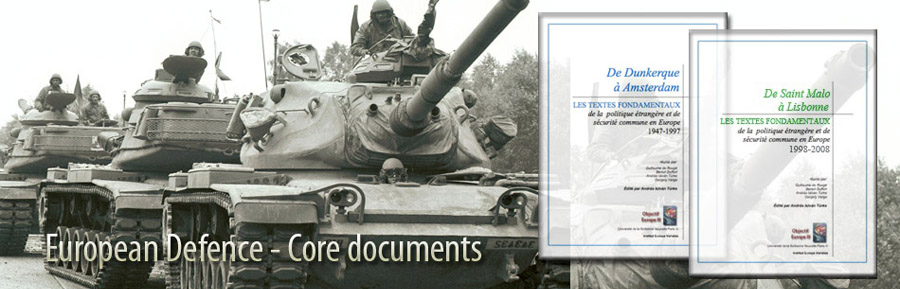
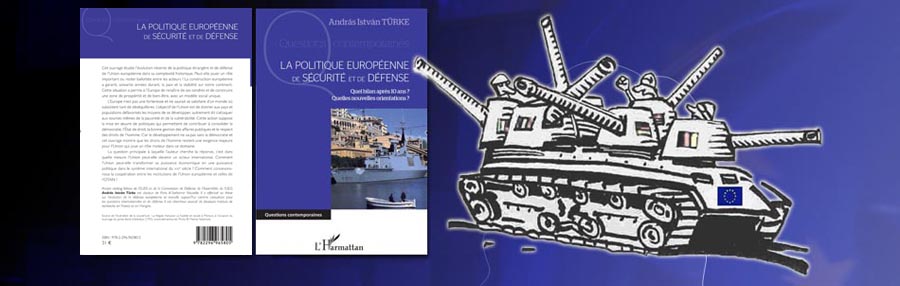
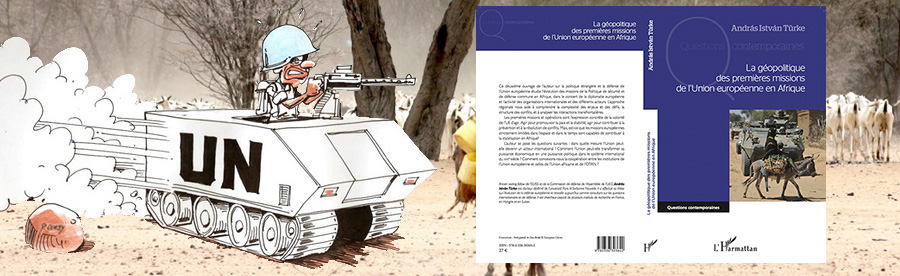
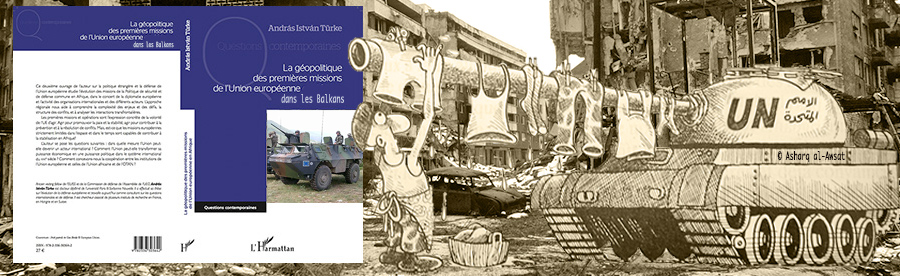
We are looking for sponsors for the English translation of these books, please contact turkeandras(at)gmail(dot)com