
You are here
Feed aggregator
Un braqueur arrêté en tentant de revendre une moto volée
Une opération menée, le 10 septembre 2026, par le commissariat de l'arrondissement de Covè a permis d'interpeller plusieurs suspects dans une affaire de vols à main armée et de motos dérobées.
Un braqueur s'est présenté à un rendez-vous de vente sans savoir que les policiers l'attendaient.
Le suspect cherchait à écouler une motocyclette d'origine suspecte.
Un fonctionnaire de police en civil a alors été positionné comme acheteur pour permettre son interpellation au moment de la transaction.
Le suspect est arrivé avec une moto Bajaj de couleur rouge, sans pouvoir en justifier clairement la provenance. Une fois maîtrisé, il a conduit les policiers jusqu'à son domicile.
Sur instruction des enquêteurs, le braqueur a contacté plusieurs complices, leur faisant croire qu'il les réunissait pour partager le produit de la vente de la moto.
Les investigations ont également permis de faire un rapprochement avec un autre braquage. Les suspects avaient tenté de revendre à une victime une autre motocyclette provenant d'un précédent vol à main armée. Le deux-roues a été récupéré et conduit au commissariat pour les besoins de l'enquête.
L'opération, menée le 10 septembre 2026, dans le village de Bagon, arrondissement de Lainta-Cogbé, faisait suite à des renseignements recueillis après plusieurs vols à main armée signalés dans l'arrondissement de Houin-Hounso.
M. M.
Categories: Afrique, Swiss News
Le verdict du tirage DIGITAL 20H
DIGITAL 20H : Avez-vous tenté votre chance ?
Le tirage DIGITAL 20H N°188 a livré son verdict !
Vendredi 18 Septembre 2026
Avez-vous joué ?
Avez-vous misé sur vos numéros porte-bonheur ?
RÉSULTAT : 48• 57• 28• 20• 34
Félicitations aux heureux gagnants !
Pas encore cette fois ? Gardez le sourire.
Rendez-vous à 00H pour le prochain tirage.
Jouez dans les points de vente ou : Tapez *590# ou rendez-vous sur lnbloto.bj
Jouez avec modération et responsabilité. Le jeu doit rester un plaisir.
Categories: Afrique, Swiss News
34 motos retrouvées attendent leurs propriétaires
Trente-quatre motocyclettes présentant des anomalies d'identification ont été extraites d'un lot de 84 engins saisis lors d'une opération de police à Togba, dans la commune d'Abomey-Calavi. Les personnes ayant subi le vol d'une moto sont invitées à se rapprocher du commissariat pour procéder à d'éventuelles identifications.
Les policiers du commissariat de l'arrondissement de Togba ont effectué une descente dans un magasin spécialisé dans la vente de deux-roues dans le cadre d'une enquête sur la commercialisation illicite de motocyclettes d'occasion.
84 motocyclettes ont été saisies à l'issue de l'opération, selon une publication de la Police républicaine en date du 18 septembre 2026.
Les vérifications techniques réalisées sur ces engins ont ensuite fait ressortir des irrégularités concernant 34 d'entre eux. Outre les modifications ou l'effacement des numéros de châssis, ces motocyclettes ne disposaient pas de documents permettant d'établir clairement leur identité et leur provenance.
La police invite désormais les personnes ayant déclaré le vol de leur motocyclette à se présenter au commissariat de Togba. Elles devront se munir de tout document susceptible de prouver leur propriété afin de permettre aux enquêteurs de procéder aux vérifications nécessaires.
L'opération s'inscrit dans les actions engagées par les forces de sécurité contre les circuits de commercialisation d'engins dont l'origine pourrait être frauduleuse.
M. M.
Categories: Afrique, Swiss News
Postponement not an option as Kenya races to be ready for Afcon 2027
African football boss Patrice Motsepe wants a "heightened sense of urgency" from Afcon 2027 co-hosts Kenya, Tanzania and Uganda as they face a race to be ready.
Categories: Africa, Swiss News
Postponement not an option as Kenya races to be ready for Afcon 2027
African football boss Patrice Motsepe wants a "heightened sense of urgency" from Afcon 2027 co-hosts Kenya, Tanzania and Uganda as they face a race to be ready.
Categories: Africa, Swiss News
Comment déclencher une procédure d'indemnisation pour vol annulé ou retardé au Bénin
Un retard important, une annulation ou un refus d'embarquement peut désorganiser tout un voyage : correspondance manquée, nuit imprévue à l'aéroport, frais supplémentaires, rendez-vous professionnel raté ou arrivée différée auprès de ses proches.
Mais un incident de vol ne signifie pas automatiquement qu'une indemnisation est due. À l'inverse, le refus initial d'une compagnie aérienne ne signifie pas nécessairement que le passager n'a aucun droit.
La bonne démarche consiste à partir des faits, à conserver les preuves, à identifier le régime juridique applicable et à adresser une réclamation précise à la compagnie aérienne. Le passager peut ensuite agir seul, consulter un avocat ou, s'il le souhaite et si son dossier est accepté, envisager une cession de créance à Robin des Airs.
Les 5 étapes, en bref
1. Constituer un dossier complet : preuves, pièces et captures d'écran.
2. Identifier précisément ce qui s'est passé : retard, annulation ou refus d'embarquement.
3. Identifier le droit applicable : UEMOA, droit béninois, EU261 selon le trajet et le transporteur.
4. Adresser une réclamation écrite et détaillée à la compagnie.
5. Si la compagnie refuse ou ne répond pas, choisir sa voie : agir seul, consulter un avocat ou envisager une cession de créance.
À retenir
– Conservez immédiatement votre billet, votre carte d'embarquement, vos échanges avec la compagnie et les justificatifs de dépenses.
– Un retard, une annulation et un refus d'embarquement ne produisent pas automatiquement les mêmes droits.
– Il faut distinguer remboursement, réacheminement, assistance et compensation financière.
– Le droit applicable dépend notamment de l'itinéraire, du lieu de départ, du transporteur aérien effectif et de la nature de l'incident.
– Une réclamation doit être détaillée, documentée et envoyée avec une preuve d'envoi.
– En cas de refus ou d'absence de réponse, le passager peut agir lui-même, consulter un avocat ou envisager une cession de créance.
Étape 1 : constituer un dossier complet
Dès que l'incident survient, le passager doit réunir et conserver le plus grand nombre possible de documents. Ces preuves seront utiles pour comprendre ce qui s'est passé, établir la chronologie des faits et formuler une demande sérieuse auprès de la compagnie.
Conservez notamment :
.Le billet électronique et la confirmation de réservation.
.La carte d'embarquement, si elle a été délivrée.
.Le numéro de réservation ou PNR.
.Le numéro de vol, la date et le trajet complet.
.Les SMS, courriels et notifications envoyés par la compagnie.
.Toute attestation remise par la compagnie ou le personnel aéroportuaire.
.Les captures d'écran indiquant les horaires prévus et les horaires réellement constatés.
.Les photographies du tableau d'affichage lorsque cela peut être utile.
.Les échanges écrits avec la compagnie, l'agence de voyage ou l'assistance aéroportuaire.
.Les justificatifs des frais engagés : repas, hôtel, taxi, transport, communication ou nouvelle réservation.
Attention si votre carte d'embarquement est dans Apple Wallet ou Google Wallet. Une carte d'embarquement numérique peut devenir inaccessible ou être supprimée de l'application après le voyage. Il est donc prudent d'en conserver une capture d'écran ou une copie PDF dès que possible, plutôt que de compter uniquement sur le Wallet pour conserver le justificatif.
Il est également utile de noter immédiatement ce qui s'est produit : heure d'arrivée à l'aéroport, heure de présentation au comptoir, information reçue, motif annoncé par la compagnie, solution proposée et heure réelle de départ ou d'arrivée.
Plus le dossier est précis, plus il est facile d'évaluer les recours possibles.
Étape 2 : identifier précisément ce qui s'est passé
Un même voyage peut être perturbé de plusieurs manières, mais chaque situation doit être qualifiée correctement.
– Retard important : le vol est maintenu mais part ou arrive plus tard que prévu. Droits potentiellement concernés : assistance, éventuellement remboursement dans certaines situations et, selon le régime applicable, autres recours.
– Annulation : le vol initialement prévu n'est pas effectué. Droits potentiellement concernés : remboursement ou réacheminement, assistance et, selon les circonstances, compensation.
– Refus d'embarquement : le passager ne peut pas embarquer malgré une réservation confirmée et une présentation régulière. Droits potentiellement concernés : réacheminement ou remboursement, assistance et compensation possible.
– Déclassement : le passager est transporté dans une classe inférieure à celle payée. Droits potentiellement concernés : remboursement partiel ou autre réparation, selon le contrat et le droit applicable.
Il ne faut donc pas écrire ou croire que tout retard donne automatiquement droit à un montant forfaitaire précis.
Dans le cadre du Règlement n° 03/2003/CM/UEMOA, un retard important peut notamment donner lieu à une assistance à partir d'un retard prévisible de trois heures pour les vols de moins de 2 500 kilomètres et de cinq heures pour les vols de 2 500 kilomètres ou plus. Cette assistance ne doit pas être confondue avec une compensation financière automatique.
Que prévoit le régime UEMOA ?
Le Bénin est membre de l'UEMOA. Le Règlement n° 03/2003/CM/UEMOA est donc un texte important à examiner lorsqu'un vol et le transporteur concernés entrent dans son champ d'application.
Il établit des règles relatives au refus d'embarquement, à l'annulation et au retard important. Son application dépend toutefois du dossier concret : itinéraire, lieu de départ, transporteur concerné, nature du vol, circonstances de l'incident et autres règles éventuellement applicables.
Le simple fait qu'un vol parte de Cotonou, arrive au Bénin ou rencontre un incident sur le territoire béninois ne suffit pas, à lui seul, à déterminer tous les droits du passager.
Refus d'embarquement
Pour les vols relevant du règlement UEMOA, les compensations minimales prévues en cas de refus d'embarquement involontaire sont notamment les suivantes :
– Jusqu'à 2 500 km : 100 000 FCFA en classe économique, 200 000 FCFA en classe affaires.
– Plus de 2 500 km : 400 000 FCFA en classe économique, 800 000 FCFA en classe affaires.
Dans certaines situations, notamment lorsqu'un passager est réacheminé et atteint sa destination dans les délais prévus par le règlement, ces montants peuvent être réduits de moitié.
Pour cette réduction, le règlement prévoit notamment des délais de réacheminement à ne pas dépasser : jusqu'à trois heures pour les vols de 2 500 kilomètres ou moins et jusqu'à cinq heures pour les vols de plus de 2 500 kilomètres.
Le refus d'embarquement doit également être distingué d'un refus raisonnablement justifié par certaines circonstances, par exemple des documents de voyage inadéquats ou des considérations de santé, de sûreté ou de sécurité, selon les faits et les règles applicables.
Annulation
Lorsqu'un vol est annulé, le passager doit vérifier les solutions proposées par la compagnie :
– Le remboursement du billet, lorsque le passager choisit de ne pas poursuivre son voyage ou lorsque les conditions prévues sont réunies.
– Le réacheminement vers la destination finale.
– L'assistance pendant l'attente, selon les circonstances.
– Une compensation financière éventuelle lorsque les conditions du régime applicable sont réunies.
La compensation n'est pas automatique. L'analyse doit notamment prendre en compte la cause de l'annulation, le moment auquel le passager a été informé, la solution de remplacement proposée et les circonstances que la compagnie pourrait invoquer.
Le règlement UEMOA prévoit un mécanisme spécifique pour les annulations et renvoie, dans certaines situations, aux règles relatives au refus d'embarquement, à l'assistance et à la compensation.
Retard important
Un retard important ne doit pas être confondu avec une annulation, même si ses conséquences peuvent être très lourdes pour le passager.
Dans le régime UEMOA, un retard prévisible d'au moins trois heures pour un vol de moins de 2 500 kilomètres, ou d'au moins cinq heures pour un vol de 2 500 kilomètres ou plus, peut ouvrir droit à une assistance dans les conditions prévues par le texte.
Cette assistance vise les besoins du passager pendant l'attente. Elle ne signifie pas nécessairement qu'une compensation financière forfaitaire est automatiquement due.
Les droits précis doivent être examinés selon les circonstances du dossier, les prestations effectivement proposées par la compagnie et le régime juridique applicable.
Étape 3 : identifier le droit applicable
Avant de réclamer une somme précise, il faut déterminer quel texte encadre le voyage.
Pour un incident lié à un vol au départ, à destination ou en correspondance au Bénin, plusieurs règles peuvent devoir être examinées :
– Le Règlement n° 03/2003/CM/UEMOA lorsque le vol et le transporteur entrent dans son champ d'application.
– Le Code de l'aviation civile et commerciale du Bénin.
– Le contrat de transport de la compagnie aérienne.
– Les conventions internationales applicables au transport aérien.
– Les règles européennes de protection des passagers, notamment pour certains vols à destination de l'Union européenne.
Le Bénin dispose d'un Code de l'aviation civile et commerciale institué par la loi n° 2024-29 du 15 juillet 2024. Cette loi encadre largement l'aviation civile et commerciale en République du Bénin.
Exemple : un voyage Bénin vers l'Europe
Un passager voyage de Cotonou à Paris avec une réservation confirmée. Son vol est annulé peu avant le départ.
Dans cette situation, il ne faut pas se contenter de dire que le voyage concerne le Bénin. Il faut vérifier, entre autres, le transporteur aérien qui opère effectivement le vol, les informations reçues par le passager, l'éventuel vol de remplacement et la durée réelle du retard à destination.
Le règlement européen relatif aux droits des passagers peut être pertinent pour ce type de trajet, mais, au départ d'un pays tiers comme le Bénin, son application dépend notamment du transporteur aérien effectif et des autres conditions prévues par le règlement.
Et si votre vol est couvert par le règlement européen (EU261) ? Deux situations doivent notamment être distinguées.
Un vol au départ d'un aéroport de l'Union européenne vers le Bénin relève en principe du règlement européen, sous réserve des autres conditions prévues par celui-ci, quelle que soit la nationalité du transporteur.
Un vol au départ du Bénin vers l'Union européenne peut relever d'EU261 lorsque le transporteur aérien effectif est titulaire d'une licence d'exploitation délivrée par un État membre de l'Union européenne, sous réserve notamment des conditions prévues par le règlement et de l'absence de compensation ou d'assistance équivalente déjà obtenue dans le pays tiers.
Le nom de la compagnie affiché sur la réservation ne suffit donc pas toujours : il faut notamment identifier le transporteur aérien effectif, c'est-à-dire celui qui opère réellement le vol.
Les montants et conditions diffèrent de ceux du règlement UEMOA. Il est donc préférable de vérifier d'abord quel régime s'applique avant de calculer une éventuelle indemnisation.
Étape 4 : adresser une réclamation à la compagnie
Après avoir réuni les documents et identifié le problème, le passager doit adresser une réclamation écrite à la compagnie aérienne.
Il est préférable d'utiliser le formulaire officiel de la compagnie lorsqu'il existe, tout en conservant une copie complète de l'envoi. Une réclamation envoyée par courrier électronique, formulaire en ligne, courrier recommandé ou autre canal traçable doit pouvoir être prouvée.
La réclamation doit contenir :
- Les nom et prénom du passager.
- Les coordonnées permettant à la compagnie de répondre.
- Le numéro de réservation.
- La date du voyage.
- Le numéro de vol.
- L'itinéraire complet.
- L'heure initialement prévue.
- L'heure réelle de départ ou d'arrivée, si le vol a été effectué.
- La description précise de l'incident.
- Les conséquences subies.
- La demande formulée : remboursement, réacheminement, prise en charge de frais, assistance ou compensation.
- Les pièces jointes utiles.
Une formulation vague du type « mon vol était en retard, je demande une indemnisation » est rarement suffisante.
Exemple de demande :Madame, Monsieur,
Je vous adresse une réclamation concernant le vol [numéro de vol], prévu le [date], sur l'itinéraire [départ vers arrivée], réservé sous la référence [PNR].
Le vol a été [retardé / annulé / a fait l'objet d'un refus d'embarquement]. J'étais présent à l'aéroport et disposais d'une réservation confirmée ainsi que des documents de voyage nécessaires.
Le vol devait partir à [heure prévue] et a finalement [décollé / été annulé / été remplacé par un autre vol] à [heure constatée].
Je vous demande d'examiner mon dossier au regard des règles applicables et de m'indiquer les mesures auxquelles je peux prétendre, notamment concernant [le remboursement / le réacheminement / l'assistance / la compensation / le remboursement des frais joints].
Vous trouverez en pièces jointes ma confirmation de réservation, ma carte d'embarquement lorsqu'elle est disponible, les échanges reçus et les justificatifs de dépenses engagées.
Cordialement.
Distinguer remboursement, réacheminement, assistance et compensation
Ces termes sont souvent utilisés comme s'ils avaient le même sens. Pourtant, ils correspondent à des droits différents.
– Remboursement : restitution totale ou partielle du prix du billet dans certaines situations.
– Réacheminement : organisation d'un autre transport pour atteindre la destination.
– Assistance : prise en charge de certains besoins pendant l'attente, lorsque les conditions sont réunies.
– Compensation : somme forfaitaire ou réparation spécifique prévue par un texte dans certaines circonstances.
– Remboursement des frais : restitution de dépenses raisonnables et justifiées que la compagnie aurait dû prendre en charge.
Un passager peut donc avoir droit à une seule de ces mesures ou à plusieurs, selon le dossier.
Par exemple, une annulation peut conduire à un réacheminement, à une assistance pendant l'attente et, si les conditions légales sont réunies, à une compensation distincte.
Étape 5 : si la compagnie refuse ou ne répond pas, choisir sa voie
Une réponse négative de la compagnie ne suffit pas nécessairement à clore le dossier. Une absence de réponse non plus.
Le passager peut choisir entre plusieurs voies.
Agir seul
Le passager peut poursuivre sa démarche directement auprès de la compagnie.
Il peut envoyer une relance documentée, rappeler les faits, préciser les textes qu'il estime applicables, réclamer le remboursement de frais justifiés ou adresser une mise en demeure si cela est nécessaire.
Cette solution permet de garder la maîtrise de la procédure, mais elle demande du temps, de la rigueur et une bonne compréhension des règles applicables.
Consulter un avocat
Un avocat peut étudier la situation, vérifier la validité de la demande, évaluer les preuves, déterminer le droit applicable et engager les démarches précontentieuses ou contentieuses adaptées.
Cette solution peut être pertinente lorsqu'un dossier est complexe, qu'un préjudice important est invoqué, qu'un transport international est concerné ou qu'une action devant une juridiction doit être envisagée.
Envisager une cession de créance à Robin des Airs
Le passager peut aussi envisager une cession de créance, sous réserve de l'acceptation de son dossier et de la conclusion d'un contrat valable.
La cession de créance est un mécanisme juridique par lequel le titulaire initial d'une créance, appelé le cédant, transfère à un tiers, appelé le cessionnaire, le droit de réclamer le paiement à un débiteur.
Dans un dossier aérien : le passager est titulaire initial de la créance qu'il estime détenir ; Robin des Airs devient cessionnaire si un contrat de cession valable est conclu ; la compagnie aérienne est le débiteur potentiel de la créance.
Si la cession est valable et opposable, Robin des Airs peut, en principe, devenir titulaire de la créance cédée et agir en son propre nom dans les limites prévues par le contrat et le droit applicable.
Il ne s'agit pas d'un mandat donné par le passager. Dans un mandat, le professionnel agit pour le compte du voyageur. Dans une cession de créance, le droit de réclamer la créance est transféré au cessionnaire.
Les conditions de validité et d'opposabilité de la cession doivent toutefois être vérifiées au regard du droit applicable au dossier. Une formalisation écrite et, lorsque cela est requis, l'information ou l'acceptation du débiteur peuvent notamment être nécessaires.
Avant la signature, le passager doit connaître clairement :
- La créance et le vol concernés.
- La compagnie contre laquelle la demande pourrait être exercée.
- La part susceptible de lui revenir en cas de recouvrement.
- Les conditions de versement de cette part.
- L'existence ou l'absence de frais.
- Ses obligations de coopération et de transmission de documents.
- L'interdiction éventuelle de mener simultanément une réclamation identique.
- Les conséquences si le recouvrement échoue.
- Les règles applicables au traitement de ses données personnelles.
- Le droit applicable au contrat et le mode de règlement des éventuels litiges.
Robin des Airs ne garantit pas l'obtention d'une indemnisation. La société peut étudier le dossier puis, si une cession valable est conclue, agir en son nom propre pour tenter de recouvrer la créance auprès de la compagnie aérienne.
L'existence, le montant et le recouvrement effectif d'une créance dépendent toujours des circonstances du dossier et de la position de la compagnie.
Ne pas attendre pour agir
Les délais applicables ne sont pas nécessairement identiques pour toutes les demandes.
Ils peuvent dépendre du fondement juridique invoqué, de la nature du transport, du contrat applicable, de la juridiction concernée et des conventions internationales éventuellement pertinentes.
Le Code de l'aviation civile et commerciale du Bénin contient notamment des règles relatives à la responsabilité du transporteur et à la compétence des juridictions.L'article 246 prévoit notamment, pour les actions en responsabilité entrant dans le cadre visé par le Code, que le demandeur peut choisir certaines juridictions, notamment celle du lieu d'embarquement ou de destination.
Cette disposition ne signifie toutefois pas que toute demande d'indemnisation aérienne relève automatiquement des juridictions béninoises.
De même, le délai applicable à une éventuelle action doit être vérifié en fonction du fondement juridique précis de la demande. Il est donc préférable de ne pas attendre avant de constituer le dossier, d'envoyer une réclamation et de faire vérifier les délais applicables au cas par cas si une procédure devient nécessaire.
Conclusion
Face à un retard, une annulation ou un refus d'embarquement au Bénin, le premier réflexe ne doit pas être de deviner le montant d'une éventuelle indemnisation.
Il faut d'abord établir les faits : quel vol, quel incident, quel transporteur, quel retard réel, quelles solutions ont été proposées et quels frais ont été engagés.
Ensuite, le passager doit conserver ses preuves, identifier le régime juridique pertinent, adresser une réclamation détaillée et choisir la voie de recours la plus adaptée à sa situation.
Le détail du règlement UEMOA 03/2003, article par article, est consultable ici : https://www.google.com/url?q=https://robindesairs.eu/blog/reglement-uemoa-03-2003-indemnisation-vol-afrique-ouest.html&source=gmail&ust=1789887902754000&sa=E
Il peut agir seul, consulter un avocat ou, s'il souhaite transférer la gestion du dossier et si les conditions contractuelles et juridiques sont réunies, envisager de céder la créance qu'il estime détenir à Robin des Airs.
Si une cession valable est conclue, Robin des Airs devient titulaire de la créance cédée dans les limites du contrat et peut agir en son nom propre pour tenter de la recouvrer auprès de la compagnie aérienne.
Saint-Yves Kodjo dirige Robin des Airs, qu'il a fondé après quinze ans passés dans les cabines des compagnies aériennes (https://www.google.com/url?q=http://robindesairs.eu&source=gmail&ust=1789887902754000&sa=E).
Categories: Afrique, Swiss News
Schon zwei Siegen eingefahren: Macht Servette den Kunstrasen–Hattrick voll?
Zum dritten Mal in Folge müssen die Genfer auf Kunstrasen antreten. Zwei Sieg konnten Westschweizer auf der unliebsamen Unterlage bereits einfahren, doch mit YB wartet ein anderes Kaliber auf die angeschlagene Servette-Truppe. Hier kommt das Servette-Inside.
Categories: Swiss News
Nur drei Ampeln und viel Gold: So speziell ist das Leben in Grönland
Donald Trump ist heiss auf Grönland. Wir bringen dir die Insel im Video etwas näher und zeigen, wie die etwa 55'000 Einwohner leben.
Categories: Swiss News
«Bin so, so froh»: Patrice Aminati meldet Krebs-Hoffnungsschimmer
Nach schweren Wochen gibt es endlich eine gute Nachricht: Patrice Aminati meldet sich mit einem Hoffnungsschimmer bei ihren Followern. Die neue Behandlung gegen ihren Krebs scheint zu wirken.
Categories: Swiss News
«Fällt mir wahnsinnig schwer»: «GZSZ»-Star verlässt Kultserie nach vier Jahren
Seit 2022 spielt Nina Ensmann bei «Gute Zeiten, schlechte Zeiten» die Jessica. Nun verabschiedet sie sich von der RTL-Serie. Am letzten Drehtag fliessen die Tränen.
Categories: Swiss News
Wawrinka und Stricker verlieren: Schweiz im Davis Cup in Brasilien in Rücklage
Die Schweiz steht im Kampf um den Aufstieg in die Weltgruppe im Davis Cup gegen Brasilien vor einer Niederlage.
Categories: Swiss News
Nur die Spitze des Eisbergs: 45 Milliarden Dollar – Iran-Krieg noch teurer als gedacht
Der Iran-Krieg hat bereits Unmengen an Ressourcen und Waffen verschlungen. Nun hat das Pentagon eine neue Schätzung zu den Kriegskosten geliefert. Über 45 Milliarden Dollar soll der Konflikt im Iran bereits gekostet haben.
Categories: Swiss News
Über den Wolken fliegen die Fetzen: Männer prügeln sich während Flug nach London
Auf einem Flug von Sylhet (Bangladesch) nach London eskaliert ein Streit zwischen zwei Männern. Die beiden geraten heftig aneinander, erst die Crew kann den Streit beenden.
Categories: Swiss News
Nach Wildcard-Gerüchten: Hirscher trainiert wieder auf Schnee
Marcel Hirscher trainiert nach acht Monaten wieder auf Skiern. Der 37-jährige Österreicher legt seine ersten Pistenkilometer in der Ski-Halle von Zoetermeer (Niederlande) zurück.
Categories: Swiss News
20 Sekunden pro Auto: Nach dem Hagel bietet Axa den Dellen-Scanner auf
Der schwere Hagelsturm vom 28. August fordert jetzt die Versicherer. In speziellen Drive-ins scannt die AXA täglich Dutzende Autos auf Dellen. Blick hat das Hagel-Zentrum in Bülach ZH besucht.
Categories: Swiss News
Statement by the High Representative on behalf of the European Union on the so-called Presidential elections in the occupied breakaway region of South Ossetia
The EU issued a statement on the so-called Presidential elections in the occupied breakaway region of South Ossetia considering their outcome as null and void, and reiterating its unwavering support for the sovereignty and territorial integrity of Georgia within its internationally recognised borders.
Categories: Európai Unió : hírek magyarul, European Union
Remarks by Kyriakos Pierrakakis following the Eurogroup meeting of 18 September 2026
Remarks by Eurogroup President Kyriakos Pierrakakis on recent economic developments and euro area productivity and growth.
Categories: Európai Unió : hírek magyarul, European Union
Weekly schedule of President António Costa
Weekly schedule of President António Costa, 20-27 September 2026.
Categories: Európai Unió : hírek magyarul, European Union
António Costa elnök részt vesz az ENSZ-közgyűlés magas szintű hetén New Yorkban
António Costa, az Európai Tanács elnöke New Yorkba utazik, hogy az Európai Unió képviseletében részt vegyen az ENSZ 81. magas szintű hetén, amelyre 2026. szeptember 20. és 24. között kerül majd sor. Az elnök szeptember 24-én beszédet intéz az ENSZ Közgyűléséhez az EU nevében, és kinttartózkodása során társelnöke lesz a „Partnerek a multilateralizmusért” csúcstalálkozónak.
Categories: Európai Unió : hírek magyarul, European Union
Statement by the High Representative on behalf of the European Union on the so-called Presidential elections in the occupied breakaway region of South Ossetia
The EU issued a statement on the so-called Presidential elections in the occupied breakaway region of South Ossetia considering their outcome as null and void, and reiterating its unwavering support for the sovereignty and territorial integrity of Georgia within its internationally recognised borders.
Categories: European Union
Pages
the old site is here



© 2012-2015 Europa Varietas Foundation © 2015-2020 Europa Varietas Association
www.europavarietas.org | info(@)europavarietas(dot)org | Switzerland
This is a GDPR ready site
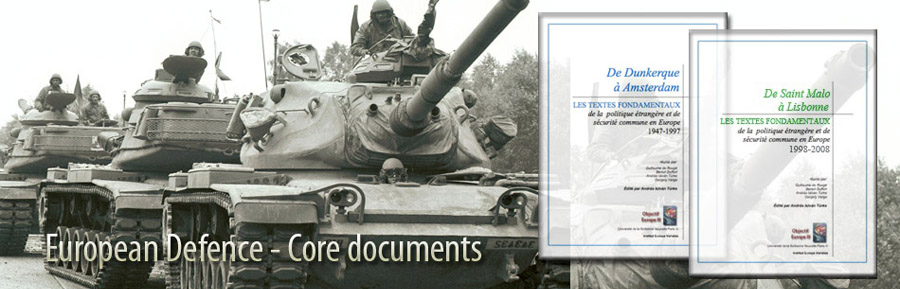

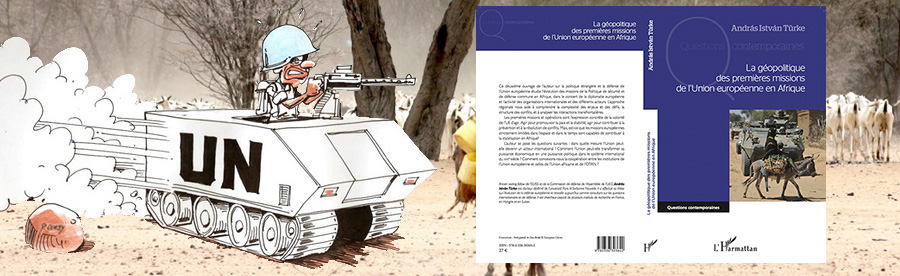
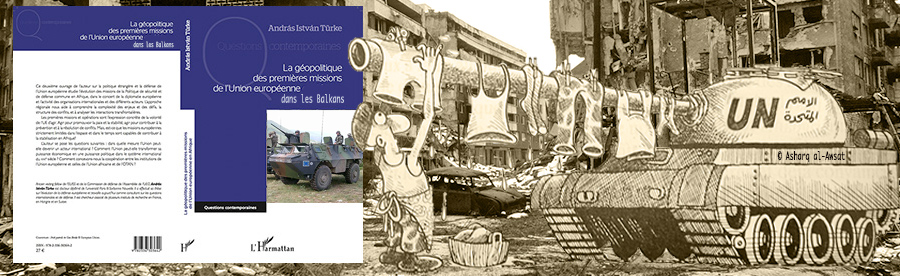
We are looking for sponsors for the English translation of these books, please contact turkeandras(at)gmail(dot)com