
You are here
Feed aggregator
Russia/Ukraine: Statement by the High Representative on behalf of the EU on Russian State Duma elections held on 18-20 September 2026 and their non-applicability on Ukrainian territory
The EU issued a statement on the on Russian State Duma elections held on 18-20 September 2026 and their non-applicability on Ukrainian territory.
Categories: Afrique, Europäische Union
Remarks by President António Costa at the press conference following the Partners for multilateralism summit
On 21 September 2026, European Council President, António Costa, together with the leaders of Australia, Barbados, Brazil, Canada, India and Kenya, convened the Partners for multilateralism, international law, peace and prosperity summit (P4M summit), in the margins of the United Nations General Assembly High Level Week.
Categories: Afrique, Európai Unió : hírek magyarul
Opening remarks by President António Costa at the Partners for multilateralism summit
On 21 September 2026, European Council President, António Costa, together with the leaders of Australia, Barbados, Brazil, Canada, India and Kenya convened the Partners for multilateralism, international law, peace and prosperity summit (P4M summit), in the margins of the United Nations General Assembly High Level Week.
Categories: Afrique, Európai Unió : hírek magyarul
Joint press release following trilateral EU-Australia Leaders meeting
The President of the European Council, António Costa, the President of the European Commission, Ursula von der Leyen and the Prime Minister of Australia, Anthony Albanese met on 21 September in the margins of the United Nations General Assembly.
Categories: Afrique, Európai Unió : hírek magyarul
Declaration of the Partners for Multilateralism (P4M) summit, 21 September 2026
Declaration of the Partners for Multilateralism (P4M) summit, 21 September 2026: a joint commitment to multilateralism, international law, peace and prosperity.
“Multilateralism is not idealism, it’s a necessity” – op-ed article by President António Costa, President Inácio Lula da Silva, President William Ruto and Prime Minister Mark Carney
The President of the European Council, António Costa, together with the President of Kenya, William Ruto, the President of Brazil, Luiz Inácio Lula da Silva, the Prime Minister of Australia, Anthony Albanese, the Prime Minister of Barbados, Mia Mottley, the Prime Minister of Canada, Mark Carney, and the Prime Minister of India, Narendra Modi, will convene the Partners for multilateralism, international law, peace and prosperity summit (P4M summit) on 21 September 2026 in the margins of the United Nations General Assembly High Level Week.
Media advisory - General Affairs Council of 22 September 2026
Main agenda items, approximate timing, public sessions and press opportunities.
Categories: Afrique, Európai Unió : hírek magyarul
Press briefing - Competitiveness Council of 24 September 2026
Press briefing ahead of the upcoming Competitiveness Council will take place on Tuesday, 22 September 2026 at 15.00.
Categories: Afrique, Európai Unió : hírek magyarul
Russia/Ukraine: Statement by the High Representative on behalf of the EU on Russian State Duma elections held on 18-20 September 2026 and their non-applicability on Ukrainian territory
The EU issued a statement on the on Russian State Duma elections held on 18-20 September 2026 and their non-applicability on Ukrainian territory.
Categories: Afrique, Európai Unió : hírek magyarul
Algérien marié à une Française : le préfet de police a 2 mois pour réexaminer son titre de séjour
Marié à une Française et père d’une petite fille française née en octobre 2025, un Algérien de 35 ans attendait depuis juin 2024 que la […]
L’article Algérien marié à une Française : le préfet de police a 2 mois pour réexaminer son titre de séjour est apparu en premier sur .
Categories: Afrique, European Union
Rentrée universitaire du 22 septembre : bourse, 17 000 nouveaux lits… ce que prévoit l’ONOU
Les étudiants algériens retrouvent les amphithéâtres ce mardi 22 septembre, neuf jours après le retour des enseignants-chercheurs, selon le calendrier fixé par le ministère de […]
L’article Rentrée universitaire du 22 septembre : bourse, 17 000 nouveaux lits… ce que prévoit l’ONOU est apparu en premier sur .
Categories: Afrique, European Union
250.000 barils de brut béninois sur le marché dès octobre
Le Bénin s'apprête à commercialiser sa toute première cargaison de pétrole brut en vingt ans. Bien que les volumes restent modestes, cette manne financière arrive à point nommé pour le gouvernement du nouveau président Romuald Wadagni. Courant octobre, Akrake Petroleum Benin — filiale de la société singapourienne Rex International Holding et opérateur du bloc 1 abritant le gisement de Sèmè (Sud-Est) — mettra en vente 250 000 barils de brut béninois.
Cette vente marque l'aboutissement d'un projet qui s'est fait désirer. La production actuelle tourne autour de 3 000 barils par jour (b/j), un chiffre en deçà des prévisions initiales de l'opérateur (qui espérait 5 000 à 6 000 b/j). En cause : un premier forage qui n'a pas atteint sa cible, obligeant l'exploitation à démarrer en mars grâce au seul second puits.
Bien que la cargaison n'ait pas encore trouvé preneur, Akrake Petroleum Benin profite d'une conjoncture particulièrement favorable. En tant que nouveau venu sur le marché mondial, le brut béninois subira certes une décote, mais celle-ci devrait être largement neutralisée par la hausse des cours mondiaux.
Nous y reviendrons
Categories: Afrique, Swiss News
CCR : les Douanes admettent les voitures de moins de 5 ans, fin de la dérogation diesel
Depuis le 1er janvier 2026, un Algérien de l’étranger qui rentre définitivement au pays peut dédouaner sans droits ni taxes une voiture de moins de […]
L’article CCR : les Douanes admettent les voitures de moins de 5 ans, fin de la dérogation diesel est apparu en premier sur .
Categories: Afrique, European Union
Ces aliments riches en cellulose essentiels pour une bonne digestion
Présente dans presque tous les végétaux que nous mangeons, la cellulose traverse notre organisme sans jamais être absorbée, et c’est justement là que réside son […]
L’article Ces aliments riches en cellulose essentiels pour une bonne digestion est apparu en premier sur .
Categories: Afrique, European Union
Trauer um Presley Gerber (†27): Cindy Crawfords Sohn soll an Überdosis gestorben sein
Presley Gerber starb am Sonntag in einer kalifornischen Entzugsklinik. Die Polizei untersucht eine mutmassliche Überdosis, Hinweise auf Fremdverschulden gibt es nicht.
Categories: Swiss News
Le trafic de marchandises au PAC progresse de 16,6 %
L'activité au Port autonome de Cotonou a connu une progression de 16,6 % au premier semestre 2026.
Hausse du volume de marchandises au Port Autonome de Cotonou. Selon des données publiées en août 2026 par le ministère de l'Économie et des Finances, le trafic global de marchandises s'est établi à environ 7,79 millions de tonnes à fin juin, contre 6,68 millions de tonnes sur la même période en 2025, soit une hausse de 16,6 %.
Cette évolution est principalement portée par la progression des exportations. Sur les six premiers mois de l'année, celles-ci ont atteint 2,87 millions de tonnes, contre 2,16 millions de tonnes un an plus tôt, enregistrant ainsi une hausse de 33,3 %. La même source relie cette dynamique à l'évolution de la production au niveau de la Zone industrielle de Glo-Djigbé (GDIZ) ainsi qu'aux exportations de pétrole brut nigérien.
Forte progression du transbordement
Les opérations de transbordement ont également enregistré une progression importante. Elles sont passées à 516 558 tonnes à fin juin 2026, contre 204 928 en 2025, soit une hausse de 152,1 %. Le tonnage de tare a, pour sa part, augmenté de 24,5 %, passant de 219 483 tonnes à 273 341 tonnes.
Cette évolution traduit notamment le renforcement de l'attractivité du Port de Cotonou pour les opérations de redistribution de marchandises vers d'autres ports de la sous-région. Elle conforte également la place du port béninois comme plateforme de transit régional.
La progression est beaucoup plus modérée au niveau des importations. Elles se sont établies à 4,12 millions de tonnes à fin juin 2026, contre 4,10 millions de tonnes au premier semestre 2025. La mise en service de nouvelles infrastructures permet au port d'accueillir des navires de plus grande capacité. Le Port de Cotonou peut ainsi traiter davantage de marchandises avec des navires plus importants, ce qui contribue à l'évolution de son activité.
Categories: Afrique, Swiss News
Au Mali, derrière les frappes « chirurgicales », 731 civils tués en trois ans
Depuis 2023, Bamako a fait des drones l'un des instruments de sa reconquête territoriale. Cependant, une enquête fondée sur des images géolocalisées, des données satellitaires, des débris de munitions et des témoignages révèle l'envers de cette guerre technologique : 731 civils auraient été tués en trois ans. En cause, moins la précision des appareils que l'identification des personnes désignées comme cibles.
199 frappes et 731 civils tués
Pendant plusieurs mois, Jeune Afrique et Bellingcat, avec la participation de l'organisation The Sentry, ont étudié la guerre des drones conduite par l'armée malienne et ses partenaires russes. Leur travail s'appuie sur une première base de 60 frappes de drones et explosions. Le résultat est lourd : 146 civils ont été tués au cours de ces douze frappes vérifiées de manière indépendante.L'étude des données de l'Armed Conflict Location & Event Data, ou ACLED, élargit encore ce bilan. Entre septembre 2023 et août 2026, l'organisation a identifié 199 frappes menées par les forces maliennes et leurs alliés visant principalement des civils. Elles auraient provoqué la mort de 731 personnes.
Une « culpabilité par localisation »
L'enquête met en lumière une question décisive : comment l'armée malienne et ses partenaires déterminent-ils qu'un individu est un combattant ? Dans le nord du Mali, des militaires, des groupes armés, des commerçants, des éleveurs, des transporteurs et des orpailleurs empruntent parfois les mêmes routes, utilisent les mêmes types de pick-up et fréquentent les mêmes marchés. La présence d'un véhicule dans une zone d'influence rebelle ne suffit pourtant pas à transformer ses occupants en objectifs militaires.Bellingcat relève néanmoins un possible phénomène de « culpabilité par localisation » : des personnes seraient considérées comme des cibles en raison de l'endroit où elles se trouvent, de leur activité — transport de carburant, commerce ou exploitation artisanale de l'or — ou simplement de leur profil.Cette logique apparaît notamment à Zouéra, dans la région de Tombouctou. Le 8 juillet 2025, l'armée présente la destruction d'un véhicule comme une opération contre la logistique des groupes armés. Mais les images géolocalisées montrent que l'explosion a également embrasé une construction voisine.Selon Médecins sans frontières, quatre personnes ont été tuées, dont trois jeunes filles, et cinq autres ont été prises en charge au centre de santé local.La question n'est donc pas uniquement de savoir si le drone a atteint l'objet désigné. Elle est de déterminer si cet objet constituait bien une cible militaire et si la présence de civils avait été correctement évaluée.
La précision technique garantit elle la précision militaire ?
Les drones Bayraktar TB2 et Akıncı peuvent surveiller une zone pendant plusieurs heures et guider des munitions vers des coordonnées très précises. Mais cette technologie ne corrige pas un renseignement erroné. Une frappe peut être techniquement exacte tout en étant militairement injustifiable. Avant toute attaque, les opérateurs doivent normalement appliquer deux procédures essentielles. La première, la Positive Identification, consiste à établir que la cible est un objectif militaire légitime. La seconde, la Collateral Damage Estimation, doit évaluer les dommages prévisibles pour les populations environnantes. À Amasrakad, les images montrent plusieurs personnes courant vers l'abri avant l'impact du second missile. Les opérateurs disposaient-ils d'un retour vidéo en direct ? Ont-ils vu ces mouvements ? Ont-ils interrompu ou réévalué la frappe ? Sur quelle base les personnes tuées ont-elles ensuite été qualifiées de terroristes ? À ce jour, aucune réponse publique ne permet de reconstituer cette chaîne de décision. Sollicitée par Bellingcat, l'armée malienne n'a pas fourni de réponse substantielle avant la publication de l'enquête. Elle n'a pas non plus rendu publiques ses règles d'engagement, ses méthodes d'identification des cibles ou les conclusions d'éventuelles investigations internes.
Des drones turcs aux appareils russes
Cette guerre aérienne s'est considérablement renforcée depuis l'arrivée des premiers Bayraktar TB2 turcs à la fin de 2022. Le Mali a ensuite acquis des Akıncı, plus lourds, dotés d'un rayon d'action supérieur et capables d'emporter davantage de munitions. Selon un contrat consulté par The Sentry, Bamako a signé en août 2024 un accord de 210 millions de dollars pour l'achat de six Akıncı au constructeur turc Baykar. Fait particulièrement sensible : le contrat n'aurait pas été signé par le ministère malien de la Défense, mais par le directeur de l'Agence nationale de la sécurité d'État, qui dépend directement du président Assimi Goïta. Le coût de l'accord représentait environ sept fois le budget officiel attribué à cette agence dans la loi de finances de 2024. L'origine publique des fonds n'a pas été établie.À cette flotte turque s'ajoutent les capacités russes mises en œuvre par Africa Corps, successeur du groupe Wagner au Mali : avions de combat, drones de reconnaissance, munitions rôdeuses Lancet et appareils kamikazes de type Shahed-136 ou Geran-2.Ces derniers posent un risque supplémentaire. Contrairement au TB2, certains drones kamikazes ne permettent pas de contrôler et de confirmer précisément la cible durant toutes les phases du vol. Leur portée et la puissance de leur charge augmentent les conséquences possibles d'une erreur dans une zone habitée.
Une chaîne de responsabilité opaque
Qui décide de frapper ? Qui fournit le renseignement ? Qui pilote l'appareil ? Qui autorise le lancement de la munition ? Ces questions deviennent d'autant plus importantes que plusieurs acteurs interviennent dans la campagne aérienne : forces maliennes, formateurs et fournisseurs turcs, militaires russes d'Africa Corps et entreprises d'armement.The Sentry indique que les drones turcs sont utilisés par les Fama avec un soutien en matière de formation et de maintenance. Les appareils russes relèvent, eux, du partenariat entre Bamako et Moscou. Les deux dispositifs coexistent, mais leur chaîne de commandement demeure largement inaccessible au public.Les contrats d'armement organisent également la dilution des responsabilités. L'accord conclu avec Baykar prévoirait que le fabricant n'est pas responsable des dommages humains ou matériels découlant de l'utilisation de ses appareils. Du côté russe, l'entreprise ZALA, qui produit les drones Lancet, diffuse au contraire des images présentées comme celles de frappes d'Africa Corps au Mali, sans indiquer les lieux précis ni le bilan humain.Dans les deux cas, la démonstration commerciale et militaire l'emporte sur la reddition de comptes.
Categories: Afrique, Swiss News
«Wie lange brauchen Sie, um die Aurüstung anzuziehen?»: Schulkinder löchern EVZ-Goalie Genoni mit Fragen
Endlich wissen wir, wie lange Leonardo Genoni braucht, um seine Ausrüstung anzuziehen. Bei seinem Schulbesuch ist es nur eine der Fragen, mit der ihn die Kids löchern. Der EVZ-Goalie gäbe einen guten Lehrer ab.
Categories: Swiss News
Blick hat das Diana-Buch schon gelesen: Diese 10 Passagen schockieren besonders
Hat König Charles III. ein Kindermädchen geschwängert? Und ahnte Diana ihren Tod voraus? Am Dienstag erscheint das Buch «Swan Song», in dem Dianas Bruder Charles Spencer mit der britischen Monarchie abrechnet. Blick hat es bereits gelesen.
Categories: Swiss News
Luxusläden nehmen Reissaus: Was los ist an Basels beliebtester Einkaufsmeile
Basels Freie Strasse erlebt einen Sommer zum Vergessen. Gleich mehrere Luxusläden haben die beliebte Shoppingmeile verlassen. Blick kennt die Gründe für den Exodus.
Categories: Swiss News
Pages
the old site is here


© 2012-2015 Europa Varietas Foundation © 2015-2020 Europa Varietas Association
www.europavarietas.org | info(@)europavarietas(dot)org | Switzerland
This is a GDPR ready site
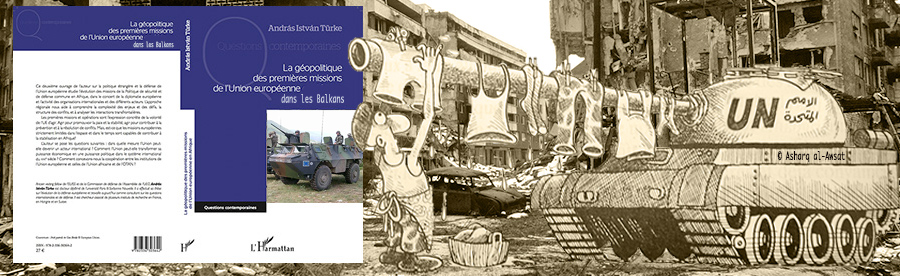
We are looking for sponsors for the English translation of these books, please contact turkeandras(at)gmail(dot)com