
You are here
Afrique
Video zeigt Rauchsäule am Flughafen in Riad
Erneut ist der Flughafen Riad in Saudi-Arabien mit Raketen angegriffen worden. Unter den zwölf Toten sind auch ein US-Bürger und mehrere Menschen aus weiteren Ländern.
Categories: Afrique, Swiss News
Ist dieser neue ZSC-Rekord überhaupt etwas wert?
Zehn Spiele, zehn Siege zum Start: Das hat vor den ZSC Lions noch keiner geschafft. Die Team-Routiniers Yannick Weber und Patrick Geering schätzen diese Leistung ein.
Categories: Afrique, Swiss News
Führende Løvseth bricht auf dem letzten Kilometer zusammen
Drama bei der Ironman-WM auf Hawaii! Die Führende Solveig Løvseth bricht auf dem letzten Kilometer zusammen und muss Konkurrentin Taylor Knibb noch vorbeiziehen lassen.
Categories: Afrique, Swiss News
«Jetzt kommt der Aufschwung – Top-3 liegen noch drin»
FCSG-Fan und Influencer «Latteschüsse TV» hat sich in der langen Nati-Pause an der Olma mit Espen-Fans getroffen. Diese ordnen die aktuelle Lage ihres Vereins ein und verraten, wie weit es ihrer Ansicht nach in der Tabelle noch nach oben gehen kann.
Categories: Afrique, Swiss News
Darum wurde Meister Thun zur Schiessbude der Liga
Der FC Thun stellt nach der 2:4-Pleite gegen den FCZ die schlechteste Abwehr der Liga. Fast noch schlimmer: Bereits zum vierten Mal sieht der Captain des Meisters Rot.
Categories: Afrique, Swiss News
Dos Santos ist der nächste Trumpf der Lugano-Walze
Daniel Dos Santos hat sich bei Lugano vom Talent zum Leistungsträger entwickelt. Beim 4:0 gegen Luzern zeigt er mit einem Doppelpack, wie wichtig er für Lugano ist. Und Trainer Mattia Croci-Torti schwärmt von ihm.
Categories: Afrique, Swiss News
«Sind nicht Meister und haben auch noch nichts gewonnen»
Auch nach der Länderspielpause bleibt alles beim Alten. Lugano siegt gegen Luzern zu Hause mit 4:0. Die Tessiner dominieren und gewinnen hochverdient. Daniel Dos Santos will trotz des Höhenflugs am Boden bleiben: «Wir sind nicht Meister und haben noch nichts gewonnen.»
Categories: Afrique, Swiss News
Flugzeug stürzt auf Strasse
Ein Kleinflugzeug mit wertvoller Fracht der Zentralbank schiesst bei der Landung in Cuenca (Ecuador) über die Piste und stürzt auf eine Strasse. Autos verfehlen das Wrack nur knapp.
Categories: Afrique, Swiss News
Derron profitiert auf Hawaii von Kollaps-Drama um Führende
Drama beim Ironman auf Hawaii: Die Führende Solveig Løvseth bricht kurz vor dem Ziel zusammen und muss so den Sieg Taylor Knibb überlassen. Auch die Schweizerin Julie Derron profitiert davon, die dadurch aufs Podest kommt.
Categories: Afrique, Swiss News
Partytime für Putin
Der US-Präsident kauft russischen Diesel und ruft zum Machtwechsel in Kiew auf. Damit zeigt Donald Trump einmal mehr, wie egal ihm Europa ist. Die Zeche zahlen die Menschen in der Ukraine.
Categories: Afrique, Swiss News
International Criminal Court: Statement by the High Representative on behalf of the EU following the announcement of US sanctions
International Criminal Court: Statement by the High Representative on behalf of the EU following the announcement of US sanctions.
Categories: Afrique, Europäische Union
International Criminal Court: Statement by the High Representative on behalf of the EU following the announcement of US sanctions
International Criminal Court: Statement by the High Representative on behalf of the EU following the announcement of US sanctions.
Categories: Afrique, Európai Unió : hírek magyarul
International Criminal Court: Statement by the High Representative on behalf of the EU following the announcement of US sanctions
International Criminal Court: Statement by the High Representative on behalf of the EU following the announcement of US sanctions.
Categories: Afrique, European Union
Libre Express veut franchir un nouveau cap après sa reconnaissance par la HAAC
Après la signature de sa convention avec la Haute Autorité de l'Audiovisuel et de la Communication (HAAC), le 1er octobre 2026, Libre Express entend franchir une nouvelle étape. Son promoteur, Ozias HOUNGUÈ, mise sur l'investigation, les reportages de terrain et la diversification des formats pour consolider la place du média dans le paysage numérique béninois.
La signature d'une convention avec la HAAC ouvre une nouvelle séquence pour le média Libre Express (https://libre-express.bj/ ). Le média en ligne figure parmi les 50 organes de presse écrite en ligne concernés par la signature de conventions organisée le jeudi 1er octobre 2026 à Cotonou. Au total, 89 médias numériques ont été concernés par cette formalisation, répartis entre la presse écrite en ligne, les web radios et les web TV, selon les informations publiées sur la cérémonie.
Pour Libre Express, cette étape dépasse le cadre administratif. Elle intervient alors que le média entend consolider son organisation et faire évoluer son offre éditoriale. Son promoteur, Ozias HOUNGUÈ, y voit un point de départ plutôt qu'un aboutissement. « La signature de cette convention constitue une étape majeure dans la structuration du média », explique-t-il. Il précise qu'elle « marque le début d'une nouvelle phase ».
L'investigation et le reportage au cœur des priorités
Depuis son lancement en 2022, Libre Express s'est notamment fait connaître par le traitement de l'actualité judiciaire et sécuritaire au Bénin. Ces thématiques resteront au centre de sa ligne éditoriale, sans empêcher le média d'élargir progressivement sa couverture à d'autres domaines de la vie nationale.
« L'actualité judiciaire et sécuritaire restera un axe fort de Libre Express », souligne Ozias HOUNGUÈ. Le promoteur entend toutefois accorder davantage de place aux enquêtes et aux reportages approfondis. « Nous voulons donner davantage de place aux enquêtes et aux reportages de fond », affirme-t-il.
Cette orientation suppose de consacrer davantage de temps à la collecte des informations, à leur vérification et au travail de terrain. Elle implique également de rechercher des ressources permettant de produire des contenus originaux, au-delà du traitement quotidien de l'actualité.
L'objectif est de proposer aux lecteurs une information documentée, utile à la compréhension des faits et attentive aux réalités vécues par les populations.
Élargir l'offre sans perdre son identité
Libre Express envisage également de diversifier ses formats. Dans un environnement où les habitudes de consommation de l'information évoluent, le média souhaite développer davantage de contenus audiovisuels, d'interviews et de productions adaptées aux plateformes numériques. « Le paysage médiatique a changé. Les frontières entre presse écrite, radio, télévision et réseaux sociaux sont de moins en moins étanches », observe Ozias HOUNGUÈ.
Cette évolution ne signifie pas pour autant un abandon de la presse écrite en ligne. Il s'agit plutôt de rendre les contenus accessibles à différents publics et de mieux exploiter les possibilités offertes par les outils numériques.
Le média entend ainsi faire évoluer ses pratiques tout en préservant ses priorités éditoriales celles du traitement rigoureux de l'information, l'indépendance et la diversité des sujets abordés.
Le défi économique d'un média indépendant
La concrétisation de ces projets dépendra aussi de la capacité de Libre Express à trouver un modèle économique viable. La production d'enquêtes, de reportages et de contenus multimédias nécessite du temps, des compétences et des moyens matériels. « La qualité de l'information a aussi un coût », rappelle le promoteur du média.
La recherche de partenariats et la diversification des sources de revenus figurent parmi les pistes envisagées. Ozias HOUNGUÈ insiste néanmoins sur la nécessité de préserver l'autonomie de la rédaction dans ces collaborations. « Nous voulons que ces collaborations soient transparentes et compatibles avec notre identité éditoriale », indique-t-il.
Pour Libre Express, l'enjeu consiste donc à concilier les exigences économiques de l'entreprise de presse avec les impératifs d'indépendance et de crédibilité. Un équilibre essentiel pour inscrire les projets annoncés dans la durée.
Une ouverture progressive sur l'actualité africaine
Au-delà du Bénin, Libre Express souhaite donner davantage de place aux questions africaines. Cette orientation s'inscrit dans une volonté de traiter les enjeux du continent tout en conservant un ancrage solide dans l'actualité nationale.
« Nous voulons renforcer progressivement la dimension africaine de Libre Express », déclare Ozias HOUNGUÈ. Il précise toutefois qu'« un média africain crédible doit d'abord être fortement enraciné dans son environnement avant de prétendre rayonner au niveau continental ».
Cette approche privilégie une progression graduelle, fondée sur la qualité des contenus et la consolidation des capacités rédactionnelles, plutôt qu'une expansion rapide sans moyens suffisants.
La crédibilité comme exigence durable
La convention signée avec la HAAC intervient dans un contexte de formalisation du secteur des médias numériques au Bénin. Lors de la cérémonie du 1er octobre, le président de l'institution, Édouard LOKO, a notamment exhorté les promoteurs concernés à respecter les obligations prévues dans leurs cahiers des charges, selon les comptes rendus publiés à cette occasion.
Pour Libre Express, la reconnaissance institutionnelle s'accompagne ainsi d'une responsabilité : poursuivre son travail d'information dans le respect des exigences professionnelles et réglementaires applicables.
« Nous voulons être reconnus pour la qualité de nos contenus », affirme Ozias HOUNGUÈ. Il ajoute : « Un média doit aussi être jugé sur sa capacité à produire une information utile, à révéler certains faits, à donner la parole aux citoyens et à contribuer au débat public. »
La convention ne règle pas à elle seule les difficultés économiques et organisationnelles auxquelles le média peut être confronté. Elle constitue néanmoins une étape dans son parcours, alors que Libre Express entend consolider sa rédaction, diversifier ses productions et élargir progressivement son audience.
Pour son promoteur, l'enjeu est désormais de transformer cette nouvelle étape en résultats concrets. « Nous voulons construire un média durable », résume-t-il.
Categories: Afrique, Határon túli magyar portálok összesített hírei
FIRST Global Challenge 2026 : l’équipe algérienne décroche une médaille d’or en Corée du Sud
Cinq lycéens algériens, accompagnés par Samsung Electronics Algérie et Altis Training Center, se sont illustrés à Incheon lors de la plus grande compétition mondiale de […]
L’article FIRST Global Challenge 2026 : l’équipe algérienne décroche une médaille d’or en Corée du Sud est apparu en premier sur .
Categories: Afrique, European Union
Bio Tchané appelle à la solidarité et à la lutte contre les préjugés
La communauté internationale célèbre ce samedi 10 octobre 2026, la Journée mondiale de la santé mentale. A l'occasion, le président du Conseil économique et social (CES), Abdoulaye Bio Tchané, a lancé un appel à la solidarité, à l'écoute et à la lutte contre les préjugés envers les personnes confrontées à des troubles liés à la santé mentale.
« À l'écoute de l'expérience vécue : des voix authentiques pour un réel changement », telle est la thématique retenue pour l'édition 2026 de la Journée mondiale de la santé mentale. A travers un message, le président du CES a exprimé sa solidarité aux personnes confrontées à des difficultés liées à leur santé mentale, à leurs familles ainsi qu'à leurs proches. Il a souligné que la santé mentale est une préoccupation collective qui nécessite une attention particulière, des actions de prévention renforcées et un accompagnement adapté.
Pour Abdoulaye Bio Tchané, la promotion de la santé mentale doit se traduire par des attitudes concrètes au sein des familles, des établissements scolaires, des lieux de travail et des communautés. Il préconise notamment le développement de l'écoute, la bienveillance et le respect, ainsi que la lutte contre l'isolement et la stigmatisation des personnes concernées.
Reconnaître la dignité des personnes concernées
Le président du CES a également salué l'engagement des professionnels de santé, des travailleurs sociaux et des autres acteurs qui accompagnent les personnes vivant avec des troubles de santé mentale. Il a rendu hommage aux familles et aux proches pour leur soutien, soulignant leur rôle dans l'accompagnement des personnes concernées.
Insistant sur la nécessité de mieux prendre en compte leur vécu, il a plaidé pour le respect de la parole, de l'expérience et de la dignité des personnes confrontées à ces difficultés.
« En cette journée, faisons le choix d'écouter davantage, de rejeter les préjugés et de renforcer la solidarité. Ensemble, œuvrons pour une société où chacun peut accéder à un accompagnement adapté et vivre dans la dignité », a exhorté le président du CES.
Par son appel, le président du CES met ainsi l'accent sur la responsabilité collective dans la promotion du bien-être mental et la construction d'un Bénin plus humain, solidaire et bienveillant.
Categories: Afrique
Double Chance : la combinaison gagnante
LES RÉSULTATS DOUBLE CHANCE SONT LÀ !
LOTO STAR Tirage N°121/26
Samedi 10 Octobre 2026 (14H)
– Zone A (5 premiers numéros) :
90• 16• 24• 66 • 40
– Zone B (5 derniers numéros) :
50• 22 • 69 • 73 • 14
Félicitations aux heureux gagnants.
Pas encore cette fois ? Gardez le sourire !
Rendez-vous à 18H pour le prochain tirage.
Jouez avec modération et responsabilité. Le jeu doit rester un plaisir.
A TOI DE JOUER #Akaxòa
#LNBSA #XòGbɔnAlɔkpaVo #JeuResponsable #LaChanceAvecModération
Categories: Afrique
TIRSAM et TOYOTA explorent une coopération industrielle en Algérie
Le groupe industriel algérien Tirsam et le constructeur japonais Toyota franchissent un pas décisif vers la concrétisation de leurs projets communs. En effet, le groupe […]
L’article TIRSAM et TOYOTA explorent une coopération industrielle en Algérie est apparu en premier sur .
Categories: Afrique, European Union
125 000 recrutements prévus en 2027, voici les secteurs qui vont embaucher en Algérie
Le projet de loi de finances (PLF) 2027 prévoit la mobilisation de 125 675 postes budgétaires au sein de la fonction publique algérienne. Ce total […]
L’article 125 000 recrutements prévus en 2027, voici les secteurs qui vont embaucher en Algérie est apparu en premier sur .
Categories: Afrique, European Union
La condamnée à mort américaine Christa Pike a quitté l'hôpital dix jours après l'échec de son exécution
Les avocats de Pike affirment qu'elle est « reconnaissante » envers l'équipe médicale qui l'a soignée après qu'elle a survécu à deux injections létales le mois dernier.
Categories: Afrique
Pages
the old site is here


© 2012-2015 Europa Varietas Foundation © 2015-2020 Europa Varietas Association
www.europavarietas.org | info(@)europavarietas(dot)org | Switzerland
This is a GDPR ready site
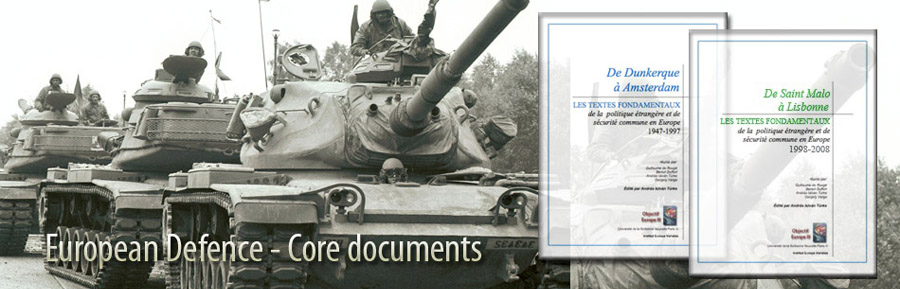
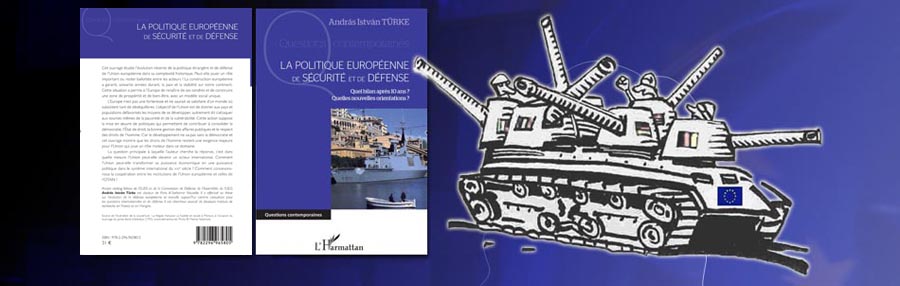
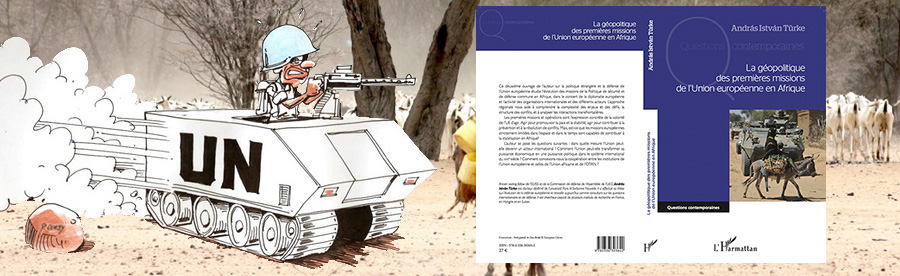
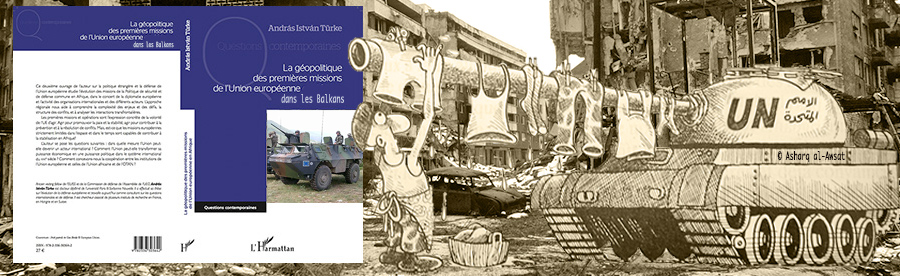
We are looking for sponsors for the English translation of these books, please contact turkeandras(at)gmail(dot)com