
You are here
Feed aggregator
Zwei Regionen stechen hervor: Hier lohnt es sich am Wochenende zum Wandern und Baden
Am Wochenende wird es in der Schweiz sonnig und warm: Ideales Wetter für Wanderungen und Badeausflüge. Aber wo lohnt es sich am meisten?
Categories: Határon túli magyar portálok összesített hírei, Swiss News
Moldavie : la Gagaouzie entre paralysie électorale et influence russe
Une gouverneure derrière les barreaux, un ancien président du parlement en cavale, un successeur démissionnaire et des élections introuvables : la Gagaouzie, région autonome du sud de la Moldavie, est plongée dans une crise dont la Russie pourrait tirer profit.
- Articles / Une - Diaporama, Courrier des Balkans, Transnistrie, Moldavie, Politique, Relations internationales
Categories: Afrique, Balkans Occidentaux
Wo Ospelt anders tickt als Eliasch: Wie der neue FIS-Boss den Skirennsport verändern will
Alexander Ospelt ist neuer FIS-Präsident. Der Liechtensteiner will Finanzen ordnen, Preisgelder erhöhen und den Skirennsport modernisieren. Sein Ziel: Dialog auf Augenhöhe und Solidarität zwischen grossen und kleinen Nationen.
Categories: Határon túli magyar portálok összesített hírei, Swiss News
"Le Mondial le plus cher de l'histoire ?" Voici ce qui dérange vraiment
Tout porte à croire que, au-delà du spectacle footballistique, cette Coupe du monde gigantesque restera dans les mémoires comme l'une des plus controversées de l'histoire.
Categories: Afrique
Neue Details zu Wal-Drama: So lange lebte Timmy nach seiner Freilassung noch
Wal Timmy schwamm nach seiner Freilassung 215 Kilometer in der Nordsee. Umweltminister Till Backhaus erklärte, dass das Signal des Trackers am 7. Mai abbrach. Fünf Tage zuvor wurde er freigelassen.
Categories: Határon túli magyar portálok összesített hírei, Swiss News
Health Emerges as a Strategic Frontline for Africa Ahead of Bonn Climate Conference
Participants at a Climate and Health Capacity Building Workshop. Credit: Friday Phiri
By Friday Phiri
BONN, Jun 12 2026 (IPS)
Africa contributes the least to global greenhouse gas emissions, yet it faces some of the world’s most severe climate-related health impacts. Several realities define the continent’s climate and health landscape – increased infectious diseases, air pollution, death, disruption and pressure on health systems through heatwaves, floods, droughts and storms.
Changing temperatures and, more significantly, rainfall patterns are expanding the geographical range and transmission dynamics of climate-sensitive diseases such as Malaria, Dengue fever, Cholera and other vector- and water-borne diseases.
Climate-induced droughts, floods, and changing rainfall patterns are reducing agricultural productivity and threatening food systems. This increases hunger, undernutrition, stunting among children, and vulnerability to disease. According to archive.uneca.org, malnutrition remains one of the largest climate-sensitive health risks across Africa.
Thus, as African climate negotiators intensify preparations for the 64th sessions of the UNFCCC Subsidiary Bodies (SB64), a clear message is emerging from Bonn: climate action without health action is no longer an option.
Over two critical days of engagement, African negotiators, health experts, technical institutions, and young climate leaders came together to strengthen Africa’s negotiating positions and place health firmly at the centre of the continent’s climate agenda.
The Climate and Health Capacity Building Workshop supported by the International Institute for Sustainable Development (IISD), and the African Group of Negotiators (AGN) Lead Coordinators Meeting collectively noted the growing recognition that climate change is not only an environmental challenge but also one of Africa’s most pressing public health threats.
For AGN Chair, Nana Dr Antwi-Boasiako Amoah, the connection is clear, and the required measures are equally urgent.
“Health is the human face of the climate crisis,” he told negotiators and partners during the opening of the capacity building workshop in Bonn. “If climate negotiations are ultimately about protecting people, then health must remain at the centre of our efforts.”
Chair of AGN, Nana Dr Antwi-Boasiako Amoah, with Dr Lynn Wagner of IISD at the Climate and Health Capacity Building Workshop. Credit: Friday Phiri
Building a Stronger African Climate and Health Voice
Building on the launch of the first-ever African Negotiators Climate and Health Curriculum in 2025, by Amref Health Africa, the climate and health capacity-building workshop brought together representatives from WHO-AFRO, Africa CDC, Amref Health Africa, the International Institute for Sustainable Development (IISD), technical experts, and young negotiators to deepen understanding of climate-health linkages and identify strategic entry points across negotiation tracks.
Participants examined ways to strengthen Africa’s position on adaptation indicators, climate-resilient health systems, early warning systems, health infrastructure, preparedness for climate-related emergencies, and financing mechanisms that can support health adaptation efforts.
“Following the adoption of the Belém Adaptation indicators and the ongoing discussions under the Baku Adaptation Roadmap, Africa has a unique opportunity to shape how adaptation is measured, financed and implemented globally,” said the AGN Chair. “We must ensure that health indicators under the global goal on adaptation are meaningful, context-specific, and responsive to Africa’s realities. We must also continue pushing for adaptation finance that enables African countries to build climate-resilient health systems, strengthen early warning systems, protect health infrastructure, and enhance preparedness for climate-related health emergencies.”
The emphasis on institutional coordination reflected a growing understanding that advancing Africa’s climate and health agenda will require sustained collaboration between negotiators, public health institutions, technical partners, and civil society.
And the WHO-Africa Regional Team Lead on Climate Change, Health and Environment pledged coordinated stakeholder support for the climate and health agenda.
“At the WHO-Regional office, we have developed Africa-specific policy and implementation frameworks in support of an Africa-wide coordinated climate and health agenda. Together with the Africa CDC and Amref Health Africa, we have offered and continue to provide technical support for the continent’s climate and health agenda. As we head to the African COP next year, we pledge continued support to the AGN, as Africa’s voice in climate negotiations, to ensure that climate and health are not left behind.”
Meanwhile, IISD Senior Director for Tracking Progress Programme, Lynn Wagner, noted the need for coordinated climate action, pointing out that “isolated action is no longer tenable as the global community faces multiple and interconnected environmental and sustainable development crises.”
IISD has been supporting the Friends of Climate and Health initiative aimed at fostering international collaboration on climate change and health.
Unity and Coordination Ahead of Critical Negotiations
While health featured prominently in discussions, the AGN Lead Coordinators’ Meeting reinforced a broader strategic priority; maintaining a unified African voice theme across all negotiating streams.
Convening lead coordinators for the various thematic streams, the meeting focused on aligning positions ahead of what is expected to be a pivotal negotiating session, ahead of COP31 in November and, ultimately, COP32 next year.
Drawing on priorities established during the AGN Strategy Meeting in Accra earlier in March this year, lead coordinators reviewed progress in implementing elements of the African Common Platform and assessed emerging issues across the negotiation tracks.
The AGN Chair called for discipline, commitment, and coordinated action.
“Our strength lies in our unity and our ability to speak with one voice,” he said, reminding negotiators that Africa’s influence in the negotiations depends on collective preparation and strategic coordination.
The discussions intensified the interconnected nature of many agenda items. Climate finance remains Africa’s foremost priority, but increasingly, negotiators are recognising how finance decisions affect the various thematic outcomes, particularly, adaptation, which has been Africa’s main agenda over the years.
Health, Finance and the Road to COP32
A recurring theme across both meetings was the need to translate recognition of climate-related health risks into tangible climate finance support for African countries.
Negotiators emphasised the importance of securing adaptation finance that enables countries to build climate-resilient health systems, strengthen disease surveillance and early warning systems, protect health infrastructure, and improve preparedness for climate-related emergencies, as espoused in the Belem Climate and Health Action Plan launched at COP30.
“Health is already recognised within the investment frameworks and result areas of major climate finance mechanisms, such as the Green Climate Fund (GCF) and the Fund for Responding to Loss and Damage (FRLD),” said David Kaluba, a Climate Finance Lead Negotiator. “However, the challenge is not only the availability of financing windows, but the limited pipeline of country-driven health-focused proposals and investment demand. Most countries have yet to fully integrate health priorities into their national climate plans (NDCs), financing strategies, and project pipelines, resulting in significant underutilisation of available climate finance opportunities for health system resilience, adaptation, and loss and damage responses.”
Kaluba therefore notes the need to generate sufficient country-level demand through evidence generation, development of bankable climate and health investment pipelines, and strengthening of institutional capacity to access and absorb available financing.
A Defining Opportunity for Africa
For many participants, this work extends beyond SB64. It forms part of a broader trajectory towards COP31 and ultimately COP32, significantly viewed as more than a diplomatic milestone.
It represents an opportunity for the continent to shape the global climate agenda around African realities and priorities, including climate and health.
As negotiations intensify, African countries are seeking to ensure that climate action delivers meaningful benefits for people on the ground, and health offers a powerful lens through which to frame that ambition.
Therefore, as formal negotiations begin on 8th June, one message is clear: protecting the climate ultimately means protecting human health. And for Africa, this principle is becoming an increasingly powerful driver of its engagement in the global climate process.
The author is the Climate Change and Health Advocacy Lead at Amref Health Africa.
IPS UN Bureau Report
Follow @IPSNewsUNBureau
!function(d,s,id){var js,fjs=d.getElementsByTagName(s)[0],p=/^http:/.test(d.location)?'http':'https';if(!d.getElementById(id)){js=d.createElement(s);js.id=id;js.src=p+'://platform.twitter.com/widgets.js';fjs.parentNode.insertBefore(js,fjs);}}(document, 'script', 'twitter-wjs');
Categories: Africa, European Union
«Wenn der dritte ‹Landarzt› schon sagt, ich bin zu weit gegangen ...»: Oliver Welke teilt erneut gegen die Carpendales aus
Ende April sorgte Oliver Welke mit einem Witz über Howard Carpendale für Empörung beim Schlagersänger und seinem Sohn. Ein Streit entbrannte. Jetzt legt Welke im Podcast «Apokalypse & Filterkaffee» nach.
Categories: Határon túli magyar portálok összesített hírei, Swiss News
Verfahren beim Friedensrichter: Osteopath bricht Frau Rippe – und verklagt sie
Annette Brun weigert sich, eine Behandlung zu bezahlen, bei der sie verletzt worden sei. Der Osteopath zerrt sie vor den Friedensrichter – und kassiert eine Niederlage.
Categories: Biztonságpolitika, Swiss News
Fanjubel zwischen Wrestlingmasken und Plastikskeletten: WM-Party in der «gefährlichsten Stadt der Welt»
Mexiko feiert einen Traumstart in seine Heim-WM. Dieser sorgt auch in der Grenzstadt Tijuana für Euphorieausbrüche. Blick hat das Spiel gegen Südafrika (2:0) vor Ort verfolgt.
Categories: Biztonságpolitika, Swiss News
Kein Workout, kein Ziel, kein Stress: Warum die italienische «Passeggiata» gerade im Sommer so gut tut
Wer schon einmal Ferien in Italien gemacht hat, kennt das Bild: Gegen Abend füllen sich die Gassen. Familien, Paare und Freundesgruppen flanieren über die Piazza oder entlang der Promenade. Niemand scheint es eilig zu haben.
Categories: Biztonságpolitika, Swiss News
Schweden überraschend auf dem Podest: Das sind 2026 die beliebtesten Marken in der Schweiz
Neun der zehn beliebtesten Marken der Schweizerinnen und Schweizer stammen aus dem eigenen Land. Doch ausgerechnet ein schwedischer Hersteller hat sich aufs Podest geschlichen – und es ist nicht der gelbe Möbelriese.
Categories: Biztonságpolitika, Swiss News
Africa Needs a Radical Plan to Tackle 15M Youth Job Crisis
Africa has no problem with ideas, but the struggle is in how to implement them, leaders said at an inaugural forum convened to promote action on development. Addressing the inaugural Africa Development Impact Forum (ADIF), Economic Commission for Africa (ECA) Executive Secretary Clever Gatete emphasised that Africa must move quickly from great ideas to sound […]
Categories: Africa, European Union
National policy coherence counts for reducing inequality in Global climate and development agendas
International institutions promote policy coherence as crucial to the effective and fair implementation of global sustainability agendas, though the evidence for its benefits is slim. We present here the first systematic cross-country dataset on the consequences of national government efforts to promote policy coherence for vulnerable groups in society. We confirm that coherence is perceived to be beneficial for most groups. However, we find vulnerable groups are largely perceived to bear the brunt of incoherence, while traditionally powerful groups benefit from it in some cases. Based on these findings, we argue that coherence can play an important role in reducing inequality and ensuring countries “Leave No One Behind” in implementing climate and development goals.
Categories: Diplomacy & Defense Think Tank News, European Union
Gelingt der SVP der Erfolg?: Das wird die heisseste Abstimmung des Jahres
Am 14. Juni stimmt die Schweiz über die SVP-Initiative ab, das hat der Bundesrat festgelegt. Ebenfalls darf sich das Volk dazu äussern, ob die Hürden für den Wechsel von der Armee zum Zivildienst erhöht werden. Die Ausgangslage ist offen.
Categories: Biztonságpolitika, Swiss News
Weil sie zu spät kommen: Kreuzfahrtschiff lässt Touris auf Jamaika zurück
Pech für eine Touristengruppe in Jamaika. Am Hafen von Ocho Rios kommen sie unter Jubelrufen der anderen Passagiere angerannt – zu spät. Das Schiff legt bereits ohne sie ab.
Categories: Africa, Swiss News
Fiasko wegen Adresse: Wer den Anbieter wechselt, gerät rasch in die E-Mail-Falle
Wer seinen Internetanbieter wechselt, kann oft seine Mailadresse nicht behalten – ein Ärgernis. Ein Mitte-Nationalrat will das nun ändern. Doch welche Möglichkeiten hat man bereits heute bei den unterschiedlichen Anbietern? Blick hat nachgefragt.
Categories: Africa, Swiss News
Das «gelobte Land» von Carl Batliner (46) soll entsorgt werden: «Ich suche Asyl für meine Tiny Houses!»
Carl Batliner (46) kämpft um sein «gelobtes Land»: 13 Minihäuser auf seinem Grundstück drohen abgerissen zu werden – weil die Baubewilligung fehlt. Doch der Erfinder denkt nicht ans Aufgeben.
Categories: Europäische Union, Swiss News
So lange müssen wir noch durchhalten: Nach der Schafskälte rollt eine Hitzewelle auf uns zu!
Kalt und nass ist der Juni. Aber die ungemütliche Zeit ist bald vorbei. Der Sommer kommt – und wie.
Categories: Europäische Union, Swiss News
Pages
the old site is here


© 2012-2015 Europa Varietas Foundation © 2015-2020 Europa Varietas Association
www.europavarietas.org | info(@)europavarietas(dot)org | Switzerland
This is a GDPR ready site
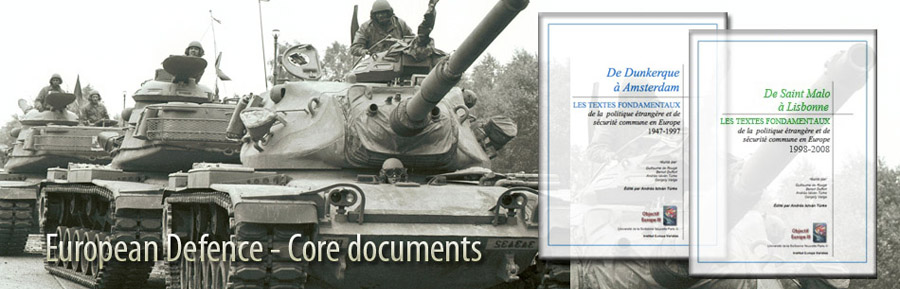
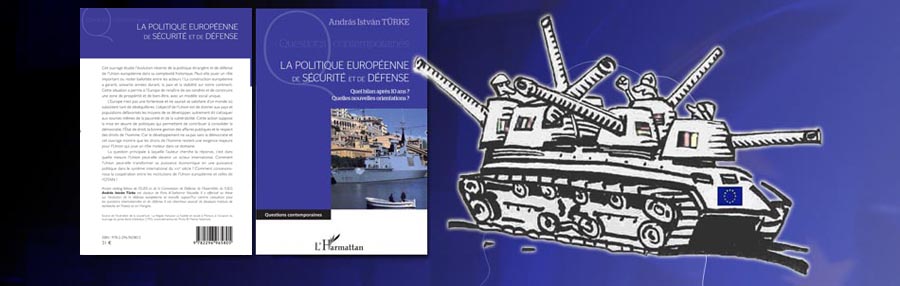
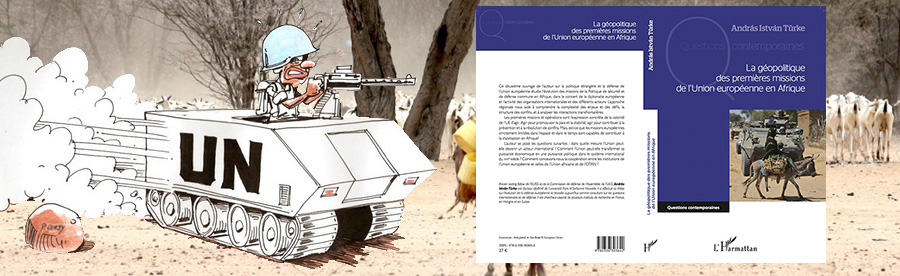
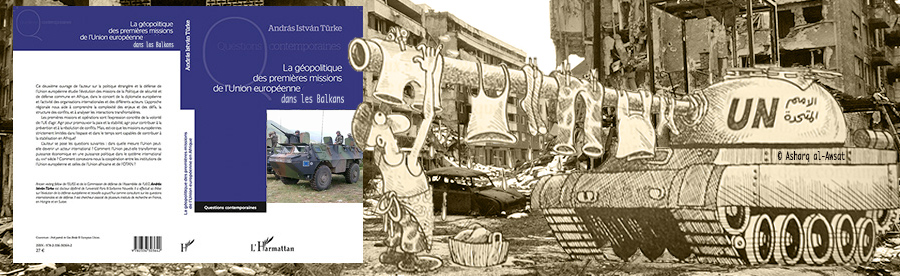
We are looking for sponsors for the English translation of these books, please contact turkeandras(at)gmail(dot)com