
You are here
Feed aggregator
Press release - Military mobility: press conference on Wednesday at 10.30
Parliament’s co-rapporteurs Michał Szczerba and Roberts Zīle will brief journalists on new EU military mobility rules, ahead of possible interinstitutional talks.
Committee on Security and Defence
Committee on Transport and Tourism
Source : © European Union, 2026 - EP
Committee on Security and Defence
Committee on Transport and Tourism
Source : © European Union, 2026 - EP
Categories: Európai Unió : hírek magyarul, Swiss News
Press release - Military mobility: press conference on Wednesday at 10.30
Parliament’s co-rapporteurs Michał Szczerba and Roberts Zīle will brief journalists on new EU military mobility rules, ahead of possible interinstitutional talks.
Committee on Security and Defence
Committee on Transport and Tourism
Source : © European Union, 2026 - EP
Committee on Security and Defence
Committee on Transport and Tourism
Source : © European Union, 2026 - EP
Categories: Afrique, Europäische Union
Press release - Military mobility: press conference on Wednesday at 10.30
Parliament’s co-rapporteurs Michał Szczerba and Roberts Zīle will brief journalists on new EU military mobility rules, ahead of possible interinstitutional talks.
Committee on Security and Defence
Committee on Transport and Tourism
Source : © European Union, 2026 - EP
Committee on Security and Defence
Committee on Transport and Tourism
Source : © European Union, 2026 - EP
Categories: Africa, European Union
Pannenpanzer sorgt für Kritik: «Der M113 gehört nicht in die Armee, sondern ins Museum!»
Die Schweizer Armee steht erneut vor Problemen mit ihrer veralteten Schützenpanzerflotte. Zwischen Kritik an der Politik, der Beschaffung und dem Zustand der Armee entsteht erneut eine breite Debatte über die Zukunft der Bodentruppen.
Categories: Afrique, Swiss News
Sforza über Fifa-Skandal-Entscheid: «Als Belgien würde ich gar nicht antreten!»
Die WM hat ihren ersten riesigen Aufreger mit der Begnadigung des US-Stürmers Balogun durch die Fifa. Soll Belgien im Viertelfinal gegen die USA nun streiken? Im Podcast «FORZA!» diskutieren Ciriaco Sforza, Blick-Sportchef Emanuel Gisi und Reporter Florian Raz.
Categories: Afrique, Swiss News
«Einstweilige Verfügung nötig»: Trump provoziert Meloni erneut mit Post
Bricht der nächste Streit zwischen Washington und Rom los? Erneut stichelt US-Präsident Trump gegen die italienische Ministerpräsidentin Meloni. Sein Post geht aber offenbar nach hinten los.
Categories: Afrique, Swiss News
5 ans de prison dont 2 fermes requis contre l'ex CA du 12e arrondissement
Le procès de l'ex-chef du 12e arrondissement de Cotonou, Samuel Akindes Adékambi, s'est une fois encore ouvert ce lundi 6 juillet 2026, à la Cour de répression des infractions économiques et du terrorisme (CRIET). Le ministère public, au cours de cette nouvelle audience, a requis une peine de 5 ans de prison dont 2 fermes contre le prévenu.
Samuel Akindes Adékambi, ex chef du 12e arrondissement bientôt fixé sur son sort. Le ministère public a fait ses réquisitions lors de l'audience de ce lundi 6 juillet 2026. Il a requis à son encontre, une peine de 5 ans de prison dont 2 ans fermes. Le prévenu selon le premier substitut du Procureur, devra également payer une amende de 5 millions de francs CFA.
Les avocats de la défense ont plaidé la relaxe pure et simple de leur client. Le délibéré est renvoyé au 27 juillet prochain.
L'ex chef du 12e arrondissement est poursuivi pour abus de fonction. Il aurait détourné des fonds dans le cadre de la réalisation d'un projet avec Lionel Talon, fils de l'ex président Patrice Talon.
Au procès ce jour, l'assistante du plaignant a déclaré avoir remis une somme de 3 millions de francs CFA au prévenu, mais ignore si la somme d'argent était destinée aux frais de campagne ou au projet du centre communautaire Eya.
F. A. A.
Categories: Afrique, European Union
Le commissariat de Bariénou attaqué
Dans la nuit du dimanche au lundi, des individus armés non identifiés ont attaqué le commissariat de police de Bariénou, dans la commune de Djougou, et y ont mis feu.
Le commissariat de Bariénou attaqué. Des assaillants ont pris d'assaut le poste de police avant d'y mettre le feu, causant d'importants dégâts matériels. En observant les dégâts causés, les assaillants auraient fait usage d'armes lourdes. Plusieurs biens, notamment des motocyclettes stationnées sur les lieux ont été brûlés.
Joint par Fraternité, Ganiou Kpékpassi, chef de l'arrondissement de Bariénou a confirmé l'attaque. A en croire l'élu local, outre les dégâts matériels, aucune perte en vie humaine n'a été enregistrée.
Rassurant les populations, le CA a indiqué que le calme est revenu dans la localité. Les forces de sécurité ont repris le contrôle de la situation et les habitants peuvent d'après lui, vaquer librement à leurs occupations.
F. A. A.
Categories: Afrique, European Union
Le Bénin remporte 10 médailles aux Championnats ouest-africains d'athlétisme U18 et U20
Au terme des Championnats ouest-africains d'athlétisme U18 et U20, organisés à Dakar au Sénégal, la délégation béninoise a réalisé une prestation exceptionnelle remportant 10 médailles : 3 en or, 2 en argent et 5 en bronze.
Avec seulement 8 athlètes engagés dans les Championnats ouest-africains d'athlétisme U18 et U20, le Bénin affiche l'un des meilleurs rendements de la compétition. Et ce, grâce à Houmou Boukary et Rufine Sono, figures de proue de la compétition.
Houmou Boukary (U20), s'est imposée comme la grande révélation de la compétition. L'athlète béninoise a remporté deux titres ouest-africains, en s'adjugeant la médaille d'or au triple saut avec un bond de 12,14 mètres, puis au lancer du javelot. Elle complète son remarquable parcours avec une médaille d'argent au saut en longueur grâce à une performance de 5,35 mètres.
Comme elle, Rufine Sonon (U18), s'est également illustrée comme l'une des meilleures athlètes de la compétition. Victorieuse du 800 mètres au terme d'une course parfaitement maîtrisée, elle a confirmé par sa performance, le potentiel de la jeunesse béninoise et renforcé la présence du pays parmi les meilleures jeunes athlètes de la sous-région.
Au-delà des médailles d'or, plusieurs jeunes talents béninois se sont distingués en montant sur le podium.
C'est le cas de Fidélia Houéhou (U18) qui a obtenu une médaille d'argent au saut en hauteur (1,50 m), ainsi que deux médailles de bronze au saut en longueur (5,58 m) et au 100 mètres haies, bouclé en 15''87.
Loudie Ogoubi (U18), membre de la délégation béninoise décroche pour sa part, le bronze sur le 100 mètres grâce à un chrono de 11''85, tandis que Kissagui Ibrahim (U18) s'offre la troisième place au lancer du poids avec un jet de 11,02 mètres. Chabi Alassane (U20) complète la récolte béninoise en remportant le bronze sur le 800 mètres.
Ces résultats illustrent la montée en puissance de la nouvelle génération et témoignent des efforts consentis pour développer l'athlétisme à la base.
F. A. A.
Categories: Afrique, European Union
Historische Konstellation: Drei Seconda-Frauen regieren die grossen Berner Städte
Am Sonntag wurde Eveline Salzmann zur Stadtpräsidentin von Thun gewählt. Nun geben in den drei grössten Berner Städten drei Frauen mit Migrationsgeschichte den Takt vor. Eine historische Konstellation.
Categories: Afrique, Swiss News
Amerika műhely, 2026. május
EGYESÜLT ÁLLAMOK
Nukleáris tárgyalások és a Hormuzi-szoros kérdése
2026 májusában Teherán és Washington között továbbra is törékeny a közeledés. Az elmúlt hónap során a nemzetközi figyelem középpontjában továbbra is az iráni–amerikai kapcsolatok és a több hónapja tartó regionális konfliktus állt. A felek között intenzív diplomáciai egyeztetések zajlottak egy esetleges tűzszünet meghosszabbításáról, valamint Irán nukleáris programjának jövőjéről. A tárgyalások egyik legfontosabb eleme a stratégiai jelentőségű Hormuzi-szoros újranyitása volt, a melyen keresztül a világ tengeri olajszállításának jelentős része halad át.
Május elején Irán új javaslatot juttatott el Washingtonhoz közvetítőkön keresztül. A terv szerint a Hormuzi-szoros forgalmának helyreállításáról és a katonai feszültség csökkentéséről előbb születne megállapodás, míg a nukleáris kérdések és az urándúsítás témája csak később kerülne napirendre. Teherán emellett továbbra is ragaszkodott ahhoz, hogy a szankciók enyhítése és a befagyasztott iráni pénzeszközök felszabadítása a tárgyalások alapfeltétele legyen.
A hó második felében mindkét fél óvatos optimizmusról beszélt. Amerikai és iráni tárgyalók előzetes megállapodást készítettek elő egy 60 napos tűzszüneti időszak meghosszabbításáról, amely lehetőséget teremthetne a nukleáris programról szóló új egyeztetésekre. Bár a részletek továbbra is vitatottak maradtak, a diplomáciai előrelépés csökkentette egy újabb katonai eszkaláció veszélyét.
A gazdasági következmények ugyanakkor továbbra is jelentősek. A Hormuzi-szoros körüli bizonytalanság hónapokon keresztül nyomást gyakorolt az energiahordozók világpiaci árára, miközben Irán a szankciók enyhítésétől és az olajexport helyreállításától várja gazdasági helyzetének javulását. A befektetők és a nemzetközi piacok ezért fokozott figyelemmel követték a tárgyalások alakulását. Tavasz végére ugyan nőtt a diplomáciai megoldás esélye, azonban a felek között továbbra is jelentős nézetkülönbségek maradtak fenn a nukleáris program, a szankciók és a térség biztonságpolitikai kérdései kapcsán. Ennek következtében a közel-keleti stabilitás és a globális energiapiac helyzete továbbra is nagymértékben függ az iráni–amerikai tárgyalások sikerétől.
Szerző:
Merény Vivien
KANADA
Védelmi, Biztonsági és Ellenállási Bank (DSRB) kanadai székhelye
Április végén zárultak le a multilaterális tárgyalások a DSRB kanadai székhelyének megalapításával kapcsolatban. A tárgyaláson résztvevő országok egyhangúan megszavazták, hogy a ratifikációt követően a pályázó városok egyikében megkezdődjön az intézmény működése. Fő célja a szövetséges államok védelmi befektetéseinek finanszírozása, hosszú távú alacsony költségű hitelekkel, valamint a tagállamok kisegítése költségvetési hiányok orvoslásában. A hangsúlyt a védelmi ellátási láncokon belül a kis- és középvállalkozások támogatására fektetik. A DSRB struktúrájának fontos eleme, hogy a tagállamokban megtalálható több jelentős magánbank is támogatja, ezzel könnyítve a pénzügyi háttér biztosítását.
A kormányzati kommunikáció kihangsúlyozza, hogy a NATO által elvárt, idén elért 2%-os GDP arányos védelmi költség után, előreláthatólag 2035-re az 5%-ot is tervezik elérni. Ennek a beteljesítéséhez is nagy segítséget nyújthat majd ez a bank. Kanada kiemelkedő szerepvállalása a kezdeményezésben további példája az ország szövetségesei, illetve kollektív globális védelem melletti elkötelezettségének.
Kanada-Kína megállapodások
A két ország közötti kapcsolatok az elmúlt években fokozatosan romlottak, éppen ezért is fontos esemény, hogy Matt Carney januári kínai látogatása után május 29-én Wang Yi, a Kínai Népköztársaság külügyminisztere Ottawában találkozott Anita Anand kanadai külügyminiszterrel és Mark Carney miniszterelnökkel. A tárgyalás legfőbb témája a kereskedelmi kapcsolatok voltak. Kiderült, hogy Kanada az eredeti 50%-os terv helyett, akár közel 100%-al is növelheti a Kínába tartó export mennyiségét. Ennek célja az Egyesült Államokról való minél nagyobb leszakadás, az utóbbi idők vám- és kereskedelmi háborúja miatt.
Fontos megemlíteni még, hogy ez a megállapodás Kínával ronthatja az ország kapcsolatát az Egyesült Államokkal. Donald Trump az év elején kijelentette, hogy egy kanadai-kínai megállapodás esetében 100%-os vámokkal fogja az országot súlytani.
Erősödő albertai szeparatista törekvések:
Alberta tartomány szuverenitási törekvései hosszú évtizedekre nyúlnak vissza, azonban az elmúlt években eddig nem látott támogatottsággal mára egy úgy csúcsot ért el. A tartomány elsősorban olajkészletei miatt rendkívül értékes Kanada számára. Fontos tudni hogy 2022-ben Danielle Smith lett Alberta miniszterelnöke, és elfogadtatta a szuverenitási törvényt amellyel megtagadhatnak bármely olyan törvény végrehajtását, amely Alberta érdekeivel szembe megy. 2025-ben Mark Carney a Justin Trudeau féle zöld adók részleges visszavonásával igyekezte enyhíteni a feszültséget. Ez azonban már túl kevés túl későn, ugyanis Danielle Smith kormánya hivatalosan is bejelentette egy függetlenségi népszavazás tervét, amelyre idén októberben kerülne sor.
Mark Carney miniszterelnök azonban figyelmeztette Smith-t, hogy Nagy-Britanniához hasonlóan Alberta is megbánná a saját Wexit-nek (Western Exit) nevezett tervüket. Állítása szerint a legtöbb Brexit támogató megbánta, nem látta mivel is jár pontosan, így a népszavazás eltörlését, és a kormánnyal való tárgyalásokra ösztönzi Smith-t.
Szerző:
Faragó Bulcsú
KÖZÉP-AMERIKA
VB-láz, határbiztonsági koordináció és migrációs nyomás
2026 májusában Közép-Amerika biztonságpolitikai napirendjét nem a klasszikus államközi konfliktusok, hanem a belső rendészeti kockázatok, a határbiztonság és a regionális koordináció együttes kezelése határozta meg. A térség stabilitását ebben az időszakban a Mexikóban felerősödő vb-biztonsági készültség, a Guatemala-Honduras-El Salvador háromoldalú határigazgatási együttműködés, valamint a migrációs folyosókra nehezedő nyomás és az ebből fakadó fokozott amerikai befolyás alakította.
A világbajnokság mint biztonsági erődemonstráció Mexikóban
A régió legfontosabb májusi fejleménye Mexikóhoz kapcsolódott, ahol a 2026-os labdarúgó-világbajnokság közvetlen előkészületei kiemelt biztonságpolitikai kérdéssé váltak. A tartós kartellerőszak jelenléte és a nagy tömegeket vonzó események sebezhetősége miatt a hatóságok rendkívül magas szintű rendészeti és katonai jelenléttel, valamint fokozott ellenőrzésekkel reagáltak, különösen a kulcsfontosságú rendező városok, köztük Mexikóváros védelmére. A fokozott készültség egyértelművé tette, hogy a sportesemény sikeres lebonyolítása a mexikói állam számára egyben a saját biztonsági kapacitásainak nemzetközi demonstrációja is.
Háromoldalú határbiztonsági útiterv a határmenti régióban
A hónap másik meghatározó történése a Guatemala, Honduras és El Salvador által elfogadott közös útiterv volt, amely a határigazgatás modernizálását és a regionális tranzit folyamatok gyorsítását célozta meg. Mivel a közép-amerikai biztonsági környezetben a migráció, az áruforgalom és a határok áteresztőképessége szorosan összefügg a közbiztonsággal, a három állam a határkontroll javítására és az adminisztratív eljárások összehangolására törekedett. Ez az egyeztetési folyamat egyértelműen arra utalt, hogy a régió érintett államai az elszigetelt nemzeti válaszok helyett egyre inkább a koordinált, közös megoldásokat részesítik előnyben.
Migrációs folyosók és a washingtoni nyomásgyakorlás
A térség biztonsági struktúráját májusban is alapvetően befolyásolta az Egyesült Államok felől érkező politikai és migrációs nyomás. Washington határozott elvárásokat támasztott a közép-amerikai migrációs folyosók ellenőrzésével, a határvédelem szigorításával és a belső stabilitás fenntartásával kapcsolatban. Ez a helyzet kettős kihívás elé állította a régió kormányait, hiszen az amerikai igények teljesítése mellett a saját társadalmi és intézményi kapacitásaik túlterheltségét is kezelniük kellett. Ennek következtében a migráció kérdésköre májusra végleg elveszítette tisztán humanitárius vagy adminisztratív jellegét, és a regionális stabilitást formáló elsődleges biztonságpolitikai tényezővé vált.
Szerző:
Rohoska Réka
DÉL-AMERIKA
Feszültségek, nagyhatalmi rivalizálás és regionális törésvonalak
Dél-Amerika geopolitikai helyzetét továbbra is a Trump-adminisztráció agresszív „Donroe-doktrínája” és a globális nagyhatalmi versengés határozza meg. A kontinensen belüli törésvonalakat a bal- és jobboldali kormányok közötti ideológiai szakadék mellett a regionális integrációs fórumok (különösen a Mercosur) további gyengülése is mélyítette.
Nemzetközi bírósági szakaszban az Essequibo-ügy
Májusban a nemzetközi figyelem középpontjába a Venezuela és Guyana közötti területi vita került, miután folytatódtak a Nemzetközi Bíróság (ICJ) szóbeli meghallgatásai. Bár a Maduro-rezsim januári bukását követően a venezuelai átmeneti kormány pozíciói meggyengültek, a nacionalista retorika továbbra is erős maradt: Caracas május 26-án kijelentette, hogy nem ismeri el teljes mértékben a bíróság joghatóságát. Ezzel párhuzamosan a függetlenségének 60. évfordulóját ünneplő Guyana tovább szorosította védelmi együttműködését az Egyesült Államokkal és Nagy-Britanniával.
Közös hadműveletek a „Shield of the Americas” jegyében
Biztonságpolitikai téren a legnagyobb változást a Trump által márciusban elindított Shield of the Americas koalíció gyakorlati megvalósulása volt. Május folyamán az amerikai erők Ecuador, Kolumbia és Peru bevonásával hajtottak végre közös hadgyakorlatokat és hírszerzési műveleteket a Tren de Aragua és más transznacionális kartellek ellen. Az Egyesült Államok továbbra is terrorista szervezetként kezeli a legnagyobb droghálózatokat, és légi-tengeri csapásokat hajt végre a drogútvonalakon. Ez a kemény fellépés rövid távon eredményesnek bizonyult: csökkent a migrációs nyomás az USA déli határán, ugyanakkor több baloldali kormány (Brazília, Kolumbia) bírálja a „militarizált” megközelítést, mondván, hogy az csak tovább szítja az erőszakot anélkül, hogy a szegénység és korrupció gyökereit kezelné.
Argentína és Brazília: Nyugati orientáció versus BRICS
A régió két vezető hatalma teljesen ellentétes stratégiai utat választott, ami tovább fokozza a kontinens polarizációját. Argentína Javier Milei vezetésével továbbra is a Trump-adminisztráció legszorosabb szövetségese a kontinensen. Májusban Milei kormánya újabb védelmi megállapodásokat írt alá Washingtonnal, és aktívan távolodik a BRICS-től. Argentína Milei alatt egyértelműen a nyugati táborba pozicionálta magát, támogatva az amerikai nearshoring politikát és a kritikus nyersanyagok (lítium) amerikai irányú áramlását.
Ezzel szemben Brazília Luiz Inácio Lula da Silva elnök vezetésével továbbra is a kínai befolyás fő bástyája. Május elején folytatódtak a Brazil–Kína „kulturális év” rendezvényei, amelyek a gazdasági és politikai partnerséget mélyítik. Lula továbbra is „elpusztíthatatlan” kapcsolatot hirdet Pekinggel, és aktívan építi a BRICS-platformot, mint alternatívát az amerikai dominanciával szemben. Brazília májusban is hangsúlyozta stratégiai autonómiáját: elutasítja a Shield of the Americas koalícióhoz való csatlakozást.
Szerző:
Deák Botond
A Amerika műhely, 2026. május bejegyzés először Biztonságpolitika-én jelent meg.
Categories: Biztonságpolitika, Swiss News
Stylist nennt es «peinlich»: Carmen und Davina Geiss polarisieren im Partnerlook
Carmen und Davina Geiss zeigen sich im Partnerlook. Für Carmen bedeutet dieser Stil viel mehr als Mode – es symbolisiert ihre enge Verbindung. Stylist Alf Heller nennt es derweil «peinlich».
Categories: Afrique, Swiss News
Viel zu gefährlich!: Diese Airlines haben ab sofort Landeverbot in der Schweiz
Airlines zittern vor der «Air Safety List», die ihnen Starts und Landungen untersagt. Neu steht die Air Express Algeria auf der schwarzen Liste – wegen gravierender Mängel. Derzeit sind 154 Fluggesellschaften aufgeführt. Sie dürfen keine europäischen Airports anfliegen.
Categories: Balkans Occidentaux, Swiss News
Nous recrutons des Technico-Commercial (H/F), CDD
– Localisation : Cotonou, Bénin (déplacements sur sites clients)
– Secteur : Grande distribution (Alimentation et produits de grande consommation)
Prise de poste souhaitée : Immédiate
Conditions de rémunération : locales
Mission principale
Le Technico-Commercial est l'ambassadeur de l'enseigne sur le terrain. Il développe et fidélise le portefeuille clients professionnels (B2B), détecte les opportunités de marché et contribue directement à la croissance du chiffre d'affaires de l'enseigne.
Responsabilités principales
Développement commercial
✓ Prospecter activement de nouveau clients professionnels : entreprises, administrations, hôtels, restaurants, collectivités, …
✓ Développer et animer un portefeuille clients existant : visites régulières, suivi des commandes, relances, …
✓ Négocier les conditions commerciales dans le respect des politiques tarifaires de l'enseigne
✓ Atteindre et dépasser les objectifs de chiffres d'affaires définis mensuellement.
Suivi et reporting
✓ Assurer le suivi des commandes, des livraisons et de la satisfaction client
✓ Remonter les informations terrain à la direction commerciale (besoins, concurrence, opportunités)
✓ Rédiger des rapports d'activités hebdomadaires et des comptes rendus de visites
✓ Participer aux réunions commerciales et à la mise en place des actions promotionnelles
Veille et représentation
✓ Assurer une veille concurrentielle active sur les prix et les offres du marché
✓ Représenter l'enseigne lors d'évènements professionnels et commerciaux
✓ Préparer et participer aux appels d'offres institutionnels et privés
Profil recherché
Formation : Diplôme BAC+2 en Commerce, Marketing ou discipline équivalente (BAC+3 apprécié en Commerce et vente, Marketing).
Expériences professionnelles
✓ 2 ans d'expérience minimum à un poste de commercial terrain (B2B de préférence)
✓ Expérience en grande distribution, FMCG ou services aux entreprise souhaitées.
???? Compétences clés
✓ Maitrise des techniques de vente et de la négociation commerciale
✓ Bonne connaissance du tissu économique béninois et des marchés publics
✓ Capacité à lire et à analyser des indicateurs commerciaux (CA, marge, taux de conversion)
✓ Maitrise des outils bureautiques et de communication (Pack Office, WhatApp Business)
✓ Excellente présentation et aisance relationnelle
✓ Autonomie, sens de l'organisation et rigueur dans le suivi des dossiers
✓ Résistant à la pression et orienté résultat
✓ Honnêteté et sens de l'éthique commerciale
✓ Permis de conduire et moyen de déplacement (obligatoire)
Nous recrutons des Acheteurs (H/F), CDD
– Localisation : Cotonou, Bénin (déplacements sur sites clients)
– Secteur : Grande distribution (Alimentation et produits de grande consommation)
Prise de poste souhaitée : Immédiate
Conditions de rémunération : locales
Mission principale
L'Acheteur est le garant de la disponibilité des produits en rayon, de la compétitivité des prix et de la qualité des relations fournisseurs. Il joue un rôle central dans la rentabilité et la compétitivité de l'enseigne.
Responsabilités principales
Achats & Approvisionnement
✓ Définir et mettre en œuvre la politique d'achat pour les gammes de produits dont il a la charge (alimentaire et/ou non-alimentaire)
✓ Identifier, sélectionner et qualifier les fournisseurs locaux et internationaux
✓ Négocier les conditions d'achat : prix, délais, volumes, conditions de paiement, remises
✓ Passer et suivre les commandes dans le respect des niveaux de stock cibles
✓ Assurer la disponibilité permanente des produits en rayon en anticipant les ruptures
Gestion de la relation fournisseurs
✓ Animer et développer le portefeuille fournisseurs : évaluation régulière des performances
✓ Conduire les négociations annuelles et les revues de contrats
✓ Traiter les litiges fournisseurs (qualité, délais, facturation) en lien avec les services concernés
✓ Développer les partenariats avec les producteurs locaux en cohérence avec la politique de promotion des produits béninois
Gestion des gammes & Performance
✓ Analyser les ventes, les marges et les rotations pour optimiser les assortiments
✓ Suivre les indicateurs de performance achats : taux de service, taux de rupture, marge brute
✓ Participer aux comités de référencement et aux décisions de déréférencement
✓ Veiller au respect des réglementations en matière d'hygiène, de sécurité alimentaire et d'étiquetage
Profil recherché
– Formation : Bac+3 minimum en Achats, Commerce International, Logistique, Gestion ou équivalent ; Bac+4/5 apprécié (Master en Achats & Supply Chain, Commerce International)
Expériences professionnelles
Minimum 3 ans d'expérience en achats ou approvisionnement, idéalement en grande distribution, FMCG ou import-export ; Expérience en négociation fournisseurs et gestion de gammes souhaitée
-Compétences clés
✓ Maîtrise des techniques de négociation achats et des Incoterms
✓ Bonne connaissance des marchés locaux et des procédures d'importation au Bénin
✓ Capacité d'analyse : lecture des tableaux de bord, des indicateurs de gestion de stocks et de marge
✓ Maîtrise du Pack Office (Excel avancé indispensable) et des logiciels de gestion (ERP, WMS)
✓ La maîtrise de l'anglais commercial est un atout
✓ Sens aigu de la négociation et esprit analytique
✓ Rigueur, organisation et capacité à gérer plusieurs dossiers simultanément
✓ Intégrité et sens de l'éthique dans les relations commerciales
✓ Bon relationnel, aptitude au travail en équipe transversale
✓ Réactivité et capacité à travailler sous pression dans un environnement dynamique
Categories: Afrique, European Union
Louis Vlavonou quitte le Parlement pour le Sénat
L'ancien président de l'Assemblée nationale, Louis Vlavonou va siéger au Sénat. Il a renoncé à son mandat de député, 10e législature à travers une démission adressée au président, Joseph Djogbénou.
Entre le Parlement et le Sénat, Louis Vlavonou, ex président de l'Assemblée nationale, a fait son choix, mettant ainsi fin aux spéculations. En raison du caractère incompatible des deux fonctions (député et sénateur), il a adressé sa démission au président de l'Assemblée nationale, Joseph Djogbénou, le jeudi 2 juillet 2026. Il siègera au Sénat en qualité de membre de droit aux côtés des anciens responsables des institutions de la République. Les autres membres (personnalités de haut rang) de cette nouvelle institution de la République ont été nommés en Conseil des ministres mercredi 1er juillet 2026.
Louis Vlavonou quitte ainsi l'Assemblée nationale, après y avoir passé 20 ans dont 6 ans, 8 mois et 22 jours au perchoir (8e et 9e législatures).
F. A. A.
Categories: Afrique, European Union
ENTWURF EINES BERICHTS über die strategischen politischen Beziehungen zu Australien und das Potenzial engerer Beziehungen angesichts einer unberechenbaren internationalen Ordnung - PE789.129v01-00
ENTWURF EINES BERICHTS über die strategischen politischen Beziehungen zu Australien und das Potenzial engerer Beziehungen angesichts einer unberechenbaren internationalen Ordnung
Ausschuss für auswärtige Angelegenheiten
Željana Zovko
Quelle : © Europäische Union, 2026 - EP
Ausschuss für auswärtige Angelegenheiten
Željana Zovko
Quelle : © Europäische Union, 2026 - EP
Categories: Európai Unió : hírek magyarul, Europäische Union
Debate: Nato summit in Ankara: a new role for Europe?
The leaders of the Nato member states will convene in Turkey on Tuesday and Wednesday for a summit of the defence alliance. A glance at the commentaries shows that in addition to addressing the future of Ukraine and its stance vis-à-vis Russia and in the war in Iran, the defence alliance is also expected to redefine the relationship between the US and Europe.
Categories: European Union, Swiss News
Those who pay more can demand more | El Periódico de Catalunya - Spain
Categories: European Union, Swiss News
Pages
the old site is here


© 2012-2015 Europa Varietas Foundation © 2015-2020 Europa Varietas Association
www.europavarietas.org | info(@)europavarietas(dot)org | Switzerland
This is a GDPR ready site
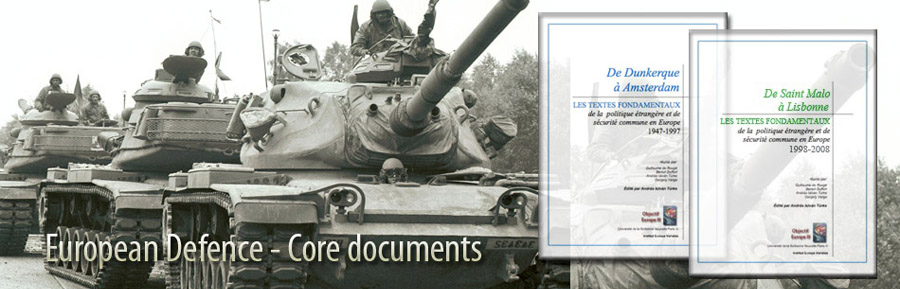
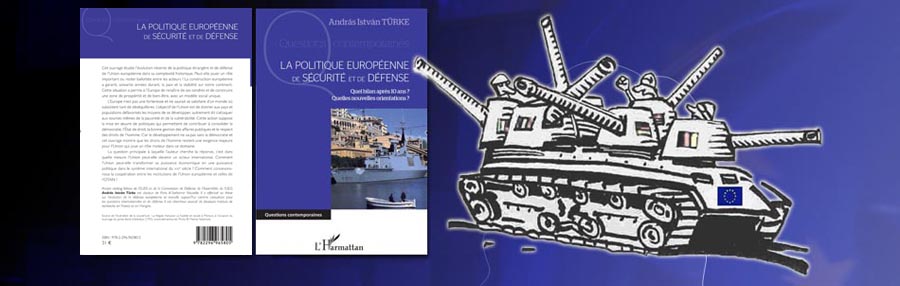
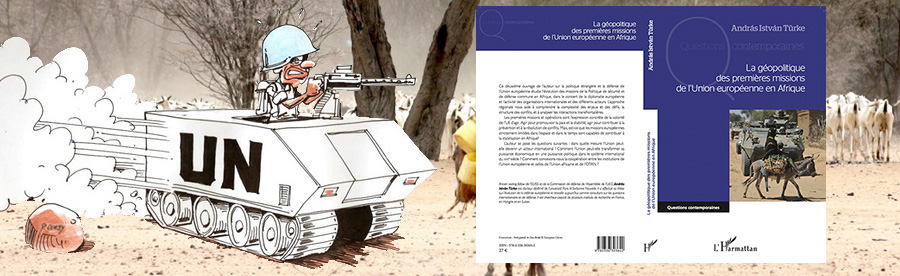
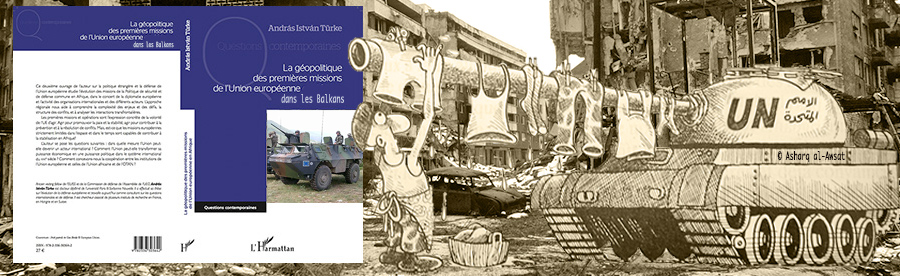
We are looking for sponsors for the English translation of these books, please contact turkeandras(at)gmail(dot)com