
You are here
Feed aggregator
Sogar Trump hat Angst vor den Huthis: Deshalb lässt Amerika den Jemen-Terroristen freie Hand
Amerika, der einstige Weltpolizist, lässt die schiitischen Milizen im Jemen frei gewähren. Selbst jetzt, wo sie die wichtige Meerenge Bab al-Mandab erobern. Trumps Passivität hat zwei Gründe. Und ein Staat profitiert davon.
Categories: Afrique, Swiss News
Kontakt mit Bichsel und Update zu Fiala: Nati-Coach Cadieux arbeitet WM-Enttäuschung in Einzelgesprächen auf
Nati-Trainer Jan Cadieux hat die Enttäuschung des verlorenen WM-Finals im Mai mit den Nati-Spielern in Einzelgesprächen noch einmal Revue passieren lassen. Auch der lange intern gesperrte Lian Bichsel ist wieder Teil der Pläne.
Categories: Biztonságpolitika, Swiss News
Tariki alerte : Jusqu’à 1 an de prison et 100 000 DA d’amende pour cette infraction
La Gendarmerie nationale tire la sonnette d’alarme. Prendre le volant sans être titulaire du précieux sésame n’est pas une simple infraction routière, mais un délit […]
L’article Tariki alerte : Jusqu’à 1 an de prison et 100 000 DA d’amende pour cette infraction est apparu en premier sur .
Categories: Afrique, Europäische Union
Renouvellement du passeport algérien en ligne : ce qui va changer après le test de Paris
Obtenir son passeport biométrique algérien sans poser un pied au guichet ? Ce qui ressemblait à un rêve pour les ressortissants à l’étranger est en […]
L’article Renouvellement du passeport algérien en ligne : ce qui va changer après le test de Paris est apparu en premier sur .
Categories: Afrique, European Union
Er wurde 69 Jahre alt: Deutscher Kult-Schauspieler Ralf Richter ist tot
Der Musiker und Schauspieler Ralf Richter ist mit 69 Jahren verstorben, wie die «Bild» berichtet. Gesundheitlich soll er schwer angeschlagen gewesen sein. Der Deutsche erlangte durch seine Rolle als Zentralemaat Frenssen im Kriegsfilm «Das Boot» Bekanntheit.
Categories: Afrika, Swiss News
Seit über vier Jahren: Russischer Aeroflot-Airbus vergammelt auf Schweizer Flughafen
Seit Februar 2022 sitzt ein russischer Airbus A321 in Genf fest. Nach 1700 Tagen Stillstand ist der Jet flugunfähig. Parkgebühren in Millionenhöhe türmen sich – und an Bord stinkt es nach altem Essen. Was passiert mit dem gestrandeten Aeroflot-Flugzeug?
Categories: Afrika, Swiss News
Les leaders religieux s'arment contre le blanchiment de capitaux
Un séminaire national réunit les 15 et 16 septembre 2026 à Cotonou les leaders religieux autour de leur rôle dans la lutte contre le Blanchiment de Capitaux et le Financement du Terrorisme (LBC/FT). C'est à l'initiative du Groupe Intergouvernemental d'Action contre le Blanchiment d'Argent en Afrique de l'Ouest (GIABA) en collaboration avec la Cellule Nationale de Traitement des Informations Financières (CENTIF).
La lutte contre le blanchiment de capitaux et le financement du terrorisme ne relève plus des seuls services spécialisés. Au contact quotidien des communautés, les responsables religieux sont désormais appelés à prendre leur part dans la prévention de ces risques et dans le renforcement de la vigilance. « Vous êtes des acteurs de proximité », a lancé, mardi 15 septembre 2026, le ministre délégué chargé de l'Intérieur et de la Sécurité publique, Djibril Mama Cissé Moussa, à l'ouverture du séminaire consacré au rôle des leaders religieux dans la LBC/FT.
Pendant deux jours, responsables musulmans, chrétiens et d'autres confessions sont sensibilisés aux risques auxquels peuvent être exposées leurs organisations, notamment à travers la gestion des dons, offrandes, quêtes et financements extérieurs.
Pour Abdou Rafiou Bello, président de la Cellule Nationale de Traitement des Informations Financières (CENTIF), « il ne s'agit nullement (...) de jeter la suspicion sur les organisations religieuses (...) mais de vous armer, vous outiller, afin que votre intégrité demeure au-dessus de tout soupçon ».
Il a rappelé le cadre légal en vigeur au Bénin et le rôle de son institution en matière de LBC/FT. La CENTIF a reçu et traité près de 529 déclarations d'opérations suspectes en 2025, donnant lieu à 154 notes de renseignements financiers, selon son président. Elle a également réalisé une évaluation sectorielle des risques concernant les organisations à but non lucratif.
Dons et financements suspects
La vigilance passe notamment par une comptabilité fiable, la traçabilité des dons importants et une attention particulière aux financements inhabituels ou assortis de conditions suspectes, a indiqué le président de la CENTIF dans son allocution de bienvenue. Les responsables religieux sont également invités à relayer ces messages dans les lieux de culte, particulièrement auprès des jeunes.
Représentant Mam Cherno Jallow, le nouveau directeur général du GIABA, Amadou Diongue a rappelé l'importance de la prévention dans une sous-région confrontée à l'expansion de l'extrémisme violent. « Lutter contre le BC/FT, c'est donc protéger nos économies et préserver la paix », a-t-il affirmé. Les leaders religieux ont un rôle à jouer, selon lui. « Vous êtes des guides, des éducateurs et des acteurs de proximité. Par votre autorité morale et la confiance que vous accordent les communautés, vous contribuez à promouvoir des valeurs de paix, de solidarité, de tolérance, de solidarité et de responsabilité. C'est à ce titre que le GIABA vous considère comme des partenaires essentiels dans la prévention et la lutte contre le balnchiment de capitaux et le financement du terrorisme », a-t-il indiqué.

Les leaders religieux ne sont pas appelés à se substituer aux services de renseignement ou à la justice, mais à contribuer à la prévention et au partage d'informations pertinentes.
Les responsables religieux sont également invités à agir à travers les sermons, homélies et enseignements
Cette rencontre, qui fait suite à une première édition organisée en mai 2022, doit déboucher, mercredi 16 septembre 2026, sur un ensemble de recommandations concrètes dans le cadre de la prévention du BC/FT.
Marc MENSAH


Categories: Afrique, Swiss News
Über 25'000 Personen haben abgestimmt: Dieser National-League-Klub hat das schönste Logo
Blick wollte es wissen: Welches Hockey-Team hat das schönste Logo. Die Abstimmung hat einen klaren Sieger ergeben – und ein ebenso klares Schlusslicht.
Categories: Afrika, Swiss News
Comment savoir si votre corps dégage une odeur qui dérange les autres
Beaucoup de gens ne perçoivent pas leur propre odeur corporelle, surtout lorsqu'elle est désagréable. Voici comment savoir si les autres sentent une mauvaise odeur émanant de vous.
Offenbar nicht Teil des XXL-Kaders: Klopp bootet wohl DFB-Goalie aus
Jürgen Klopp hat als deutscher Nationaltrainer offenbar eine erste wichtige Personalentscheidung getroffen: Marc-André ter Stegen wird zur neuen Nummer 1 im DFB-Tor. Gar nicht mehr aufgeboten wird dagegen Oliver Baumann.
Categories: Afrika, Swiss News
Wegen Baustellen: SBB bieten keinen Fanzug für Match FC Sion – FC Zürich an
Die SBB können für das Fussballspiel FC Sion – FC Zürich am Samstag wegen Baustellen keinen Fanzug zur Verfügung stellen. Fussball-Fans müssen daher individuell mit Regelzügen reisen. Es drohen daher stark ausgelastete Züge.
Categories: Afrika, Swiss News
«Tut ein wenig weh»: Servette ist weit weg von den eigenen Ambitionen
Bei Servette ist man unzufrieden mit dem Saisonstart. Besonders Verteidiger Steve Rouiller schmerzt der aktuelle Tabellenplatz. Im Nachholspiel gegen Thun kann dieser aber verbessert werden. Dafür braucht es aber den zweiten Sieg in Folge – das Servette-Inside.
Categories: Afrika, Swiss News
Ab auf die Wiesn: Der grosse Guide zum Münchner Oktoberfest 2026
Auf den Bänken tanzen, mit Tausenden Schlager grölen und Masskrüge stemmen: Das Oktoberfest in München ist das grösste Volksfest der Welt. Im grossen Wiesn-Guide beantwortet Blick die wichtigsten Fragen zur Mega-Gaudi.
Categories: Afrika, Swiss News
Teste jetzt dein Wissen: Wie gut hast du bei den National-League-Transfers aufgepasst?
Die Kaderplanung bei den NL-Klubs ist jetzt durch. Weisst du, wer jetzt wo spielt? Beweise es im Quiz.
Categories: Afrika, Swiss News
Affaire Latifa Dib : l’ex-avocate voit sa peine réduite en appel
La Cour d’Alger a baissé la peine de Latifa Dib. L’ancienne avocate écope désormais de deux ans de prison ferme, contre le double en première […]
L’article Affaire Latifa Dib : l’ex-avocate voit sa peine réduite en appel est apparu en premier sur .
Categories: Afrique, European Union
Press release - State of the European Union debate: doorstep with EP President Metsola at 8.15
Ahead of the State of the European Union plenary debate tomorrow morning, EP President Roberta Metsola will address the media.
Source : © European Union, 2026 - EP
Source : © European Union, 2026 - EP
Categories: European Union
Press release - State of the European Union debate: doorstep with EP President Metsola at 8.15
Ahead of the State of the European Union plenary debate tomorrow morning, EP President Roberta Metsola will address the media.
Source : © European Union, 2026 - EP
Source : © European Union, 2026 - EP
Categories: European Union
Press release - State of the European Union debate: doorstep with EP President Metsola at 8.15
Ahead of the State of the European Union plenary debate tomorrow morning, EP President Roberta Metsola will address the media.
Source : © European Union, 2026 - EP
Source : © European Union, 2026 - EP
Categories: Europäische Union, European Union
Press release - State of the European Union debate: doorstep with EP President Metsola at 8.15
Ahead of the State of the European Union plenary debate tomorrow morning, EP President Roberta Metsola will address the media.
Source : © European Union, 2026 - EP
Source : © European Union, 2026 - EP
Categories: Európai Unió : hírek magyarul, European Union
La route Ouidah-Hillacondji va être doublée sur 58,5 km
Le Bénin prévoit le dédoublement de 58,5 kilomètres de route entre Ouidah et Hillacondji, à la frontière avec le Togo, avec l'appui financier de la Banque Africaine de Développement (BAD).
La route Ouidah-Hillacondji sera dédoublé. Le projet, intégré à la modernisation du corridor Lomé-Cotonou, comprend également 35,5 km de contre-allées entre Godomey et Ouidah et 21 km de voies pour desservir plusieurs sites touristiques de Ouidah.
Un parking pour poids lourds de six hectares ainsi que des infrastructures administratives et de sécurité sont aussi prévus à la frontière.
Ces différents aménagements représentent au total 115 km d'infrastructures routières. Ils visent notamment à fluidifier la circulation et à faciliter les échanges sur cet axe stratégique reliant le Bénin au Togo.
Le tronçon constitue une composante de la deuxième phase du projet de réhabilitation de la route Lomé-Cotonou et de protection côtière, lui-même inscrit dans le corridor Abidjan-Lagos, qui traverse cinq grandes villes d'Afrique de l'Ouest.
Categories: Afrique, Swiss News
Pages
the old site is here


© 2012-2015 Europa Varietas Foundation © 2015-2020 Europa Varietas Association
www.europavarietas.org | info(@)europavarietas(dot)org | Switzerland
This is a GDPR ready site
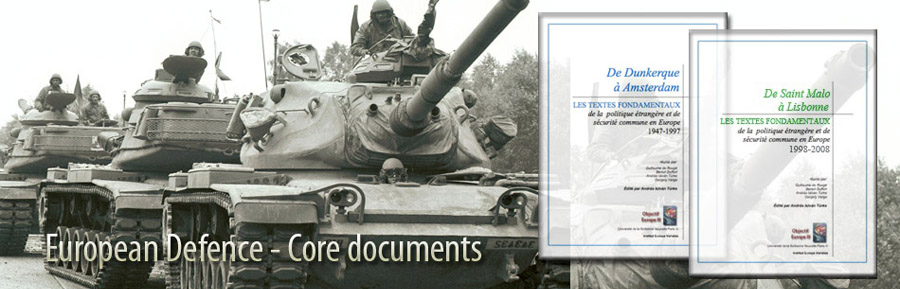

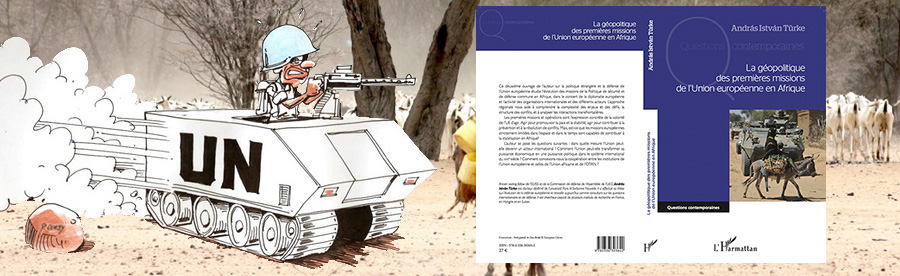
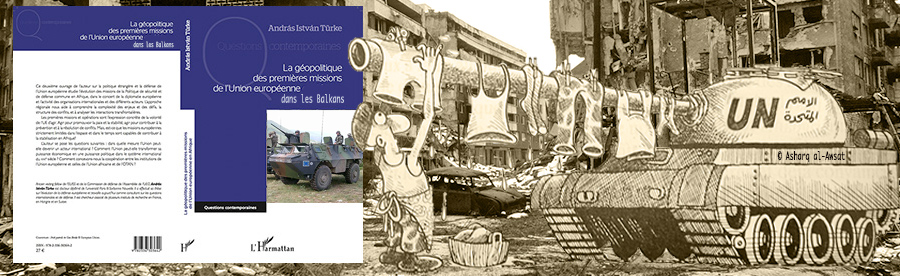
We are looking for sponsors for the English translation of these books, please contact turkeandras(at)gmail(dot)com