
You are here
Feed aggregator
Stürmer feiert Auferstehung: Stellt Servette-Trainer wegen Guillemenot System um?
Servette trifft am Samstagabend auswärts auf die Hoppers (18 Uhr), gegen die die Genfer schon jahrelang nicht mehr verloren haben. Stellt Gourvennec wegen Guillemenot wieder das System um?
Categories: Swiss News
Drittes Training mit viel Wirbel und Strafen: Russell stört Titeltrio – Hamilton zerstört Ferrari
Die letzten 60 Minuten vor der heissesten Qualifikation des Jahres ab 15 Uhr MEZ (TV live). Wer holt die 24. Pole-Position – bringt Sauber sogar beide Autos ins Top Ten Finale? Hamilton crasht in die Mauer. Schnellster im dritten Training: Russell vor Norris.
Categories: Swiss News
Niklausschwinget im Ticker: Orlik erlebt Schreckmoment gegen Normalkranzer
Ein Schwingfest im Winter? Was komisch klingt, hat in der Stadthalle in Dietikon dank dem Niklausschwinget Tradition. In diesem Jahr steigen auch zwei Eidgenossen ins Sägemehl. Neben Nick Alpiger lässt sich auch König Armon Orlik die Chance auf den Sieg nicht nehmen.
Categories: Swiss News
Dar El Quran resserre les conditions d’accès à son programme de doctorat : Voici les critères exigés !
L’École nationale supérieure des sciences islamiques « Dar El Qur’an », relevant de l’administration de la Grande Mosquée d’Alger, a annoncé l’ouverture d’un concours national […]
L’article Dar El Quran resserre les conditions d’accès à son programme de doctorat : Voici les critères exigés ! est apparu en premier sur .
Categories: Afrique, Swiss News
So reagieren Schweizer Gegner auf das WM-Los: Italien denkt an Gruppensieg – ohne qualifiziert zu sein
In Italien und Wales blickt man zuversichtlich auf ein mögliches WM-Abenteuer. Laut walisischen Medien gibt es in Gruppe B keinen Gegner, vor dem man sich fürchten muss. Einschliesslich der Schweiz.
Categories: Swiss News
Bund hofft auf mehr Effizienz: Entscheidet KI bald über Flüchtlinge?
Das Schweizer Asylsystem gerät an seine Grenzen. Nun erwägt der Bundesrat um Justizminister Beat Jans den Einsatz künstlicher Intelligenz zur Effizienzsteigerung.
Categories: Swiss News
«Fremdscham!»: Zuschauer zerreissen WM-Auftritt von Heidi Klum
Heidi Klum moderierte am Freitag die Auslosung für die Fussball-WM nächstes Jahr. Im Netz fällt Klum komplett durch. Von «Fremdscham» bis «fehl am Platz» ist alles dabei.
Categories: Swiss News
Atomenergiebehörde IAEA warnt: Tschernobyl-Schutzhülle benötigt dringende Sanierung
IAEA alarmiert: Tschernobyls Schutzhülle braucht dringende Sanierung nach Drohneneinschlag. Experten empfehlen verstärkte Überwachung und Schutzmassnahmen. Vorläufige Reparaturen sind geplant, um die Eindämmungsfähigkeit wiederherzustellen.
Categories: Swiss News
Gottschalk vor TV-Abschied: «Macht euch keine Sorgen»
Sein TV-Abschied steht kurz bevor, nun hat sich der an Krebs erkrankte Thomas Gottschalk mit einer persönlichen Botschaft auf Instagram an seine Fans gerichtet.
Categories: Swiss News
Ein Jahr nach dem Entlassico: Rasiert Rahmen nun Magnin?
Im Herbst vor einem Jahr wird Patrick Rahmen bei YB nach einer 0:1-Pleite gegen den FCB entlassen. Nun könnte er mit einem Sieg gegen den FCB für den Rauswurf von Ludovic Magnin sorgen. Wie der Winti-Coach mit Druck umgeht. Und welchen Rat er den Verantwortlichen gibt.
Categories: Swiss News
L’Algérie exporte pour la 1ʳᵉ fois des produits pharmaceutiques vers ce pays arabe
L’Algérie a enregistré, jeudi dernier, une avancée importante dans le domaine de l’exportation des produits pharmaceutiques. Depuis la wilaya d’Oum El Bouaghi, la première cargaison […]
L’article L’Algérie exporte pour la 1ʳᵉ fois des produits pharmaceutiques vers ce pays arabe est apparu en premier sur .
Categories: Afrique, Swiss News
Weggefährten über den neuen Nati-Trainer Jan Cadieux: «Er atmet Hockey nicht nur, er isst und schläft es auch noch»
Seit dieser Woche ist es offiziell. Jan Cadieux wird die Nati ab der Saison 2026/27 in die Zukunft führen. Doch wie tickt der neue Mann mit dem grössten Hockey-Job im Land, der in der Deutschschweiz bislang unter dem Radar geflogen ist?
Categories: Swiss News
Am Flughafen in Sao Paulo: Flugzeug fängt kurz vor Abflug Feuer
Dramatischer Zwischenfall am internationalen Flughafen in Sao Paulo: Ein Latam-Flugzeug fängt Anfang Dezember kurz vor dem Start Feuer. Passagiere wurden sofort evakuiert, der Inlandsflug nach Porto Alegre abgebrochen. Glücklicherweise gab es keine Verletzten.
Categories: Swiss News
Teuerung lässt Stimmung in den USA kippen: Trumps unglaubliche Zollwende bei Lebensmitteln und Co.
US-Präsident Trump hebt Zölle auf Lebensmittel wieder auf, um steigende Preise zu bekämpfen. Die Inflation in den USA bleibt hartnäckig bei 3 Prozent, was besonders die Mittelschicht trifft. Jetzt verklagt auch noch Mega-Händler Costco die Regierung.
Categories: Swiss News
La Génération Z Bouscule Tout Sur Son Passage
Comme une traînée de poudre qui rappelle les prémices de 1968 ou les Printemps arabes, de fortes manifestations de jeunes, sans affiliation politique ou syndicale, ont gagné la planète, notamment le Sud global, de façon inopinée et empruntant des formes spécifiques selon le pays.
Michel Rogalski, Directeur de la revue Recherches internationalesSans lutte armée, sans putsch mais avec détermination impressionnante face à la répression. Utilisant les formes les plus modernes de communication, d'échanges et de coordination comme la plateforme « Discord » de messagerie américaine destinée aux adeptes de jeux en lignes instantanée et bien vite détournée. La plateforme Discord s'est révélée un formidable outil de communication et d'échanges politiques et affirme réunir 200 millions d'utilisateurs à travers le monde. Tik Tok et Instagram complètent le dispositif. Le mouvement s'est répandu à travers la planète, portant partout des revendications largement partagées pouvant se résumer à travers le mot d'ordre « Donnez-nous des droits, enlevez les privilèges ». À cela s'ajoute le refus contre la vie chère et le chômage élevé, l'indigence de services publics ou celui d'être considérés comme des parasites. Parfois avec violence de masse comme au Népal où le Parlement a été incendié et le gouvernement limogé Ce mouvement mondial s'est doté d'un symbole, une tête de pirate, inspiré du célèbre manga One Piece où le pirate Luffy libère les peuples et se bat contre un gouvernement corrompu.
Deux luttes emblématiques : Maroc et Madagascar
Ces deux pays illustrent bien la diversité de ces mouvements.
Tout d'abord le Maroc où rappelons-le la colère s'est propagée après la mort, en août, de huit femmes venues, la même semaine, accoucher par césarienne dans l'hôpital Hassan II d'Agadir dans le sud du pays. Des débordements violents entraînent la mort de trois manifestants. Les protestations s'enchaînent dans tout le pays et demandent la démission du premier ministre Aziz Akhannouch en poste depuis quatre ans. Par contre, le Roi du Maroc – 26 ans de règne - et le régime monarchique sont épargnés. La répression s'organise contre le mouvement qui s'est autoproclamé Gen Z 212 (c'est le numéro du code postal international du pays).
La vague répressive atteint déjà plusieurs milliers d'arrestations dont un millier a abouti devant le procureur. Non seulement le mouvement n'a pas été cassé mais la presse s'est solidarisée avec les manifestants et stipendie le système oligarchique. Les mots d'ordre et les revendications s'étoffent et réclament de meilleurs services d'éducation et de santé et plus largement de services publics au service de tous. Le capitalisme de rente et de connivences, la corruption deviennent le centre des mots d'ordre. La bataille idéologique fait rage et pose la question du « patriotisme sportif » mis en avant par le régime pour désamorcer le ressentiment populaire. En effet le Maroc ambitionne d'accueillir la prochaine Coupe d'Afrique des Nations de football CAN) et la Coupe du monde de 2030 et s'attire la réponse cinglante des manifestants : « des écoles et des hôpitaux, plutôt que des stades ! ». Et d'ajouter dans une feuille de route : « Nous exigeons que soit comblé le fossé béant entre le Maroc promis par les textes officiels et le Maroc que nous vivons au quotidien. »
On assiste à la naissance d'un mouvement sans leader, mené par des jeunes, à la recherche d'un nouveau contrat social et bien décidé à affronter le pouvoir. L'image du royaume notamment à l'étranger a pris un sérieux coup et s'est déjà fissurée. Mais pour l'instant le régime tient bon grâce à la répression et bénéficie d'un large appui des États-Unis qui en ont fait leur principal allié militaire en Afrique ou de la France, son meilleur point d'appui au Maghreb. En outre le Maroc est le premier pays arabe à avoir eu des liens diplomatiques avec Israël, dès 2020, et rêve d'un rapprochement avec l'Union européenne. C'est dire combien le Maroc est un maillon important du système occidental.
À Madagascar, l'armée a désavoué la répression des manifestants par la gendarmerie – comme lors du printemps tunisien, lorsque l'armée a refusé de rejoindre la police entraînant la fuite de Ben Ali. Là encore le président en place depuis 2018 a été exfiltré dans un avion militaire français. Il se trouve aujourd'hui à Dubaï alors que ses collaborateurs les plus proches ont trouvé refuge, grâce à des avions privés, à l'île Maurice où certains d'entre eux ont étés arrêtés et inculpés pour blanchiment d'argent. Le mouvement de protestation s'est mobilisé fin septembre sur deux éléments qui empoisonnent et désorganisent la vie des habitants : les coupures d'eau et d'électricité qui témoignent du caractère obsolète et non-entretenu des réseaux d'équipement ainsi que du manque d'investissements de l'État et sa mauvaise gouvernance dans un pays où le taux de pauvreté touche 75 % de la population. 400 000 jeunes arrivent sur le marché du travail chaque année. C'est devenu une bombe à retardement qui explose aujourd'hui car l'économie ne créée pas suffisamment d'emplois, ce qui oblige ces jeunes à se tourner vers le secteur informel, sous-payé et précaire par définition.
Très vite les partis d'opposition et les syndicats ont épousé la cause de la jeunesse et ont appelé à la grève générale alors que les manifestations se sont transformées en émeutes, en pillage et en incendies. La situation est devenue insurrectionnelle et le président a dû lâcher du lest et limoger le gouvernement. La viralité des réseaux sociaux a contribué à l'extension du mouvement. Aujourd'hui les militaires ont pris le pouvoir. Le mouvement Gen Z essaie de les mettre sous surveillance tout en craignant lui-même d'être écarté du processus en cours. En signe de gage de bonne fois, les militaires ont confié à une quarantaine de magistrats de la Cour des comptes le mandat de procéder à un audit de l'État et de la gestion de l'ancien régime. Madagascar est un allié fidèle de Paris. Il faudra suivre avec attention l'évolution de l'avenir de la base navale de Diégo-Suarez, un temps tombée en désuétude mais que les autorités françaises voudraient remettre en activité – base essentielle pour surveiller le trafic qui transite par le canal de Mozambique.
Ces luttes multiples témoignent de la remise en cause du système partout dominant. Du Maroc au Népal, du Pérou au Bangladesh, du Sri Lanka au Kenya, de la Birmanie à Madagascar, d'Indonésie au Timor-Oriental ou aux Philippines, ces luttes, parfois insurrectionnelles partent à l'assaut des inégalités. Il faut reconnaître l'universel à travers chacune de ces situations particulières. Si la démocratie libérale et les régimes qui la portent sont partout conspués, ils ne sont pas pour autant tous défaits. Le contenu idéologique de ces mouvements reste flou, et s'il témoigne d'un « dégagisme » certain, la colère s'exprime en termes moraux mettant en avant la corruption, le népotisme, la dignité, la trahison, les dépenses fastueuses et l'incompétence.
Tous ces griefs s'ajoutant aux traits fondamentaux de ces régimes qui reposent sur l'injustice sociale, le déclassement, la précarité permanente, le chômage, la pauvreté de masse qui touchent l'ensemble de la population et surtout une jeunesse - dont le poids démographique est énorme - qui reste sans avenir et sans perspectives. La détresse et la colère de la jeunesse sont emblématiques d'une situation qui touche toute la population qui assiste à la privatisation des services publics. Les jeunes souvent plus éduqués et diplômés et aujourd'hui largement connectés ont très vite pris conscience, surtout en milieux urbains, de cette situation qui ne peut que les révolter.
Il ne faut pas s'étonner, en l'absence d'idéologie constituée et de structures organisées pour la porter, si les succès sont peu nombreux ou de courte durée et cèdent vite la place à des régimes autoritaires comme ce fut le cas en Tunisie ou en Égypte où des forces organisées de longue date ont su capter le mouvement à leur profit. Les réseaux sociaux – seuls outils de communication et d'organisation – efficaces pour la mobilisation, peuvent accompagner un mouvement mais ne pourront pas se substituer à lui s'il n'existe pas.
Cette chronique est réalisée en partenariat rédactionnel avec la revue Recherches internationales à laquelle collaborent de nombreux universitaires ou chercheurs et qui a pour champ d'analyse les grandes questions qui bouleversent le monde aujourd'hui, les enjeux de la mondialisation, les luttes de solidarité qui se nouent et apparaissent de plus en plus indissociables de ce qui se passe dans chaque pays.
Categories: Afrique, Swiss News
Le 3e spectacle prévu pour les 11, 12 et 13 décembre
Le 3e spectacle de la 2e saison de Dayihoun-Théâtre aura lieu les jeudi 11, vendredi 12, et samedi 13 décembre 2025, à la Bourse du Travail, Cotonou.
La 2e saison de Dayihoun-Théâtre baptisée « Odyssée », continue son voyage théâtral. Le 3e spectacle ‘'Les Larmes d'une Reine'' est prévu pour les jeudis 11, vendredi 12, et samedi 13 décembre. Marie Bonnemaison, auteure de la réécriture de Les Larmes d'une Reine, et Directrice artistique de la troupe Corélias Productions, présente ce spectacle qui aborde un sujet auquel nul ne peut rester insensible.
« Les Larmes d'une Reine est une pièce qui aborde les violences conjugales dont souffrent les femmes, le plus souvent en silence. Elles ne disent rien, elles ne se plaignent pas, elles ne se confient pas. Et vous savez pourquoi ? Parce que dans le monde entier, la femme qui souffre des violences de son mari, ou de son compagnon, se sent responsable des souffrances qu'il lui inflige. Ainsi, celle qui est victime se sent coupable ! Le sujet est grave mais grâce au théâtre, il peut, en étant abordé sur le plan artistique, devenir source de libération. C'est du moins, les objectifs que nous nous sommes fixés. Libérer la parole, prendre conscience de, échanger avec.
Alors, venez nombreux ! Vous voyez, vous avez trois dates au choix ! Et puis le spectacle ne dure qu'une heure ! Et vous pourrez même parfois avoir l'occasion de rire ! Nous comptons sur vous ! Parce que « Sans public, il n'y a pas de théâtre » !
Categories: Afrique, Swiss News
In ihrer Netflix-Show: Harry beleidigt Meghans Kochkünste
Dass der Prinz seine Liebste vor laufenden Kameras blamiert, dürfte für Ärger in der weihnachtlich dekorierten, kalifornischen Hütte sorgen. Nur eine kann den Briten-Royal nun vor der Rache seiner «Hollywood-Prinzessin» retten, seine Schwiegermutter.
Categories: Swiss News
Preise für Klassiker der 50er- und 60er-Jahre sinken: Die Oldtimerblase ist geplatzt
Jahrelang kannten die Preise für Oldtimer nur eine Richtung – nach oben. Doch seit diesem Jahr sind Klassiker aus den 50er- und 60er-Jahren plötzlich weniger gefragt. Dafür boomt das Geschäft mit Youngtimern. Warum?
Categories: Swiss News
Bundesrat legt Vorschlag vor: Geplante neue Tempo-30-Regeln spalten die Politiklandschaft
Tempo 30 nur nach Gutachten und lieber Flüsterbeläge als Temporeduktion: Der Bundesrat will klare Regeln auf Hauptstrassen in Städten und Dörfern einführen. Städte und Linken sprechen von massiven Einschränkungen. Der SVP geht der Vorschlag dagegen zu wenig weit.
Categories: Swiss News
«Es ist viel passiert»: Darum gibt FCSG-Shootingstar Vogt noch keine Interviews
Was Alessandro Vogt zum Viertelfinal-Los FCB sagt. Welchen Gegner er sich für die Schweiz an der WM gewünscht hätte. Und wie kritisch Coach Enrico Maassen die dürftige Leistung im Cup gegen Rapperswil sieht – und das vor dem Duell gegen den FCZ am Samstag (20.30 Uhr).
Categories: Swiss News
Pages
the old site is here



© 2012-2015 Europa Varietas Foundation © 2015-2020 Europa Varietas Association
www.europavarietas.org | info(@)europavarietas(dot)org | Switzerland
This is a GDPR ready site


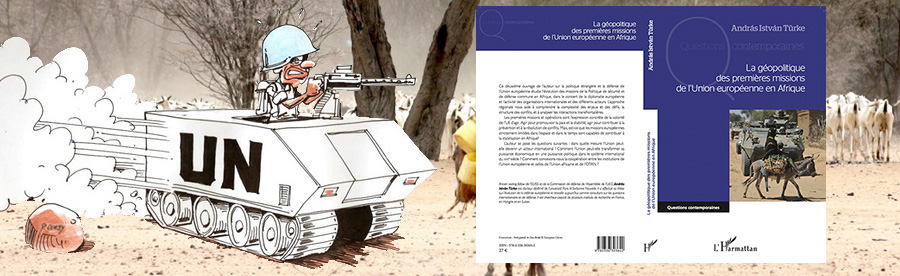

We are looking for sponsors for the English translation of these books, please contact turkeandras(at)gmail(dot)com