
You are here
Swiss News
DIGITAL 00H : la combinaison gagnante
DIGITAL 00H : Avez-vous tenté votre chance ?
Le tirage DIGITAL 00H N°257 a livré son verdict !
Lundi 12 Octobre 2026
Avez-vous joué ?
Avez-vous misé sur vos numéros porte-bonheur ?
RÉSULTAT : 49 • 40 • 61• 34• 18
Félicitations aux heureux gagnants !
Pas encore cette fois ? Gardez le sourire.
Rendez-vous à 08H pour le prochain tirage.
Jouez dans les points de vente ou : Tapez *590# ou rendez-vous sur lnbloto.bj
Jouez avec modération et responsabilité. Le jeu doit rester un plaisir.
A TOI DE JOUER #XòGbɔnAlɔkpaVo
#LNBSA #JeuResponsable #LaChanceAvecModération
Categories: Afrique, Swiss News
Frau (†21) stirbt beim Bungee-Jumping in Deutschland
Eine 21-Jährige ist in einem ehemaligen Steinbruch in Nordrhein-Westfalen bei einem selbst gebauten Bungee-Sprung tödlich verunglückt.
Categories: Swiss News
Mourners killed by Kenya police at ex-PM's national farewell not part of violence, BBC finds
After analysing 1,500 videos and images of the Raila Odinga memorial, Africa Eye finds that those killed were far from the scuffles.
Categories: Africa, Swiss News
Will er jetzt den Atlantik umbenennen?
Donald Trump will nach «Golf von Amerika» und «Lake America» offenbar den nächsten geografischen Namen ändern: An einer Wahlkampfveranstaltung brachte er einen «Trump-Ozean» ins Spiel.
Categories: Swiss News
10 Schweizer Städte, die sich wie Ferien anfühlen
Südländisches Flair, spektakuläre Naturräume und historische Altstädte: Für den perfekten Citytrip im Herbst braucht es keine Fernreise. Diese zehn Schweizer Städte überraschen mit mediterranem Charme, kulinarischen Highlights und grandiosen Kulissen.
Categories: Swiss News
In den Kantonen sind Mütter schon an vorderster Front
Warum gilt im Bundesrat noch als heikel, was in Kantonsregierungen längst funktioniert? Die mögliche Kandidatur von Céline Amaudruz rückt die Vereinbarkeit von Spitzenpolitik und Familie neu ins Zentrum.
Categories: Swiss News
«Komme mir vor wie auf Sizilien bei der Mafia!»
Im beschaulichen Dorf Vättis SG im Taminatal ist die Welt nicht mehr in Ordnung. Hier tobt seit einiger Zeit ein erbitterter Nachbarschaftsstreit zwischen Regina Jäger (75) und der Nachbarsfamilie M.* Blick hat die Streithähne besucht.
Categories: Swiss News
«Ich lasse mir nicht einfach etwas wegnehmen»
Im beschaulichen Dorf Vättis SG im Taminatal ist die Welt nicht mehr in Ordnung. Hier tobt seit einiger Zeit ein erbitterter Nachbarschaftsstreit zwischen Regina Jäger (75) und der Nachbarsfamilie M.* Blick hat die Streithähne besucht.
Categories: Swiss News
«Du hattest keine Beauty-OPs?!»
Die Schweizer Country-Königin Suzanne Klee (80) sang im Wembley-Stadion in London, in Tokio und im Zürcher Hallenstadion. Nun überrascht sie mit ehrlichen Geständnissen. Im neuen Blick-Video-Format «G&G Deeptalk» spricht sie über Beauty-Eingriffe.
Categories: Swiss News
Görtler versenkt Lausanne vom Punkt
In Zusammenarbeit mit blue Sport präsentiert Blick die Highlights der Partie St. Gallen – Lausanne (1:0).
Categories: Swiss News
YB trifft zuerst zweimal Alu, dann zweimal ins Tor
In Zusammenarbeit mit blue Sport präsentiert Blick die Highlights der Partie Grasshopper Club Zürich – BSC Young Boys (0:2).
Categories: Swiss News
YB trifft zuerst zweimal Alu, dann zweimal ins Tor
In Zusammenarbeit mit blue Sport präsentiert Blick die Highlights der Partie Grasshopper Club Zürich – BSC Young Boys (0:2).
Categories: Swiss News
Gewinne Tickets für das Konzert von Bob Dylan in Zürich
Bob Dylan kommt am 1. November ins Hallenstadion Zürich. Wir verlosen 10 × 2 Tickets für das Konzert einer der grössten Musiklegenden unserer Zeit, inklusive Upgrade für die Sunrise Starzone Lounge.
Categories: Swiss News
Wir verlosen Tageseintritte für das Weinfestival Basel
Vom 24. Oktober bis 1. November lädt das Weinfestival Basel zum grossen Weinerlebnis. Gewinne zwei Tickets für einen Besuch am Tag deiner Wahl und entdecke in der Messe Basel die besten Weine der 140 Ausstellenden.
Categories: Swiss News
FCB wird bei Trainer-Debüt von Vaduz vorgeführt
In Zusammenarbeit mit blue Sport präsentiert Blick die Highlights der Partie Vaduz – Basel (3:0).
Categories: Swiss News
12 Herbstausflüge, die Wein und Wandern vereinen
Vom Unesco-Welterbe im Lavaux bis zu den Weinsafes im Thurgau: Entdecke zauberhafte Herbstwanderungen durch die Schweizer Rebberge. Setz dich einfach in den Zug, und mach dort Halt, wo es dich hinzieht. Tipp: Mit der «Tageskarte für 2» fährst du dabei besonders günstig.
Categories: Swiss News
Der Realitätscheck für den FCB fällt knallhart aus
Nach dem 0:3-Einstand gegen Vaduz will FCB-Trainer Slavisa Jokanovic noch nicht laut werden. Wo die Basler Probleme liegen, hat er aber bereits erkannt.
Categories: Swiss News
DIGITAL 20 H : le verdict
DIGITAL 20H : Avez-vous tenté votre chance ?
Le tirage DIGITAL 20H N°257 a livré son verdict !
Dimanche 11 Octobre 2026
Avez-vous joué ?
Avez-vous misé sur vos numéros porte-bonheur ?
RÉSULTAT : 63 • 22 • 02• 88• 79
Félicitations aux heureux gagnants !
Pas encore cette fois ? Gardez le sourire.
Rendez-vous à 00H pour le prochain tirage.
Jouez dans les points de vente ou : Tapez *590# ou rendez-vous sur lnbloto.bj
Jouez avec modération et responsabilité. Le jeu doit rester un plaisir.
A TOI DE JOUER #XòGbɔnAlɔkpaVo
#LNBSA #JeuResponsable #LaChanceAvecModération
Categories: Afrique, Swiss News
Schweizer triumphieren beim Chicago Marathon
Zwei Wochen nach Berlin dominieren Marcel Hug und Catherine Debrunner auch den Chicago Marathon. Während Hug erneut ungefährdet gewinnt, knackt Debrunner ihre eigene Weltbestmarke deutlich.
Categories: Swiss News
Panne wird Schweizer (45) in Epfendorf (D) zum Verhängnis
Weil sein Auto in einer Baustelle auf der A81 liegen blieb, rückte die Polizei aus – und entdeckte laut Bericht ein mögliches Kennzeichenproblem. Gegen einen Schweizer wird nun in Deutschland ermittelt.
Categories: Swiss News
Pages
the old site is here



© 2012-2015 Europa Varietas Foundation © 2015-2020 Europa Varietas Association
www.europavarietas.org | info(@)europavarietas(dot)org | Switzerland
This is a GDPR ready site


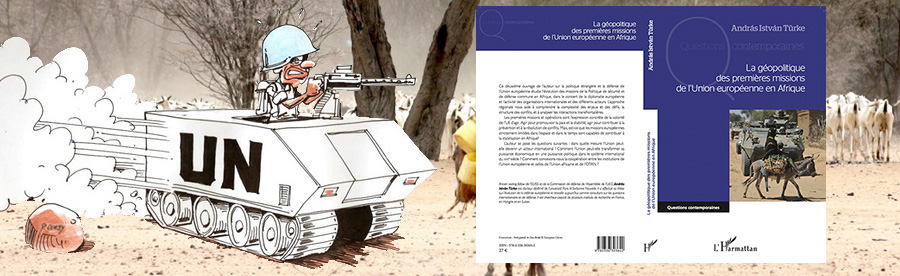

We are looking for sponsors for the English translation of these books, please contact turkeandras(at)gmail(dot)com