
You are here
Swiss News
Chemical weapons: Council renews framework for restrictive measures and individual listings
The Council has prolonged the application of the framework for restrictive measures against the proliferation and use of chemical weapons for five years, until 30 October 2031, and the validity of individual listings within that framework, for one year until 30 October 2027.
Categories: Europäische Union, Swiss News
Programme for agile and rapid defence innovation: Council gives final green light
The Council formally adopted the regulation establishing the programme for agile and rapid defence innovation (AGILE), a new €115 million programme designed to support small and medium-sized enterprises developing emerging and disruptive defence products.
Categories: Europäische Union, Swiss News
Press briefing - European Council meeting of 15-16 October 2026
The press briefing will take place on Tuesday, 13 October 2026 at 14.30.
Categories: Európai Unió : hírek magyarul, Swiss News
Chemical weapons: Council renews framework for restrictive measures and individual listings
The Council has prolonged the application of the framework for restrictive measures against the proliferation and use of chemical weapons for five years, until 30 October 2031, and the validity of individual listings within that framework, for one year until 30 October 2027.
Categories: Európai Unió : hírek magyarul, Swiss News
Programme for agile and rapid defence innovation: Council gives final green light
The Council formally adopted the regulation establishing the programme for agile and rapid defence innovation (AGILE), a new €115 million programme designed to support small and medium-sized enterprises developing emerging and disruptive defence products.
Categories: Európai Unió : hírek magyarul, Swiss News
AADL 3 : quelles wilayas recevront les premiers logements le 1er novembre ?
La distribution des premiers logements AADL 3 approche à grands pas. Prévue le 1er novembre 2026, cette opération marquera une nouvelle étape pour les souscripteurs, […]
L’article AADL 3 : quelles wilayas recevront les premiers logements le 1er novembre ? est apparu en premier sur .
Categories: Afrique, Swiss News
Davos muss aufpassen – Tessiner setzen Ausrufezeichen
Der SCB hat sein Goalie-Problem gleich doppelt behoben. Servette gewinnt auch ohne seine Super-Finnen. Und die erste Niederlage von Rekord-Starter ZSC ist nur eine Frage der Zeit.
Categories: European Union, Swiss News
Fix! Ski-Schweiz bekommt weiteres Weltcuprennen
Die Ski-Schweiz wird schon bald ein weiteres Weltcuprennen erhalten. Zermatt fungiert im provisorischen Kalender der FIS – die Walliser investieren für die Rückkehr auf die grosse Bühne Millionen.
Categories: European Union, Swiss News
Zwei US-Ökonomen teilen sich Wirtschaftsnobelpreis
Die Meldung kommt aus der schwedischen Hauptstadt Stockholm: Die letzten Nobelpreisträger des Jahres sind bekannt. Die Gewinner des diesjährigen Nobelpreises für Wirtschaftswissenschaften heissen Robert E. Hall und Michael Woodford.
Categories: Europäische Union, Swiss News
Fluggast verweigert Platzwechsel und muss gehen
Weil der angebotene Ersatzsitz kleiner und weniger bequem ist, bleibt Santiago Daza stur auf seinem Platz sitzen. Der Streit mit dem Kabinenpersonal eskaliert dermassen, dass der Passagier noch vor dem Start von Bord muss.
Categories: Europäische Union, Swiss News
"J'ai 23 ans et je perds mes cheveux", Sharon Chepkoech, victime d'alopécie féminine
On estime que le problème de la chute des cheveux touche 160 millions de personnes dans le monde.
Categories: Afrique, Swiss News
Jean-Michel Abimbola reçoit les félicitations des Élu.e.s Français.e.s d'Origine Béninoise
L'Association des Élu.e.s Français.e.s d'Origine Béninoise (EFOB) félicite Babalola Jean-Michel Hervé Abimbola pour sa nomination au poste d'ambassadeur du Bénin en France. Elle a également réaffirmé sa volonté de renforcer la coopération entre les collectivités françaises et béninoises et de poursuivre ses projets en faveur du développement local, de l'accès à l'eau potable dans les écoles, de la formation professionnelle et de l'accompagnement des jeunes en situation de vulnérabilité.
Categories: Afrique, Swiss News
1,7 tonne de chanvre indien saisie, 5 personnes interpellées
La Police républicaine a saisi 1 714,56 kg de chanvre indien et interpellé cinq personnes lors d'une opération menée, dimanche 11 octobre 2026, dans le village de Djabata Kango, arrondissement de Bessé, commune de Savè.
L'opération a été conduite par la Police républicaine, à la suite de renseignements faisant état de la culture de chanvre indien dans l'arrondissement de Bessé. Après plusieurs semaines de surveillance, les policiers sont intervenus sur les lieux dimanche vers 6 heures et ont surpris cinq individus en pleine récolte.
La marchandise saisie était conditionnée dans 60 sacs de jute. Les forces de sécurité ont également récupéré une motocyclette de marque Bajaj, deux fusils de chasse et un autre de calibre 12.
Les plantations s'étendent sur plusieurs parcelles couvrant plus de trois hectares. Selon les informations, un hectare de culture reste à détruire.
Les cinq personnes interpellées ont été mises à la disposition de l'Office central de répression du trafic illicite des drogues et des précurseurs (OCERTID) pour la suite de la procédure. Les propriétaires présumés des parcelles, absents lors de l'intervention, sont activement recherchés.
Categories: Afrique, Swiss News
Kantonspolizei Aargau warnt vor fiesem Diebstahltrick
Trickdiebe bestahlen am Sonntag in Sins und Baden Senioren. Auf der Fahndung konnte die Kantonspolizei zwei Verdächtige festnehmen. Die Kantonspolizei warnt vor dieser alten Masche, die wieder vermehrt aktuell ist.
Categories: Europäische Union, Swiss News
Wurde der FCB gegen Vaduz benachteiligt?
Der FC Basel verliert in Vaduz 0:3. Besonders bitter: Beim zweiten Gegentor steht Becir Omeragic nach einer Behandlung nur an der Seitenlinie. Blick-Schiedsrichter-Experte Urs Meier klärt auf, warum hier die neue 1-Minuten-Regel nicht angewendet wurde.
Categories: Europäische Union, Swiss News
Corps retrouvé dans un congélateur en France : un homme d’origine algérienne devant les assises
Accusé d’avoir abattu sa compagne en juillet 2023 avant de dissimuler son corps dans un congélateur à Grigny (Essonne), Yacine A., d’origine algérienne, soutient aujourd’hui […]
L’article Corps retrouvé dans un congélateur en France : un homme d’origine algérienne devant les assises est apparu en premier sur .
Categories: Afrique, Swiss News
Betrunkener Autofahrer kollidiert mit Personenwagen – ein Schwerverletzter
Bei einer Frontalkollision in Triesen wurde eine Person schwer verletzt. Ein betrunkener Autofahrer war auf der Bergstrasse in einer Rechtskurve in die Gegenfahrbahn geraten und mit einem anderen Auto kollidiert.
Categories: Europäische Union, Swiss News
Bundesgericht kippt Kontaktverbot für Mutter
Einer Mutter wurde aufgrund eines mutmasslichen Kindesentzugs jeglicher Kontakt zu ihrem fünfjährigen Sohn entzogen. Sie zieht vor das Bundesgericht. Dort heben die Richter das Kontaktverbot auf.
Categories: Európai Unió : hírek magyarul, Swiss News
Mit 100 km/h durch 30er-Zone – bosnischer Raser erwischt
Auf der Haldenstrasse in Emmenbrücke ist am vergangenen Sonntag ein Auto mit netto 100 km/h anstelle der dort erlaubten 30 km/h gemessen worden. Die Luzerner Polizei konnte den verantwortlichen Autofahrer ermitteln. Der Führerausweis wurde ihm abgenommen.
Categories: Európai Unió : hírek magyarul, Swiss News
Junglenkerin (18) crasht BMW in Strassenlaterne in Sonnental SG
Am frühen Montagmorgen ist eine 18-jährige Junglenkerin mit ihrem Auto von der Strasse abgekommen und gegen eine Strassenlaterne geprallt. Sie blieb unverletzt. Am BMW sowie an der Strasseninfrastruktur entstand Sachschaden von rund 18'000 Franken.
Categories: Europäische Union, Swiss News
Pages
the old site is here


© 2012-2015 Europa Varietas Foundation © 2015-2020 Europa Varietas Association
www.europavarietas.org | info(@)europavarietas(dot)org | Switzerland
This is a GDPR ready site


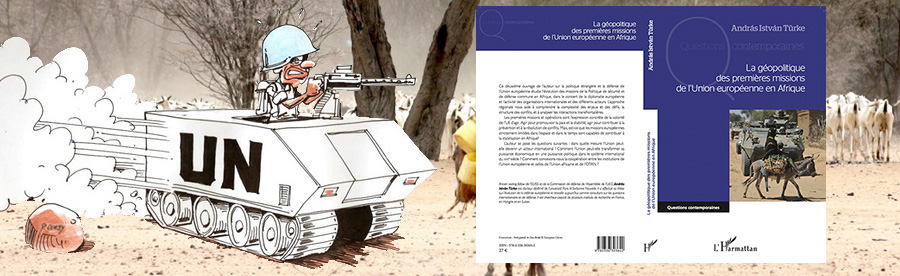
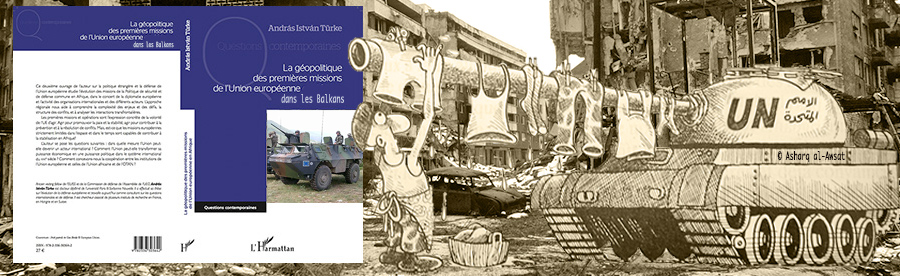
We are looking for sponsors for the English translation of these books, please contact turkeandras(at)gmail(dot)com