
You are here
Határon túli magyar portálok összesített hírei
Das B-Team muss es richten: Schweizer Frauen kämpfen um Anschluss an Tennis-Weltspitze
Vier der aktuell fünf bestklassierten Schweizerinnen fehlen beim schwierigen Unterfangen, die Playoffs im Billie Jean King Cup zu überstehen. Die Bündnerin Simona Waltert schlüpft plötzlich in die Leaderrolle.
Categories: Határon túli magyar portálok összesített hírei, Swiss News
Spa und Wellness: Die schönsten Wellness-Oasen für eine entspannte Auszeit im Winter
Wellnessen lässt sich ebenso wenig aus dem Winter wegdenken wie der sanft herab rieselnde Schnee. Wir verraten, wo in Europa es die schönsten Spa-Oasen für eine Auszeit gibt.
Categories: Határon túli magyar portálok összesített hírei, Swiss News
Nach Sexpuppen-Skandal: Shein verschiebt Ladenöffnungen in Frankreich
Nach einem Skandal wegen pädopornographischer Sexpuppen von Shein ist die Eröffnung weiterer Läden in Frankreich auf unbestimmte Zeit verschoben worden. Zuvor gab es Proteste.
Categories: Határon túli magyar portálok összesített hírei, Swiss News
Studie belegt Ungleichheit: «Mütter verlieren bei Scheidungen deutlich mehr»
Eine neue Studie der Berner Fachhochschule widerlegt den Mythos, dass Frauen bei Scheidungen finanziell profitieren. Tatsächlich verlieren Mütter an Einkommen, während Väter weniger einbüssen. Die Gründe für diese Kluft werden im Podcast «Durchblick» erörtert.
Categories: Határon túli magyar portálok összesített hírei, Swiss News
L'Ambassade de France dévoile les 20 lauréats de ''Inspiration Bénin''
L'ambassade de France au Bénin annonce la deuxième édition du programme ‘'Inspiration Bénin - au Cœur des Mondes Africains''. Un programme « qui accompagne l'intérêt croissant pour le Bénin manifesté par les créateurs du monde entier ».
La nouvelle édition du programme Inspiration Bénin - au Cœur des Mondes Africains., conçu en lien avec MansA - Maison des Mondes Africains, et mise en œuvre par l'Institut français du Bénin, se déroulera du 15 novembre 2025 au 30 avril 2026.
La promotion 2025-2026 réunit 20 artistes venant d'Afrique, d'Europe, des Amériques ou de l'Océan indien (Bénin, Allemagne, Cameroun, Congo, Côte d'Ivoire, France métropolitaine et ultramarine, Haïti, Royaume-Uni, Sri Lanka, Togo, Tunisie).
Avec des profils variés (Arts visuels, nouvelles écritures scéniques, performance, installation, photographie, céramique, archives vivantes), les lauréats aborderont des thématiques fortes. Leurs projets sont axés sur des thématiques telles que « mémoire, écologie, spiritualité, transmission, diasporas, ou encore dialogue entre les corps et les territoires ».
Un programme ancré dans le Bénin, croisant les disciplines et les identités
« Inspiration Bénin - au Cœur des Mondes Africains soutient des artistes français ou francophones du monde entier et des acteurs culturels béninois en favorisant les échanges de compétences et de perspectives. Les projets sélectionnés produisent une réflexion ou trouvent une source d'inspiration liée au Bénin - qu'il s'agisse de son histoire, de son actualité, de ses savoir-faire, de son patrimoine matériel et immatériel, de ses spiritualités ou de ses scènes créatives contemporaines » .
Pensé sur un modèle de résidence « hors-les-murs », chaque lauréat s'est associé à un partenaire local, qu'il soit une institution, un référent culturel, le dépositaire de savoirs cultuels ou artisanaux, voire un artiste. Un ensemble de restitutions de nature et de formats variés jalonneront l'ensemble de la résidence de décembre 2025 à avril 2026.
M. M.
Liste des Lauréats Inspiration Bénin 2025-2026
ARTS VISUELS
Yémandja ABATUCI
Française basée en France
Titre du projet : Au rythme des vagues — Écouter les gestes du monde
Partenaire : Association TOFODJI
Artiste sonore et documentariste, Yémendja ABATUCI explore les mémoires et les rituels à travers des créations immersives reliant oralité, territoire et transmission. Originaire de Martinique, elle compose des paysages sonores qui tissent liens entre corps, gestes et récits, au croisement de l'art et de la recherche sensible.
Barbara ASEI DANTONI
Italienne basée en France
Titre du projet : Les Objets-rêves — Mémoire, fétiches et renaissance
Partenaires : Kulturforum Süd Nord, Cotonou-Togbin
Artiste plasticienne franco-camerounaise-italienne, Barbara ASEI DANTONI explore les liens entre identité, héritage et mémoire à travers le textile, la céramique et le perlage. Son travail, exposé entre la France et le Cameroun, tisse des récits poétiques entre patrimoine africain, féminité et création contemporaine.
Élise BILLIARD PISANI
Française basée en France
Titre de projet : Réactiver la mémoire — Archives vivantes du Bénin
Partenaire : École du Patrimoine Africain (EPA, PortoNovo)
Artiste et anthropologue française, Élise BILLIARD PISANI explore la mémoire et les archives visuelles à travers la photographie, la recherche ethnographique et la curation. Directrice de la résidence BRAŻŻA et commissaire d'expositions entre la France, Malte et le Congo, elle crée des dispositifs participatifs autour du patrimoine et des récits collectifs. Shneider
Léon HILAIRE
Haïtien basé en Haïti
Titre du projet : La traversée des nuits partagées — Peindre la mémoire des ombres
Partenaire : Nobel KOTY, peintre, Cotonou
Artiste visuel haïtien, HILAIRE Shneider Léon développe une œuvre empreinte de réalisme merveilleux, mêlant mythes vodou, récits populaires et mémoire spirituelle d'Haïti. Son travail, exposé à Paris, Miami et New York, explore la frontière entre visible et invisible dans une peinture vibrante et symbolique.
Kassir KOSSOKO
Béninois basé en France
Titre du projet : Rivière noire : nouvel âge végétal — Tisser le monde à partir du vivant
Partenaire : Mamadou Jamilou ICHAOU, enseignant, Porto-Novo
Architecte et designer béninois basé en France, Kassir KOSSOKO développe une pratique située entre design, architecture et installation, nourrie par le dialogue entre espace, matière et communauté.
Cofondateur de l'atelier CIR et membre du collectif Aman Iwan, il interroge les savoir-faire vernaculaires et les formes sensibles de l'habiter contemporain.
Marion MOUNIC
Française basée en France
Titre du projet : Offrandes à la marmite — Mémoire, femmes et matières sacrées
Partenaire : Marion HAMARD, curatrice, Cotonou
Artiste visuelle française, Marion MOUNIC développe une pratique mêlant céramique, performance et installation autour des gestes, du sacré et des transmissions féminines. Lauréate du prix Mezzanine Sud et présentée au MACAM Lisbonne, elle explore les liens entre corps, rituel et mémoire collective.
NUITS BALNEAIRES
Ivoirien basé à Grand-Bassam (Côte d'Ivoire)
Titre du projet : L'Amour est ce qui reste quand on aura tout oublié — Archives du cœur
Partenaire : Galerie ZATO by Interluxe, Cotonou
Artiste visuel, photographe et cinéaste ivoirien, NUITS BALNEAIRES explore la mémoire spirituelle et les énergies du littoral ouest-africain à travers la photographie, le film et la poésie. Son œuvre, empreinte de mysticisme et de contemplation, relie vie, mort et ancestralité dans une esthétique mêlant traditions, mythes et modernité.
Michella PERERA
Irlandaise d'origine sri lankaise, basée en France
Titre du projet : Déesses de l'eau — Dialogues du féminin sacré
Partenaire : Fortuné AGOSSA, responsable des collections du Musée de la Récade, Cotonou-Lobozounkpa Artiste et chercheuse irlandaise née au Sri Lanka et basée à Marseille, PERERA Michella explore les spiritualités et les circulations culturelles entre l'Asie du Sud et l'Afrique à travers la peinture, la performance et l'installation. Son travail, nourri d'une approche féministe et comparative, interroge les figures du sacré et les dialogues entre traditions visuelles afro-asiatiques contemporaines.
Chloé QUENUM
Franco-Béninoise basée en France
Titre du projet : ICI — Dialogues de terre et de mémoire
Partenaire : Fondation ZINSOU, Ouidah
Artiste visuelle française, Chloé QUENUM explore les dialogues entre art contemporain, mémoire et culture matérielle à travers l'installation et la sculpture.
Son œuvre, exposée au Centre Pompidou, à la Fondation Ricard et à la Biennale de Venise 2024 (Pavillon du Bénin), tisse des liens entre héritages, gestes et transmission.
Charlotte YONGA
Franco-Camerounaise basée en France
Titre du projet : Habiller Dieu — Costumes de l'âme et métamorphoses du vivant
Partenaire : Festival Art et Bien Être Mental, Cotonou
Photographe et artiste visuelle franco-camerounaise, Charlotte YONGA explore les notions d'identité, de soin et de mémoire à travers la photographie, la performance et la narration intime. Son travail, exposé au Palais de Tokyo, à la Fondation H et à Landskrona Foto, interroge les corps, les territoires et les espaces de réparation.
Nouvelle Écritures Scéniques
Marwen BEN CHEIKH
Tunisien basé en Tunisie
Titre du projet : Matières Premières — Archéologie du vivant
Partenaire : Cybelline de SOUZA, danseuse et metteuse en scène, Cotonou
Artiste sonore, compositeur et cinéaste tunisien, Marwen BEN CHEIKH développe une pratique expérimentale mêlant film, performance et création musicale pour interroger la mémoire et les territoires sensibles.
Son travail, présenté entre Tunis, Berlin et Bamako, relie art, son et image dans une recherche poétique sur les corps, les matières et les récits du vivant.
Adiaratou DIARRASSOUBA
Franco-ivoirienne basée en France
Titre du Projet : Les langues de l'amour — Dire l'intime en deux voix
Partenaire : Sènami DONOUMASSOU, plasticienne, Cotonou
Artiste et autrice franco-ivoirienne, Adiaratou DIARRASSOURA explore les récits diasporiques et les transmissions orales à travers le son, la performance et l'écriture. Co-fondatrice de L'Afro et du Fraîches Women Festival, elle interroge la mémoire, l'amour et les identités afro-descendantes contemporaines.
Marion FORANO
Franco-Allemande basée en Allemagne
Titre du projet : Parakou Swing — Quand les rythmes se rencontrent
Partenaire : Wassangary Academy, Parakou
Danseuse, chorégraphe et enseignante française basée en Allemagne, Marion FORANO conjugue sciences du mouvement et expression artistique à travers les danses swing.
Lauréate de compétitions internationales, elle explore les racines africaines du jazz et développe une pédagogie inclusive fondée sur la conscience corporelle et l'improvisation.
Marie HOUDIN
Française basée en France
Titre du projet : Aux rythmes des traversées — Danser les mémoires atlantiques
Partenaire : Florence GNARIGO, danseuse, Cotonou/Natitingou
Chorégraphe, danseuse et chercheuse française, Marie HOUDIN explore les filiations du hip-hop et du funk avec les danses afro-descendantes entre l'Afrique, les Amériques et l'Europe.
Fondatrice de la compagnie Engrenage(s), elle relie création, transmission et recherche dans une approche vivante du patrimoine chorégraphique afro-atlantique.
KONGI MBUNGA Milka & Gwénaëlle TATOUE
Titre du projet : Temps diasporiques — Corps, voix et renaissances : entre le Congo et le Bénin Partenaire : Abdou Rahim MABOUDOU
Periode de residence : 23 Mars – 30 Avril 2026
Milka KONGI MBUNGA
Congolaise basée en Belgique
Artiste et performeuse visuelle congolaise, Milka KONGI MBUNGA utilise le corps comme espace de mémoire et de résistance face aux violences raciales et de genre.
Son œuvre, entre performance, film et recherche, célèbre les figures féminines africaines et les luttes de libération à travers une esthétique spirituelle et politique.
Gwenaëlle TATOUE
Franco-Congolaise de Guadeloupe basée en France
Slam-poétesse, écrivaine et créatrice sonore française, Gwenaëlle TATOUE tisse des récits poétiques et engagés mêlant oralité, musique et mémoire diasporique.
Son travail, nourri de féminismes et de spiritualités décoloniales, relie écriture, performance et voix comme outils de résistance et de guérison.
Ayélé LABITEY
Franco-Togolaise basée en France
Titre du projet : Le Souffle De Lomé , Les Battements De Kingston , L'échos De Paris
Partenaire : ARTAG (Sam de Bord), Cotonou
Chanteuse, autrice et compositrice francotogolaise, Ayélé LABITEY mêle soul jamaïcaine, ska et rocksteady dans un univers vibrant où se croisent rythmes afro-caribéens et sonorités folks.
Ancienne choriste d'Amadou & Mariam, elle poursuit une carrière solo remarquée, entre scène internationale et exploration des racines musicales africaines.
Andrise PIERRE
Haïtienne basée en France
Titre du projet : Marasa
Partenaire :Nathalie HOUNVO YEKPE
Autrice, dramaturge et chercheuse haïtienne, Andrise PIERRE explore la mémoire, la dictature et l'identité à travers une écriture féministe et décoloniale. Lauréate du prix SACD de la dramaturgie francophone, elle développe une œuvre théâtrale et littéraire engagée entre Haïti, la Caraïbe et la France.
Corinne RICUORT
Française basée en Belgique
Titre du projet : L'Évangile du Tas — Sanctuaire des voix enfouies
Partenaire : Chakirou SALAMI (conteur et danseuse, Kétou/Cotonou)
Artiste sonore et autrice française basée à Bruxelles, Corinne RICUORT explore la mémoire collective et les récits du quotidien à travers la création radiophonique, le montage et la voix.
Membre de l'Atelier de Création Sonore Radiophonique (ACSR), elle conçoit des œuvres poétiques et documentaires mêlant écoute, transmission et engagement social.
Melissandre VARIN
Française basée au Royaume-Uni
Titre du projet : pour ce(ux) qui reste(nt) — Danser avec le fleuve
Partenaire : DJ DJABI (Kéfil SAKA)
Artiste et performeuse franco-caribéenne basée au Royaume Uni, Melissandre VARIN explore les questions de soin, de décolonisation et d'écologie relationnelle à travers la performance, le texte et le rituel collectif. Lauréate du Henry Moore Artist Award, elle développe des œuvres ancrées dans la spiritualité queer et les pratiques collaboratives transnationales.
Rémy YADAN
Français basé en France
Titre du projet : Topologie du silence — Corps, mémoire et invisibles
Partenaire : Centre chorégraphique Multicorps, Cotonou
Artiste plasticien, vidéaste et metteur en scène français, Rémy YADAN développe une œuvre à la croisée de la performance, de la vidéo et de la chorégraphie, où sacré, mémoire et corps s'entrelacent.
Ancien pensionnaire de la Villa Médicis, son travail, présenté au MAC VAL, au Louvre-Lens ou à la Villa Médicis, interroge les zones d'ombre du spirituel et du politique.
Categories: Afrique, Határon túli magyar portálok összesített hírei
Distribution itinérante de diplômes aux bacheliers de 2022
L'Office du Baccalauréat organise, du 24 au 29 novembre 2025, une campagne de distribution spéciale itinérante de diplômes au profit des bacheliers de la session de juin 2022.
Les diplômes des bacheliers de la session de juin 2022 sont disponibles, a informé le Directeur général de l'Office du Baccalauréat dans un communiqué publié le 13 novembre.
« A cet effet, une campagne spéciale de distribution spéciale itinérante sera organisée du lundi 24 novembre au vendredi 29 novembre 2025. Les équipes de l'Office se déploieront dans les universités publiques et certains établissements d'enseignement supérieur des communes suivantes : Cotonou, Abomey-Calavi, Porto-Novo, Parakou, Djougou, Kétou, Abomey, Lokossa, Natitingou et Dassa-Zoumé », a précisé le DOB.
Alphonse da Silva invite les bacheliers à effectuer les formalités de demande du diplôme sur la plateforme www.service.bac.bj
Le DOB rappelle également aux « bacheliers des autres années jusqu'en 2024 qu'ils peuvent faire une demande de diplôme ou d'autres actes depuis leur lieu de résidence ». Les documents demandés, peuvent être envoyés par voie postale, que ce soit à l'intérieur ou à l'extérieur du Bénin.
M. M.
LIRE LE COMMUNIQUE DU DOB
Categories: Afrique, Határon túli magyar portálok összesített hírei
La Décision qui valide les candidatures des duos Wadagni-Hounkpè
Par Décision EP25- 012 du 13 novembre 2025, la Cour constitutionnelle a validé les dossiers de candidature des duos Romuald Wadagni-Mariam Chabi Talata de la majorité présidentielle, et Paul Hounkpè-Judicaël R. Hounwanou de l'opposition, pour l'élection présidentielle d'avril 2026. Voici la Décision de la Cour.
Categories: Afrique, Határon túli magyar portálok összesített hírei
Un vendeur d' ‘'œuf d'arc-en-ciel'' arrêté
Les agents de police de l'arrondissement d'Ahouannonzou, commune d'Allada, ont interpellé mercredi 12 novembre 2025, un homme voulant vendre un ‘'œuf d'arc-en-ciel''.
La scène aurait pu sortir d'un conte fantastique. Mais elle s'est déroulée mercredi 12 novembre 2025 dans le village d'Adjago, commune d'Allada où la police de l'arrondissement d'Ahouannonzou a interpellé un homme venu vendre un ‘'œuf d'arc-en-ciel''.
La cible ? Un producteur prospère de vin de palme, connu dans Lon-Agonmey pour son hospitalité légendaire. Quelques jours plus tôt, l'un des escrocs avait appelé le producteur pour louer sa bonté avant de lui proposer d'acheter un mystérieux œuf reçu en héritage et déjà convoité. L‘'œuf d'arc-en-ciel'' coûterait 15 millions de francs CFA.
Mais la victime n'était pas née de la dernière pluie. Méfiant, il n'a pas cru à l'œuf magique ni à son prétendu vendeur. Il a préféré alerter la police.
L'escroc est tombé dans son propre piège. Interpellé, il a reconnu les faits et admis avoir récemment rejoint une bande d'escrocs d'Adjago.
Les escrocs ne manquent jamais d'imagination. Après les « rats géants blancs » et les « bouteilles à deux goulots », voici donc l' ''œuf d'arc-en-ciel''.
M. M.
Categories: Afrique, Határon túli magyar portálok összesített hírei
Nach Crash mit «Shenzhou 20»: China holt gestrandete Raumfahrer aus dem All zurück
Nach Tagen der Ungewissheit im All sollen die drei gestrandeten Astronauten aus China heute auf die Erde zurückkehren.
Categories: Határon túli magyar portálok összesített hírei, Swiss News
Ski-News im Ticker: Tochter von Ski-Legende gibt ihr Weltcup-Debüt
Du bist ein Ski-Fan? Dann ist dieser Ticker der genau richtige Ort für dich. Hier findest du News und Storys rund um den Ski-Weltcup – auf und abseits der Piste.
Categories: Határon túli magyar portálok összesített hírei, Swiss News
85 Prozent Erhöhung: Swiss Re steigert Gewinn nach neun Monaten deutlich
Swiss Re hat seinen Gewinn in den ersten neun Monaten 2025 um 85 Prozent auf 4,03 Milliarden Dollar gesteigert. Trotz sinkendem Versicherungsumsatz sieht sich der Rückversicherer auf gutem Weg, sein Jahresziel von mindestens 4,4 Milliarden Dollar zu erreichen.
Categories: Határon túli magyar portálok összesített hírei, Swiss News
Plan erfordert Mini-Zwischensaison: MLS gleicht Spielplan an Europas Topligen an
Die nordamerikanische Fussball-Profiliga MLS ändert ihren Spielkalender und passt sich künftig den weltweit führenden Topligen an.
Categories: Határon túli magyar portálok összesített hírei, Swiss News
Schnapszahl für König Charles III.: 77 Fakten zum 77. Geburtstag des britischen Monarchen
Seit Charles vor drei Jahren auf dem Herrschersitz Platz nahm, macht er eine beeindruckende Transformation durch. Er räumt auf, wirft sogar seinen missratenen Bruder raus. Der Briten-König ist auch im Alter noch für so manche Überraschung gut.
Categories: Határon túli magyar portálok összesített hírei, Swiss News
Volvo EX90 im Blick-Test: Schwedisches Familienschiff mit limitierter Reichweite
Der Volvo EX90 überzeugt als luxuriöser E-SUV mit bis zu 680 PS und Platz für sieben Personen. Im Test begeistert er mit Komfort und Ausstattung, offenbart aber Schwächen bei Langstreckenfahrten und Ladegeschwindigkeit.
Categories: Határon túli magyar portálok összesített hírei, Swiss News
Souveräner Startsieg: Vergé-Dépré-Schwestern mit erfolgreichem WM-Auftakt
Die grössten Schweizer Medaillenhoffnungen, Anouk und Zoé Vergé-Dépré, sind erfolgreich in die Beachvolleyball-WM in Australien gestartet.
Categories: Határon túli magyar portálok összesített hírei, Swiss News
Kalifornier sind nicht zu stoppen: Fiala trifft bei Kings-Sieg schon wieder
Es bleibt dabei: Trifft Kevin Fiala, dann gewinnen die Los Angeles Kings meistens auch. So auch in der Nacht auf Freitag.
Categories: Határon túli magyar portálok összesített hírei, Swiss News
Latin America: a Test Case for Aligning Climate Action, Food Security and Social Sustainability
Credit: UNICEF/Gema Espinoza Delgado
By Caroline Delgado
STOCKHOLM, Sweden, Nov 14 2025 (IPS)
The urgency of linking climate action with social and wider environmental priorities is clear. Climate change, environmental degradation and violent conflict are often deeply connected and even mutually reinforcing. At the same time, climate action can either support or undermine efforts to improve social justice and halt environmental degradation.
These connections are nowhere more visible than in global food systems, where environmental pressures, social inequality and economic shocks converge. And Latin America, where COP30 is taking place, could be central to the solution.
Climate change, violent conflict and economic crises are major drivers of food insecurity, while food production itself contributes to more than one-third of global emissions and accelerates biodiversity loss through land use change.
Despite steady growth in agricultural production over the past two decades, hunger persists: in 2024, around 8 per cent of the world’s population faced hunger, many of them small-scale farmers in crisis-affected regions.
Latin America’s paradox: ecological abundance amid social and environmental fragility
Latin America embodies the contradictions at the core of the global climate and development agenda: vast ecological resources and food production capacity coexist with significant inequality, environmental degradation, and social unrest.
Its ecosystems regulate carbon and water cycles essential to planetary stability and the region is the world’s largest provider of ecosystem services. Latin America also holds the greatest per capita availability of agricultural land and water, making it both the world’s largest net food exporter and a carbon sink.
Yet these assets face mounting pressure from deforestation, land-use change, and extractive industries. The degradation of forests, soils, and watersheds not only accelerates emissions and biodiversity loss but also deepens local grievances over land, livelihoods, and access to resources. This, in turn, heightens the risk of social tension and violence in a region marked by extreme inequality, widespread violence, and the world’s highest number of environmental conflicts.
Unequal land distribution and the expansion of extractive and agricultural frontiers perpetuate a cycle of degradation and displacement. Environmental decline erodes resilience to droughts, floods, and other climate impacts, undermines food security and increases competition over dwindling resources.
Climate change exacerbates these challenges: extreme weather events reduce crop yields and fuel migration, while the destruction of ecosystems diminishes the capacity of nature to buffer against future shocks.
Many of the region’s environmental conflicts stem from disputes over territory, water, and the impacts of large-scale projects that privilege short-term, growth over sustainable livelihoods. Criminal networks and weak governance exacerbate instability through illegal mining, logging, and land grabs, whereas violence against environmental defenders deepens distrust in state institutions.
Agriculture and governance at the crossroads
The agricultural sector lies at the centre of this nexus. It is a cornerstone of Latin America’s economy and a major source of global food supply. Agricultural exports grew 1.7 times between 2010 and 2023, generating a trade surplus of US$161 billion. Production and trade are projected to expand further by 2031.
Yet, if expansion continues to rely in deforestation and exclusion, it risks deepening insecurity, fuelling new conflict and ecological collapse. Without inclusive governance and environmental safeguards, economic growth will remain fragile and unsustainable.
Breaking these cycles requires an integrated approach that links governance, environmental justice, and sustainable land use. Strengthening land governance, protecting environmental defenders and supporting small-scale and Indigenous producers are essential to building resilience.
Secure land rights and respect for collective territories reinforce local autonomy and reduce pressures for extractive expansion. Protecting defenders safeguards those facing repression and violence in resource conflicts, while inclusive, locally rooted development pathways sustain livelihoods and reflect diverse worldviews for many rural populations, to which land is not only a resource but also a cultural identity.
Promising developments
The Escazú agreement provides a framework for embedding these principles in practice. Entering into force in 2021 and ratified so far by 18 Latin American countries, it is the region’s first legally binding treaty on environmental governance. Its three pillars – access to information, public participation, and justice for environmental defenders- make it not only an environmental agreement but also a democratic one.
By strengthening transparency and participation, Escazú promotes accountability and peaceful resource governance, helping to prevent the very conflicts that undermine climate resilience.
However, its transformative potential remains uneven. The majority of the region’s countries have yet to ratify it, whereas implementation in those that have is hampered by limited technical capacity, weak crisis response mechanisms, and, in some cases, a lack of political will. These obstacles, compounded by democratic backsliding in parts of the region and the declining global prioritisation of environmental issues, threatens to blunt its impact.
Yet, fully realising the promise of Escazú could provide the region with a solid foundation for more equitable resilient, and sustainable, food systems built rooted in transparency, inclusion, and accountability.
As COP 30 unfolds, Latin America’s experience offers a critical lesson to the world: climate action cannot succeed without social justice, transparency, and peace. The region’s experience shows that safeguarding ecosystems and empowering those who defend them are inseparable from ensuring food security and global stability.
Building resilient food systems and sustainable economies depends on empowering those who defend the land and ensuring that environmental governance benefits both people and the planet.
Dr Caroline Delgado is Director of the Food, Peace and Security Programme at Stockholm International Peace Research Institute (SIPRI)
IPS UN Bureau
Follow @IPSNewsUNBureau
!function(d,s,id){var js,fjs=d.getElementsByTagName(s)[0],p=/^http:/.test(d.location)?'http':'https';if(!d.getElementById(id)){js=d.createElement(s);js.id=id;js.src=p+'://platform.twitter.com/widgets.js';fjs.parentNode.insertBefore(js,fjs);}}(document, 'script', 'twitter-wjs');
Categories: Africa, Határon túli magyar portálok összesített hírei
The AI Revolution – A Way Forward
By Deodat Maharaj
GEBZE, Türkiye, Nov 14 2025 (IPS)
Artificial intelligence (AI) is rapidly changing our world. It has helped a few companies in developed countries set record-breaking profits. Last month, Nvidia, a leading US AI company, hit a market value of USD 5 trillion.
Nvidia, together with the other six technology companies known as the Magnificent Seven, reached a market capitalisation of USD22 trillion. This value easily eclipses the combined GDP of the world’s 44 Least Developed Countries (LDCs), Small Island Developing States and Landlocked Developing Countries.
These businesses continue to make massive investments in this transformational technology. Not only are investments being made in AI for the future, but benefits are also already being reaped as it accelerates global commerce and rapidly transforms markets.
According to the World Economic Forum, AI is streamlining supply chains, optimising production, and enabling data-driven trade decisions, giving companies a big competitive edge in global markets.
Thus far, the beneficiaries have been those living in the developed world, and a few developing countries with high technological capacities, like India.
By and large, developing countries have lagged far behind this technological revolution. The world’s 44 LDCs and the Small Island Developing States are those that have been almost completely left out.
According to UNCTAD, LDCs risk being excluded from the economic benefits or the AI revolution. Many LDCs and Small Island Developing States struggle with limited access to digital tools, relying on traditional methods for trade documentation, market analysis, and logistics. This is happening as others race ahead.
This widening gap threatens to marginalize these countries in international trade and underscores the urgency of ensuring they can participate fully in the AI-driven global economy.
AI holds transformative potential for developing countries across sectors critical to economic growth and trade. The World Bank has noted that in agriculture, AI-driven tools can improve crop yields, forecast market demand, and enhance supply chain efficiency. It can also strengthen food security and export earnings. In trade and logistics, AI can optimize operations, reduce transaction costs, and help local producers access new markets.
Beyond commercial applications, AI can bolster disaster preparedness, enabling governments and businesses to allocate resources efficiently and minimize losses. The use of AI can be a game changer in responding to massive natural disasters such as the one caused by Hurricane Melissa in Jamaica a few days ago.
Despite these opportunities, the poorest and most vulnerable countries face significant hurdles in accessing and benefiting from AI. The International Telecommunications Union has noted that many countries lack reliable electricity, broadband connectivity, and computing resources, impeding the deployment of AI technologies. This is compounded by human capacity constraints and limited fiscal space to make the requisite investments.
Given this, what is the best way forward for the world’s poorest and most vulnerable countries? Firstly, policy and governance frameworks for leveraging AI for development transformation are urgently, and we can learn from others.
For example, Rwanda, a leader in the field of using technology to drive transformation has developed a National Artificial Intelligence Policy. Another example is Trinidad and Tobago, which recently established a Ministry of Public Administration and Artificial Intelligence.
Secondly, capacity building, especially for policy leaders, is key. This must be augmented by making the requisite investments in universities and centers of excellence. Given the importance of low-cost and high-impact solutions, building partnerships with institutions in the global south is absolutely vital.
Finally, financing remains key. However, given the downward trends in overseas development assistance, accessing finance, especially grant and concessional resources from other sources will be important. Consequently, international financial institutions, especially the regional development banks, have a critical role to play.
Since the countries themselves are shareholders, every effort should be made to establish special purpose windows of grants and concessional financing to help accelerate adoption of relevant, low-cost, relevant and high-impact AI technological solutions.
In an adverse financing environment, achieving the above will be difficult. This is where Tech Diplomacy comes in and must be a central element of a country’s approach to foreign policy. This will be the subject of another piece.
In summary, AI is shaping and changing the world now. For the poorest and most vulnerable countries, all is not lost. With strategic investments, forward-looking and inclusive policies, and international cooperation via Tech Diplomacy, AI can become a powerful tool for their sustainable growth and development.
Deodat Maharaj, a national of Trinidad and Tobago, is presently the Managing Director of the United Nations Technology Bank for the Least Developed Countries. He can be contacted at: deodat.maharaj@un.org
IPS UN Bureau
Follow @IPSNewsUNBureau
!function(d,s,id){var js,fjs=d.getElementsByTagName(s)[0],p=/^http:/.test(d.location)?'http':'https';if(!d.getElementById(id)){js=d.createElement(s);js.id=id;js.src=p+'://platform.twitter.com/widgets.js';fjs.parentNode.insertBefore(js,fjs);}}(document, 'script', 'twitter-wjs');
Categories: Africa, Határon túli magyar portálok összesített hírei
Adele Tom Ford új filmjében debütál a filmvásznon
MTI: A brit sztár, Adele Tom Ford Cry to Heaven című filmjében debütál a filmvásznon - számolt be róla csütörtökön a BBC News.
Categories: Határon túli magyar portálok összesített hírei, Swiss News
Forcefully Deported Afghan Women Return to a Life of Fear and Anxiety
Roya shares her story with our journalist in Parwan province, describing the fear and uncertainty she faces after being deported from Iran. Credit: Learning Together.
By External Source
PARWAN, Afghanistan, Nov 13 2025 (IPS)
When Roya, a former police officer under Afghanistan’s Republic government, left the country with her family, she felt a great sense of relief, having escaped from the horrors of Taliban rule. She never imagined that less than three years later she would be forced back into the same conditions, only worse.
She now spends sleepless nights, terrified of being identified as a former police officer, a label that carries dire consequences.
Roya, 52, is a mother of four. During the Republic years, she worked in the women’s search unit of Parwan province, earning enough to support her family.
When the government collapsed and the Taliban returned to power in 2021, she, like hundreds of other women in uniform, became the target of direct and indirect threats. Fear for her life and dignity pushed her onto the path of migration. She fled to Iran, where she and her six-member family spent a few years in relative safety.
“In Iran, I worked in a tomato paste factory”, she recalls. “We had a house, we ate well, and above all I had peace of mind because we lived in relative security”, says Roya.
Street life in Parwan provice, Afghanistan. Credit: Learning Together.
Her daughters also found work. “Zakia, 23, who had completed her first year at Kabul University prior to our departure, found a job in a large home appliances store as a salesclerk and computer operator. Setayesh, who turned 21 this year, threw herself enthusiastically into a job at a beauty salon, specializing in hair braiding. Everyone had something to do and earned an income.”
But that stability did not last. Escalating political tensions between Iran and Israel soon triggered harsh crackdowns on Afghan migrants in Iran.
“At two in the afternoon, Iranian officials entered our home without any warning”, says Roya. “We had no time to gather our belongings, and even much less to recover the lease for the house we were living in, she says.”
She and her daughters were forcibly deported back to Afghanistan while the men were still at work. A week later, one of her sons called from the Islam Qala border, and the family was finally reunited.
Roya now lives in Afghanistan under extremely difficult conditions. She has no job, no support, and carries a constant fear that her past work with the police could put her and her family in danger.
“Every night I go to sleep in fear, worried that my identity might be exposed. I don’t know what will happen if they find out I previously worked in the police service.”
A market scene in Parwan province, where women navigate restricted public spaces under Taliban rule. Credit: Learning Together.
She is one of several hundred women who were forcibly expelled from Iran, back into a country where women who had previously worked in the security forces are treated like criminals and where the memory of their uniform has become a nightmare of imprisonment.
Under Taliban rule, former military and civil service women are forced to hide their identities. Some have even burned their work documents. Others, like Roya, stay inside their homes, avoid social contact, and spend their nights haunted by the fear of being recognized.
“We decided to escape to Iran to rid ourselves of the strict laws of the Taliban. But now we are caught in the same restrictions again, this time, with empty hands and even more exhausted spirits,” Roya says.
Roya and her family now live temporarily in a relative’s home in Parwan province, facing an uncertain future.
The widespread deportation of Afghan migrants from Iran is particularly consequential for women whose situation has progressively worsened under Taliban rule. Job opportunities for them and participation in public life are shrinking by the day.
The Taliban have stripped women of the right to work, education, travel, and even the simple freedom to visit parks. Women who once served their government are now treated as second-class citizens in their own homes.
Roya’s story mirrors the life experience of hundreds of women – the repercussion of a combination of dysfunctional regional politics across the borders and domestic religious extremist government intolerant of women’s rights.
Roya also recounts the story of her neighbor, Mohammad Yousuf, a 34-year-old construction worker, who was violently beaten by Iranian officials. He was thrown into a vehicle without receiving his wages for several months or allowing him to collect his belongings from the small room where he had been living.
Meanwhile, the pace of deportations of Afghan migrants from Iran has accelerated sharply in 2025, according to several domestic and international media outlets, including Iran Time, Afghanistan International, and Iran International, as well as international organizations.
The International Organization for Migration has reported that since early May 2025, a wave of forced mass deportations has taken place, primarily affecting families unlike previous trends, which mostly involved single men.
In the first five months of 2025, more than 457,100 people returned from Iran. Of these, about 72% were deported forcibly, while the rest returned voluntarily.
In one year, over 1.2 million people were deported from the Islam Qala border into Afghanistan.
The deportation campaign’s peak coincided with a rise in Iran-Israel tensions in June this year. More than 500 000 people were deported in just 16 days between June 24 and July 9. In total, by early July 2025, over 1.1 million people had been forcibly returned. Daily deportation rates of up to 30,000 people were reported.
Iran has employed harsh and often violent methods to expel Afghan migrants. These measures include workplace inspections, nighttime arrests, home raids, and the destruction of legal documents, even passports and valid visas. Numerous cases of violence, mistreatment, and deprivation of basic services such as healthcare and food have been reported.
International humanitarian and human rights organizations have described these actions as violations of the principle of non-refoulement and a serious threat to refugees and have called for an immediate halt to forced deportations and respect for legal rights.
Reports from the United Nations and human rights organizations indicate that Afghan returnees especially women, minorities, and those who worked with the previous government face a high risk of arbitrary detention and torture.
Iran has stated that it intends to deport a total of 4 million Afghan migrants, of which around 1.2 million have already been sent back.
Iranian officials have claimed that the deportations will be “dignified and gradual,” but evidence shows that pressure, threats, and arrests without consent have been widespread.
The health, social, and security consequences of these returns have placed a heavy burden on Afghanistan, overwhelming border crossings and reception camps. Many are enduring extreme heat of up to 50°C, without access to water or shelter.
According to a UN report published in July, 1.35 million Afghan refugees have been forced to leave Iran in recent months. Many were arrested and deported, while others returned voluntarily for fear of arbitrary arrest.
Excerpt:
The author is an Afghanistan-based female journalist, trained with Finnish support before the Taliban take-over. Her identity is withheld for security reasons
Categories: Africa, Határon túli magyar portálok összesített hírei
Pages
the old site is here


© 2012-2015 Europa Varietas Foundation © 2015-2020 Europa Varietas Association
www.europavarietas.org | info(@)europavarietas(dot)org | Switzerland
This is a GDPR ready site

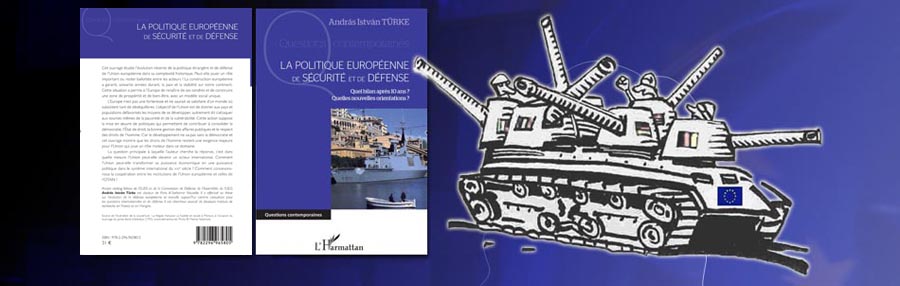
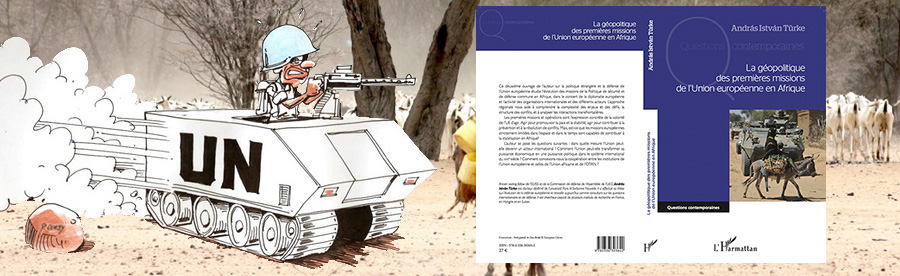
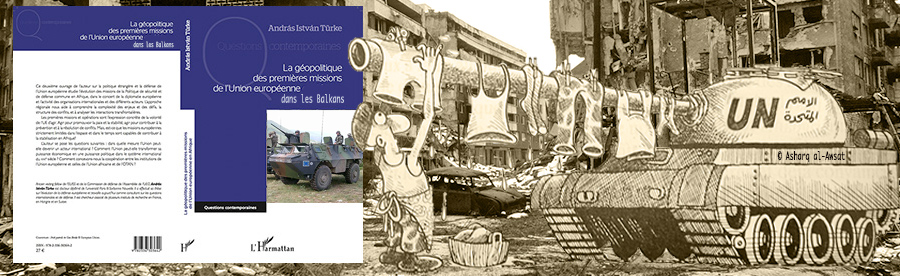
We are looking for sponsors for the English translation of these books, please contact turkeandras(at)gmail(dot)com