
You are here
Feed aggregator
DIGITAL 08 H : le verdict
DIGITAL 08H : Avez-vous tenté votre chance ?
Le tirage DIGITAL 08H N°238 a livré son verdict !
Lundi 05 Octobre 2026
Avez-vous joué ?
Avez-vous misé sur vos numéros porte-bonheur ?
RÉSULTAT : 27 • 49• 65 • 33 • 25
Félicitations aux heureux gagnants !
Pas encore cette fois ? Gardez le sourire.
Rendez-vous à 11H pour le prochain tirage.
Jouez dans les points de vente ou : Tapez *590# ou rendez-vous sur lnbloto.bj
Jouez avec modération et responsabilité. Le jeu doit rester un plaisir.
A TOI DE JOUER #XòGbɔnAlɔkpaVo
#LNBSA #JeuResponsable #LaChanceAvecModération
https://m.facebook.com/story.php?story_fbid=pfbid0YRujq431ZKvBqpAZBTYPM9MYvHNFt427isJpz83HbtpHsQJCXXgmYxuXymRt8zTyl&id=100069066156653
Categories: Afrique, European Union
Wadagni reçu à l'Élysée ce lundi
Le président de la République, Son Excellence Romuald Wadagni est annoncé au cabinet du président français, Emmanuel Macron, ce lundi 5 octobre 2026. Cette rencontre avec son homologue français s'inscrit dans le cadre du renforcement de la coopération vieille de plusieurs décennies entre le Bénin et la France.
Romuald Wadagni fait sa première visite officielle à Paris. Il sera reçu dans ce cadre par son homologue français ce lundi 5 octobre 2026.
Cette entrevue prévue pour 9h, heure du Bénin selon nos sources, devrait permettre aux deux dirigeants d'aborder l'état des relations entre la France et le Bénin, ainsi que plusieurs dossiers d'intérêt commun. Les échanges devraient notamment porter sur la coopération bilatérale et les priorités partagées entre Paris et Cotonou.
La rencontre intervient dans un contexte où les relations franco-béninoises continuent d'évoluer, avec des enjeux liés notamment à la coopération économique, au développement, à la sécurité et aux échanges entre les deux pays.
Au-delà des questions bilatérales, l'entretien pourrait également être l'occasion pour Emmanuel Macron et Romuald Wadagni d'échanger sur des questions régionales et internationales présentant un intérêt pour le Bénin et la France.
La rencontre à l'Élysée sera ainsi suivie avec attention à Cotonou comme à Paris, alors que les deux pays cherchent à consolider leur dialogue et à définir de nouvelles perspectives de coopération.
F. A. A.
Categories: Afrique, European Union
Diese Lücke der Wiedervereinigung wird zu oft übersehen
Private Vermögen sind zwischen Ost und West sehr ungleich verteilt. Die Kluft droht weiter zu wachsen. Es sei denn, die Politik ändert etwas Grundlegendes., Die vergangenen 36 Jahre waren wirtschaftlich eine große Erfolgsgeschichte für Ostdeutschland, auch wenn häufig der gegenteilige Eindruck vermittelt wird. Beschäftigung, Löhne, Einkommen und Lebensstandard haben sich fast überall im Osten dem Westen angenähert. Zwar liegt das durchschnittlich ...
Categories: Diplomacy & Defense Think Tank News, European Union
Les attentes du Gouvernement à l'égard des communes
Le ministre de la décentralisation et de la gouvernance locale a procédé, vendredi 2 octobre 2026, à l'installation du nouveau bureau de l'Association Nationale des Communes du Bénin (ANCB). Janvier YAHOUEDEOU a invité les acteurs territoriaux à renforcer leur coopération et les citoyens à participer davantage au développement de leurs communes.
Luc GNACADJA, président de l'ANCB et son bureau installés, vendredi 2 octobre 2026. Procédant à leur installation officielle, le ministre de la décentralisation et de la gouvernance locale, a rappelé les attentes du gouvernement à l'égard de la nouvelle équipe.
Une action territoriale davantage coordonnée
Selon Janvier YAHOUEDEHOU, les communes ne peuvent plus envisager leur développement de manière isolée. L'État, les communes, les Préfectures, les Pôles de développement territorial et l'ANCB disposent de responsabilités distinctes, mais leurs interventions doivent converger vers un objectif commun : l'amélioration des conditions de vie des populations. « Nous avons une même population à servir. C'est cela qui doit nous rassembler », a-t-il indiqué.
Dans cette logique, l'ANCB est appelée à jouer un rôle d'accompagnement auprès des communes, notamment en favorisant le partage d'expériences et la coopération entre collectivités. Elle devra également contribuer à faire de la nouvelle organisation territoriale, un levier supplémentaire pour le développement local.
La participation citoyenne au cœur du développement local
Le ministre a également insisté sur l'importance de la participation des citoyens. Selon lui, la qualité des institutions, des textes et des projets publics ne suffit pas, à elle seule, à garantir un développement local durable. Les citoyens doivent pouvoir s'informer sur l'action de leur commune, interpeller les autorités locales, faire connaître leurs préoccupations et prendre part aux efforts collectifs. Cette responsabilité concerne notamment la propreté des villes, la préservation du cadre de vie, le respect des équipements publics et l'observation des règles communes. L'action des pouvoirs publics doit ainsi être accompagnée par des comportements individuels responsables.
« L'État, c'est d'abord moi »
Pour illustrer cette approche, le ministre a rappelé un message du président de la République, Romuald WADAGNI, lors de la présentation du cadrage des Pôles de développement territorial, le 23 septembre dernier.
Le chef de l'État avait notamment évoqué le cas d'un sachet abandonné sur la voie publique : un citoyen qui le ramasse et le dépose dans une poubelle contribue directement à la préservation de son environnement.
Pour Janvier YAHOUEDEOU, cet exemple renvoie à une conception plus large de la citoyenneté. L'intérêt collectif concerne chaque citoyen, qui ne doit pas systématiquement attendre l'intervention de l'État ou de la commune lorsqu'il peut lui-même contribuer à résoudre un problème.
C'est dans cette perspective que le ministre a présenté le concept « L'État, c'est d'abord moi », inscrit dans la feuille de route du ministère de la décentralisation et de la gouvernance locale.
Cette formule traduit un principe de responsabilité partagée. Le citoyen n'est pas uniquement bénéficiaire de l'action publique : il en est également un acteur. L'État doit assumer ses responsabilités, tout comme les communes, tandis que les citoyens doivent également prendre leur part dans le développement de leur territoire et du pays.
Trois objectifs pour le nouveau bureau de l'ANCB
S'adressant au nouveau président de l'ANCB, Janvier YAHOUEDEHOU a appelé l'Association à devenir une institution « qui rassemble, qui propose, qui accompagne et qui aide nos communes à progresser ». Il a, par ailleurs, identifié trois principaux résultats permettant d'apprécier les progrès réalisés au terme du mandat du nouveau bureau : franchir une nouvelle étape à la décentralisation, rendre les 77 communes plus efficaces, plus responsables et plus performantes, et surtout améliorer concrètement les conditions de vie des populations.
Pour le ministre, c'est cette amélioration du quotidien des citoyens qui constituera, en définitive, le principal critère d'évaluation de l'action engagée.
F. A. A.
Categories: Afrique, European Union
L'arrivée et les gains du TIERCE/QUARTE/QUINTE+
La Loterie Nationale du Bénin vous donne les résultats du TIERCE / QUARTE/ QUINTE+ DU DIMANCHE 04 OCTOBRE 2026
Arrivée de la course : 01-07-16-10-09
Tous Partants
TIERCE
Gain dans l'Ordre : 42.700 FCFA (13)
Gain dans le Désordre : 8.500 FCFA (37)
QUARTE
Gain dans l'Ordre : 365.400 FCFA (01)
Gain dans le Désordre : 30.400 FCFA (05)
QUINTE+
Gain dans l'Ordre : NEANT (00)
Gain dans le Désordre : 33.600 FCFA (12)
Bonus : 5.250 FCFA (50)
PARI SIMPLE / PARI COUPLE
01 Gagnant : 1.500 FCFA (02)
01 Placé : 1.500 FCFA (02)
07 Placé : NEANT (00)
16 Placé : NEANT (00)
01-07 Gagnant : 27.750 FCFA (01)
01-07 Placé : 5.750 FCFA (12)
01-16 Placé : 2.250 FCFA (30)
07-16 Placé : 8.500 FCFA (08)
MASSE PARTAGÉE : 2.290.950 FCFA
MONTANT DU JACKPOT DU VENDREDI 09 OCTOBRE 2026 : 404.794 FCFA
MONTANT DE LA TIRELIRE DU MARDI 27 OCTOBRE 2026 : NEANT
CAGNOTTE « 4+1 » ORDRE DU SAMEDI 10 OCTOBRE 2026 : 1.522.267 FCF
https://www.facebook.com/100069272119664/posts/1408034774848913/
Categories: Afrique, European Union
La combinaison gagnante du DIGITAL 20H
DIGITAL 20H : Avez-vous tenté votre chance ?
Le tirage DIGITAL 20H N°236 a livré son verdict !
Dimanche 04 Octobre 2026
Avez-vous joué ?
Avez-vous misé sur vos numéros porte-bonheur ?
RÉSULTAT : 01 • 25 • 87 • 75 • 42
Félicitations aux heureux gagnants !
Pas encore cette fois ? Gardez le sourire.
Rendez-vous à 00H pour le prochain tirage.
Jouez dans les points de vente ou : Tapez *590# ou rendez-vous sur lnbloto.bj
Jouez avec modération et responsabilité. Le jeu doit rester un plaisir.
A TOI DE JOUER #XòGbɔnAlɔkpaVo
#LNBSA #JeuResponsable #LaChanceAvecModération
Categories: Afrique, European Union
Les numéros gagnants du DIGITAL O0 H
DIGITAL 00H : Avez-vous tenté votre chance ?
Le tirage DIGITAL 00H N°237 a livré son verdict !
Lundi 05 Octobre 2026
Avez-vous joué ?
Avez-vous misé sur vos numéros porte-bonheur ?
RÉSULTAT : 74 • 46 • 09 • 60 • 67
Félicitations aux heureux gagnants !
Pas encore cette fois ? Gardez le sourire.
Rendez-vous à 08H pour le prochain tirage.
Jouez dans les points de vente ou : Tapez *590# ou rendez-vous sur lnbloto.bj
Jouez avec modération et responsabilité. Le jeu doit rester un plaisir.
A TOI DE JOUER #XòGbɔnAlɔkpaVo
#LNBSA #JeuResponsable #LaChanceAvecModération
Categories: Afrique, European Union
La mairie fixe la grille tarifaire pour les services funéraires
La mairie de Savalou a adopté une nouvelle grille tarifaire pour plusieurs prestations communales, notamment celles liées aux affaires funéraires et aux manifestations dites bruyantes. La mesure, prise à travers la délibération 2026 N°5K/030 du 22 juillet 2026, précise également certaines pénalités applicables aux usagers.
La mairie de Savalou veut davantage encadrer et clarifier les coûts liés à plusieurs prestations offertes aux populations. À travers une délibération adoptée le 22 juillet 2026, le conseil communal a fixé de nouveaux tarifs concernant notamment les opérations d'inhumation, les concessions de fosses, les exhumations, mais aussi l'organisation de manifestations bruyantes.
Jusqu'à 500 000 FCFA pour une autorisation d'exhumation
La nouvelle grille prévoit plusieurs tarifs pour les prestations funéraires. Au cimetière communal, la concession d'une fosse, accompagnée du permis d'inhumation, est fixée à 100 000 FCFA pour un adulte et 50 000 FCFA pour un enfant de moins de 12 ans.
Dans les autres cimetières d'arrondissement, le coût de la concession est de 50 000 FCFA pour un adulte et 30 000 FCFA pour un enfant de moins de 12 ans. Pour une inhumation dans un cimetière religieux, l'autorisation est fixée à 20 000 FCFA pour un adulte et 10 000 FCFA pour un enfant.
Pour réserver une fosse au cimetière communal, le demandeur devra débourser la somme de 200 000 FCFA. L'autorisation d'élévation et d'aménagement d'une sépulture est fixée à 50 000 FCFA.
Parmi les prestations les plus coûteuses, figure l'autorisation d'exhumation, dont le tarif est fixé à 500 000 FCFA, sauf lorsqu'elle intervient sur réquisition ou pour cause d'utilité publique. L'autorisation d'incinération quant à elle, est fixée à 100 000 FCFA.
Des tarifs également pour les sépultures à domicile
La mairie a également prévu des frais pour l'érection d'une sépulture à domicile. Ils s'élèvent à 200 000 FCFA en milieu urbain et périurbain, contre 100 000 FCFA en milieu rural.
La conservation d'un corps à la morgue ainsi que son transport pour l'inhumation sont facturés à 5 000 FCFA.
Par ailleurs, une pénalité de 20 % du montant initial est fixée en en cas d'inhumation réalisée sans autorisation.
20 000 FCFA pour les manifestations bruyantes en zone urbaine
Les manifestations dites bruyantes sont également concernées par la nouvelle grille tarifaire. La taxe forfaitaire est fixée à 20 000 FCFA en milieu urbain et périurbain, et à 10 000 FCFA en milieu rural.
À travers cette décision, la mairie de Savalou entend préciser les conditions financières applicables à plusieurs services communaux et permettre aux usagers de mieux connaître les coûts des prestations sollicitées.
Categories: Afrique, European Union
LOTO STAR : les résultats du tirage de 18 H
LES RÉSULTATS LOTO STAR S SONT LÀ !
TIRAGE N°119/26
Dimanche 04 Octobre 2026 (18H)
02 • 25 • 08 • 72 • 06
Félicitations aux heureux gagnants !
Pas encore gagné ? Gardez le sourire !
Rendez-vous au prochain tirage de 20H pour une nouvelle chance.
Jouez dans les centres de jeux ou en ligne : Tapez 590# ou lnbloto.bj
Jouez avec modération et responsabilité. Le jeu doit rester un plaisir.
A TOI DE JOUER #a
#LaChanceAvecModération
Categories: Afrique, European Union
Climate Change Is Becoming a Pregnancy Hazard Worldwide, Survey Finds
A community health worker examines a pregnant woman inside her home while family members look on, highlighting the growing challenges mothers face as extreme heat and climate-related pressures strain access to healthcare in vulnerable communities. Credit: Wellcome
By Umar Manzoor Shah
SUVA, Fiji & SRINAGAR, India, Oct 5 2026 (IPS)
Extreme heat is increasingly threatening pregnant women and newborn babies around the world, with almost all maternal health professionals surveyed across five continents saying they have cared for women or infants whose health was affected by high temperatures.
The findings, released as climate ministers gathered in the Pacific ahead of the COP31 climate summit, provide an extremely distressing picture of how global heating is affecting maternity wards, delivery rooms and newborn-care units.
A survey of 1,001 healthcare professionals in Australia, Brazil, India, the United Kingdom and Zimbabwe found that 98 percent had personally cared for a pregnant woman whose health they believed was adversely affected by extreme heat.
Some 99 percent said they had cared for a foetus or newborn whose health, in their professional judgment, had been affected by extreme heat.
Almost three-quarters, 73%, said heat-related cases or complications affecting pregnant women had increased over the previous five years. The proportion rose to 76% when health workers were asked about complications involving foetal health, childbirth or newborn babies.
The survey was commissioned by the global health foundation Wellcome and conducted among obstetricians, gynaecologists, doctors, midwives, nurses and other maternal-health professionals between September 17 and October 1.
The findings were released in Fiji at the launch of Birthright, a global campaign seeking greater protection for pregnant women, babies and healthcare workers as temperatures rise.
Speaking at the event, United Nations Climate Change Executive Secretary Simon Stiell said climate change was creating a new and potentially deadly risk around pregnancy and childbirth.
“The picture is clear and very disturbing: as extreme heat worsens, pregnancy and birth are now a new faultline in the global climate crisis, and one which is potentially fatal,” Stiell said.
“This faultline must not become another deep chasm of climate-driven suffering, inequality and injustice.”
The survey offers detailed evidence of what healthcare professionals say they are already witnessing.
Among pregnant women,
- 25% reported seeing muscle cramps or muscle aches that they believed extreme heat had contributed to or worsened
- 24% reported severe fatigue, sleep problems or a reduced ability among pregnant women to carry out daily activities
- 23% reported breathing difficulties or worsening respiratory symptoms
- 23 percent reported pregnancy complications requiring additional monitoring or treatment, while an equal proportion reported hypertensive disorders, including pre-eclampsia
- More than one in five reported mental distress, anxiety or stress linked to heat
- 21% said they had encountered severe maternal illness requiring medical attention or hospital care
- 20% reported dizziness, fainting or loss of consciousness, while 19 percent reported preterm contractions, labour or birth
- Nearly 18% said they had observed pregnancy loss or stillbirth in circumstances where, in their professional judgment, extreme heat had contributed to or worsened the problem.
The survey did not attempt to establish that heat alone caused individual complications. The responses provide information about the professional judgment and clinical experience of the healthcare workers questioned.
Protect Life at Its Most Fragile
The findings involving babies were similarly worrying.
- 36% of health professionals reported dehydration or heat-related illness among newborns during the pregnancy-related care they provided
- 34% reported low birth weight or restricted foetal growth
- 33% had observed breathing, feeding or temperature-regulation difficulties
- 28% said babies required additional monitoring, treatment or neonatal care, and a similar proportion reported preterm birth
- During the newborn period, 38% of respondents reported low birth weight or restricted growth
- 36% reported dehydration or heat-related illness, and another 36% reported breathing, feeding or problems regulating body temperature
- Almost 30% said heat-related conditions resulted in babies needing additional monitoring, treatment or neonatal care
- 9% percent reported stillbirth or neonatal death during the newborn period in cases where they believed extreme heat had contributed to or worsened the condition.
Stiell said the findings showed that rising temperatures could no longer be treated simply as an environmental issue.
“The climate policy process is measured in degrees, targets and finance,” he said. “But a deep test of climate action is far simpler: whether we protect life at its most fragile.”
He said the world was entering conditions for which many health systems had not been designed.
“We are in a new, hotter world, as the world continues to burn planet-heating fossil fuels, overwhelmingly in G20 economies,” Stiell said.
“The last eleven years smashed records.”
He said rising temperatures meant “rising danger in pregnancy”, citing evidence linking extreme heat to premature birth, stillbirth, low birth weight and maternal complications.
A healthcare worker cradles a newborn baby at a maternal health facility, illustrating frontline efforts to protect mothers and infants amid mounting concerns over the impact of extreme heat on pregnancy, childbirth and newborn health. Credit: Wellcome
No One Is Immune
The survey also revealed significant differences between countries.
Zimbabwean health workers were among those reporting the sharpest increases.
Eighty-five percent of respondents in Zimbabwe said heat-related cases or complications affecting pregnant women had increased during the previous five years. The figure was 79% in Australia, 74% in Brazil, 66% in the United Kingdom and 62% in India.
When respondents were asked about foetal or newborn health, 89% of Zimbabwean health professionals reported an increase in heat-related cases or complications. The corresponding figure was 79% in Brazil, 78% in Australia, 68% in the United Kingdom and 66% in India.
The results suggest that the effects are being felt across countries with very different climates, incomes and healthcare systems.
Concern was also widespread.
More than 92% of all respondents said they were concerned about the impact of extreme heat on the health and well-being of pregnant women in the areas where they worked and 90% expressed concern about foetal health during pregnancy and childbirth, as well as the health of babies during the newborn period.
Zimbabwe recorded some of the highest levels of concern, with 97% of respondents concerned about foetal and newborn health.
Stiell said no country or family could consider itself completely insulated from the risk.
“No one is immune,” he said. “But the risks and impacts are not shared equally.”
The survey showed that extreme heat was also disrupting the healthcare systems expected to protect women and infants.
- 29% of health workers said they had seen increased urgent or emergency presentations during extreme heat
- 28% reported difficulties safely storing or using medicines, supplies or medical equipment
- 27% said pregnant women and their families found it harder to travel to or access healthcare
- 25% reported increased demand for advice, monitoring or treatment, while another quarter reported staff illness, fatigue or a reduced ability to work safely
- 24% had experienced interruptions to electricity, water, cooling systems, medical equipment or other essential services
- A similar proportion reported healthcare services becoming overburdened or having insufficient capacity
- Nearly one-quarter said temperatures inside healthcare facilities had become unsafe or uncomfortable.
The findings highlight a basic problem in responding to extreme heat. Advising pregnant women to stay cool may be of little practical value when families lack air conditioning, cannot afford electricity, work outside, or live far from medical services.
“‘Staying cool’ is simply not an option when there is no cool place to go,” Stiell said.
“A safe birth is already too often shaped by geography, income and access to care. Without action, extreme heat will widen that injustice.”
The survey asked health professionals what most limited pregnant women’s ability to protect themselves and their babies.
- 26% cited limited awareness or understanding that extreme heat could affect health during pregnancy
- 24% cited the need to work outdoors or in hot conditions
- About 23% pointed to limited support from family or the wider community
- The same proportion cited limited access to cooling or air conditioning
- 23% identified the cost of electricity, water or other protective measures.
Other barriers included existing health conditions, inadequate access to safe drinking water, homes that were difficult to keep cool, lack of employer support and difficulties travelling to healthcare facilities.
Only 0.4 percent said no factors limited women’s ability to protect themselves from extreme heat.
Stiell said such conditions meant that climate change risk was increasingly intertwined with inequality.
“Someone working outdoors, living in unregulated housing, travelling far to a clinic, or relying on facilities without water, power or cooling, cannot be protected by advice alone,” he said.
Harm that is not counted is too easily ignored
For Pacific Island countries, the issue is particularly sensitive.
Many small island states have contributed only a tiny fraction of historic greenhouse gas emissions but face rising sea levels, intensifying storms, heat and pressure on food, water and health systems.
“Here in the Pacific, climate change is no abstraction,” Stiell said.
“It is felt in homes, villages, farms, fisheries and clinics, in journeys for care, and in the availability and cost of food, water, power and transport.”
The Fiji event was held as ministers and climate officials gathered for the pre-COP meeting hosted by Australia and Fiji from October 5 to 8.
The meeting is intended to advance negotiations ahead of COP31 in Antalya, Türkiye, and give greater prominence to Pacific Island perspectives and climate solutions. Tuvalu was hosting a leaders’ event as part of the Pacific meetings.
Despite the growing risks, the survey suggests many healthcare workers believe they need more support to respond effectively.
- An overwhelming 92% said they wanted additional training and resources to help pregnant women during periods of extreme heat.
- 55% said clearer national or international guidance on protecting pregnant women from extreme heat would help them perform their jobs better
- When asked what would most improve their ability to protect women and babies, 33% selected practical information and materials for pregnant women and families
- 31% called for improvements to buildings, cooling, ventilation, water or electricity
- 29% wanted stronger referral pathways and better coordination between health services
- A similar proportion called for improved data and surveillance on heat, pregnancy and newborn health, as well as better local heat alerts and communication
- 28% said more staff, time or funding during periods of extreme heat would help
- 28% called for greater community outreach to people who may otherwise be difficult for health services to reach.
Stiell urged governments to make maternal and newborn health an explicit part of national climate adaptation and heat-response strategies.
“What is not named in a plan is too often not funded, not measured and not protected,” he said.
He outlined three priorities.
The first was to make pregnancy and newborn care part of national adaptation, health and extreme-heat planning.
That would require resilient clinics, dependable electricity and water supplies and properly trained health workers.
The second was to convert scientific evidence into direct protection, including improved guidance, professional training, heat alerts, safer medical facilities and health systems prepared before extreme weather strikes.
The third was better monitoring.
“Harm that is not counted is too easily ignored,” Stiell said.
“As temperatures rise, data must show where risks are growing, which interventions work, which communities are exposed, and where finance and technology support is needed.”
The survey found broad support among health workers for stronger policy action.
- 81% agreed that without further action, extreme heat would increasingly endanger maternal, foetal and newborn health during the next five years
- 82% said protecting pregnant women and babies from extreme heat should become a higher priority for health-system leaders and policymakers
- Another 82% agreed that better evidence on heat, pregnancy and newborn health would help drive effective action.
Stiell linked the issue to broader international climate finance negotiations.
He said commitments on adaptation finance agreed at COP30 in Brazil needed to be implemented and called for governments and the international financial system to help mobilise $1.3 trillion annually for developing nations.
“For small islands and other nations that did practically nothing to cause this climate crisis, it underscores the need for support at scale,” he said.
He also pointed to the Belém Gender Action Plan and Belém Adaptation Indicators as mechanisms that could help governments measure climate-related health risks and build more resilient health services.
Stiell praised Türkiye’s COP31 presidency and Australia, which is serving as President of Negotiations, for putting health on the agenda ahead of the Antalya summit.
For Stiell, the issue ultimately goes beyond climate-negotiating language.
“I am a parent, but I cannot pretend to know what it feels like to carry a pregnancy through those conditions,” he said.
“Mothers, midwives, doctors, nurses and families speak from lived experience. We should listen.”
The survey suggests those voices are already delivering a clear warning.
Pregnant women are struggling with heat exposure. Babies are requiring additional care. Health workers are seeing more complications. Facilities are facing pressure on electricity, water, medicines and staff. And many doctors, nurses and midwives say they lack the training and resources they need.
“Pregnancy should be a time of hope,” Stiell said. “But for millions, it is becoming a time of anxiety, as climate impacts fill everyday life with risk.”
He ended with an appeal for governments to treat protection of mothers and babies as a basic test of climate policy.
“A changing climate must never be accepted as a reason pregnancy and birth become less safe,” he said.
“A newborn’s healthy start must never depend on a family’s ability to escape the heat.”
“This work is urgent, deeply human, and we all share the responsibility to drive it forward together.”
IPS UN Bureau Report
Related Articles
Categories: Africa, Swiss News
Récolte céréalière : Tebboune demande un Conseil des ministres consacré à l’agriculture
Le président Tebboune a demandé dimanche la préparation d’un Conseil des ministres consacré au secteur agricole. La décision est intervenue après un exposé sur le […]
L’article Récolte céréalière : Tebboune demande un Conseil des ministres consacré à l’agriculture est apparu en premier sur .
Categories: Afrique, Swiss News
Co-Pilot soll Absturz auf Flughafen Ben Gurion geplant haben
Der Flydubai-Co-Pilot wollte das Flugzeug offenbar in Israel zum Absturz bringen. Die Ermittler gehen davon aus, dass der Islamist alleine handelte.
Categories: Swiss News, Union européenne
Aéroport d’Alger : les salons VIP et VVIP vont changer de visage
La société qui gère l’aéroport d’Alger va moderniser les salons VIP et VVIP du Terminal Ouest. Elle promet un design conforme aux standards internationaux, sans […]
L’article Aéroport d’Alger : les salons VIP et VVIP vont changer de visage est apparu en premier sur .
Categories: Afrique, Swiss News
Welcher Wildteller schafft es an die Spitze?
Die Blick-Community hat abgestimmt: Die vier besten Wildteller der Schweiz stehen fest und treten im grossen Finale gegeneinander an. Wallis, Graubünden, Luzern oder Solothurn – welcher Wildteller holt sich den «Blick Check»-Sieg?
Categories: Swiss News, Union européenne
Deutsche E-Auto-Förderung sprengt alle Erwartungen
Der E-Auto-Boom wird teuer für Deutschland. Seit Ende Mai hat der Staat die Prämie bereits 100 000 Mal ausbezahlt. Besonders Familien mit tiefen Einkommen profitieren.
Categories: Europäische Union, Swiss News
«Viele, die Pornos produzieren, wissen nichts vom Verbot»
Pornos sind in der Ukraine seit der Sowjetunion verboten – wer sie produziert, riskiert Ärger mit der Justiz. Aber der Krieg gegen Putin lässt das alte Verbot wackeln. Denn: Mit den Steuereinnahmen aus der Sexindustrie könnte man Tausende Drohnen kaufen.
Categories: Europäische Union, Swiss News
Ein «Happy Day» nach zwei düsteren Jahren
Nach einem Schicksalsschlag dürfen die Schwyzerin Nadine Mächler und ihre Kinder auf Einladung des SRF-Formats «Happy Day» das Disneyland Paris besuchen, um wieder einmal auf andere Gedanken zu kommen.
Categories: Europäische Union, Swiss News
Die Schweiz braucht dringend eine Raketenabwehr – doch jetzt hakt es gewaltig
Das Verteidigungsdepartement wollte rasch ein zweites Raketenabwehrsystem kaufen. Blick-Recherchen zeigen nun: Es hapert bei der Bestellung. Die Anbieter werden vertröstet.
Categories: European Union, Swiss News
Wechselt Yakin nach Traumstart die halbe Mannschaft aus?
Mit drei Siegen innerhalb von acht Tagen ist die Nati bei ihrer Mission Wiederaufstieg in die Liga A der Nations League auf Kurs. Schlägt nach intensiven Tagen zum Abschluss des Zusammenzugs am Dienstag im Heimspiel gegen Nordmazedonien die Stunde der Reservisten?
Categories: European Union, Swiss News
Erlebe Weltklasse-Tennis bei den Swiss Indoors Basel
Stan Wawrinka sagt an den Swiss Indoors dem Profisport Adieu. Dank Blick kannst du am Super Monday mit der emotionalen Hommage an die Tennislegende dabei sein und hochklassiges Tennis geniessen. Gewinne zwei Tickets für die Swiss Indoors in Basel.
Categories: Határon túli magyar portálok összesített hírei, Swiss News
Pages
the old site is here


© 2012-2015 Europa Varietas Foundation © 2015-2020 Europa Varietas Association
www.europavarietas.org | info(@)europavarietas(dot)org | Switzerland
This is a GDPR ready site

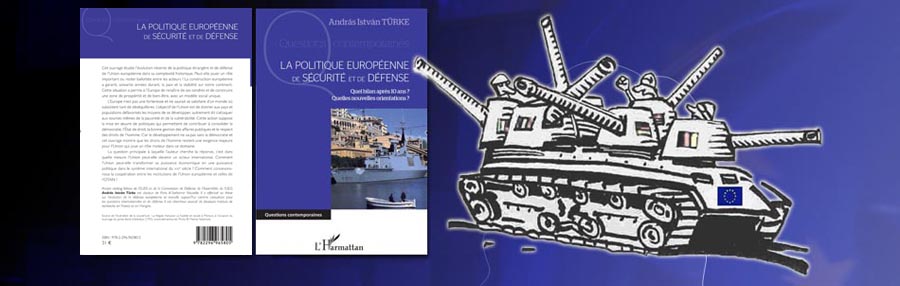
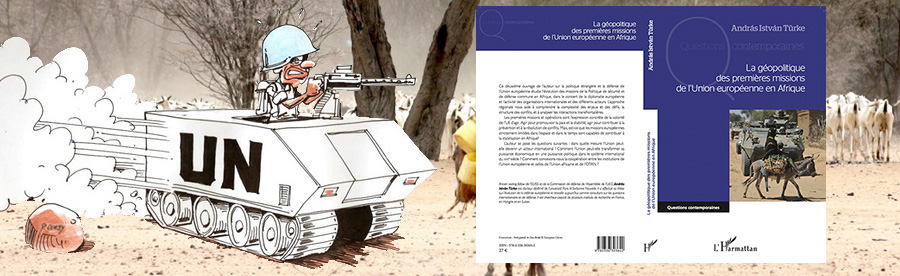
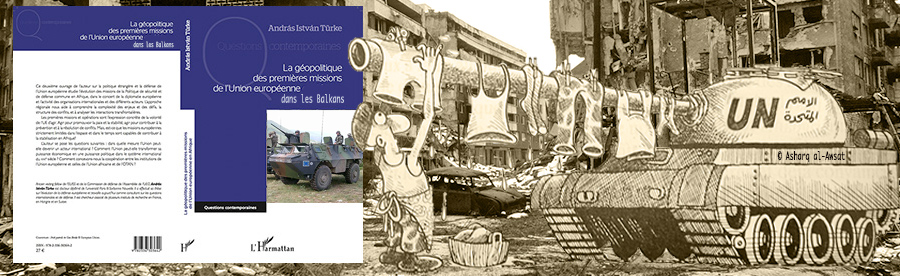
We are looking for sponsors for the English translation of these books, please contact turkeandras(at)gmail(dot)com