
You are here
European Union
Gegen SVP-Sesselkleber: Bern macht Schluss mit Amtszeit-Buebetrickli
Bern plant strengere Regeln für Stadtratsmitglieder: Nach zwölf Jahren soll eine Pause Pflicht werden. Der Gemeinderat befürwortet diesen Vorschlag, um «Buebetrickli» bei der Amtszeitbeschränkung zu unterbinden.
Categories: European Union, Swiss News
«Go Basel Go!»: Volksinitiative will eine Basler Innenstadt ohne Tramverkehr
Ein überparteiliches Komitee mit Personen aus der Politik und Wirtschaft will eine Basler Innenstadt ohne Tramverkehr. Es hat am Montag eine Initiative unter dem Namen «Go Basel Go!» lanciert. Diese fordert alternative Tramrouten ausserhalb des Stadtkerns.
Categories: European Union, Swiss News
Stefano De Icco macht Gang-Analysen inklusive 3D-Scan: «Richtige Schuhe können die Hälfte der Fussprobleme lindern»
Barfuss über den roten Teppich: Daniela Gaiotto lässt ihren Gang filmen, um ihre Fussprobleme zu verstehen. Die Analyse des Orthopädie-Technikers zeigt, wie Schuhe und Haltung zusammenhängen. Die Wahl des richtigen Schuhs kann bei vielen Problemen helfen.
Categories: European Union, Swiss News
Heftiger Crash auf Autobahn: BMW gerät unter LKW und wird mitgeschleift
Ein 18-Jähriger verliert auf der I-75 in Florida die Kontrolle über seinen BMW. Er gerät unter einen Lastwagen und wird mehrere Meter mitgeschleift. Wie durch ein Wunder bleiben der Fahrer und seine zwei Insassen unverletzt.
Categories: European Union, Swiss News
Le Conseil avance sur le prochain budget de l’UE alors que le Parlement est dans l’impasse
Euractiv a obtenu un projet de document du Conseil de l’UE montrant que les capitales poursuivent leurs travaux sur la proposition de cadre fiancier pluriannuel (CFP) 2028-2034 de la Commission européenne. Les eurodéputés, eux, restent divisés sur le futur budget.
The post Le Conseil avance sur le prochain budget de l’UE alors que le Parlement est dans l’impasse appeared first on Euractiv FR.
Categories: European Union, Union européenne
EU countries move ahead on long-term budget as Parliament gridlocks
With MEPs divided over the Commission’s 2028–2034 budget plan, EU governments are moving forward without them
Bitteres Erstrunden-Aus: Golubic gibt Sieg in Tokio aus der Hand
Viktorija Golubic scheidet beim WTA-500-Turnier in Tokio in der ersten Runde aus. Die Schweizerin unterliegt der Australierin Maya Joint trotz starkem Start nach drei Sätzen.
Categories: European Union, Swiss News
Nach 25 Jahren: Kurzfilmtage Winterthur verlieren ZKB als Hauptsponsor
Die Kurzfilmtage Winterthur stehen vor einer ungewissen Zukunft. Die Zürcher Kantonalbank (ZKB) ist nach 25 Jahren als Hauptsponsor ausgestiegen.
Categories: European Union, Swiss News
THE HACK: Capitals’ cloud sovereignty quivers
In today's edition: ePrivacy derogation, VdL gets 28th regime
280 Millionen Franken: 280 Millionen Franken: Der Ausbau der Malojastrasse wird konkret
Die Bündner Regierung hat am Montag den umfassenden Ausbauplan der Malojastrasse vorgelegt. Beim 280 Millionen-Franken-Projekt soll streckenweise die Strasse verbreitert sowie eine Radverbindung und ein 2,7 Kilometer langer Tunnel erstellt werden.
Categories: European Union, Swiss News
Les Vingt-Sept s’orientent vers une interdiction totale du gaz russe d’ici 2028
Malgré les réserves exprimées en dernière minute par la France, l’Italie et l’Espagne, liées à des questions de sécurité juridique et au nouveau mécanisme de contrôle des cargaisons de GNL, un consensus semble se dessiner parmi les États membres. Les Vingt-Sept devraient entériner une échéance fixée à 2028 pour mettre fin à toute importation de gaz russe.
The post Les Vingt-Sept s’orientent vers une interdiction totale du gaz russe d’ici 2028 appeared first on Euractiv FR.
Categories: European Union, Union européenne
Viktor Orbán immobilise Bruxelles
Bienvenue dans Rapporteur. Je suis Eddy Wax au Luxembourg, avec Nicoletta Ionta à Bruxelles. Vous avez une info à nous communiquer ? Écrivez-nous, nous lisons tous les messages. À savoir : Bruxelles : les diplomates de l’UE se réunissent pour discuter du 19ᵉ paquet de sanctions contre la Russie après la levée du veto de […]
The post Viktor Orbán immobilise Bruxelles appeared first on Euractiv FR.
Categories: European Union, Union européenne
FIRST AID: Merck ‘voluntarily’ follows Trump’s order
In today's edition: Week ahead, tobacco, wine tax
Schocknachricht aus Holland: Ex-Real-Profi erleidet Schlaganfall
Der ehemalige Real-Profi Royston Drenthe hat einen Schlaganfall erlitten. Der 38-jährige Holländer hat schon ein bewegtes Leben hinter sich. Er sorgte für allerhand Skandale abseits des Platzes.
Categories: European Union, Swiss News
HARVEST: Lost in transition
In today's edition: This week's agenda
Erfolgreiche WM geht zu Ende: Para-Cyclerin Flurina Rigling holt ihre dritte Goldmedaille
Flurina Rigling holt zum Abschluss der Bahn-WM im Para-Cycling die Goldmedaille im Ausscheidungsrennen.
Categories: European Union, Swiss News
«Ein guter Tag zum Gewinnen»: St. Gallen schafft in Bern Historisches – dank zwei Propheten
Es ist nicht einfach ein Sieg. Es ist der erste seit 20 Jahren in Bern. Und Siegestorschütze Lukas Görtler hatte seinen Treffer sogar vorausgesagt! St. Gallen ist nach dem 2:1 bei YB total euphorisiert.
Categories: European Union, Swiss News
Für Einzelgeräte reichts knapp nicht: Zwei Schweizer stehen im WM-Mehrkampf-Final
Noe Seifert und Florian Langenegger stehen an der Kunstturn-WM im Mehrkampffinal.
Categories: European Union, Swiss News
FIREPOWER: Indra set to grow in Europe, but what about the Brits?
Plus the agenda for the coming week
«Tatort»-Star Andrea Sawatzki: «Als 12-Jährige wollte ich meinen Vater umbringen»
Schauspielerin Andrea Sawatzki enthüllt in einem Interview mit der «Zeit» erschütternde Details aus ihrer Kindheit. Mit acht begann sie, ihren an Demenz erkrankten Vater zu pflegen, der gewalttätig wurde. Die traumatischen Erfahrungen prägten ihr Leben nachhaltig.
Categories: European Union, Swiss News
Pages
the old site is here



© 2012-2015 Europa Varietas Foundation © 2015-2020 Europa Varietas Association
www.europavarietas.org | info(@)europavarietas(dot)org | Switzerland
This is a GDPR ready site


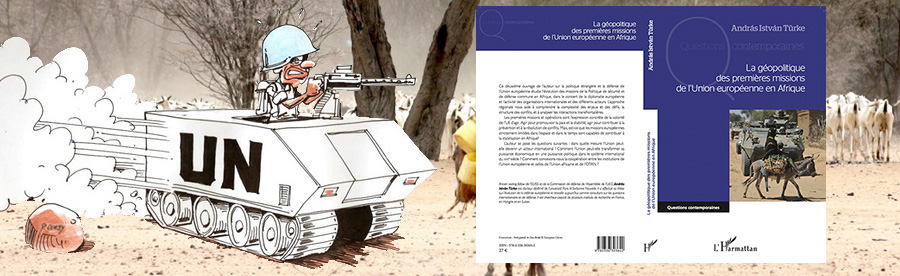

We are looking for sponsors for the English translation of these books, please contact turkeandras(at)gmail(dot)com