
You are here
Határon túli magyar portálok összesített hírei
DIGITAL 08H : les numéros gagnants
DIGITAL 08H : Avez-vous tenté votre chance ?
Le tirage DIGITAL 08H N°256 a livré son verdict !
Dimanche 11 Octobre 2026
Avez-vous joué ?
Avez-vous misé sur vos numéros porte-bonheur ?
RÉSULTAT : 32 • 82 • 83• 53• 40
Félicitations aux heureux gagnants !
Pas encore cette fois ? Gardez le sourire.
Rendez-vous à 11H pour le prochain tirage.
Jouez dans les points de vente ou : Tapez *590# ou rendez-vous sur lnbloto.bj
Jouez avec modération et responsabilité. Le jeu doit rester un plaisir.
A TOI DE JOUER #XòGbɔnAlɔkpaVo
#LNBSA #JeuResponsable #LaChanceAvecModération
Categories: Afrique, Határon túli magyar portálok összesített hírei
Ouidah Golf Club démarre ses activités en 2027
Ouidah Golf Club, complexe touristique développé à Avlékété, dans la commune de Ouidah, se prépare à entrer dans sa phase d'exploitation commerciale. Le démarrage des activités est prévu pour le premier trimestre 2027.
Porté par l'État béninois dans le cadre du Programme d'actions du gouvernement (PAG), Ouidah Golf Club vise à valoriser le potentiel touristique du Bénin et à renforcer son attractivité auprès des visiteurs. Le projet comprend un golf ainsi que des espaces dédiés à la pratique de cette discipline sportive. Il s'inscrit dans la volonté du gouvernement de positionner le pays comme une destination touristique compétitive, notamment dans le segment haut de gamme.
Pour assurer la gestion et le développement des infrastructures, le gouvernement a créé, par décret n° 2025-314 du 11 juin 2025, la Société d'exploitation des loisirs et activités du golf d'Avlékété (LAGO Avlékété S.A.). Cette structure est chargée de gérer et de promouvoir les installations afin de faire du site un pôle d'attractivité touristique.

35 postes à pourvoir
En prévision du démarrage effectif des activités commerciales, LAGO Avlékété S.A. prévoit de recruter 36 agents dans plusieurs domaines. Les postes ouverts concernent notamment un gestionnaire de stocks, 18 caddies et un comptable.
Dans le secteur de la restauration, la société recherche un assistant directeur restauration, un chef cuisinier, un sous-chef cuisinier, trois cuisiniers, cinq serveurs de salle, deux barmen et deux plongeurs.
Les personnes intéressées sont invitées à soumettre leur candidature au plus tard le 30 octobre 2026.
Categories: Afrique, Határon túli magyar portálok összesített hírei
Les résultats du DIGITAL 00 H
DIGITAL 00H : Avez-vous tenté votre chance ?
Le tirage DIGITAL 00H N°255 a livré son verdict !
Dimanche 11 Octobre 2026
Avez-vous joué ?
Avez-vous misé sur vos numéros porte-bonheur ?
RÉSULTAT : 03• 48• 42• 09• 29
Félicitations aux heureux gagnants !
Pas encore cette fois ? Gardez le sourire.
Rendez-vous à 08H pour le prochain tirage.
Jouez dans les points de vente ou : Tapez *590# ou rendez-vous sur lnbloto.bj
Jouez avec modération et responsabilité. Le jeu doit rester un plaisir.
A TOI DE JOUER #XòGbɔnAlɔkpaVo
#LNBSA #JeuResponsable #LaChanceAvecModération
Categories: Afrique, Határon túli magyar portálok összesített hírei
La participation économique nécessite de multiples voies, et non un parcours unique imposé
L'avenir économique de l'Afrique de l'Ouest dépend de notre capacité à transformer les ambitions en moyens de subsistance durables. Pourtant, depuis des décennies, nous avons tendance à envisager les opportunités économiques sous un angle assez restreint.
Étudiez sérieusement. Obtenir des diplômes. Trouver un bon emploi. Bâtir une carrière. Ces aspirations restent tout à fait légitimes. Toutefois, à travers l'Afrique de l'Ouest, ce ne peut être la seule voie pour laquelle nous préparons les populations. Notre région est jeune, ambitieuse et de plus en plus connectée. Chaque année, des millions de jeunes atteignent l'âge de travailler avec des attentes fondamentalement différentes de celles de la génération précédente. Les femmes aspirent à une plus grande indépendance économique. La technologie réduit certains obstacles à la participation tout en créant des formes de travail inédites.
Pourtant, l'économie formelle ne peut absorber tous ceux qui souhaitent, ou ont besoin d'y participer. Dans un article publié en juillet 2024, la Banque mondiale indiquait que six millions de jeunes entrent sur le marché du travail chaque année en Afrique de l'Ouest et du Centre, alors qu'environ un demi-million d'emplois seulement sont créés.
La question qu'il convient donc de se poser n'est pas simplement : comment créer davantage d'emplois ? Il s'agit aussi de savoir comment multiplier les voies légitimes et responsables permettant aux individus de participer à l'économie.
La participation économique va bien au-delà du simple salariatUne économie saine a besoin de salariés. Elle a besoin de grandes entreprises et d'institutions publiques. Elle a besoin d'ingénieurs, d'enseignants, de médecins, de banquiers et de fonctionnaires
Mais elle a aussi besoin de petits commerçants, de professionnels indépendants, d'agriculteurs, de créateurs, d'artisans, d'entrepreneurs technologiques, d'entreprises familiales, de consultants, de distributeurs et de personnes fournissant des services au sein de leur communauté.
De nombreux Africains de l'Ouest tirent déjà leurs revenus de ces activités. Pour certains, ce mode de subsistance est un choix délibéré ; pour d'autres, il reflète un manque d'alternatives. Notre priorité doit être d'aider les individus à passer d'une activité économique informelle et précaire à une participation plus productive, qualifiée et sûre.Cela nécessite une définition plus large de l'entrepreneuriat.
Tous les entrepreneurs ne bâtiront pas une « licorne » technologique ni ne lèveront des millions de dollars en capital-risque. La plupart ne le feront jamais. L'entrepreneuriat peut commencer de manière beaucoup plus simple : identifier un besoin, proposer un produit ou un service, trouver des clients, gérer les revenus et les dépenses, et construire progressivement quelque chose plus durable.
Pour une personne n'ayant jamais eu accès à un emploi formel, même cette première étape peut être considérable. Toutefois, la création d'une entreprise n'est qu'un début. L'accès à la clientèle, à des financements adaptés et à un soutien concret détermine si cette activité peut devenir une source de revenus durable. Comme l'a souligné la Banque mondiale, des politiques commerciales plus prévisibles et alignées sur la Zone de libre-échange continentale africaine pourraient également aider les petites entreprises à accéder à des marchés plus vastes.
L'accès aux opportunités doit s'inscrire dans une démarche responsableÉlargir l'accès à l'entrepreneuriat ne saurait signifier en abaisser les exigences. Alors que de plus en plus de personnes cherchent en ligne des moyens de générer un revenu complémentaire, il devient crucial de distinguer les véritables opportunités économiques des promesses irréalistes.
Aucune forme légitime d'entrepreneuriat ne garantit la réussite.
Les revenus dépendent de multiples facteurs : l'effort, les compétences, la demande, la concurrence, l'expérience et le moment choisi. Quiconque se lance dans une activité entrepreneuriale a le droit de comprendre clairement ce qui est requis, les coûts impliqués, les risques encourus et les modalités de génération de revenus.
Les entreprises ont également la responsabilité de s'attaquer aux affirmations exagérées concernant les revenus et aux offres trompeuses émanant de leurs représentants. Toute opportunité doit s'accompagner d'une information claire et de procédures de réclamation accessibles.
L'entrepreneuriat doit élargir les choix des individus, et non exploiter leurs aspirations.
Les gouvernements, les entreprises, la société civile et les autorités chargées de l'application de la loi ont donc un intérêt commun à créer un environnement propice au développement des opportunités légitimes, tout en rendant plus difficile la mise en œuvre d'activités frauduleuses.
Les compétences peuvent être tout aussi importantes que le capitalLorsqu'il est question d'entrepreneuriat, la conversation porte souvent d'emblée sur l'accès au financement.Certes, le financement est crucial, mais quiconque lance une petite entreprise doit également savoir cerner les besoins des clients, communiquer efficacement, gérer la trésorerie, utiliser des outils numériques, négocier, résoudre des problèmes et instaurer un climat de confiance. Ces compétences conservent leur valeur, même si l'entreprise en question ne rencontre pas le succès escompté.
Vendre de manière responsable peut améliorer la communication. La gestion de la clientèle développe le sens du service. Le suivi des recettes et des dépenses favorise la discipline financière et aide à distinguer le chiffre d'affaires du bénéfice. La constitution de réseaux développe les aptitudes relationnelles. L'utilisation de plateformes sociales à des fins professionnelles permet de renforcer les compétences numériques.
Il convient donc de voir au-delà de la simple création d'entreprises et de viser plutôt ledéveloppement d'individus dotés de compétences économiques solides.Au cours de leur vie, les individus peuvent passer à plusieurs reprises du salariat à l'entrepreneuriat ou au travail indépendant. Les compétences acquises dans un contexte donné peuvent être transposées dans le suivant.
Les femmes ont besoin de parcours adaptés à la réalitéDans toute notre région, les femmes participent activement au commerce et au secteur informel ; pourtant, leur potentiel économique reste limité par un accès inégal au financement, aux réseaux, à la technologie, à la formation et, bien souvent, au temps. La nécessité d'élargir cette participation est particulièrement manifeste chez les jeunes femmes. Une analyse d'ILOSTAT de mai 2026, fondée sur des données de 2022, révélait que le taux d'emploi des femmes âgées de 15 à 29 ans au Sénégal n'était que de 22,5 %.
Les modèles économiques offrant une plus grande flexibilité peuvent contribuer à élargir cette participation. Toutefois, la flexibilité ne suffit pas à garantir l'autonomisation.
Les femmes ont également besoin de compétences, de connaissances financières, d'outils numériques, de mentorat et de réseaux professionnels solides. Les programmes et les modalités de formation doivent tenir compte des responsabilités liées aux soins et à la famille. Les opportunités qui leur sont offertes doivent par ailleurs être transparentes et économiquement viables.
Pour que l'entrepreneuriat contribue véritablement à la participation économique des femmes, il ne faut pas se contenter de compter le nombre de femmes qui créent une entreprise ; il convient aussi de se demander si ces entreprises renforcent leurs compétences, leur sécurité de revenu et leur indépendance économique.
L'accès au numérique transforme les perspectivesLa technologie réduit certains obstacles à l'activité économique. La BCEAO (Banque centrale des États de l'Afrique de l'Ouest) signale que le nombre de points d'acceptation de monnaie électronique pour les commerçants au sein de l'Union économique et monétaire ouest-africaine (UEMOA) est passé d'environ 1,75 million en 2023 à 3,71 millions en 2024. Cette augmentation des points d'acceptation témoigne de l'expansion des infrastructures du commerce numérique, bien qu'une même entreprise puisse disposer de plusieurs points d'acceptation.
Grâce au smartphone, l'on peut désormais d'accéder à une clientèle, à des solutions de paiement, à la formation, à la logistique, aux services financiers et à des marchés qui étaient difficilement accessibles aux petits entrepreneurs il y a une génération. L'intelligence artificielle pourrait encore élargir ces possibilités.
Les propriétaires de petites entreprises ont de plus en plus accès à des outils de traduction, de marketing, de conception, de service client, de comptabilité et de recherche. Leur utilité dépend toutefois de leur coût abordable, de la maîtrise des compétences nécessaires et de la vérification de l'exactitude des résultats produits.
Mais la connectivité ne suffit pas à elle seule. Les individus ont également besoin des compétences nécessaires pour utiliser la technologie de manière productive. Les programmes d'entrepreneuriat doivent donc enseigner non seulement comment créer une entreprise, mais aussi comment évoluer sur un marché de plus en plus numérique.
Il nous faut un écosystème, et non une solution uniqueIl n'existe pas de modèle unique capable de résoudre le défi de l'emploi en Afrique de l'Ouest.L'emploi formel, la formation professionnelle, le développement des petites entreprises, l'agriculture, les startups technologiques, les industries créatives, le travail indépendant, l'entrepreneuriat social et la vente directe responsable peuvent tous y contribuer.
Le véritable objectif doit être de bâtir un écosystème qui offre aux individus des choix plus crédibles. Les gouvernements peuvent mettre en place des réglementations et des infrastructures favorables. Les établissements d'enseignement peuvent doter les jeunes de compétences adaptables. Les institutions financières peuvent améliorer l'accès à des capitaux responsables. Les entreprises peuvent créer des plateformes de participation et investir dans la formation. La société civile et les médias peuvent aider les gens à distinguer les véritables opportunités des arnaques.
Ceux d'entre nous qui évoluent dans le secteur privé doivent également accepter que l'inclusion s'accompagne de responsabilités. À QNET, notre programme FinGreen met l'accent sur l'éducation financière par le biais de la formation, en particulier auprès des jeunes adultes et des communautés ayant un accès limité aux ressources. Son objectif reflète la nécessité plus large d'aider chacun à prendre des décisions financières éclairées. Toutefois, la formation ne doit jamais être présentée comme une garantie de revenus.
Ouvrir une porte ne suffit pas ; il faut être clair sur ce qui se trouve derrière
L'Afrique de l'Ouest ne manque pas d'ambition. Il suffit de passer quelque temps à Dakar, Accra, Abidjan, Lagos ou Lomé pour la constater partout : sur les marchés, dans les petites entreprises, les pôles technologiques, les campus et sur les plateformes numériques.
Notre défi consiste à transformer davantage cette ambition en une participation économique durable. Cela commence par abandonner l'idée selon laquelle chacun doit suivre la même trajectoire économique, tout en continuant à investir dans des emplois de qualité. Une économie résiliente est une économie dans laquelle les individus disposent de plusieurs opportunités légitimes, des compétences pour les rendre productives et des connaissances nécessaires pour faire un choix éclairé parmi elles. C'est ainsi que l'Afrique de l'Ouest pourra transformer davantage son ambition en un progrès économique durable.
Par Cherif Sarr
À propos de l'auteur
Cherif Sarr est directeur général régional pour l'Afrique centrale et de l'Ouest à QNET, une entreprise internationale de vente directe spécialisée dans les produits de bien-être et de la mode. Il supervise la croissance de l'entreprise dans la région, en mettant l'accent sur le commerce social et le développement d'opportunités de micro-entrepreneuriat responsable au sein des économies émergentes.
Categories: Afrique, Határon túli magyar portálok összesített hírei
DIGITAL 20H : le verdict !
DIGITAL 20H : Avez-vous tenté votre chance ?
Le tirage DIGITAL 20H N°254 a livré son verdict !
Samedi 10 Octobre 2026
Avez-vous joué ?
Avez-vous misé sur vos numéros porte-bonheur ?
RÉSULTAT : 85• 54• 74• 76• 37
Félicitations aux heureux gagnants !
Pas encore cette fois ? Gardez le sourire.
Rendez-vous à 00H pour le prochain tirage.
Jouez dans les points de vente ou : Tapez *590# ou rendez-vous sur lnbloto.bj
Jouez avec modération et responsabilité. Le jeu doit rester un plaisir.
A TOI DE JOUER #XòGbɔnAlɔkpaVo
#LNBSA #JeuResponsable #LaChanceAvecModération
Categories: Afrique, Határon túli magyar portálok összesített hírei
Un nouvel accord de don de 10,8 milliards F signé avec Japon
Le gouvernement béninois a signé, vendredi 9 octobre 2026, un nouvel accord de don avec le Japon dans le cadre des travaux de construction de l'échangeur de Vêdoko, dans la ville de Cotonou.
10,8 milliards de francs CFA, c'est montant du nouvel accord de don que le Japon met à la disposition du gouvernement béninois, dans le cadre des travaux de construction de l'échangeur de Vêdoko. Hugues Oscar LOKOSSOU, ministre délégué auprès du ministre de l'économie et des finances, chargé de la mobilisation des ressources extérieures et de la gestion de la dette, et Hideki UEZONO, ambassadeur du Japon près le Bénin, ont procédé à la signature ce vendredi 9 octobre 2026.
Cette nouvelle contribution selon un communiqué du gouvernement, permettra de financer la construction du passage supérieur dans le sens Est-Ouest, ainsi que les aménagements connexes. « Elle vient compléter la première phase, actuellement en cours, consacrée à la réalisation du passage supérieur dans le sens Ouest-Est », précise le communiqué. Il souligne qu'avec ce nouvel apport, le financement global du projet s'élève désormais à 26 milliards 228 millions de francs CFA.

L'échangeur de Vêdoko est une infrastructure stratégique destinée à améliorer la fluidité du trafic à Cotonou. Sa réalisation vise notamment à réduire les congestions au carrefour Vêdoko, à améliorer les conditions de circulation et à faciliter les déplacements des personnes et des marchandises dans l'agglomération de Cotonou.
F. A. A.
Categories: Afrique, Határon túli magyar portálok összesített hírei
Les résultats du tirage Loto Star de 18H
LES RÉSULTATS LOTO STAR SONT LÀ !
TIRAGE N°121/26
Samedi 10 octobre 2026 (18H)
73 • 72 • 07 • 77 • 31
Félicitations aux heureux gagnants !
Pas encore gagné ? Gardez le sourire !
Rendez-vous au prochain tirage de 20H pour une nouvelle chance.
Jouez dans les centres de jeux ou en ligne : Tapez 590# ou lnbloto.bj
Jouez avec modération et responsabilité. Le jeu doit rester un plaisir.
A TOI DE JOUER
#LaChanceAvecModération
Categories: Afrique, Határon túli magyar portálok összesített hírei
Les Guépards du Bénin accrochent les Étalons du Burkina Faso
Les Guépards U17 du Bénin ont fait match nul (0-0) face aux Étalons du Burkina Faso, ce samedi 10 octobre 2026. Cette rencontre comptait pour le tournoi UFOA-B U17, qualificatif pour la prochaine Coupe d'Afrique des nations (CAN) de la catégorie.
Match nul entre Etalons du Burkina Faso et Guépards du Bénin ce samedi 10 octobre 2026. Pour leur entrée en lice du tournoi UFOA-B U17, les jeunes Béninois ont tenu leurs adversaires burkinabè en échec sur leurs propres installations par un score de zéro but partout. Face au pays hôte du tournoi, les Guépards ont obtenu un point à l'issue de cette première confrontation.
Logé dans le groupe A, le Bénin disputera ses prochaines rencontres contre le Ghana et le Togo. Ces deux matchs seront déterminants pour la suite de son parcours dans la compétition.
Le tournoi UFOA-B U17 se poursuit jusqu'au 23 octobre 2026.
F. A. A.
Categories: Afrique, Határon túli magyar portálok összesített hírei
«Die Mehrheit der Gastgeber sind Homesharer»
In Zürich gilt seit Anfang September ein Teilverbot kommerziell vermieteter Businessapartments in Wohnzonen. Airbnb bestreitet, dass die Mieten in Zürich dadurch sinken werden. Verbote in Amsterdam und Barcelona brachten nicht die erwünschte Wirkung.
Categories: Határon túli magyar portálok összesített hírei, Swiss News
SRF erklärt heikle Erwähnung des BDS
Christina Brun berichtet seit kurzem für SRF aus dem Nahen Osten. Auf ihrer Webseite war die israelfeindliche BDS-Bewegung verlinkt, bis die Seite offline ging. Nun liefert der Sender eine Erklärung.
Categories: Határon túli magyar portálok összesített hírei, Swiss News
Des camps infestés de rats et des blessures qui ne guérissent pas : un été à Gaza
Des Palestiniens racontent à la BBC les difficultés auxquelles ils sont confrontés à Gaza suite à la destruction quasi totale des infrastructures dont ils dépendent.
Categories: Afrique, Határon túli magyar portálok összesített hírei
Des camps infestés de rats et des blessures qui ne guérissent pas : un été à Gaza
Des Palestiniens racontent à la BBC les difficultés auxquelles ils sont confrontés à Gaza suite à la destruction quasi totale des infrastructures dont ils dépendent.
Categories: Afrique, Határon túli magyar portálok összesített hírei
Töff-Star fährt nach böser Überraschung am Rennmorgen aufs Podest
Trotz zwei gebrochenen Fingern fährt Raul Fernandez beim MotoGP-Rennen in Indonesien aufs Podest. Dabei glaubte der Spanier zunächst, dass nur ein Finger kaputt sei. Derweil bleibt der Kampf um den WM-Titel ultraspannend.
Categories: Határon túli magyar portálok összesített hírei, Swiss News
Un mort et un blessé grave après un accident à Akassato
Un accident de la circulation impliquant un camion gros porteur et une motocyclette a fait un mort et un blessé grave, vendredi 9 octobre 2026, à proximité du carrefour Misséssinto, dans la commune d'Abomey-Calavi.
Un mort et un blessé grave, c'est le bilan d'un accident de la circulation survenu vendredi 9 octobre à Abomey-Calavi. Selon les informations rapportées par Radio Sèdohoun, la victime se trouvait sur une moto conduite par son époux au moment de l'accident. Une mauvaise manœuvre du chauffeur du camion serait à l'origine du drame. Grièvement blessée lors du choc, la passagère a succombé à ses blessures. Son époux, également blessé, a été évacué en urgence vers un centre hospitalier.
F. A. A.
Categories: Afrique, Határon túli magyar portálok összesített hírei
Kipchoge, 41, breaks course record at Melbourne Marathon
Double Olympic champion Eliud Kipchoge says "his body is still peaking" after winning the Melbourne Marathon in a course record time at the age of 41.
Categories: Africa, Határon túli magyar portálok összesített hírei
Libre Express veut franchir un nouveau cap après sa reconnaissance par la HAAC
Après la signature de sa convention avec la Haute Autorité de l'Audiovisuel et de la Communication (HAAC), le 1er octobre 2026, Libre Express entend franchir une nouvelle étape. Son promoteur, Ozias HOUNGUÈ, mise sur l'investigation, les reportages de terrain et la diversification des formats pour consolider la place du média dans le paysage numérique béninois.
La signature d'une convention avec la HAAC ouvre une nouvelle séquence pour le média Libre Express (https://libre-express.bj/ ). Le média en ligne figure parmi les 50 organes de presse écrite en ligne concernés par la signature de conventions organisée le jeudi 1er octobre 2026 à Cotonou. Au total, 89 médias numériques ont été concernés par cette formalisation, répartis entre la presse écrite en ligne, les web radios et les web TV, selon les informations publiées sur la cérémonie.
Pour Libre Express, cette étape dépasse le cadre administratif. Elle intervient alors que le média entend consolider son organisation et faire évoluer son offre éditoriale. Son promoteur, Ozias HOUNGUÈ, y voit un point de départ plutôt qu'un aboutissement. « La signature de cette convention constitue une étape majeure dans la structuration du média », explique-t-il. Il précise qu'elle « marque le début d'une nouvelle phase ».
L'investigation et le reportage au cœur des priorités
Depuis son lancement en 2022, Libre Express s'est notamment fait connaître par le traitement de l'actualité judiciaire et sécuritaire au Bénin. Ces thématiques resteront au centre de sa ligne éditoriale, sans empêcher le média d'élargir progressivement sa couverture à d'autres domaines de la vie nationale.
« L'actualité judiciaire et sécuritaire restera un axe fort de Libre Express », souligne Ozias HOUNGUÈ. Le promoteur entend toutefois accorder davantage de place aux enquêtes et aux reportages approfondis. « Nous voulons donner davantage de place aux enquêtes et aux reportages de fond », affirme-t-il.
Cette orientation suppose de consacrer davantage de temps à la collecte des informations, à leur vérification et au travail de terrain. Elle implique également de rechercher des ressources permettant de produire des contenus originaux, au-delà du traitement quotidien de l'actualité.
L'objectif est de proposer aux lecteurs une information documentée, utile à la compréhension des faits et attentive aux réalités vécues par les populations.
Élargir l'offre sans perdre son identité
Libre Express envisage également de diversifier ses formats. Dans un environnement où les habitudes de consommation de l'information évoluent, le média souhaite développer davantage de contenus audiovisuels, d'interviews et de productions adaptées aux plateformes numériques. « Le paysage médiatique a changé. Les frontières entre presse écrite, radio, télévision et réseaux sociaux sont de moins en moins étanches », observe Ozias HOUNGUÈ.
Cette évolution ne signifie pas pour autant un abandon de la presse écrite en ligne. Il s'agit plutôt de rendre les contenus accessibles à différents publics et de mieux exploiter les possibilités offertes par les outils numériques.
Le média entend ainsi faire évoluer ses pratiques tout en préservant ses priorités éditoriales celles du traitement rigoureux de l'information, l'indépendance et la diversité des sujets abordés.
Le défi économique d'un média indépendant
La concrétisation de ces projets dépendra aussi de la capacité de Libre Express à trouver un modèle économique viable. La production d'enquêtes, de reportages et de contenus multimédias nécessite du temps, des compétences et des moyens matériels. « La qualité de l'information a aussi un coût », rappelle le promoteur du média.
La recherche de partenariats et la diversification des sources de revenus figurent parmi les pistes envisagées. Ozias HOUNGUÈ insiste néanmoins sur la nécessité de préserver l'autonomie de la rédaction dans ces collaborations. « Nous voulons que ces collaborations soient transparentes et compatibles avec notre identité éditoriale », indique-t-il.
Pour Libre Express, l'enjeu consiste donc à concilier les exigences économiques de l'entreprise de presse avec les impératifs d'indépendance et de crédibilité. Un équilibre essentiel pour inscrire les projets annoncés dans la durée.
Une ouverture progressive sur l'actualité africaine
Au-delà du Bénin, Libre Express souhaite donner davantage de place aux questions africaines. Cette orientation s'inscrit dans une volonté de traiter les enjeux du continent tout en conservant un ancrage solide dans l'actualité nationale.
« Nous voulons renforcer progressivement la dimension africaine de Libre Express », déclare Ozias HOUNGUÈ. Il précise toutefois qu'« un média africain crédible doit d'abord être fortement enraciné dans son environnement avant de prétendre rayonner au niveau continental ».
Cette approche privilégie une progression graduelle, fondée sur la qualité des contenus et la consolidation des capacités rédactionnelles, plutôt qu'une expansion rapide sans moyens suffisants.
La crédibilité comme exigence durable
La convention signée avec la HAAC intervient dans un contexte de formalisation du secteur des médias numériques au Bénin. Lors de la cérémonie du 1er octobre, le président de l'institution, Édouard LOKO, a notamment exhorté les promoteurs concernés à respecter les obligations prévues dans leurs cahiers des charges, selon les comptes rendus publiés à cette occasion.
Pour Libre Express, la reconnaissance institutionnelle s'accompagne ainsi d'une responsabilité : poursuivre son travail d'information dans le respect des exigences professionnelles et réglementaires applicables.
« Nous voulons être reconnus pour la qualité de nos contenus », affirme Ozias HOUNGUÈ. Il ajoute : « Un média doit aussi être jugé sur sa capacité à produire une information utile, à révéler certains faits, à donner la parole aux citoyens et à contribuer au débat public. »
La convention ne règle pas à elle seule les difficultés économiques et organisationnelles auxquelles le média peut être confronté. Elle constitue néanmoins une étape dans son parcours, alors que Libre Express entend consolider sa rédaction, diversifier ses productions et élargir progressivement son audience.
Pour son promoteur, l'enjeu est désormais de transformer cette nouvelle étape en résultats concrets. « Nous voulons construire un média durable », résume-t-il.
Categories: Afrique, Határon túli magyar portálok összesített hírei
La condamnée à mort américaine Christa Pike a quitté l'hôpital dix jours après l'échec de son exécution
Les avocats de Pike affirment qu'elle est « reconnaissante » envers l'équipe médicale qui l'a soignée après qu'elle a survécu à deux injections létales le mois dernier.
Categories: Afrique, Határon túli magyar portálok összesített hírei
MySalam+, WimPay, Harfati : Al Salam Bank Algérie présente ses solutions de financement
Al Salam Bank Algérie renforce sa présence auprès des particuliers et des professionnels à travers plusieurs manifestations économiques organisées en octobre 2026. Entre services bancaires […]
L’article MySalam+, WimPay, Harfati : Al Salam Bank Algérie présente ses solutions de financement est apparu en premier sur .
Categories: Afrique, Határon túli magyar portálok összesített hírei
Visa à l’arrivée en Algérie : les nouveaux tarifs prévus par le PLF 2027
Le projet de loi de finances 2027 prévoit une nouvelle grille tarifaire pour les visas délivrés à l’arrivée aux touristes étrangers visitant le Sud algérien. […]
L’article Visa à l’arrivée en Algérie : les nouveaux tarifs prévus par le PLF 2027 est apparu en premier sur .
Categories: Afrique, Határon túli magyar portálok összesített hírei
Réintégration des élèves : Le ministère de l’Éducation accorde un ultime délai
Le ministère de l’Éducation nationale a annoncé la prolongation des délais d’examen des demandes de réintégration des élèves au niveau des directions de l’éducation, fixant […]
L’article Réintégration des élèves : Le ministère de l’Éducation accorde un ultime délai est apparu en premier sur .
Categories: Afrique, Határon túli magyar portálok összesített hírei
Pages
the old site is here


© 2012-2015 Europa Varietas Foundation © 2015-2020 Europa Varietas Association
www.europavarietas.org | info(@)europavarietas(dot)org | Switzerland
This is a GDPR ready site

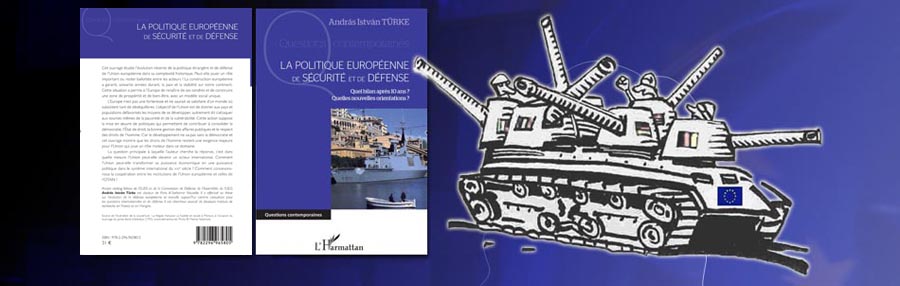
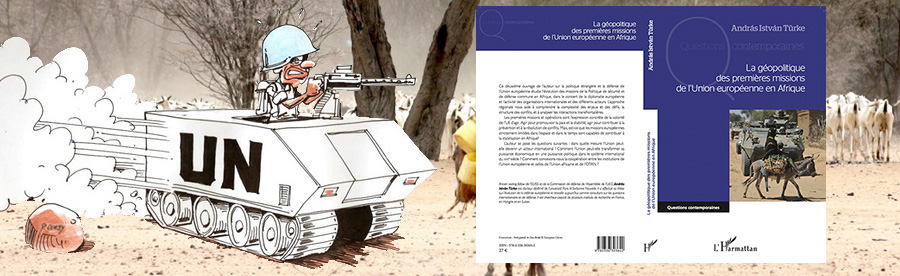
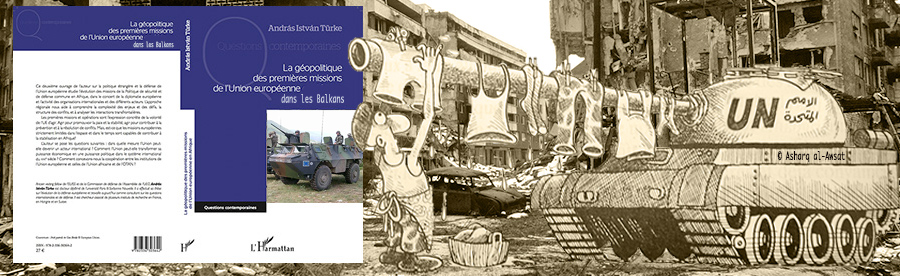
We are looking for sponsors for the English translation of these books, please contact turkeandras(at)gmail(dot)com