
You are here
Europäische Union
Erweiterung: Albanien und die EU schließen Verhandlungen über Wissenschaft und Forschung, Bildung und Kultur sowie Außenbeziehungen vorläufig ab
Auf der neunten Tagung der Beitrittskonferenz mit Albanien, die heute stattfand, wurden die Kapitel 25 (Wissenschaft und Forschung), 26 (Bildung und Kultur) und 30 (Außenbeziehungen) vorläufig abgeschlossen.
Categories: Afrique, Europäische Union
Erweiterung: EU und Moldau nehmen Verhandlungen über Außenbeziehungen auf
Auf der dritten Tagung der Beitrittskonferenz haben die EU und Moldau Verhandlungen über den EU-Besitzstand im Bereich der Außenbeziehungen aufgenommen.
Categories: Afrique, Europäische Union
Erweiterung: EU und Montenegro schließen Beitrittsverhandlungen über Wettbewerbspolitik und Zollunion ab
Auf der 28. Tagung der Beitrittskonferenz mit Montenegro wurden die Kapitel 8 (Wettbewerbspolitik ) und 29 (Zollunion ) vorläufig abgeschlossen.
Categories: Défense, Europäische Union
Erklärung der Hohen Vertreterin im Namen der EU zur Erklärung einiger Länder, sich den restriktiven Maßnahmen angesichts von Handlungen, die die territoriale Unversehrtheit, Souveränität und Unabhängigkeit der Ukraine untergraben oder bedrohen,...
Erklärung der Hohen Vertreterin im Namen der EU zur Erklärung einiger Drittländer, sich dem Beschluss (GASP) 2026/1364 des Rates über restriktive Maßnahmen angesichts von Handlungen, die die territoriale Unversehrtheit, Souveränität und Unabhängigkeit der Ukraine untergraben oder bedrohen, anzuschließen.
Categories: Europäische Union, Swiss News
EU-Mexico: Council gives final approval to modernised trade agreement
The Council authorised the formal conclusion of the EU-Mexico Interim Trade Agreement, following the European Parliament’s consent.
Categories: Europäische Union, Swiss News
Erweiterung: EU nimmt Beitrittsverhandlungen mit der Ukraine über Außenbeziehungen auf
Auf der dritten Tagung der Beitrittskonferenz haben die EU und die Ukraine Verhandlungen über den EU-Besitzstand im Bereich der Außenbeziehungen aufgenommen.
Categories: Europäische Union, Swiss News
Menschenrechtsverletzungen gegen ukrainische Kriegsgefangene: Rat setzt 15 Personen und eine Organisation auf die Sanktionsliste
Der Rat hat restriktive Maßnahmen gegen 15 russische Personen und sechs Organisationen verhängt, die für schwere Menschenrechtsverletzungen gegen ukrainische Kriegsgefangene und inhaftierte Zivilpersonen verantwortlich sind.
Categories: Europäische Union, Swiss News
Russische Cyberangriffe und destabilisierende Aktivitäten: Rat verhängt Sanktionen gegen neun Personen und vier Organisationen
Der Rat hat restriktive Maßnahmen gegen neun Personen und vier Organisationen verhängt, die Teil des russischen Cyber-Ökosystems sind und für die Durchführung, Ermöglichung und Erleichterung böswilliger Cyberaktivitäten gegen die EU, ihre Mitgliedstaaten und Partner verantwortlich sind.
Categories: Europäische Union, Swiss News
Europäische Friedensfazilität: Rat nimmt erstmals Unterstützungsmaßnahme für die maritime Sicherheit der Philippinen an
Der Rat hat im Rahmen der Europäischen Friedensfazilität (EFF) eine Unterstützungsmaßnahme im Umfang von 15 Mio. € angenommen, die den Streitkräften der Philippinen zugutekommen wird.
Categories: Europäische Union, Swiss News
Menschenrechtsverletzungen in Russland: Rat nimmt vier Personen und fünf Organisationen wegen missbräuchlicher Überwachung in die Liste auf
Der Rat hat restriktive Maßnahmen gegen vier russische Personen und fünf Organisationen verhängt, die für die Unterdrückung der Meinungsfreiheit und der Vereinigungsfreiheit sowie die Unterbindung des Zugangs zu Informationen in Russland verantwortlich sind.
Categories: Europäische Union, Swiss News
Gemeinsame Erklärung der Hohen Vertreterin im Namen der Europäischen Union und der Ukraine zu inhaftierten Zivilpersonen und den humanitären Folgen des Angriffskriegs Russlands
Die EU und die Ukraine haben eine gemeinsame Erklärung zu inhaftierten Zivilpersonen und den humanitären Folgen des Angriffskriegs Russlands abgegeben.
Categories: Europäische Union, Swiss News
Europäische Friedensfazilität: Rat nimmt Maßnahmen zur Unterstützung der Luftabwehrkapazitäten der Republik Moldau an
Der Rat hat eine Unterstützungsmaßnahme im Rahmen der EFF in Höhe von 120 Mio. € angenommen, die den moldauischen Streitkräften zukommen wird.
Categories: Europäische Union, Swiss News
Sudan: Rat verstärkt EU-Sanktionsregelung durch gezieltes Vorgehen gegen Goldhandel
Der Rat hat die restriktiven Maßnahmen gegen Sudan durch gezieltes Vorgehen gegen den Goldbergbau und die Goldgewinnung verstärkt, um die Finanzierung des Konflikts zu erschweren.
Categories: Europäische Union, Swiss News
Neuer EU-Sonderbeauftragter für das Kosovo* – Mandate für Bosnien und Herzegowina und das Horn von Afrika verlängert
Der Rat hat einen neuen EU-Sonderbeauftragten für das Kosovo* ernannt und die Mandate der derzeitigen EU-Sonderbeauftragten für Bosnien und Herzegowina und das Horn von Afrika verlängert.
Categories: Europäische Union, Swiss News
BERICHT über den Vorschlag für eine Verordnung des Europäischen Parlaments und des Rates zur Schaffung eines Rahmens für Maßnahmen zur Erleichterung des Transports von militärischer Ausrüstung, militärischen Gütern und militärischem Personal innerhalb...
BERICHT über den Vorschlag für eine Verordnung des Europäischen Parlaments und des Rates zur Schaffung eines Rahmens für Maßnahmen zur Erleichterung des Transports von militärischer Ausrüstung, militärischen Gütern und militärischem Personal innerhalb der Union
Ausschuss für Sicherheit und Verteidigung
Ausschuss für Verkehr und Tourismus
Michał Szczerba, Roberts Zīle
Quelle : © Europäische Union, 2026 - EP
Ausschuss für Sicherheit und Verteidigung
Ausschuss für Verkehr und Tourismus
Michał Szczerba, Roberts Zīle
Quelle : © Europäische Union, 2026 - EP
Categories: Afrique, Europäische Union
AMENDMENTS 1 - 277 - Draft report Towards an EU strategy to protect and strengthen the international justice system and its institutions, mechanisms and partners - PE790.940v01-00
AMENDMENTS 1 - 277 - Draft report Towards an EU strategy to protect and strengthen the international justice system and its institutions, mechanisms and partners
Committee on Foreign Affairs
Mounir Satouri
Source : © European Union, 2026 - EP
Committee on Foreign Affairs
Mounir Satouri
Source : © European Union, 2026 - EP
Categories: Europäische Union, European Union
Press release - EU defence innovation: deal with Council on new AGILE programme
The draft law aims to respond to the new security environment shaped by Russia's war of aggression against Ukraine, where fast and low-cost defence innovation cycles are critical.
Committee on Industry, Research and Energy
Committee on Security and Defence
Source : © European Union, 2026 - EP
Committee on Industry, Research and Energy
Committee on Security and Defence
Source : © European Union, 2026 - EP
Categories: Afrique, Europäische Union
Press release - EU defence innovation: deal with Council on new AGILE programme
The draft law aims to respond to the new security environment shaped by Russia's war of aggression against Ukraine, where fast and low-cost defence innovation cycles are critical.
Committee on Industry, Research and Energy
Committee on Security and Defence
Source : © European Union, 2026 - EP
Committee on Industry, Research and Energy
Committee on Security and Defence
Source : © European Union, 2026 - EP
Categories: Europäische Union, Swiss News
Video einer Ausschusssitzung - Mittwoch, 15. Juli 2026 - 12:30 - Ausschuss für Sicherheit und Verteidigung
Dauer des Videos : 180'
Haftungsausschluss : Die Verdolmetschung der Debatten soll die Kommunikation erleichtern, sie stellt jedoch keine authentische Aufzeichnung der Debatten dar. Authentisch sind nur die Originalfassungen der Reden bzw. ihre überprüften schriftlichen Übersetzungen.
Quelle : © Europäische Union, 2026 - EP
Haftungsausschluss : Die Verdolmetschung der Debatten soll die Kommunikation erleichtern, sie stellt jedoch keine authentische Aufzeichnung der Debatten dar. Authentisch sind nur die Originalfassungen der Reden bzw. ihre überprüften schriftlichen Übersetzungen.
Quelle : © Europäische Union, 2026 - EP
Categories: Europäische Union, Swiss News
Workshops - AI-enabled military systems: human rights risks, accountability and policy options - 15-07-2026 - Subcommittee on Human Rights - Committee on Security and Defence
The DROI Subcommittee held a workshop on Human control and AI-enabled military systems: human rights risks, accountability and policy options for the European Union. The discussion examined the human rights implications of the growing use of artificial intelligence in military systems, focusing on meaningful human control, accountability, transparency and possible policy responses at EU level.
Draft programme
Live streaming
Poster
Photos
Source : © European Union, 2026 - EP
Artificial intelligence is increasingly being integrated into military systems, including intelligence, surveillance, command and control, decision-support and targeting functions. These developments raise important questions about human oversight, accountability and the protection of fundamental rights, particularly where AI-enabled systems influence decisions with potentially significant human rights consequences.
The workshop presented the findings of a study commissioned by the DROI Subcommittee and discussed the challenges posed by AI-enabled military systems, including algorithmic opacity, automation bias and the allocation of responsibility across public authorities and private actors. It also explored possible policy options for the European Union and the role of the European Parliament in promoting meaningful human control, democratic oversight and respect for fundamental rights in this rapidly evolving field.
Draft programme
Live streaming
Poster
Photos
Source : © European Union, 2026 - EP
Categories: Europäische Union, Swiss News
Pages
the old site is here


© 2012-2015 Europa Varietas Foundation © 2015-2020 Europa Varietas Association
www.europavarietas.org | info(@)europavarietas(dot)org | Switzerland
This is a GDPR ready site
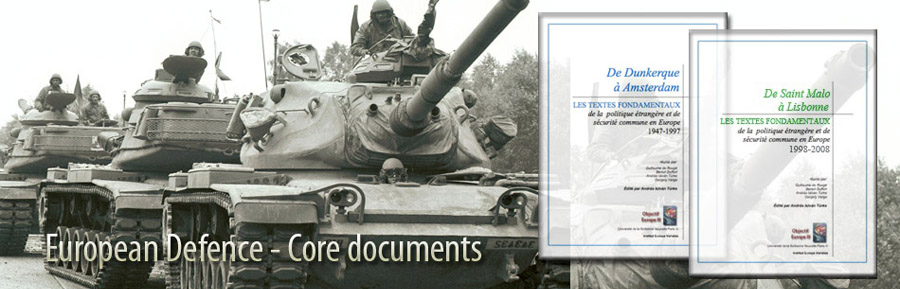
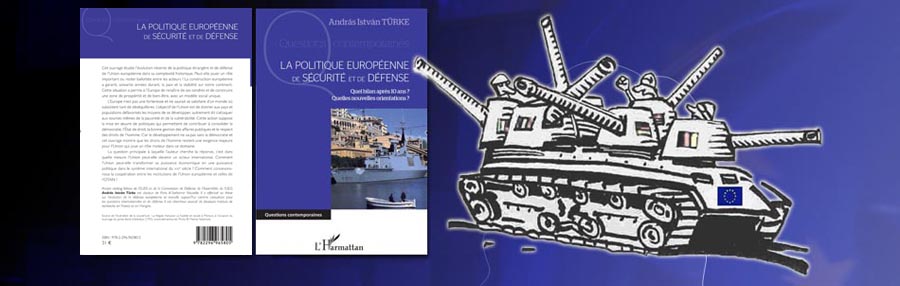
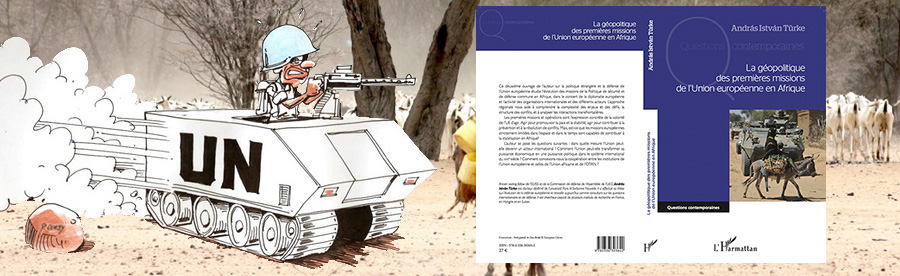
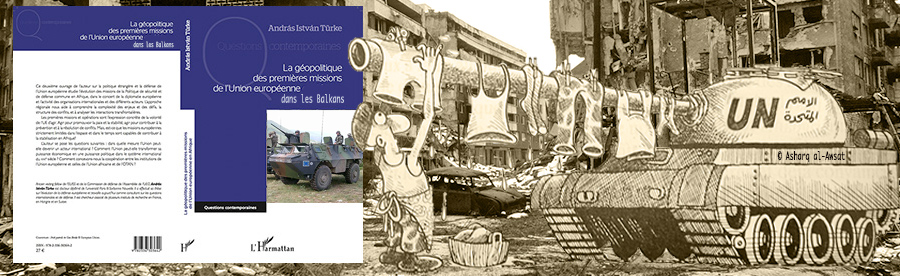
We are looking for sponsors for the English translation of these books, please contact turkeandras(at)gmail(dot)com