
You are here
Afrique
Les numéros gagnants du DIGITAL 00 H
DIGITAL 00H : Avez-vous tenté votre chance ?
Le tirage DIGITAL 00H N°225 a livré son verdict !
Jeudi 1er Octobre 2026
Avez-vous joué ?
Avez-vous misé sur vos numéros porte-bonheur ?
RÉSULTAT : 05 • 08 • 30 • 15 • 65
Félicitations aux heureux gagnants !
Pas encore cette fois ? Gardez le sourire.
Rendez-vous à 08H pour le prochain tirage.
Jouez dans les points de vente ou : Tapez *590# ou rendez-vous sur lnbloto.bj
Jouez avec modération et responsabilité. Le jeu doit rester un plaisir.
A TOI DE JOUER #XòGbɔnAlɔkpaVo
#LNBSA #JeuResponsable #LaChanceAvecModération
Press release - COP31: Environment MEPs set out priorities ahead of Antalya climate summit
Preparing for the COP31 in Antalya, the Environment Committee is calling for a faster fossil fuel phase-out, more climate finance and stronger support for vulnerable countries.
Committee on the Environment, Public Health and Food Safety
Source : © European Union, 2026 - EP
Committee on the Environment, Public Health and Food Safety
Source : © European Union, 2026 - EP
Categories: Afrique, Europäische Union
Press release - COP31: Environment MEPs set out priorities ahead of Antalya climate summit
Preparing for the COP31 in Antalya, the Environment Committee is calling for a faster fossil fuel phase-out, more climate finance and stronger support for vulnerable countries.
Committee on the Environment, Public Health and Food Safety
Source : © European Union, 2026 - EP
Committee on the Environment, Public Health and Food Safety
Source : © European Union, 2026 - EP
Categories: Afrique, European Union
Africa's richest man launches Kenya oil refinery despite land protests
The Kenya refinery is part of Dangote's ambitious bid to expand and help industralise Africa by 2030.
Démarrage des épreuves écrites de l'examen national de Licence
La session 2026 de l'examen national de Licence a démarré ce mercredi 30 septembre 2026 au CEG Sainte Rita. Les épreuves ont été officiellement lancées par Sylvie De Chacus, directrice de cabinet de la ministre de l'Enseignement supérieur et de la Recherche scientifique.
Les candidats à l'examen national de Licence planchent depuis ce mercredi 30 septembre 2026. La directrice de cabinet du ministre de l'enseignement supérieur et de la recherche a lancé les épreuves au CEG Sainte Rita de Cotonou. Les candidats, au nombre de 284 provenant de plusieurs établissements privés d'enseignement supérieur, composent dans les filières telles que l'agronomie, le journalisme et les techniques audiovisuelles. Selon Flore Lawani, directrice du CEG Sainte Rita et cheffe du centre d'examen, la majorité des candidats était présente dès 6 h 30 et aucun incident n'a été signalé.
Le ministère a assuré avoir pris les dispositions nécessaires pour garantir le bon déroulement des épreuves. Les établissements privés participent également à l'organisation de ces examens, en collaboration avec les autorités ministérielles.
Pour certaines filières, les épreuves pratiques avaient débuté en avril 2026. La journée du 30 septembre est consacrée aux épreuves écrites.
F. A. A.
Deux gérants de bars meurent et plongent Ounet dans le deuil
A Ounet, une localité de la commune de Banikoara, dans le département de l'Alibori, deux gérants de bars ont perdu la vie ce mercredi 30 septembre 2026.
Ounet dans le deuil et la consternation. Deux gérants de bars exerçant dans cette localité de la commune de Banikoara ont perdu la vie ce mercredi 30 septembre 2026.
Le premier, selon les déclarations du chef de l'arrondissement (CA) de Ounet, est un homme. Son corps a été retrouvé pendu dans le bar par ses serveuses très tôt le matin, alors que la veille, il avait fini de faire le point de la journée avant de les libérer. Les raisons l'ayant poussé à mettre fin à ses jours restent à déterminer.
Selon le CA, après examen et les constations, rien de suspect n'a été découvert sur les lieux de la découverte macabre. Le gérant retrouvé mort serait originaire de Dassari, dans la commune de Matéri. Quelques instants après cette première découverte macabre, le CA dit avoir été alerté par la mort d'une autre gérante de bar. Originaire de Kobly, dans l'Atacora, elle serait morte des suites d'une courte maladie.
Après l'autopsie réalisée par le médecin légiste et sur instruction du Procureur de la République, les corps ont été remis à l'association des ressortissants de l'Atacora. Une enquête aurait été ouverte pour faire la lumière sur les circonstances exactes de la mort de ces deux gérants.
F. A. A.
Categories: Afrique, Balkan News
Dangote: 'Nobody can make Africa great but us'
Africa's richest man says Africans should take the fate of their continent in their own hands, rather than relying on foreigners.
Visa France refusé à Annaba : le tribunal de Nantes annule la décision
Le tribunal administratif de Nantes a annulé un refus de visa opposé à un Algérien pour « menace à l’ordre public ». L’administration n’avait apporté […]
L’article Visa France refusé à Annaba : le tribunal de Nantes annule la décision est apparu en premier sur .
Categories: Afrique
Consulats d’Algérie en France : dates et lieux des permanences d’octobre 2026
Les consulats d’Algérie en France multiplient les permanences mobiles en octobre, de Quimper à Avignon. Elles permettent de déposer une demande de passeport ou de […]
L’article Consulats d’Algérie en France : dates et lieux des permanences d’octobre 2026 est apparu en premier sur .
Categories: Afrique
Allocation chômage 18 000 DA : les règles à respecter pour la garder
L’allocation chômage de 18 000 DA par mois obéit à de nouvelles règles depuis le début de l’année. Le décret exécutif n° 26-87 fixe sa […]
L’article Allocation chômage 18 000 DA : les règles à respecter pour la garder est apparu en premier sur .
Categories: Afrique
Télécommunications : ALGER en tête du classement africain de l’indice « Gigacity 2026 »
La capitale algérienne, Alger, décroche la première place à l’échelle africaine et la 34ᵉ position au niveau mondial dans l’indice « Gigacity Index 2026 », […]
L’article Télécommunications : ALGER en tête du classement africain de l’indice « Gigacity 2026 » est apparu en premier sur .
Categories: Afrique
Vols France-Algérie : des billets dès 49 € pour l’hiver 2026-2027
La saison aérienne d’hiver s’ouvre le 25 octobre sur les lignes entre la France et l’Algérie. Ventes ouvertes chez ASL Airlines, nouvel avion chez Transavia, […]
L’article Vols France-Algérie : des billets dès 49 € pour l’hiver 2026-2027 est apparu en premier sur .
Categories: Afrique, Swiss News
Les résultats du Tiercé/Quarté/Quinté+ de ce mercredi
La Loterie Nationale du Bénin vous donne les résultats du TIERCE / QUARTE/ QUINTE+ DU MERCREDI 30 SEPTEMBRE 2026
Arrivée de la course : 05-09-07-14-15
Tous Partants
TIERCE
Gain dans l'Ordre : 23.200 FCFA (16)
Gain dans le Désordre : 1.700 FCFA (210)
QUARTE
Gain dans l'Ordre : 289.900 FCFA (01)
Gain dans le Désordre : 3.900 FCFA (73)
QUINTE+
Gain dans l'Ordre : 431.550 FCFA (01)
Gain dans le Désordre : 8.100 FCFA (53)
Bonus : 900 FCFA (301)
PARI SIMPLE / PARI COUPLE
05 Gagnant : 4.000 FCFA (01)
05 Placé : NEANT (00)
09 Placé : NEANT (00)
07 Placé : 1.000 FCFA (01)
05-09 Gagnant : 13.500 FCFA (02)
05-09 Placé : 4.750 FCFA (10)
05-07 Placé : 500 FCFA (64)
09-07 Placé : 2.500 FCFA (19)
MASSE PARTAGÉE : 2.593.550 FCFA
MONTANT DU JACKPOT DU VENDREDI 02 OCTOBRE 2026 : 6.292.042 FCFA
MONTANT DE LA TIRELIRE DU MARDI 27 OCTOBRE 2026 : NEANT
CAGNOTTE « 4+1 » ORDRE DU SAMEDI 03 OCTOBRE 2026 : 1.166.502 FCFA
https://www.facebook.com/100069272119664/posts/1404248011894256/
Categories: Afrique, Balkan News
DIGITAL 20H : le verdict !
DIGITAL 20H : Avez-vous tenté votre chance ?
Le tirage DIGITAL 20H N°224 a livré son verdict !
Mercredi 30 Septembre 2026
Avez-vous joué ?
Avez-vous misé sur vos numéros porte-bonheur ?
RÉSULTAT : 38 • 87 • 34 • 29 • 46
Félicitations aux heureux gagnants !
Pas encore cette fois ? Gardez le sourire.
Rendez-vous à 00H pour le prochain tirage.
Jouez dans les points de vente ou : Tapez *590# ou rendez-vous sur lnbloto.bj
Jouez avec modération et responsabilité. Le jeu doit rester un plaisir.
A TOI DE JOUER #XòGbɔnAlɔkpaVo
#LNBSA #JeuResponsable #LaChanceAvecModération
Categories: Afrique, Balkan News
Loto Fortune : les résultats du tirage 18 H
LES RÉSULTATS LOTO STAR S SONT LÀ !
TIRAGE N°117/26
Mercredi 30 septembre 2026 (18H)
78 • 02 • 36 • 05 • 09
Félicitations aux heureux gagnants !
Pas encore gagné ? Gardez le sourire !
Rendez-vous au prochain tirage de 20H pour une nouvelle chance.
Jouez dans les centres de jeux ou en ligne : Tapez 590# ou lnbloto.bj
Jouez avec modération et responsabilité. Le jeu doit rester un plaisir.
A TOI DE JOUER #a
#LaChanceAvecModération
Categories: Afrique, Europäische Union
Banque d’Algérie : 6 obligations qui changent tout pour les clients dès le 1er octobre
Les banques avaient jusqu’au 30 septembre pour appliquer six exigences fixées par la Banque d’Algérie. Objectif : faciliter l’accès des ménages aux comptes, aux cartes, […]
L’article Banque d’Algérie : 6 obligations qui changent tout pour les clients dès le 1er octobre est apparu en premier sur .
Categories: Afrique, Swiss News
Algérie : la référence DED exigée à l’export dès le 4 octobre
La référence DED devient obligatoire pour les exportations depuis l’Algérie à partir du 4 octobre 2026. L’armateur Maersk Algérie a informé ses clients de cette […]
L’article Algérie : la référence DED exigée à l’export dès le 4 octobre est apparu en premier sur .
Categories: Afrique, Swiss News
Recrutement des enseignants : les candidats des listes d’attente convoqués
Les classes ne peuvent pas rester sans professeur. Partant de ce constat, plusieurs directions de l’Éducation ont lancé la convocation des candidats figurant sur les […]
L’article Recrutement des enseignants : les candidats des listes d’attente convoqués est apparu en premier sur .
Categories: Afrique, Swiss News
Concours du Coran de la Grande Mosquée de Paris : l’Algérie, pays le plus représenté en demi-finale
La Grande Mosquée de Paris a retenu 32 candidats de 22 pays pour les demi-finales de son concours du Coran. Avec cinq qualifiés, l’Algérie est […]
L’article Concours du Coran de la Grande Mosquée de Paris : l’Algérie, pays le plus représenté en demi-finale est apparu en premier sur .
Categories: Afrique, Swiss News
PLF 2027 en Algérie : les grands axes dévoilés par le gouvernement
Le projet de loi de finances pour l’année 2027 est désormais sur la table de l’exécutif. Réuni ce mercredi 30 septembre 2026 sous la conduite […]
L’article PLF 2027 en Algérie : les grands axes dévoilés par le gouvernement est apparu en premier sur .
Categories: Afrique, Swiss News
Pages
the old site is here


© 2012-2015 Europa Varietas Foundation © 2015-2020 Europa Varietas Association
www.europavarietas.org | info(@)europavarietas(dot)org | Switzerland
This is a GDPR ready site
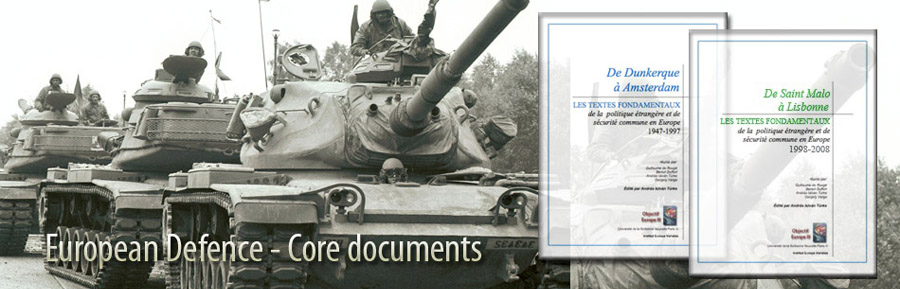

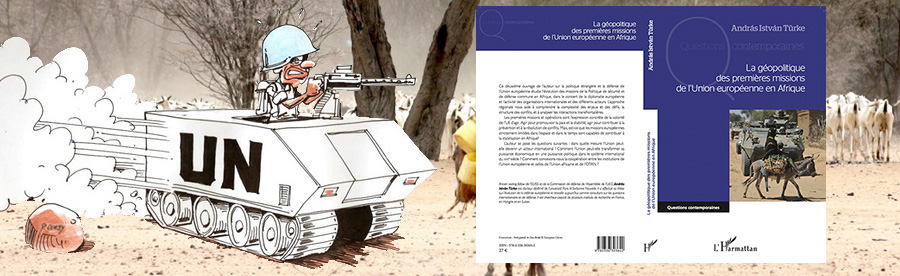
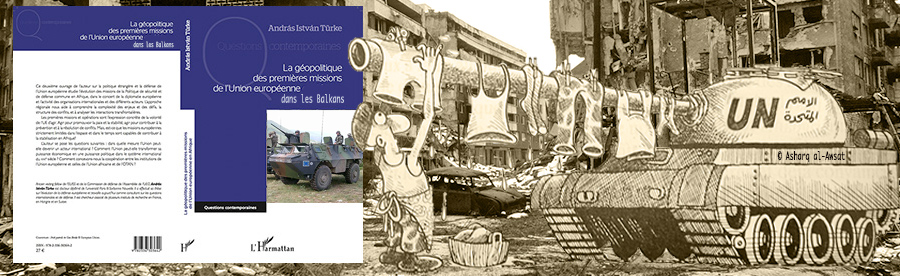
We are looking for sponsors for the English translation of these books, please contact turkeandras(at)gmail(dot)com