
You are here
Feed aggregator
Das sind die 200 besten Restaurants der Schweiz
Die grosse Übersicht: Alle Chefs mit 19, 18, 17 und 16 GaultMillau-Punkten auf einen Blick.
Categories: Afrique, Swiss News
Trois présumés voleurs interpellés avec 7 cabris aux museaux attachés
Trois présumés voleurs de cabris ont été interpellés, dans la nuit du mardi 6 au mercredi 7 octobre 2026, par le commissariat de Toui, dans la commune de Ouèssè.
Des présumés voleurs dans les mailles de la Police à Toui (Ouèssè). L'intervention ayant conduit à leur interpellation fait suite à une alerte reçue vers 3 heures du matin. Informés de la présence suspecte d'un véhicule transportant plusieurs animaux, les policiers se sont rendus sur les lieux et sont parvenus à intercepter les trois individus.
À bord d'un véhicule de marque Toyota, les suspects transportaient sept cabris dont les museaux avaient été « solidement » attachés. Selon les premiers éléments recueillis par la police, cette méthode aurait pour objectif d'empêcher les animaux de bêler et, ainsi, d'éviter d'attirer l'attention des riverains.
Le comportement des convoyeurs a toutefois éveillé les soupçons. Alors que les riverains commençaient à s'intéresser à leur présence, les trois individus ont tenté de prendre la fuite. Mais ils ont été rattrapés et interpellés par les forces de l'ordre.
Au cours des premières auditions, les mis en cause ont reconnu être impliqués dans des faits de vol de cabris. Ils auraient également expliqué que l'attachement des museaux permettait de réduire les bruits susceptibles d'alerter le voisinage.
Les trois suspects ont été placés en garde à vue. Des vérifications complémentaires sont en cours afin de déterminer l'origine des sept cabris et d'établir les responsabilités dans le cadre de la procédure judiciaire.
F. A. A.
Categories: Afrique, European Union
La 4e édition du FIC ouvre le débat sur des territoires africains plus sobres
Le ministre du Cadre de Vie et des Transports, chargé du Développement Durable, Georges Alé, a procédé, jeudi 8 octobre 2026, à l'ouverture officielle de la 4e édition du Forum international du Cadre de Vie (FIC), au Dôme du Sofitel de Cotonou. L'événement réunit décideurs publics, investisseurs, entreprises et experts autour de solutions concrètes pour des villes plus sobres et plus résilientes.
« Économie des territoires africains : accélérer la transition vers la sobriété carbone », c'est le thème de cette 4e édition du Forum international du Cadre de Vie qui se tient du 8 au 10 octobre à Cotonou. Le rendez-vous se veut un cadre d'échanges, de réflexion et de propositions sur les enjeux liés à l'urbanisation, au logement et à l'aménagement du territoire.
« Le cadre de vie n'est pas un sujet abstrait. Il se mesure chaque jour dans la qualité de l'habitat, la sécurité des bâtiments, le fonctionnement des espaces publics, la mobilité et notre capacité à faire face aux aléas climatiques », a déclaré le président du Comité d'organisation, Victor Kouassi Ananouh. Il a également fait le point sur les recommandations issues du FIC 2025. Sur les 25 recommandations retenues, 12 ont déjà été exécutées, tandis que les autres sont en cours d'exécution.
Cette édition s'accompagne de plusieurs innovations, dont, entre autres, le lancement du FIC Investor Circle, destiné à réunir investisseurs institutionnels, fonds d'investissement, banques commerciales et investisseurs privés.
Pour Ismaïl Yasso, directeur général de la Construction et de l'Habitat, l'enjeu dépasse désormais la seule augmentation du nombre de constructions. « Pour nous, la question n'est plus seulement comment construire davantage, mais elle devient : comment construire mieux dès aujourd'hui ? », a-t-il déclaré. Cette ambition passe, selon lui, par trois évolutions : concevoir des bâtiments adaptés au climat, prendre en compte le coût réel des constructions sur leur durée de vie et rendre les exigences de durabilité mesurables.
« La transition vers une construction plus durable ne se décrète pas. Elle s'organise, elle se mesure, elle se contrôle », a insisté Ismaïl Yasso.
Dans son discours officiel, le ministre du Cadre de Vie et des Transports, chargé du Développement Durable, Georges Alé, a souligné que l'action en faveur du cadre de vie s'inscrit dans une ambition plus large d'amélioration des conditions de vie des populations. « Le président de la République place l'amélioration durable des conditions de vie des populations au cœur de l'action », a-t-il affirmé. Cette ambition se traduit, selon lui, par« la poursuite du développement des infrastructures, la modernisation de la mobilité, l'accès au logement, la rénovation des quartiers vulnérables, la protection du domaine public et la promotion de l'économie circulaire ».
Dans le domaine des transports et des infrastructures, le ministre estime nécessaire de « passer d'une logique d'infrastructure isolée à une approche systémique où le logement, la voirie, l'assainissement, les transports et les technologies de l'information et de la communication, ainsi que l'énergie, sont conçus comme des composants d'un même ensemble ».

Georges Alé a également évoqué la politique de développement des pôles territoriaux. « Qu'il s'agisse d'une route, d'une plateforme logistique, d'un ouvrage d'assainissement ou d'un service de transport, chaque réalisation doit répondre à une activité productive et à des besoins identifiés localement », a-t-il indiqué.
« Nous prenons l'engagement, informe-t-il, de travailler pour ce faire avec des acteurs territoriaux afin d'ordonner les projets et de mesurer ce qui change concrètement dans le quotidien de nos populations », a-t-il ajouté.
Des échanges autour des solutions durablesLa cérémonie d'ouverture a été marquée par un entretien avec l'architecte burkinabè Francis Kéré, autour du thème « Habiter l'Afrique autrement : construire avec le climat, les ressources et les communautés ». Son intervention s'inscrit dans les réflexions sur une architecture adaptée aux réalités africaines.
Un panel ministériel consacré à la transformation des villes africaines a réuni Nounagnon Aristide Djidjoho, secrétaire général de la Présidence de la République, Janvier Yahouédéou, ministre de la Décentralisation et de la Gouvernance locale, Olushegun Adjadi Bakari, ministre du Tourisme et du Commerce extérieur, chargé de l'Industrie et de la Promotion de l'investissement privé, ainsi que Georges Alé.
L'EXPO-FIC, consacrée aux innovations durables, a été inaugurée à l'occasion de cette 4e édition. Le programme prévoit des conférences de haut niveau, des panels, des master classes, des ateliers et un hackathon.
Akpédjé Ayosso
Categories: Afrique, European Union
Un apprenant poursuivi pour avoir publié des photos modifiées par IA de son enseignante
Un jeune homme d'une vingtaine d'années a comparu, ce jeudi 8 octobre 2026, devant la Cour de répression des infractions économiques et du terrorisme (CRIET). Apprenant dans un centre de formation professionnelle, il est poursuivi pour des faits présumés de harcèlement par le biais d'une communication électronique et d'escroquerie via internet.
Un apprenant publie les photos de son enseignante et se retrouve devant la justice. Son procès a lieu ce jeudi 8 octobre 2026, à la CRIET.
Selon les déclarations à la barre, le prévenu a pris en photo son enseignante et modifié les images à l'aide de l'intelligence artificielle, avant de les publier sur les réseaux sociaux.
Alertée par des proches, l'enseignante a saisi les autorités et porté plainte contre l'apprenant indélicat. L'enquête a permis de constater que le prévenu menait également des activités d'escroquerie en ligne. Des faits qu'il a contestés.
Au cours de l'audience, le substitut du procureur a indiqué que l'enseignante avait finalement retiré sa plainte quelques jours après les faits. Le parquet a néanmoins poursuivi son action concernant les autres faits reprochés au prévenu.
Dans ses réquisitions, le ministère public a demandé à la Cour de tenir compte du statut d'apprenant du jeune homme. Il a toutefois requis sa condamnation pour les faits présumés d'escroquerie via internet à une peine de 36 mois de prison, soit trois ans, assortie d'une amende de deux millions de francs CFA.
Le parquet a par ailleurs demandé à la juridiction de ne pas tenir compte des poursuites concernant le harcèlement par le biais d'un système électronique.
Le dossier est mis en délibéré.
F. A. A.
Categories: Afrique, European Union
Trump verkündet – kein Angriff auf Iran vor Midterms
US-Präsident Donald Trump spricht von «konstruktiven Gesprächen» mit Teheran. Vor den Midterms soll es keinen Angriff auf den Iran geben, verkündet Trump weiter.
Categories: Diplomacy & Defense Think Tank News, Swiss News
La combinaison gagnante de la Double Chance
LES RÉSULTATS DOUBLE CHANCE SONT LÀ !
LOTO FORTUNE Tirage N°161/26
Jeudi 08 Octobre 2026 (14H)
– Zone A (5 premiers numéros) :
73 • 85 •.57 • 59 • 16
– Zone B (5 derniers numéros) :
67 • 18 • 53 • 72 • 64
Félicitations aux heureux gagnants.
Pas encore cette fois ? Gardez le sourire !
Rendez-vous à 18H pour le prochain tirage.
Jouez avec modération et responsabilité. Le jeu doit rester un plaisir.
A TOI DE JOUER #Akaxòa
#LNBSA #XòGbɔnAlɔkpaVo #JeuResponsable #LaChanceAvecModération
Categories: Afrique, European Union
Mach den Servette-Coach und zeig deine Startelf gegen Sion
Jetzt bist du der Boss an der Seitenlinie! Stell deine Servette-Startelf auf. Einloggen und direkt ab an die Taktiktafel.
Categories: Diplomacy & Defense Think Tank News, Swiss News
Cocaïne cachée dans un réservoir : la perpétuité pour 3 membres d’un réseau international
La réclusion criminelle à perpétuité a été prononcée, ce mardi, par le tribunal criminel de première instance de Dar El Beïda. Trois hommes présents dans […]
L’article Cocaïne cachée dans un réservoir : la perpétuité pour 3 membres d’un réseau international est apparu en premier sur .
Categories: Afrique, Swiss News
Zambia signs US health deal after disputes over data-sharing
The US will provide $1.5bn (£1.1bn) under the deal that was negotiated after Trump cut USAID funding.
Zambia signs US health deal after disputes over data-sharing
The US will provide $1.5bn (£1.1bn) under the deal that was negotiated after Trump cut USAID funding.
Categories: Africa, Swiss News
Grosseinsatz in Bayern – mindestens ein Toter
Im bayerischen Berngau fielen am Donnerstag mehrere Schüsse. Eine Person wurde getötet, eine weitere schwer verletzt. Die Polizei hat ein Wohnhaus umstellt.
Categories: European Union, Swiss News
Les pics de glycémie ne sont pas forcément mauvais pour vous
On a tendance à s'inquiéter des pics de glycémie, mais ceux-ci peuvent constituer une réaction normale après un repas. Voici dans quels cas vous n'avez pas à vous inquiéter.
Categories: Afrique, Defense`s Feeds
Les pics de glycémie ne sont pas forcément mauvais pour vous
On a tendance à s'inquiéter des pics de glycémie, mais ceux-ci peuvent constituer une réaction normale après un repas. Voici dans quels cas vous n'avez pas à vous inquiéter.
Categories: Afrique, Határon túli magyar portálok összesített hírei
«Ich lebe, als ob es mein letztes Jahr in Bern wäre»
Tristan Scherwey muss in seiner 18. Saison beim SCB damit umgehen, dass er nicht immer erste Wahl ist. Eine neue und herausfordernde Situation.
Categories: European Union, Swiss News
Thailand will Touristen bei der Ausreise neu Geld abknöpfen
Thailand plant eine neue Ausreisesteuer von 25 Franken für Flugreisende. Die Abgabe soll ab 2027 direkt beim Ticketkauf erhoben werden. Auch Einheimische und im Land lebende Ausländer wären betroffen. Widerstand ist da vorprogrammiert.
Categories: European Union, Swiss News
«Eine Kampfansage an alle, die auf ein Auto angewiesen sind!»
Für eine neue Velovorzugsroute in Zürich sollen 153 Parkplätze verschwinden. Das sorgt in der Community für kontroverse Reaktionen: Viele Leser sehen darin eine weitere Einschränkung für Autofahrer und fürchten negative Folgen.
Categories: Európai Unió : hírek magyarul, Swiss News
Duschwasser fürs WC? Dieser Leser fordert ein Umdenken
Im neuen Format «Community Voice» kommen unsere Leser zu Wort. Hansruedi Stauffer stellt eine unbequeme Frage: Was, wenn das Wasser in der Schweiz eines Tages zu knapp wird? Angesichts schmelzender Gletscher fordert er einen radikaleren Umgang mit der Ressource – und schlägt vor, Dusch- und Badewasser mehrfach zu nutzen.
Categories: Swiss News, Union européenne
Die speziellsten Fussballstadien der Welt
Nebst modernen Mega-Arenen existieren Spielstätten, die die Grenzen der Architektur und der Geografie beinahe sprengen. Das sind einige der speziellsten Fussballstadien der Welt.
Categories: Swiss News, Union européenne
Töfffahrer (†33) stirbt bei Verkehrsunfall in Aigle VD
Am Mittwoch verlor ein Töfffahrer auf der Route des Ormonts, die Aigle mit Le Sépey verbindet, die Kontrolle über sein Fahrzeug. Er verunfallte und wurde schwer verletzt. Im Spital erlag er seinen Verletzungen.
Categories: Swiss News, Union européenne
Hôpitaux modernes en Algérie : l’État prépare le lancement de grands complexes de santé
Sous la présidence du Premier ministre, Sifi Ghrieb, le gouvernement s’est réuni aujourd’hui pour examiner plusieurs dossiers stratégiques. Au cœur des discussions figurent la modernisation […]
L’article Hôpitaux modernes en Algérie : l’État prépare le lancement de grands complexes de santé est apparu en premier sur .
Categories: Afrique, Swiss News
Pages
the old site is here


© 2012-2015 Europa Varietas Foundation © 2015-2020 Europa Varietas Association
www.europavarietas.org | info(@)europavarietas(dot)org | Switzerland
This is a GDPR ready site
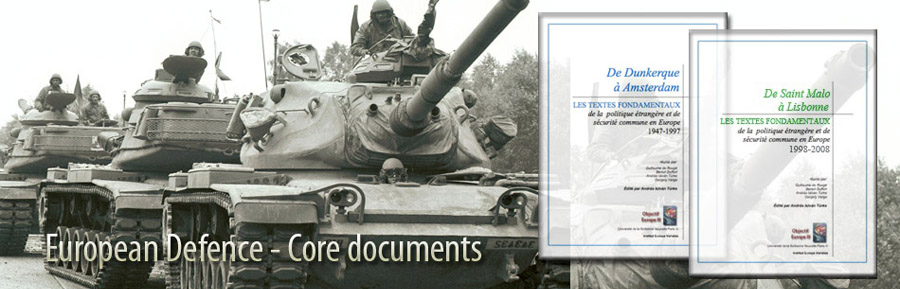

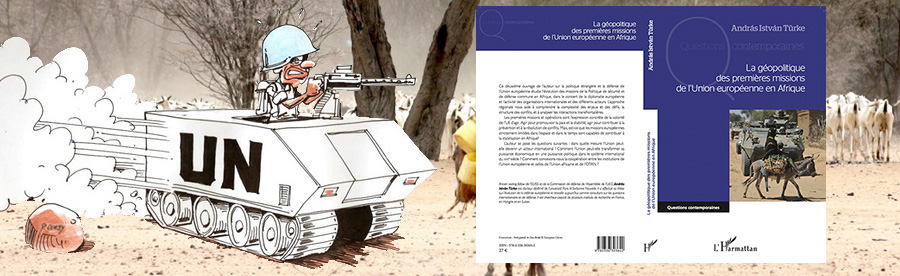
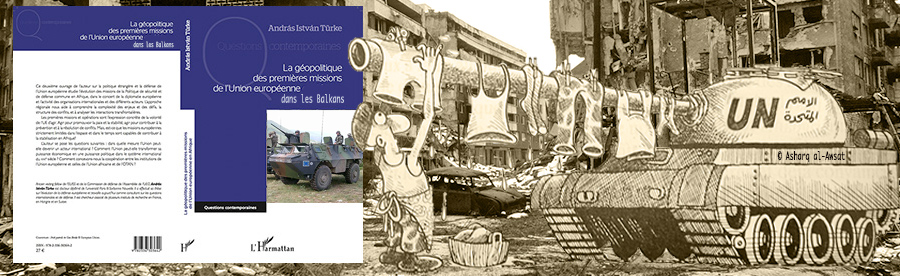
We are looking for sponsors for the English translation of these books, please contact turkeandras(at)gmail(dot)com