
You are here
Feed aggregator
Folgen der stockenden Verhandlungen zum globalen Anpassungsziel für Entwicklungsländer
Bonn, 6. Juli 2026. Gemeinschaften in besonders stark vom Klimawandel betroffenen Ländern passen sich an dessen Auswirkungen an, doch die nötigen Ressourcen bleiben aus.
Die alljährlichen Zwischenverhandlungen der UN-Klimarahmenkonvention im Juni (SB64) erreichten bei mehreren zentralen Agendapunkten, darunter dem Globalen Anpassungsziel (Global Goal on Adaptation, GGA), nur begrenzte Fortschritte. Das GGA ist eine Verpflichtung aller Unterzeichnerländer des Pariser Abkommens. Es soll die Anpassungsbemühungen koordinieren, Rechenschaftspflichten stärken und Finanzmittel für vulnerable Länder mobilisieren. Obwohl die Staaten den Umsetzungsrahmen finalisieren sollten, bleiben langjährige politische Streitfragen ungelöst. Entwicklungsländer kritisierten die Industrieländer, weil die schriftliche Einigung auf mindestens eine Verdreifachung der Anpassungsfinanzierung ausblieb, wie sie im „Mutirão“ der COP30 verankert ist. Ohne diese Einigung zur Finanzierung stocken die Verhandlungen.
Die festgefahrene Situation reicht über die Verhandlungsräume in Bonn hinaus. Für klimavulnerable Länder wächst mit der Lücke der Anpassungsfinanzierung die Kluft zwischen Klimaverpflichtungen und ihrer Umsetzung. Oft reichen nationale Anpassungsbudgets nicht aus und konkurrieren mit anderen dringlichen Entwicklungsprioritäten. Dadurch sind Millionen Menschen weiterhin Klimarisiken ausgesetzt, während hart erkämpfte Entwicklungserfolge gefährdet werden. Zwar wenden viele Entwicklungsländer bereits erhebliche öffentliche Mittel zur Bewältigung der Klimafolgen auf, doch bleiben diese Investitionen deutlich hinter dem notwendigen Umfang zurück und engen zugleich den finanzpolitischen Spielraum für andere Entwicklungsziele weiter ein.
Die jüngsten Mittelzuweisungen im Staatshaushalt Bangladeschs, einem der weltweit am stärksten vom Klimawandel bedrohten Länder, zeigen die Folgen des stockenden Fortschritts beim GGA auf nationaler Ebene. Laut dem nationalen Anpassungsplan von 2023 werden bis 2050 jährlich rund 8,5 Mrd. USD benötigt, um die Herausforderungen der Anpassung zu bewältigen. Der Staatshaushalt für 2026–2027 sieht jedoch nur rund 3,19 Milliarden USD für Klimaanpassung vor. Die auf 25 Ministerien verteilten Mittel fließen in Programme zur Katastrophenvorsorge, klimaresilienten Landwirtschaft, Ernährungssicherheit und für soziale Sicherung. Der Betrag mag hoch erscheinen, deckt aber weniger als die Hälfte des geschätzten jährlichen Anpassungsbedarfs und zeigt deutlich, dass inländische Ressourcen allein nicht ausreichen, um die Anpassungsziele zu erreichen.
Die Mittelzuweisung für Anpassungsmaßnahmen, die rund 4,15 % des Staatshaushalts ausmacht, stellt zwar eine Steigerung gegenüber den Vorjahren dar, verdeutlicht jedoch zugleich die haushaltspolitischen Zielkonflikte. Die öffentlichen Investitionen in den Klimaschutz bleiben begrenzt: Im Haushalt 2026–27 sind lediglich 814 Mio. USD für erneuerbare Energien, Energieeffizienz, emissionsarmen Transport und Aufforstung vorgesehen. Das liegt deutlich unter den geschätzten 1,78 Mrd. USD, die jährlich erforderlich sind, um Bangladeschs Ziele für erneuerbare Energien bis 2030 zu erreichen – darunter 553 Mio. USD an öffentlichen Investitionen –, während die derzeitige Zuweisung von 31,1 Mio. USD lediglich 2,2 % dieses Bedarfs deckt. Die unzureichende öffentliche Finanzierung bremst weiterhin den Ausbau erneuerbarer Energien, während Steuerbefreiungen für den Import fossiler Energieträger die Abhängigkeit von diesen Importen weiter festigen.
Für Länder wie Bangladesch ist eine auf Zuschüssen basierende Anpassungsfinanzierung daher unerlässlich. Ohne sie drohen die Klimaziele weitgehend Rhetorik zu bleiben. Eine anhaltende Unterfinanzierung kann die institutionellen Strukturen der Klimaanpassung schwächen und die über Jahre aufgebauten Umsetzungsbemühungen untergraben. Die Verantwortung dafür liegt jedoch nicht allein bei den nationalen Regierungen. Der Krieg in der Ukraine und zwischen den USA und dem Iran haben die Sorgen um Energiesicherheit, Inflation und wirtschaftliche Stabilität verschärft – und damit finanzielle Ressourcen sowie politische Aufmerksamkeit von Klimaschutz und Anpassung abgezogen.
Zugleich stehen viele klimavulnerable Länder vor einer doppelten Herausforderung: Sie müssen eskalierende Klimarisiken bewältigen und sich gleichzeitig in einem zunehmend unsicheren geopolitischen Umfeld behaupten. Zu der ohnehin langen Liste von Klimagefahren – darunter Meeresspiegelanstieg, Überschwemmungen, Dürren, Versalzung, Ernährungsunsicherheit, Vertreibung und der Verlust von Ökosystemen – sind inzwischen eine unsichere Energieversorgung, Lieferkettenstörungen und wirtschaftliche Schwankungen hinzugekommen.
Der mangelnde Fortschritt beim GGA auf der SB64 ist daher äußerst besorgniserregend. Klimavulnerable Länder benötigen kontinuierliche und ausreichende Finanzmittel, um Anpassungsmaßnahmen umzusetzen und ihre klimapolitischen Verpflichtungen zu erfüllen. Doch der politische und finanzielle Spielraum für Anpassung schrumpft – nicht, weil die Klimarisiken abgenommen hätten, sondern weil konkurrierende Krisen die politische Agenda auf nationaler wie internationaler Ebene zunehmend bestimmen. Die COP31 muss den Verhandlungen neuen Schwung verleihen, indem sie ein umsetzungsfähiges GGA beschließt, das messbar ist, den Finanzierungsbedarf berücksichtigt und auf die Umsetzung ausgerichtet ist. Dafür braucht es gemeinsame Anpassungsindikatoren, klare Rechenschaftsmechanismen und verlässliche Zuschüsse, damit besonders gefährdete Länder ihre Anpassungsprioritäten umsetzen können.
A B M Hasanuzzaman ist Fellow des Internationalen Klimaschutzstipendiums der Alexander von Humboldt-Stiftung 2025 und Gastwissenschaftler am IDOS.
Dr. Aparajita Banerjee ist Soziologin und wissenschaftliche Mitarbeiterin in der Abteilung „Umwelt-Governance“ des German Institute of Development and Sustainability (IDOS).
Categories: Diplomacy & Defense Think Tank News, Swiss News
Folgen der stockenden Verhandlungen zum globalen Anpassungsziel für Entwicklungsländer
Bonn, 6. Juli 2026. Gemeinschaften in besonders stark vom Klimawandel betroffenen Ländern passen sich an dessen Auswirkungen an, doch die nötigen Ressourcen bleiben aus.
Die alljährlichen Zwischenverhandlungen der UN-Klimarahmenkonvention im Juni (SB64) erreichten bei mehreren zentralen Agendapunkten, darunter dem Globalen Anpassungsziel (Global Goal on Adaptation, GGA), nur begrenzte Fortschritte. Das GGA ist eine Verpflichtung aller Unterzeichnerländer des Pariser Abkommens. Es soll die Anpassungsbemühungen koordinieren, Rechenschaftspflichten stärken und Finanzmittel für vulnerable Länder mobilisieren. Obwohl die Staaten den Umsetzungsrahmen finalisieren sollten, bleiben langjährige politische Streitfragen ungelöst. Entwicklungsländer kritisierten die Industrieländer, weil die schriftliche Einigung auf mindestens eine Verdreifachung der Anpassungsfinanzierung ausblieb, wie sie im „Mutirão“ der COP30 verankert ist. Ohne diese Einigung zur Finanzierung stocken die Verhandlungen.
Die festgefahrene Situation reicht über die Verhandlungsräume in Bonn hinaus. Für klimavulnerable Länder wächst mit der Lücke der Anpassungsfinanzierung die Kluft zwischen Klimaverpflichtungen und ihrer Umsetzung. Oft reichen nationale Anpassungsbudgets nicht aus und konkurrieren mit anderen dringlichen Entwicklungsprioritäten. Dadurch sind Millionen Menschen weiterhin Klimarisiken ausgesetzt, während hart erkämpfte Entwicklungserfolge gefährdet werden. Zwar wenden viele Entwicklungsländer bereits erhebliche öffentliche Mittel zur Bewältigung der Klimafolgen auf, doch bleiben diese Investitionen deutlich hinter dem notwendigen Umfang zurück und engen zugleich den finanzpolitischen Spielraum für andere Entwicklungsziele weiter ein.
Die jüngsten Mittelzuweisungen im Staatshaushalt Bangladeschs, einem der weltweit am stärksten vom Klimawandel bedrohten Länder, zeigen die Folgen des stockenden Fortschritts beim GGA auf nationaler Ebene. Laut dem nationalen Anpassungsplan von 2023 werden bis 2050 jährlich rund 8,5 Mrd. USD benötigt, um die Herausforderungen der Anpassung zu bewältigen. Der Staatshaushalt für 2026–2027 sieht jedoch nur rund 3,19 Milliarden USD für Klimaanpassung vor. Die auf 25 Ministerien verteilten Mittel fließen in Programme zur Katastrophenvorsorge, klimaresilienten Landwirtschaft, Ernährungssicherheit und für soziale Sicherung. Der Betrag mag hoch erscheinen, deckt aber weniger als die Hälfte des geschätzten jährlichen Anpassungsbedarfs und zeigt deutlich, dass inländische Ressourcen allein nicht ausreichen, um die Anpassungsziele zu erreichen.
Die Mittelzuweisung für Anpassungsmaßnahmen, die rund 4,15 % des Staatshaushalts ausmacht, stellt zwar eine Steigerung gegenüber den Vorjahren dar, verdeutlicht jedoch zugleich die haushaltspolitischen Zielkonflikte. Die öffentlichen Investitionen in den Klimaschutz bleiben begrenzt: Im Haushalt 2026–27 sind lediglich 814 Mio. USD für erneuerbare Energien, Energieeffizienz, emissionsarmen Transport und Aufforstung vorgesehen. Das liegt deutlich unter den geschätzten 1,78 Mrd. USD, die jährlich erforderlich sind, um Bangladeschs Ziele für erneuerbare Energien bis 2030 zu erreichen – darunter 553 Mio. USD an öffentlichen Investitionen –, während die derzeitige Zuweisung von 31,1 Mio. USD lediglich 2,2 % dieses Bedarfs deckt. Die unzureichende öffentliche Finanzierung bremst weiterhin den Ausbau erneuerbarer Energien, während Steuerbefreiungen für den Import fossiler Energieträger die Abhängigkeit von diesen Importen weiter festigen.
Für Länder wie Bangladesch ist eine auf Zuschüssen basierende Anpassungsfinanzierung daher unerlässlich. Ohne sie drohen die Klimaziele weitgehend Rhetorik zu bleiben. Eine anhaltende Unterfinanzierung kann die institutionellen Strukturen der Klimaanpassung schwächen und die über Jahre aufgebauten Umsetzungsbemühungen untergraben. Die Verantwortung dafür liegt jedoch nicht allein bei den nationalen Regierungen. Der Krieg in der Ukraine und zwischen den USA und dem Iran haben die Sorgen um Energiesicherheit, Inflation und wirtschaftliche Stabilität verschärft – und damit finanzielle Ressourcen sowie politische Aufmerksamkeit von Klimaschutz und Anpassung abgezogen.
Zugleich stehen viele klimavulnerable Länder vor einer doppelten Herausforderung: Sie müssen eskalierende Klimarisiken bewältigen und sich gleichzeitig in einem zunehmend unsicheren geopolitischen Umfeld behaupten. Zu der ohnehin langen Liste von Klimagefahren – darunter Meeresspiegelanstieg, Überschwemmungen, Dürren, Versalzung, Ernährungsunsicherheit, Vertreibung und der Verlust von Ökosystemen – sind inzwischen eine unsichere Energieversorgung, Lieferkettenstörungen und wirtschaftliche Schwankungen hinzugekommen.
Der mangelnde Fortschritt beim GGA auf der SB64 ist daher äußerst besorgniserregend. Klimavulnerable Länder benötigen kontinuierliche und ausreichende Finanzmittel, um Anpassungsmaßnahmen umzusetzen und ihre klimapolitischen Verpflichtungen zu erfüllen. Doch der politische und finanzielle Spielraum für Anpassung schrumpft – nicht, weil die Klimarisiken abgenommen hätten, sondern weil konkurrierende Krisen die politische Agenda auf nationaler wie internationaler Ebene zunehmend bestimmen. Die COP31 muss den Verhandlungen neuen Schwung verleihen, indem sie ein umsetzungsfähiges GGA beschließt, das messbar ist, den Finanzierungsbedarf berücksichtigt und auf die Umsetzung ausgerichtet ist. Dafür braucht es gemeinsame Anpassungsindikatoren, klare Rechenschaftsmechanismen und verlässliche Zuschüsse, damit besonders gefährdete Länder ihre Anpassungsprioritäten umsetzen können.
A B M Hasanuzzaman ist Fellow des Internationalen Klimaschutzstipendiums der Alexander von Humboldt-Stiftung 2025 und Gastwissenschaftler am IDOS.
Dr. Aparajita Banerjee ist Soziologin und wissenschaftliche Mitarbeiterin in der Abteilung „Umwelt-Governance“ des German Institute of Development and Sustainability (IDOS).
Categories: Diplomacy & Defense Think Tank News, Swiss News
Ebola Outbreak Could Cost Africa $3.6 Billion and Threaten Nearly One Million Livelihoods
UNICEF unloads emergency humanitarian supplies in the Democratic Republic of the Congo in response to the Ebola outbreak. The shipment includes protective equipment, hygiene kits, medicines, and medical supplies to support frontline health workers and nearly 100,000 people. Credit: UNICEF/Ndomba Mbikayi
By Maximilian Malawista
UNITED NATIONS, Jul 6 2026 (IPS)
A new assessment from the United Nations Development Programme (UNDP) warns that the Ebola outbreak could cost Africa USD 3.6 billion, push 985,000 people into poverty, and put 300,000 jobs at risk.
The new analysis shows that the damage extends well beyond just those infected, disproportionately harming vulnerable populations and creating trade disruptions, transport delays, border restrictions, declining consumer confidence, along with interruptions to informal markets.
Currently, the Bundibuygo species of Ebola has no vaccine or treatment, and garners a fatality rate around 50 percent. The Democratic Republic of The Congo (DRC) records 1307 confirmed cases and 377 confirmed deaths as of June 30th, according to the DRC Ministry of Health. Separately the US Center for Disease Control and Prevention (CDC) recorded 20 confirmed cases and 2 confirmed deaths in Uganda, along with 1 confirmed case and no deaths in France.
According to Dr Abdirahman Mahamud, Director of Health Emergency Alert and Response Operations at the World Health Organization, the new virus only took 37 days to reach 250 deaths, while in 2014 and 2016, during the West Africa outbreak, it took 78 days, and in 2016-2019 it took 130 days to reach the same amount of deaths. “This is the largest number of confirmed cases in the first month of an Ebola disease outbreak in Africa,” said Dr. Mahamud.
Ahunna Eziakonwa, UN Assistant-Secretary-General and UNDP Regional Director for Africa says “Ebola does not stop at the hospital gate. It affects livelihoods, education, food security, trade, public finances and trust. If we treat this Ebola outbreak solely as a health challenge, we risk missing the much larger development emergency unfolding around it.”
This indicates that this outbreak could affect much more than just health. Rather it can be a challenge for all forms of livelihood, among disrupting the movement of goods, food, and money: the backbone behind resilience.
“Ebola is more than a health crisis. It touches every aspect of daily life, bringing uncertainty and fear.” Says Ugochi Daniesl, Deputy Director General for Operations at the International Organization for Migration (IOM)
UNICEF notes that children make up 15 percent of confirmed cases, and over 25 percent of deaths, making children almost twice as likely to die compared to adults. UNICEF Executive Director Catherine Russel says that “Children are especially vulnerable because they depend on caregivers and cannot distance themselves from a sick parent or sibling in the same way that an adult can,” revealing a stark reality where more than 130 children have lost one or both parents in the Ituri region, the origin of the current outbreak.
While much of the outbreak looks dark, the WHO Director General, Dr Tedros Adhanom Ghebreysus said on June 24th, “With support from the WHO and the Africa CDC, laboratory capacity has increased from 30 tests a day at the central laboratory in Kinshasa to over 2000 tests a day in nine labs across three provinces.”
The Director General also said that more than 100 people have recovered since, noting that early detection and supportive care can help patients survive the disease. He added “But we could save many more lives with therapeutics. And preparations are now complete for a trial of two therapeutics that is expected to start in DRC next week (The Week of June 28th). The trial will evaluate whether two antivirals, MBP134 and remdesivir, can help to reduce mortality in patients with Bundibugyo virus disease, alone or in combination. We thank the United States and Gilead Sciences for donating doses for the trial.”
The WHO Director General affirmed that “With early detection and supportive care, many can survive this disease.”
The clinical trial opened enrollment for Ebola patients in the DRC on July 2. The trial is coordinated by WHO, the Institut National pour la Recherche Biomédicale (INRB) in the DRC, the Institute of Tropical Medicine in Belgium, and the University of Oxford in the United Kingdom, in coordination with international research, clinical and humanitarian partners. The trial will be integrated into clinical care, and will allow for additional treatments to be added as they become available.
IPS UN Bureau Report
Follow @IPSNewsUNBureau
!function(d,s,id){var js,fjs=d.getElementsByTagName(s)[0],p=/^http:/.test(d.location)?'http':'https';if(!d.getElementById(id)){js=d.createElement(s);js.id=id;js.src=p+'://platform.twitter.com/widgets.js';fjs.parentNode.insertBefore(js,fjs);}}(document, 'script', 'twitter-wjs');
Categories: Africa, Swiss News
Africa’s Fourth Industrial Decade: From Political Mandate to Industrial Transformation
Technician repairing control panel. Mickael Ange Konan/pexels.comù Credit: United Nations
The United Nations General Assembly’s proclamation of the Fourth Industrial Development Decade for Africa (IDDA IV) is far more than a symbolic milestone.
By Fatou Haidara and Francisca Tatchouop Belobe
VIENNA / ADDIS ABABA, Jul 6 2026 (IPS)
Amid shifting geopolitical, economic, and technological landscapes, it reflects growing international recognition that Africa’s sustainable industrial transformation is vital – not only for the continent’s future, but also for global prosperity.
Backed by more than 140 co-sponsors and endorsed by 176 Member States, as well as the African Union Executive Council, IDDA IV is the most politically anchored Decade yet. This is especially significant at a time when international development cooperation and multilateralism are under strain.
The proclamation underscores that industrialization is crucial to Africa’s productive transformation, economic diversification, decent job creation, poverty reduction, and long-term growth. It also calls on the international community to support Africa’s industrialization efforts as a contribution to the realization of Agenda 2063.
Building on its predecessor, IDDA IV sets an integrated transformation agenda, which aligns Africa’s structural realities to the opportunities and challenges of a rapidly evolving global economy.
The Third Industrial Development Decade elevated Africa’s industrialization on the global political agenda, mobilized over 700 joint initiatives with development partners and financial institutions, and strengthened industrial policy support across African Member States.
These achievements are a strong foundation to build on. Yet significant structural barriers – infrastructure and energy deficits, limited productive capacity, low technology absorption, and insufficient access to finance – still need to be addressed.
Africa enters the Fourth Industrial Development Decade against a backdrop of volatility and change, but also unprecedented opportunities.
Opportunities
Despite recurring global and regional shocks, the continent has remained resilient. The African Development Bank’s 2026 Economic Outlook notes that real GDP growth reached 4.4 per cent in 2025, making Africa among the fastest growing regions of the world.
With nearly 12 million young people entering the labour force each year, Africa’s youthful population is a major driver of its future prosperity.
At the same time, global supply chains are being reconfigured, and the African Continental Free Trade Area (AfCFTA) is creating the world’s largest emerging integrated market, opening the door to regional trade integration, value chains and economies of scale.
Digital technologies are reshaping manufacturing systems worldwide, providing Africa with an opportunity to leapfrog traditional industrial pathways. The digital transition is driving innovation in agro-processing and climate-smart agricultural technologies. It is also fueling global demand for critical minerals, which resource-endowed African countries can leverage by building local value addition.
In parallel, Africa’s growing middle class, urbanization and shifting consumer preferences are expanding markets, from processed foods to pharmaceuticals. Continuing regional integration under the AfCFTA is further adding momentum.
The convergence of these trends creates a historic window of opportunity for Africa, which may not return in the same form.
With IDDA IV proclaimed, the mandate is set; the urgent task now is delivery.
The African Union Commission (AUC) and the United Nations Industrial Development Organization (UNIDO) are committed to steering this process together as the two institutions entrusted by the UN General Assembly to lead the Decade’s implementation.
The immediate priority for the next 18 months is to develop a collaborative Programme of Action. This framework will translate the Decade’s mandate into targeted investments, secure financing platforms, and measurable results across national and regional corridors.
IDDA IV is not standalone. It aligns with major continental frameworks and initiatives, including the AfCFTA, the Programme for Infrastructure Development in Africa (PIDA), and the New African Financial Architecture for Development (NAFAD), while convening the different actors needed to advance Africa’s industrialization.
UNIDO, as the UN’s specialized agency for industrial development, brings technical and policy expertise, field presence, and proven operational models to implement IDDA IV on the ground, including through its Programmes for Country Partnership.
The AUC, with its continent wide political mandate and strong coordination capacity, can align trade, infrastructure, finance, and industry to drive delivery.
This effort will be coordinated with the African Union Development Agency – Partnership for Africa’s Development (AUDA -NEPAD), the Economic Commission for Africa, the African Development Bank Group, Afreximbank, regional economic communities, development partners, and private sector stakeholders.
However, to succeed, IDDA IV needs adequate and sustained financing. It requires building an industrial investment ecosystem and making private sector engagement a core pillar of delivery.
Governments and international organizations can create an enabling environment, coordinate partnerships and support policy reforms. But it is the private sector that builds factories, creates jobs, and links economies to regional and global value chains.
The next phase will therefore focus on mobilizing public and private capital, structuring bankable projects capable of attracting institutional investors, and using blended finance mechanisms to de-risk investments in emerging markets.
IDDA IV is not merely another international decade. It is the opportunity to redefine Africa’s role in the global economy, shifting from raw material exporter to a producer of value-added goods, and a driver of industrial innovation and sustainable growth.
Ms. Fatou Haidara is UNIDO’s Deputy to the Director General and Managing Director of the Directorate of Global Partnerships and External Relations, while Ms. Francisca Tatchouop Belobe is the AUC’s Commissioner for Economic Development, Trade, Tourism, Industry, and Minerals.
Source: Africa Renewal, United Nations
IPS UN Bureau
Follow @IPSNewsUNBureau
!function(d,s,id){var js,fjs=d.getElementsByTagName(s)[0],p=/^http:/.test(d.location)?'http':'https';if(!d.getElementById(id)){js=d.createElement(s);js.id=id;js.src=p+'://platform.twitter.com/widgets.js';fjs.parentNode.insertBefore(js,fjs);}}(document, 'script', 'twitter-wjs');
Excerpt:
The UN has proclaimed 2026-2035 as the Fourth Industrial Development Decade for Africa (IDDA IV). What opportunities are there for Africa?
Categories: Africa, Swiss News
The African fishermen who blame Chinese trawlers for their woes
Fishing crews in Sierra Leone say large Chinese ships are illegally hoovering up stocks.
Categories: Africa, Swiss News
The African fishermen who blame Chinese trawlers for their woes
Fishing crews in Sierra Leone say large Chinese ships are illegally hoovering up stocks.
Categories: Africa, Swiss News
Queiroz leaves Ghana following World Cup exit
Carlos Queiroz steps down as Ghana head coach after three months in charge following their World Cup exit.
Categories: Africa, Swiss News
La préfète de l'Ouémé au contact des populations sinistrées
Plusieurs localités du département de l'Ouémé ont été inondées suites aux pluies diluviennes enregistrées ces derniers jours. La préfète du département s'est rendue vendredi 3 juillet 2026, dans les localités de Vakon et à Akpro-Missérété pour s'enquérir des dégâts afin de prendre des mesures visant à soulager les peines des sinistrés.
La préfète de l'Ouémé au contact des populations victimes des inondations après les pluies torrentielles enregistrées ces derniers jours. Marie Akpotrossou était accompagnée du directeur départemental adjoint de la Police républicaine, et plusieurs autres personnalités.
De Vakon à Akpro-Missérété, la préféte a pu constater les dégâts et échangé avec les populations.
A Vakon, les deux bassins de rétention d'eau réalisés selon la préfète, ont contribué à réduire les effets des inondations dans certaines zones. Mais d'autres aménagements selon ses explications, seraient nécessaires pour mieux évacuer les eaux et limiter les risques lors des prochaines saisons.
Marie Akpotrossou n'a pas manqué d'attirer l'attention des populations sur la fragilité de certaines zones qui servent de passage naturel pour les eaux de ruissellement. Des solutions durables devront être trouvées pour protéger les populations exposées, a-t-elle annoncé.
Du côté d'Akpro-Missérété, les responsables communaux ont été conviés à des réflexions sur les actions de prévention à mener dans les secteurs dits sensibles. Evoquant l'embouchure de Hessou, la préfète a souhaité une meilleure collaboration entre les communes et les services techniques de l'État pour prévenir les inondations.
F. A. A.
Categories: Afrique, European Union
Le pont de Djonou repensé dans un projet plus ambitieux
Le projet de reconstruction du pont de Djonou, dans la commune d'Abomey-Calavi, s'inscrit désormais dans un programme de plus grande envergure. Le ministre porte-parole du gouvernement, Wilfried Léandre Houngbédji, a expliqué les raisons du retard accusé par ce chantier, annoncé il y a deux ans.
Les fortes pluies de ces derniers jours ont rendu le pont de Djonou impatricable. Les inondations ont provoqué d'importants embouteillages, obligeant l'Agence béninoise de protection civile à intervenir pour évacuer les eaux stagnantes.
Selon Wilfried Léandre Houngbédji, le projet, initialement prévu sur financement du budget national, a été intégré à un programme de mobilité urbaine financé avec l'appui de la Banque mondiale.
« Nous sommes entrés dans un programme avec la Banque mondiale, un programme dit de mobilité urbaine, dans lequel le pont de Djonou, comme celui de Cotonou, a été intégré », a-t-il expliqué.
Cette nouvelle orientation a nécessité une reprise complète des études techniques. « Entre-temps, nous avons vu les choses plus grand, plus moderne et plus futuriste », a indiqué le ministre.
À travers ce projet, le gouvernement ambitionne notamment de développer le transport fluvial entre Porto-Novo, Cotonou et Abomey-Calavi. « À terme, nous voulons favoriser le transport fluvial de Porto-Novo à Calavi en passant par Cotonou, et mettre en exploitation notre plan d'eau ; pour cela, il fallait une certaine dimension », a-t-il précisé.
Selon le ministre porte-parole du gouvernement, cette vision explique le retard observé dans le lancement des travaux. Le président de la République a demandé au ministre du Cadre de vie et des Transports de rechercher les voies et moyens pour accélérer la réalisation de l'ouvrage.
« La réflexion du chef de l'État a été de demander au ministre du Cadre de vie et des Transports comment accélérer la réalisation de ce pont, pour que nous ne revivions plus la situation enregistrée il y a quelques jours », a rapporté Wilfried Léandre Houngbédji.
Des mesures d'urgence ont été prises afin de limiter les conséquences des fortes pluies. « Le ministre du Cadre de vie et des Transports a pris des dispositions pour qu'une pelle amphibie intervienne en appoint, afin de drainer davantage les eaux et éviter qu'elles ne stagnent au point de déborder », a-t-il indiqué.
Les travaux de reconstruction, une fois lancés dans le cadre du programme de mobilité urbaine, devraient durer entre deux et trois ans. « Nous aurons alors un meilleur confort, et les eaux ne resteront plus là », a conclu le ministre. Le chantier démarrera donc à l'issue des études techniques.
Categories: Afrique, European Union
Un enfant tue son père à coups de machette à Gbodjè
Un drame secoue le quartier Gbodjè, dans l'arrondissement de Godomey, commune d'Abomey-Calavi depuis la matinée de ce dimanche 5 juillet 2026. Un enfant a donné la mort à son père à coups de machette.
Parricide à Gbodjè. Dans ce quartier de l'arrondissement de Godomey, dans la commune d'Abomey-Calavi, un enfant a tué son père ce dimanche 5 juillet 2026. La victime, ancien fonctionnaire de Police selon nos sources, dormait tranquillement dans sa chambre quand le mis en cause l'a pris à partie, lui assenant des coups de machette. Grièvement blessé, le retraité succombe à ses blessures avant sa prise en charge sanitaire.
Le fils, auteur du meurtre de son père, est connu dans le voisinage comme consommateur de produits psychotropes. Une situation qui serait à l'origine de tensions récurrentes dans la famille depuis plusieurs années, rapportent nos sources. Il s'agirait d'un repris de justice.
Interpellé et placé en garde à vue, il devra répondre de ses actes devant les juridictions.
F. A. A.
Categories: Afrique, Európai Unió : hírek magyarul
Romuald Wadagni en Mauritanie ce lundi
Le président de la République, Romuald Wadagni, se rendra ce lundi 6 juillet 2026 à Nouakchott, en République islamique de Mauritanie, dans le cadre d'une visite d'État. Cette mission intervient à l'invitation de son homologue mauritanien, Mohamed Ould Cheikh El Ghazouani, selon un communiqué de la Présidence du Bénin.
Au cours de son séjour, les deux chefs d'État auront un tête-à-tête consacré au renforcement des relations d'amitié et de coopération entre le Bénin et la Mauritanie. Les discussions porteront notamment sur les axes prioritaires du partenariat bilatéral, ainsi que sur les questions régionales d'intérêt commun.
Selon la Présidence béninoise, cette visite s'inscrit dans la dynamique diplomatique impulsée par le chef de l'État en vue de maintenir un dialogue soutenu avec les partenaires africains. Elle traduit également la volonté du Bénin de promouvoir une action concertée sur les défis liés au développement, à la sécurité et à l'intégration en Afrique de l'Ouest ainsi que dans l'espace sahélo-saharien.
Les travaux entre les deux délégations seront sanctionnés par la publication d'un communiqué conjoint à l'issue de l'entretien entre les deux présidents.
A.A.A
Categories: Afrique, European Union
Newcastle sign Toure for £43m - what will he bring to club?
Newcastle United reporter Ciaran Kelly looks at why the club have bought forward Bazoumana Toure from Hoffenheim for £43m.
Categories: Africa, Biztonságpolitika
Six façons d'inciter les enfants à manger des légumes
De petits changements dans la façon dont les enfants perçoivent la nourriture au quotidien peuvent avoir un impact durable sur leurs habitudes alimentaires.
Categories: Afrique, Balkans Occidentaux
Thousands welcome home Cape Verde footballers after stunning World Cup run
Tens of thousands of fans formed an ocean of blue outside the airport in capital city, Praia.
Categories: Africa, Swiss News
'Very grateful' - Cape Verde arrive home
Cape Verde goalkeeper Vozinha says, "we wanted something bigger" as his side arrive home after being knocked out of the World Cup by Argentina.
Categories: Africa, Swiss News
Le Cabo Verde réserve un grand accueil populaire aux Requins Bleus, héros du Mondial
Les Requins Bleus du Cap-Vert ont atterri à Praia, la capitale, après leur impressionnant parcours en Coupe du Monde, qui s'est achevé en huitièmes de finale.
Categories: Afrique, Balkans Occidentaux
La France s'impose au Paraguay et rejoint le Maroc en quarts
L'équipe de France a obtenu sa qualification pour les quarts de finale de la Coupe du monde 2026. Opposés au Paraguay ce samedi 4 juillet à Philadelphie en huitième de finale, les Bleus ont dû batailler fort avant de s'imposer au Paraguay sur un score étriqué de 1-0.
La France poursuit son aventure au mondial 2026, après sa qualification en quart de finale. Face au Paraguay ce samedi 4 juillet, les hommes de Didier Deschamps ont rapidement pris la maîtrise du ballon, mais se sont heurtés à un bloc paraguayen particulièrement discipliné. Bien regroupés en défense et agressifs dans les duels, les Sud-Américains ont longtemps empêché les Français de se créer de véritables occasions, malgré une nette domination.
Au retour des vestiaires, la pression française s'est intensifiée. Les offensives se sont multipliées jusqu'à la 70e minute, lorsque Désiré Doué, lancé dans la surface, a provoqué un penalty après une faute de Gomez. Sans trembler, Kylian Mbappé a transformé la sanction et inscrit le seul but de la rencontre.
Malgré quelques arrêts décisifs du gardien paraguayen Gill, la France a ensuite parfaitement maîtrisé la fin de match pour préserver son avantage jusqu'au coup de sifflet final.
Grâce à cette victoire, les Bleus se qualifient pour les quarts de finale, où ils retrouveront le Maroc, tombeur du Canada (3-0). Une affiche particulièrement attendue entre deux sélections ambitieuses, avec une place dans le dernier carré de la compétition.
F. A. A.
Categories: Afrique, European Union
Les Amazones U17 s'inclinent face au Nigéria
Les Amazones U17 du Bénin ont concédé une courte défaite (3-2) face aux Flamingos du Nigeria, samedi 4 juillet 2026, à Ikenne (Nigeria).
En manche aller du dernier tour des éliminatoires de la Coupe du monde féminine U17 de la FIFA Maroc 2026, les Amazones U17 du Bénin se sont inclinées face aux Flamingos du Nigeria.
Les joueuses béninoises ont entamé la rencontre grâce à l'ouverture du score de Yenido Romaine Gandonou dès la 14e minute.
Les Nigérianes ont toutefois réagi avant la pause par Queen Joseph (24e), renvoyant les deux équipes aux vestiaires sur un score de 1-1.
Au retour des vestiaires, Oluwakemi Adegbuyi a donné l'avantage aux Flamingos à la 62e minute.
Loin de céder, les Amazones ont égalisé dix minutes plus tard par Nazifatou Dangui (72e), relançant totalement la rencontre. Mais Ifeanyi Kindness a redonné l'avantage au Nigeria trois minutes plus tard (75e), inscrivant le but de la victoire.
Les Amazones devront s'imposer, au match retour prévu à Lomé, pour espérer décrocher une première qualification historique à la Coupe du monde féminine U17 de la FIFA, Maroc 2026.
M. M.
Categories: Afrique, Határon túli magyar portálok összesített hírei
Le Maroc écrase le Canada et file en quart de finale
Le Maroc poursuit son remarquable parcours à la Coupe du monde 2026. Opposé au Canada ce samedi 4 juillet en huitième de finale, les Lions de l'Atlas ont écrasé leurs adversaires par un score de 3 buts à 0.
Le Maroc s'impose avec autorité au Canada en huitième de finale de la Coupe du monde 2026. Et ce, malgré un bon début de match pour la sélection canadienne. Très entreprenants, les hommes de Jesse Marsch ont imposé leur rythme durant les 45 premières minutes et se sont créés plusieurs occasions franches.
Solides dans l'organisation mais peu inspirés offensivement, les Marocains ont souffert face à la pression adverse. Ils ont également été contraints de composer avec la sortie sur blessure de Saibari avant la pause.
Au retour des vestiaires, la sélection marocaine change le rythme du jeu. Plus tranchants et plus efficaces, les Lions de l'Atlas ont ouvert le score à la 51e minute grâce à Azzedine Ounahi, qui a repris victorieusement un coup franc parfaitement exécuté par Achraf Hakimi.
Alors que le Canada tentait de revenir dans la partie, Ounahi s'illustre une nouvelle fois et inscrit un doublé à la 82e minute, sur une passe décisive de Brahim Diaz.
Dans le temps additionnel, Soufiane Rahimi scelle définitivement le sort de la rencontre concluant une contre-attaque et porte le score à 3-0.
Avec cette victoire, le Maroc valide son ticket pour les quarts de finale de la Coupe du monde 2026. Les Lions de l'Atlas affronteront la France qui s'est imposée au Paraguay 1-0.
F. A. A.
Categories: Afrique, Határon túli magyar portálok összesített hírei
Huit des dix pays les plus peuplés du monde ne participent pas au mondial de football. Pourquoi ?
De nombreux pays à forte population passent régulièrement à côté du plus grand événement sportif mondial. Que peuvent-ils faire pour inverser la tendance ?
Categories: Afrique, Swiss News
Pages
the old site is here


© 2012-2015 Europa Varietas Foundation © 2015-2020 Europa Varietas Association
www.europavarietas.org | info(@)europavarietas(dot)org | Switzerland
This is a GDPR ready site
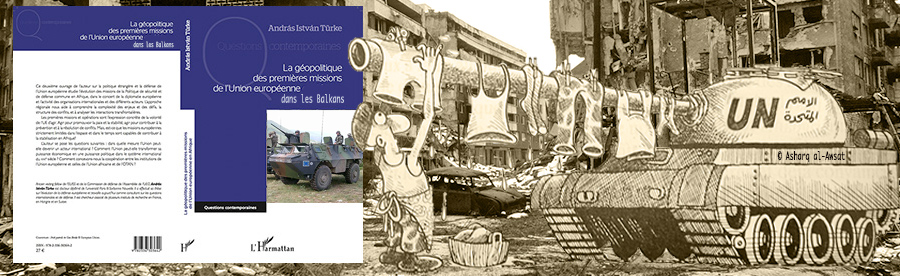
We are looking for sponsors for the English translation of these books, please contact turkeandras(at)gmail(dot)com