
You are here
European Union
A beacon of hope to counter despair | Financial Times - United Kingdom
Categories: European Union, Swiss News
Debate: EU eases rules on GMO plants: a good move?
The European Parliament has approved the deregulation of plants developed using genetic editing technology in food production. The new directive will mean that if the plant in question could in theory have been bred in a certain way naturally – i.e., no foreign genes have been introduced – the labelling requirements and most environmental assessments will no longer apply.
Categories: European Union, Swiss News
Pave the way for innovation while limiting risks | Les Echos - France
Categories: European Union, Swiss News
A step away from black-or-white thinking | Der Tagesspiegel - Germany
Categories: European Union, Swiss News
Debate: Turkey: government intervenes in the poultry market
Prices for chicken, an important and affordable staple food, have risen by between 150 and 250 percent in Turkey since the start of the year. The Turkish Competition Authority had already identified a price-fixing cartel in 2025 and imposed heavy fines on 13 poultry companies. Now the Ministry of Justice has placed those same firms under trustee supervision. The national press questions this strategy.
Categories: European Union, Swiss News
Trustee supervision is not the solution | Cumhuriyet - Turkey
Categories: European Union, Swiss News
Press release - EP leaders visit Dublin ahead of the Irish EU presidency
European Parliament President Roberta Metsola and political group leaders will visit Dublin to prepare for the upcoming Irish presidency of the Council of the EU.
Source : © European Union, 2026 - EP
Source : © European Union, 2026 - EP
Categories: European Union, Swiss News
Press release - EP leaders visit Dublin ahead of the Irish EU presidency
European Parliament President Roberta Metsola and political group leaders will visit Dublin to prepare for the upcoming Irish presidency of the Council of the EU.
Source : © European Union, 2026 - EP
Source : © European Union, 2026 - EP
Categories: European Union, Swiss News
Korsika, Spanien und Italien in Flammen: Hitzewelle löst Brände in Südeuropa aus
Europa kämpft gegen Feuer: In Frankreich, Spanien, Italien und Korsika lodern zahlreiche Waldbrände. In den vergangenen 30 Tagen wurden laut der Plattform Feux de forêt 138 Brände gezählt, 47 Gebiete stehen unter erhöhter Alarmbereitschaft.
Categories: European Union, Swiss News
Nati-Stars beleidigt: Tiktoker Bireweich steht in Schaffhausen vor Gericht
Heute Freitag steht der Influencer Bireweich in Schaffhausen vor Gericht. Der Schweizerische Fussballverband (SFV) hat ihn angezeigt, weil er Nati-Stars mit Migrationshintergrund rassistisch beleidigt haben soll – er sagt, es sei Satire. Blick berichtet live.
Categories: European Union, Swiss News
European Council conclusions on Ukraine and on European defence and security
On 18 June, the European Council adopted conclusions on Ukraine and on European defence and security.
Categories: Afrique, European Union
Lorenz Meister hat erfolgreich verteidigt
Lorenz Meister, wissenschaftlicher Mitarbeiter im SOEP, hat am 18. Juni 2026 seine Dissertation mit dem Titel „Essays on Economic Beliefs, Risk Preferences, and Political Attitudes in Contemporary Democracies“ erfolgreich verteidigt. Seine Betreuer waren Carsten Schröder und Panu Poutvaara. ...
Categories: Diplomacy & Defense Think Tank News, European Union
Press release - Metsola to EU leaders: “We need to deliver. We don’t have the luxury of time.”
At the European Council, President Roberta Metsola called for seizing the momentum on enlargement, competitiveness and the next long-term EU budget.
Committee on Legal Affairs
Source : © European Union, 2026 - EP
Committee on Legal Affairs
Source : © European Union, 2026 - EP
Categories: Afrique, European Union
Press release - Metsola to EU leaders: “We need to deliver. We don’t have the luxury of time.”
At the European Council, President Roberta Metsola called for seizing the momentum on enlargement, competitiveness and the next long-term EU budget.
Committee on Legal Affairs
Source : © European Union, 2026 - EP
Committee on Legal Affairs
Source : © European Union, 2026 - EP
Categories: Afrique, European Union
‘Europe for Culture, Culture for Europe’: European institutions commit to placing culture at the heart of EU policy
Representatives of the Council of the European Union, the European Commission and the European Parliament have signed a joint declaration setting out their shared political commitment to protecting, promoting and supporting culture in Europe.
Categories: European Union, Swiss News
Pages
the old site is here


© 2012-2015 Europa Varietas Foundation © 2015-2020 Europa Varietas Association
www.europavarietas.org | info(@)europavarietas(dot)org | Switzerland
This is a GDPR ready site
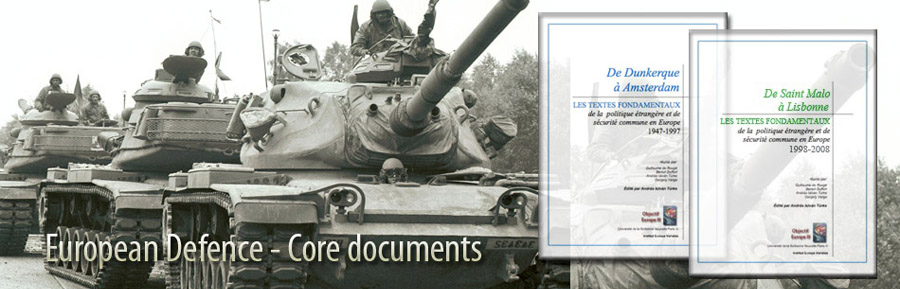
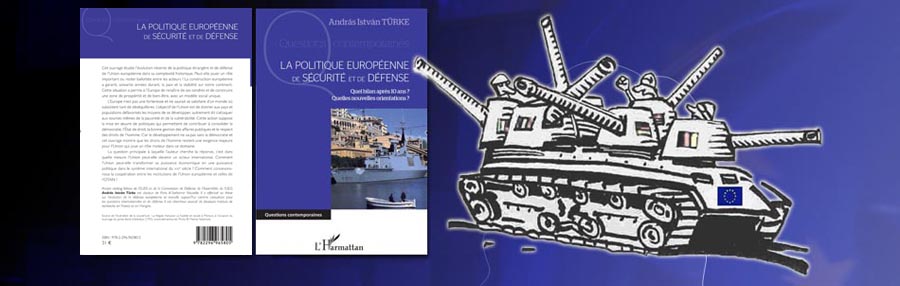
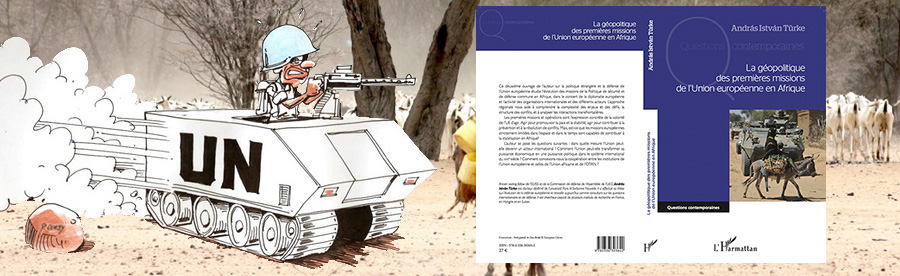
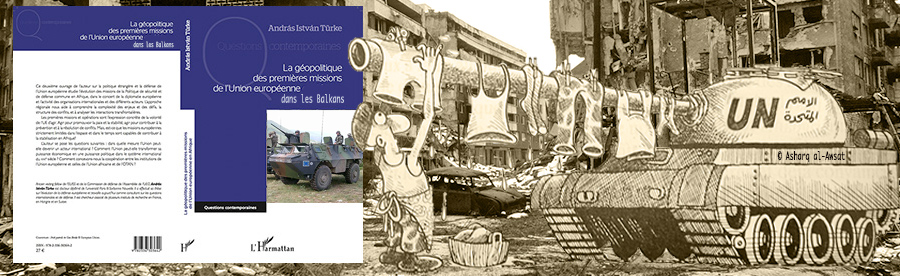
We are looking for sponsors for the English translation of these books, please contact turkeandras(at)gmail(dot)com