
You are here
Határon túli magyar portálok összesített hírei
Um bis zu 17 Prozent: Bauern haben zu viele Schweine – jetzt wird Fleisch billiger
In der Schweiz gibts mehr Schweine, als der Markt schlucken kann. Bauern bekommen deshalb ab Montag 20 Rappen weniger pro Kilo.
Categories: Határon túli magyar portálok összesített hírei, Swiss News
Riesenslalom-Gold verpasst: Darum ist Odermatt trotzdem stolz auf seine Leistung
Zwei Medaillen gibts für die Schweizer im Riesenslalom. Das sagen Marco Odermatt, Loïc Meillard und Co. nach dem Olympia-Rennen gegenüber SRF.
Categories: Határon túli magyar portálok összesített hírei, Swiss News
Polizei setzt Tränengas ein: Impfkritiker demonstrieren in St. Gallen mit Rechtsextremen
Am Samstag haben in St. Gallen mehrere hundert Personen gegen eine Impfpflicht demonstriert. Mit dabei: Mitglieder der rechtsextremen Gruppierung Junge Tat, die Polizei setzte Tränengas ein.
Categories: Határon túli magyar portálok összesített hírei, Swiss News
Zelenszkij: Oroszország minden megszállt kilométerért 170 katonát áldoz fel
Ukrajna minden egyes elfoglalt kilométere Oroszországnak körülbelül 170 halott, illetve súlyosan sebesült katonába kerül - jelentette ki Volodimir Zelenszkij ukrán elnök a The Atlantic című lapnak adott interjújában, amelyet az UNIAN ukrán hírügynökség szemlézett szombaton.
Categories: Határon túli magyar portálok összesített hírei, Swiss News
Egy férfi holttestére bukkantak egy patakban Körmöcbányán
Péntek délután egy férfi holttestére bukkantak egy patakban Körmöcbányán. Nem zárták ki az idegenkezűséget.
Mit Giftstoff Cereulid kontaminiert: Pariser Staatsanwaltschaft eröffnet fünf Verfahren wegen Babymilch
Die Pariser Staatsanwaltschaft eröffnet fünf Verfahren wegen möglicher Täuschung der Ware. Auch der Hersteller Nestlé ist betroffen.
Categories: Határon túli magyar portálok összesített hírei, Swiss News
Bedrogozott sofőrt csíptek el a rendőrök Érsekújvárban
Az érsekújvári rendőrök megállítottak egy sofőrt, aki több különböző kábítószer hatása alatt vezetett. A 42 éves férfi szervezetében amfetamint és metamfetamint, valamint ecstasyt és THC-t mutattak ki.
Buszmegállóba csapódott egy kocsi Győrben, egy áldozat
Szombaton egy Aston Martin sofőrje egy buszmegállóba csapódott Győrben. Több embert elgázolt, egy ember meghalt, kettő pedig megsérült.
Eljárás indult a férfi ellen, aki a gyanú szerint megölt egy nőt és a lányát
Gyilkosság miatt indított büntetőeljárást a rendőrségi nyomozó egy 40 éves férfi ellen. Két holttestet találtak csütörtökön reggel Léván a Božena Slančíková Timravá utcában.
Lausanne-Ouchy – Aarau 4:2: Petit-Notbremse raubt Aarau letzte Hoffnung auf Punkte
In Zusammenarbeit mit blue Sport präsentiert Blick die Highlights der Partie Stade Lausanne-Ouchy – FC Aarau (4:2).
Categories: Határon túli magyar portálok összesített hírei, Swiss News
Was läuft da bei der Swisscom?: Dividende geht hoch, Kunden zahlen mehr, Jobs verschwinden
Die Swisscom kündigt Sparmassnahmen an, weil der Gewinn tauchte. Gleichzeitig profitieren Aktionäre von einem Dividendensegen. Kunden und Beschäftigte werden zur Kasse gebeten.
Categories: Határon túli magyar portálok összesített hírei, Swiss News
Skitourengänger erfasst: Zwei Tote nach Lawinenabgang in Airolo TI
In Airolo TI wurden am Freitag drei Skitourengänger von einer Lawine erfasst. Zwei Männer aus Belgien und Deutschland starben, eine Person blieb unverletzt. Rettungskräfte waren im Leventina-Tal im Einsatz.
Categories: Határon túli magyar portálok összesített hírei, Swiss News
Wer ist Italo-Ermittler Francesco Lo Voi?: Dieser Star-Mafiajäger soll jetzt in Crans-Montana aufräumen
Staatsanwalt Francesco Lo Voi wird die italienischen Crans-Montana-Ermittlungen leiten. Obwohl er mit Meloni zerstritten war, ziehen sie jetzt an einem Strang. Wer ist der Mann, der sich als gewiefter Mafiajäger einen Namen gemacht hat?
Categories: Határon túli magyar portálok összesített hírei, Swiss News
16 Opfer unter Drogen gesetzt: Darren Sharper: Vom Super-Bowl-Sieg in den Knast
Einst gefeierter NFL-Star und Super-Bowl-Champion – doch hinter dem Ruhm verbirgt sich eine dunkle Geschichte: Der ehemalige Profi Darren Sharper ist tief gefallen.
Categories: Határon túli magyar portálok összesített hírei, Swiss News
Elindult a Szlovák Vöröskereszt idei Valentin-napi Vércsepp kampánya
Pénteken indult a 31 Valentin-napi Vércsepp kampány. Idén is véradásra kéri az embereket a vöröskereszt. A kampány február 27-ig tart.
Categories: Határon túli magyar portálok összesített hírei, Swiss News
Chinas Einschüchterungsversuche gegenüber Japan sind gescheitert: Das macht den Pazifik noch mehr zum Pulverfass
Ein festgesetztes Fischerboot, zurückgeholte Pandas und neue Raketen im Pazifik: Zwischen Japan und China spitzt sich der Ton zu. Der Zwischenfall auf See zeigt, wie schnell ein Routinefall zum geopolitischen Risiko werden kann – mit Folgen weit über Ostasien hinaus.
Categories: Határon túli magyar portálok összesített hírei, Swiss News
«Fehler» gemeinsam korrigieren: Rubio stimmt in München versöhnliche Töne an
Rubio lobte an der Münchner Sicherheitskonferenz die transatlantische Partnerschaft und verteidigte Trump. Er sagte: «Wir wollen, dass Europa stark ist» und betonte die Wichtigkeit einer westlichen Zivilisation.
Categories: Határon túli magyar portálok összesített hírei, Swiss News
Übernimmt wieder Nationalteam: Neuer Job für Ex-Nati-Trainerin Sundhage
Die Schwedin steht neu bei Haitis Frauen-Nationalteam an der Seitenlinie. Sundhages Vertrag in der Schweiz wurde nach der Euro 2025 nicht verlängert.
Categories: Határon túli magyar portálok összesített hírei, Swiss News
Jövő héten szünidei menetrend szerint közlekednek a buszok Nagyszombat megyében
Február 16. és 20. között a szünidei menetrend szerint közlekednek a vidéki buszok Nagyszombat megyében.
Categories: Határon túli magyar portálok összesített hírei, Swiss News
Kritizálja az ellenzék a parlamenti ülés napirendjének megváltoztatását
Az ellenzéki pártok kritizálják a jelenlegi parlamenti ülés napirendjének megváltoztatását, miután a parlament megszakította pénteki ülést. Attól tartanak, hogy a kormánykoalíció képviselői ezzel két hónap szabadságot szavaztak meg maguknak.
Categories: Határon túli magyar portálok összesített hírei, Swiss News
Pages
the old site is here


© 2012-2015 Europa Varietas Foundation © 2015-2020 Europa Varietas Association
www.europavarietas.org | info(@)europavarietas(dot)org | Switzerland
This is a GDPR ready site


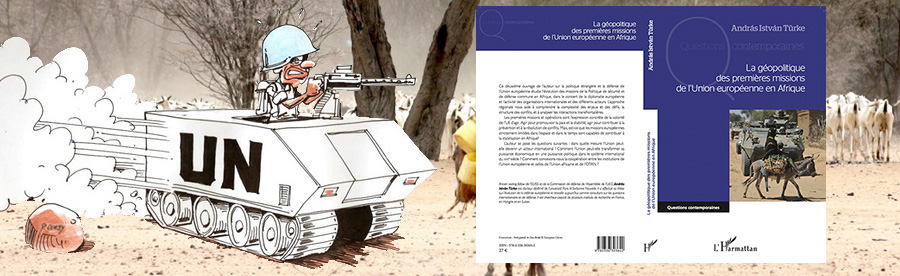

We are looking for sponsors for the English translation of these books, please contact turkeandras(at)gmail(dot)com