
You are here
Afrique
Le Bénin renforce son dispositif face à l'ampleur des risques climatiques
Les membres de la Plateforme nationale de gestion des risques de catastrophe et d'adaptation aux changements climatiques ont tenu une séance de travail ce mardi 6 octobre 2026, dans la salle de conférence du ministère de l'intérieur et de la sécurité publique. Le ministre Djibril MAMA CISSÉ, ouvrant les travaux, a présenté le bilan des dégâts en 2026.
« Les inondations, pluies extrêmes, épisodes de sécheresse, vents violents, incendies, épidémies et autres aléas peuvent, en peu de temps, affecter des milliers de personnes, perturber les activités économiques, dégrader les infrastructures, compromettre les moyens de subsistance et saturer les services essentiels », c'est ce qu'a souligné mardi 6 octobre 2026, le ministre délégué auprès du président de la République chargé de l'intérieur et de la sécurité publique. C'était à l'ouverture d'une rencontre de la Plateforme nationale de gestion des risques de catastrophe et d'adaptation aux changements climatiques.
Selon Djibril MAMA CISSÉ, le Bénin a recensé en 2026, 349 580 personnes sinistrées, réparties dans 52 583 ménages, 1 199 villages et 219 arrondissements. Face à l'ampleur des impacts humains, sociaux, économiques et financiers, il a insisté sur la nécessité d'appréhender la réduction des risques non seulement sous l'angle humanitaire, mais aussi comme un enjeu stratégique de sécurité, d'aménagement du territoire et de développement durable.
Le ministre n'a pas manqué d'exhorter les membres de la plateforme à faire de cette instance, un instrument clé d'anticipation et d'aide à la décision, notamment par le renforcement du partage d'informations, la coordination des secours, la cartographie des zones vulnérables et l'intégration systématique de la résilience dans les politiques publiques.

Abdel Aziz BIO DJIBRIL, directeur général de l'Agence béninoise de protection civile (ABPC) a présenté le bilan détaillé des dégâts provoqués par les intempéries, éboulements, vents violents et chutes de pierres.
Selon une publication du gouvernement, ces phénomènes ont engendré de sévères inondations, la rupture d'ouvrages de franchissement dans plusieurs localités et des pertes en vies humaines par noyade.
La séance en présence des ministres Georges ALE, du cadre de vie, chargé des transports terrestres ; Janvier YAHOUEDEOU, de la décentralisation et de la gouvernance locale ; et Édouard DAHOME en charge de l'énergie, de l'eau et des mines.
Des représentants des partenaires techniques et financiers ainsi que des organisations humanitaires internationales ont également pris part aux échanges.
F. A. A.
Loto Fortune 18 H : le verdict !
LES RÉSULTATS LOTO FORTUNE SONT LÀ !
TIRAGE N°160/26
Mardi 06 Octobre 2026 (18H)
32 • 62 • 36 • 12 • 74
Félicitations aux heureux gagnants !
Pas encore gagné ? Gardez le sourire !
Rendez-vous au prochain tirage de 20H pour une nouvelle chance.
Jouez dans les centres de jeux ou en ligne : Tapez 590# ou lnbloto.bj
Jouez avec modération et responsabilité. Le jeu doit rester un plaisir.
A TOI DE JOUER #a
#LaChanceAvecModération
Aéroport d’Oran : 8 kg d’or et 20 340 euros saisis sur une passagère
Une passagère sur le point de s’envoler vers l’Europe depuis l’aéroport international Ahmed Ben Bella n’ira pas plus loin que le poste de police de […]
L’article Aéroport d’Oran : 8 kg d’or et 20 340 euros saisis sur une passagère est apparu en premier sur .
Categories: Afrique, Swiss News
Énergie : SONATRACH et le géant thaïlandais PTTEP scellent un nouveau partenariat stratégique
En marge de la 14ᵉ édition du NAPEC 2026, le groupe national Sonatrach et la compagnie thaïlandaise PTT Exploration and Production (PTTEP) ont franchi une […]
L’article Énergie : SONATRACH et le géant thaïlandais PTTEP scellent un nouveau partenariat stratégique est apparu en premier sur .
Categories: Afrique, Swiss News
Le Groupe Ecobank renforce son engagement en faveur de la jeunesse africaine
Le Groupe Ecobank, premier groupe bancaire panafricain, a marqué l'aboutissement de sa campagne triennale en faveur de l'éducation numérique à l'occasion de la 14ᵉ édition de la Journée Ecobank, son initiative annuelle phare en matière d'impact social, qui mobilise les Ecobanquiers et Ecobanquières de 32 pays d'Afrique subsaharienne pour investir directement dans les communautés qu'ils servent. Véritable point d'orgue, en matière d'impact social, de quatre décennies consacrées à l'intégration financière panafricaine, au développement du commerce et à l'accompagnement des PME, la Journée Ecobank réaffirme l'engagement du Groupe à étendre son impact au-delà de ses activités bancaires, en contribuant à doter la jeunesse africaine des compétences numériques et en intelligence artificielle (IA) dont elle aura besoin pour l'avenir.
Au cours des trois dernières années, la Journée Ecobank s'est inscrite dans la volonté de transformer l'Afrique par l'éducation, faisant de cette journée annuelle d'action un investissement durable dans l'apprentissage numérique et le développement de compétences adaptées aux métiers de demain. À fin 2025, la campagne avait permis de créer 66 laboratoires informatiques en Afrique subsaharienne, dépassant ainsi son objectif initial de 40, et d'offrir à 46 414 enfants et jeunes adultes des opportunités de développer leurs compétences en numérique, intelligence artificielle (IA), programmation et robotique, dépassant également l'objectif initial de 40 000 bénéficiaires.
En inscrivant l'autonomisation des communautés dans le prolongement de ses 40 années d'engagement en faveur de l'intégration financière panafricaine, le Groupe aligne son action en matière d'éducation numérique sur ses nouveaux engagements stratégiques à l'horizon 2030, d'un montant de 2,6 milliards de dollars, destinés à soutenir le développement des femmes entrepreneures (2 milliards de dollars US via Ellever) et la transformation des chaînes de valeur agricoles (600 millions de dollars US).
Aligner l'impact social sur la transformation économique de l'Afrique« Alors que nous clôturons cette année marquant notre 40ᵉ anniversaire, la Journée Ecobank traduit notre conviction fondamentale selon laquelle la réussite de nos activités bancaires doit contribuer directement au développement des communautés », a déclaré Jeremy Awori, Directeur général du Groupe Ecobank. « Je suis extrêmement reconnaissant envers nos Ecobanquiers et Ecobanquières, dont l'engagement et la passion nous ont permis d'atteindre cette étape particulièrement significative. Au cours de ces quatre dernières décennies, nous avons été les témoins directs de l'immense potentiel de l'Afrique et de la détermination de sa jeunesse à construire un avenir meilleur. Voir de jeunes élèves acquérir des compétences pratiques en programmation, en intelligence artificielle et en robotique est pour moi une immense source de satisfaction. C'est là que se trouve l'avenir. »
Il a ajouté : « Cet engagement en faveur de l'autonomisation numérique vient compléter directement notre vision stratégique à l'horizon 2030, dévoilée à l'occasion de notre 40ᵉ anniversaire, dans le cadre de laquelle nous nous sommes engagés à mobiliser 2,6 milliards de dollars pour soutenir le développement des femmes entrepreneures et transformer les chaînes de valeur agricoles. En donnant aujourd'hui à la jeunesse africaine les compétences numériques dont elle a besoin, nous préparons les entrepreneurs, les innovateurs et les leaders qui contribueront à façonner le prochain chapitre du développement économique du continent. »
D'une journée d'action à une infrastructure numérique durableLancée pour la première fois en 2013, la Journée Ecobank a évolué pour devenir une plateforme panafricaine mobilisant les Ecobanquiers et Ecobanquières en faveur d'un développement social durable. La campagne Transformer l'Afrique par l'éducation s'est inscrite dans cette tradition en allant au-delà d'une action communautaire ponctuelle pour contribuer à créer des infrastructures et à développer des compétences favorisant l'apprentissage dans la durée.
La campagne s'est déployée en trois phases stratégiques, en s'adaptant à l'évolution du paysage numérique africain :
• Lancée en 2023, la première phase s'est concentrée sur la mise en place des fondations de la culture numérique, avec la création de laboratoires informatiques et la mise à disposition d'équipements informatiques essentiels au profit d'écoles et de communautés défavorisées.
• En 2024, le programme s'est orienté vers des compétences numériques plus avancées, avec l'introduction de l'intelligence artificielle, de la programmation et de la robotique, notamment à travers l'implication de la Happy Coders Academy en Côte d'Ivoire, afin de stimuler la créativité et les capacités de résolution de problèmes.
• En 2025, le programme a accordé une importance accrue à l'inclusion, en élargissant l'accès aux apprenants en situation de handicap et ayant des besoins éducatifs particuliers, grâce à des technologies d'assistance et à des environnements d'apprentissage adaptés. Cette orientation a été portée par les Ecobanquiers eux-mêmes. Au Bénin, cet engagement s'est inscrit dans la continuité du soutien apporté par Ecobank au Centre d'Accueil, d'Éducation et d'Intégration des Sourds (CAEIS) de Porto-Novo depuis 2023, notamment à travers la mise à disposition d'outils d'apprentissage numérique et d'une connexion Internet, puis d'un don de 6,6 millions de FCFA en 2025 destiné à soutenir la construction d'un centre multimédia dédié.
• En 2026, la campagne a renforcé son impact en élargissant les possibilités de formation et l'accès aux technologies. Au Togo, Ecobank a notamment fait don d'ordinateurs aux 80 meilleurs bacheliers du pays, tout en leur proposant des formations aux compétences numériques afin de mieux les préparer à leur avenir.
À travers l'Afrique, ces investissements poursuivent un objectif commun : élargir l'accès aux outils numériques, aux technologies d'assistance, à la connectivité haut débit, aux plateformes de gestion de l'apprentissage et aux programmes de robotique, afin de permettre aux jeunes Africains de participer pleinement à l'économie numérique.
À propos d'Ecobank (ou « Ecobank Transnational Incorporated » ou « ETI »)
Le Groupe Ecobank est le premier groupe bancaire privé panafricain, fort d'une expertise africaine inégalée. Présent dans 34 pays d'Afrique subsaharienne, ainsi qu'en France, au Royaume-Uni, aux Émirats arabes unis et en Chine, le Groupe s'appuie sur une plateforme panafricaine unique offrant un accès intégré aux services de paiement, de gestion de trésorerie, de financement du commerce et d'investissement. Le Groupe emploie plus de 14 000 collaborateurs et propose des produits, services et solutions de banque des particuliers, banque commerciale, banque corporate et banque d'investissement, à travers plusieurs canaux, notamment numériques, à plus de 30 millions de clients. Pour plus d'informations, rendez-vous sur ecobank.com.
L'armée malienne entre dans Kidal désertée par les séparatistes
Dans un communiqué rendu public sur les canaux officiels du Gouvernement malien, les autorités annoncent que les FAMa et leurs partenaires d'Africa Corps ont mené des « opérations antiterroristes d'envergure dans la région de Kidal. »
Categories: Afrique, Határon túli magyar portálok összesített hírei
L'armée malienne entre dans Kidal désertée par les séparatistes
Dans un communiqué rendu public sur les canaux officiels du Gouvernement malien, les autorités annoncent que les FAMa et leurs partenaires d'Africa Corps ont mené des « opérations antiterroristes d'envergure dans la région de Kidal. »
Categories: Afrique, Európai Unió : hírek magyarul
J'ai interviewé Christa Pike il y a 20 ans et je ne peux m'empêcher de penser à elle
La journaliste britannique Helen Roberts a déclaré à la BBC que Christa Pike présentait deux facettes distinctes : une facette personnelle et une facette criminelle.
Categories: Afrique, Swiss News
J'ai interviewé Christa Pike il y a 20 ans et je ne peux m'empêcher de penser à elle
La journaliste britannique Helen Roberts a déclaré à la BBC que Christa Pike présentait deux facettes distinctes : une facette personnelle et une facette criminelle.
Categories: Afrique, Európai Unió : hírek magyarul
L'immunité diplomatique de Kémi Séba remise en cause
La justice sud-africaine a rejeté, mardi 6 octobre 2026, l'argument avancé par la défense de Kémi Séba, qui invoquait une immunité diplomatique liée à des fonctions qu'il affirme avoir exercées pour le compte des autorités nigériennes.
Nouveau revers judiciaire pour Kémi Séba devant la justice sud-africaine. A l'audience de ce mardi 6 octobre 2026, l'immunité diplomatique liée à des fonctions qu'il affirme avoir exercées pour le compte des autorités nigériennes a été remise en cause. Les magistrats ont estimé qu'aucun document officiel ne permettait d'établir que l'activiste panafricaniste bénéficiait d'un statut de diplomate dûment accrédité en Afrique du Sud au nom de l'État du Niger.
Avec une telle décision, le prévenu se voit ainsi privé de la protection juridictionnelle qu'il espérait obtenir afin de contester les poursuites engagées contre lui.
L'examen de l'extradition reporté au 20 novembre
Le rejet de cet argument entraîne le maintien de Kémi Séba en détention en Afrique du Sud, dans l'attente de la suite de la procédure judiciaire.
La juridiction a par ailleurs fixé au 20 novembre 2026 la prochaine étape de l'examen de son dossier d'extradition. Les magistrats devront alors examiner les demandes de transfèrement le concernant et se prononcer sur leur bien-fondé.
F. A. A.
Categories: Afrique
Voyager sans visa en 2027 : une nouvelle destination accessible aux Algériens
Voyager au Tchad sans visa d’ici le 1er janvier 2027 ? C’est l’engagement ambitieux pris par N’Djamena pour l’ensemble des ressortissants du continent africain. Une […]
L’article Voyager sans visa en 2027 : une nouvelle destination accessible aux Algériens est apparu en premier sur .
Categories: Afrique, Swiss News
Un médicament contrefait en circulation : l’ANPP signale un lot de fausse « toxine botulique »
Une injection de toxine botulique a tourné au signalement de pharmacovigilance. C’est ce cas, rapporté aux autorités sanitaires, qui a poussé l’Agence nationale des produits […]
L’article Un médicament contrefait en circulation : l’ANPP signale un lot de fausse « toxine botulique » est apparu en premier sur .
Categories: Afrique, Swiss News
Slimani porte plainte contre le CR Bélouizdad au TAS et réclame des milliards
Islam Slimani a saisi le Tribunal Arbitral du Sport (TAS) afin de récupérer des sommes qu’il estime lui être dues par le CR Belouizdad. L’instance […]
L’article Slimani porte plainte contre le CR Bélouizdad au TAS et réclame des milliards est apparu en premier sur .
Categories: Afrique, Swiss News
Protokoll - Dienstag, 14. Juli 2026 - PE791.001v01-00 - Ausschuss für Sicherheit und Verteidigung
Quelle : © Europäische Union, 2026 - EP
Categories: Afrique, Europäische Union
L'enquête de la BBC qui a révélé comment Poutine agrandit sa résidence de la mer Noire, qu'il visite rarement
Des images satellites révèlent une transformation majeure opérée dans la résidence pendant la guerre, tandis que les dossiers judiciaires et les offres d'emploi proposant un paiement en espèces mettent au jour les traces documentaires cachées de ce vaste projet.
Categories: Afrique, Europäische Union
Une adolescente de 15 ans meurt électrocutée après la pluie
Un drame a endeuillé la localité de Mougnon Kossougon, dans la commune de Djidja, dimanche 4 octobre 2026. Une adolescente de 15 ans a perdu la vie après avoir été électrocutée.
Une jeune fille décède à Mougnon alors qu'elle tentait de sécher le linge après la lessive. Les faits selon une publication de Radio Alohado, une station locale, se sont produits en fin d'après-midi, aux environs de 18 heures, peu après une pluie.
La jeune fille aurait voulu étendre son pagne sur un fil métallique habituellement utilisé pour faire sécher le linge. Mais, dans des circonstances qui restent à préciser, le fil se serait retrouvé accidentellement sous tension électrique, à la suite d'un contact ou d'une fuite de courant favorisée par l'humidité.
En touchant le fil, l'adolescente aurait reçu une violente décharge électrique qui lui a été fatale. Le drame a plongé sa famille et ses proches dans une profonde tristesse.
F. A. A.
Categories: Afrique
Les 10 numéros de la Double Chance
LES RÉSULTATS DOUBLE CHANCE SONT LÀ !
LOTO FORTUNE Tirage N°160/26
Mardi 06 Octobre 2026 (14H)
– Zone A (5 premiers numéros) :
71• 41 •01• 61 • 85
– Zone B (5 derniers numéros) :
74 • 57 • 23 • 32 • 65
Félicitations aux heureux gagnants.
Pas encore cette fois ? Gardez le sourire !
Rendez-vous à 18H pour le prochain tirage.
Jouez avec modération et responsabilité. Le jeu doit rester un plaisir.
A TOI DE JOUER #Akaxòa
#LNBSA #XòGbɔnAlɔkpaVo #JeuResponsable #LaChanceAvecModération
Categories: Afrique
Press release - MEPs debate the EU’s future with the Prime Minister of Portugal, Luís Montenegro
During a “This is Europe” debate, MEPs and Portugal’s Prime Minister focused on an ambitious EU long-term budget, a successful energy transition, and EU competitiveness.
Source : © European Union, 2026 - EP
Source : © European Union, 2026 - EP
Categories: Afrique, European Union
Un cas mortel de peste en Russie ? Ce que l’on sait après le décès d’une technicienne de laboratoire
C’est le scénario noir que redoutent tous les experts en biosécurité. Le bris d’un tube à essai au sein d’un institut anti-peste en Russie a […]
L’article Un cas mortel de peste en Russie ? Ce que l’on sait après le décès d’une technicienne de laboratoire est apparu en premier sur .
Categories: Afrique, Swiss News
Lives TikTok depuis les salles de classes : le ministère de l’Éducation prend une décision radicale
Face à la multiplication des vidéos tournées en classe et diffusées sur les réseaux sociaux, les directions de l’éducation prennent une mesure radicale : tout […]
L’article Lives TikTok depuis les salles de classes : le ministère de l’Éducation prend une décision radicale est apparu en premier sur .
Categories: Afrique, Swiss News
Pages
the old site is here


© 2012-2015 Europa Varietas Foundation © 2015-2020 Europa Varietas Association
www.europavarietas.org | info(@)europavarietas(dot)org | Switzerland
This is a GDPR ready site
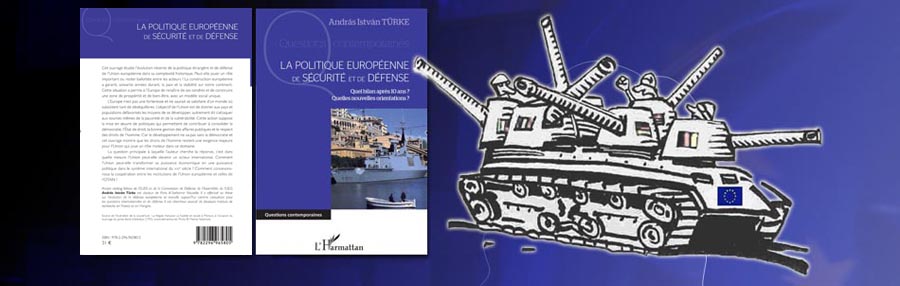
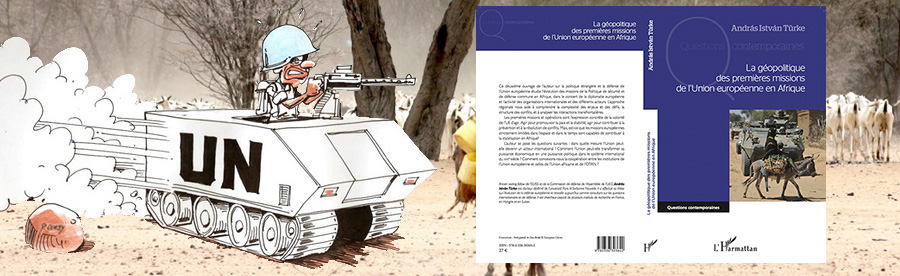
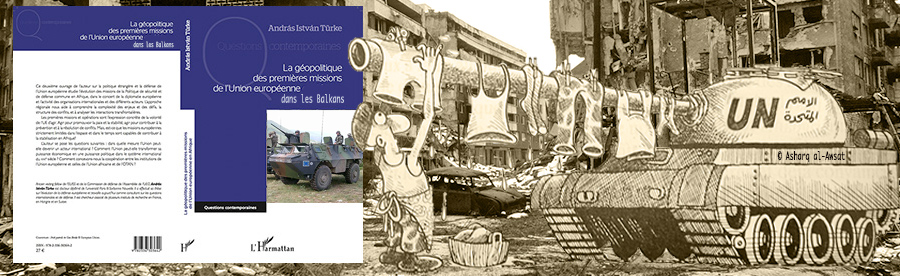
We are looking for sponsors for the English translation of these books, please contact turkeandras(at)gmail(dot)com