
You are here
Swiss News
Zweiter Tagessieg für Belgier: Van Aert gewinnt wegen Hitze verkürzte Vuelta-Etappe
Wout van Aert triumphiert erneut bei der Vuelta. Der Belgier gewinnt die 15. Etappe von Palma del Rio nach Cordoba. Wegen extremer Hitze wurde die Strecke auf 110 Kilometer verkürzt.
Categories: Swiss News
Sion-Noten gegen Thun: Gemischtes Fazit trotz Sieg – Rotsünder fällt durch
Sion schlägt Thun trotz langer Unterzahl in letzter Minute. Dabei haben aber nicht alle Sittener überzeugt – wer hat wie abgeschnitten? Hier findest du die Noten zum 3:2-Sieg der Walliser.
Categories: Biztonságpolitika, Swiss News
Lugano-Noten gegen den FCB: Vier Spieler stechen positiv heraus – Neuzugang schwach
Wer hat wie abgeschnitten? Hier findest du die Noten der Lugano-Spieler zum 3:1-Sieg gegen Basel.
Categories: Biztonságpolitika, Swiss News
FCB-Noten gegen Lugano: Gleich neun Basler sind ungenügend
Wer hat wie abgeschnitten? Hier findest du die Noten der FCB-Spieler zur 1:3-Niederlage gegen Lugano.
Categories: Biztonságpolitika, Swiss News
Highlights im Video: Yamal läutet mit Geniestreich Kantersieg ein
In Zusammenarbeit mit DAZN präsentiert Blick die Highlights der Partie Valencia – Barcelona (0:5).
Categories: Biztonságpolitika, Swiss News
«Siegeszug in Deutschland» und Erinnerungen an den Zweiten Weltkrieg: So reagiert die Welt auf den AfD-Sieg in Sachsen-Anhalt
Es werden über 44 Prozent sein, die die AfD bei den Landtagswahlen in Sachsen-Anhalt erreichen. Der Erdrutsch-Sieg sorgt auch international für Aufregung. Die Presse-Reaktionen im Überblick.
Categories: Biztonságpolitika, Swiss News
Stimmen zum Spiel: Kronig: «Wir sind maximal ambitioniert»
Sion muss gegen Thun über eine Halbzeit lang in Unterzahl spielen, tut dies aber grösstenteils abgeklärt. Der Lohn? Ein 3:2-Sieg im heimischen Tourbillon. Jan Kronig und Fabio Fehr im Interview über die 94. Minuten in der Walliser Hitze.
Categories: European Union, Swiss News
Un camion rempli de vivres de cantines scolaires renversé
Un camion transportant des vivres s'est renversé ce samedi 5 septembre 2026, dans la descente de Cosso, dans la commune de Tanguiéta, département de l'Atacora. Pas de perte en vie humaine, mais le conducteur est grièvement blessé.
Accident d'un camion à Cosso, dans la commune de Tanguiéta ce samedi septembre 5 septembre 2026.
Selon le bilan provisoire, le conducteur grièvement blessé est conduit à l'hôpital Saint Jean de Dieu.
Le véhicule a été sérieusement endommagé.
La cargaison de vivres que transportait le camion appartiendrait au Programme alimentaire mondial (PAM). Elle serait destinée aux cantines scolaires des écoles de la localité.
Des agents de la Police ont été déployés sur les lieux pour éviter le pillage des vivres dispensés çà et là.
F. A. A.
Categories: Afrique, Swiss News
«Es sieht nicht gut aus»: Ledermann spricht nach Kilchberger-Schock
Michael Ledermann prägte den Kilchberger Schwinget mit. Dem Berner droht nun aber eine monatelange Pause.
Categories: Határon túli magyar portálok összesített hírei, Swiss News
Deux navires de l’OTAN accostent au port d’Oran pour une escale de trois jours
Deux bâtiments de guerre appartenant à des marines membres de l’Alliance atlantique ont jeté l’ancre dimanche dans la rade oranaise. L’information a été rendue publique […]
L’article Deux navires de l’OTAN accostent au port d’Oran pour une escale de trois jours est apparu en premier sur .
Categories: Afrique, Swiss News
Davoser Firma Heldstab trauert nach 50-Jahr-Jubiläum gleich um zwei junge Männer (beide †18): «In unseren Herzen lebt ihr weiter»
Am letzten Augustwochenende starben in Davos zwei junge Männer nach einem Verkehrsunfall auf der Flüelastrasse. Eine Frau wurde verletzt. Beide jungen Männer sind mit dem Familienunternehmen Heldstab verbunden – und waren im Rahmen des 50-Jahr-Jubiläums unterwegs.
Categories: Balkan News, Swiss News
Le verdict du tirage de 18 H
LES RÉSULTATS DE LOTO STAR SONT LÀ !
TIRAGE N°107/26
Dimanche 06 septembre 2026 (18H)
81 • 33 • 60 • 84 • 02
Félicitations aux heureux gagnants !
– -Pas encore cette fois ? Gardez le sourire.
– -Une nouvelle chance vous attend à 20 H pour le prochain tirage.
– -Jouez dans les centres de jeux ou en ligne.
– -Tapez *590# ou lnbloto.bj
Jouez avec modération et responsabilité. Le jeu doit rester un plaisir.
Categories: Afrique, Swiss News
''Brother Wang'', ce diplômé chinois accusé d'être le « roi du fentanyl » au Mexique
Des membres du cartel et d'anciens collègues expliquent comment Zhang Zhidong aurait fourni des produits chimiques chinois à des laboratoires de fabrication de drogue mexicains.
Categories: Afrique, Swiss News
«Können nicht zufrieden sein»: Stocker nimmt zu FCB-Coach Lichtsteiner Stellung
Der FC Basel kassiert im Joggeli eine bittere 1:3-Niederlage gegen Lugano. Was passiert nun mit Trainer Stephan Lichtsteiner? Vom sportlichen Leiter gibts Rückendeckung.
Categories: Nyugat-Balkán, Swiss News
Musikerin Dodo Hug: «Ich arbeite an Song zum Thema Generation Z»
Sängerin, Musikerin, Comedienne: Die 76-jährige Bernerin über sardische Spezialitäten, Gianni Infantino und den Stadtverkehr.
Categories: Afrique, Swiss News
Hadj Moussa à Al-Ittihad : l’attaquant algérien cède à l’offre astronomique des Saoudiens
Le scénario avait été écrit d’avance par les observateurs : après une saison éclatante en Eredivisie, Anis Hadj Moussa devait logiquement rejoindre l’un des cinq […]
L’article Hadj Moussa à Al-Ittihad : l’attaquant algérien cède à l’offre astronomique des Saoudiens est apparu en premier sur .
Categories: Afrique, Swiss News
Kole (2) leidet an seltener Krankheit – Eltern sammeln Spenden: Was ist Kinderdemenz?
Der zweijährige Kole Pearson erhielt im April eine schockierende Diagnose: Sanfilippo-Syndrom Typ A, auch bekannt als Kinderdemenz. Seine Eltern haben nun einen Spendenaufruf lanciert, um dem Knaben eine lebensrettende Behandlung in den USA zu ermöglichen.
Categories: Afrique, Swiss News
Stimmen zum Spiel: Shaqiri: «Ich brauche die Mannschaft und sie mich»
Basel gibt zu Hause gegen Lugano die Führung aus der Hand. Innert weniger Minuten drehen die Luganesi das Spiel. Xherdan Shaqiri, Nicolas Vouilloz und Uran Bislimi sprechen im Interview über die Partie.
Categories: Afrique, Swiss News
Nur zwei Ehrenplätze für Hinwiler-Duo in Monza: Audi muss noch warten – Jagd auf Haas geht weiter
Audi verpasst in Monza die Punkte, Bortoleto und Hülkenberg beenden das Rennen auf Rang 11 und 12. Haas liegt weiter knapp vor Audi – aber wie lange noch?
Categories: Afrique, Swiss News
Kindheit, Schulzeit, Waffenkauf und Armee: Chronologie zum Aarau-Amok: Das ist bisher über das Leben von Julien G. bekannt
Der Jurassier Julien G. (43) soll am Aarauer Rave rund 40 Schüsse abgegeben und Maria S. (†22) getötet haben. Zu seinem Motiv schweigt er bisher. Was inzwischen über sein Leben bekannt ist – und wo es noch Lücken im Lebenslauf gibt.
Categories: Afrique, Swiss News
Pages
the old site is here


© 2012-2015 Europa Varietas Foundation © 2015-2020 Europa Varietas Association
www.europavarietas.org | info(@)europavarietas(dot)org | Switzerland
This is a GDPR ready site


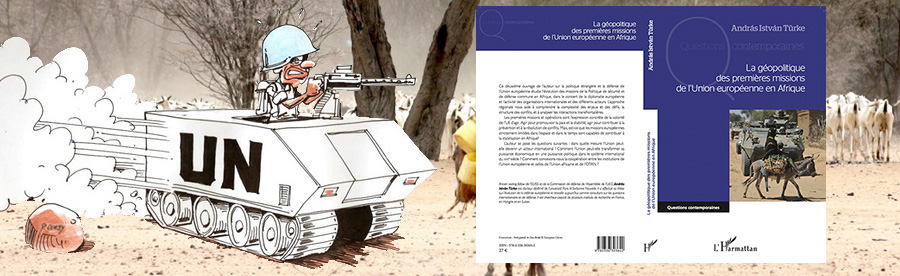

We are looking for sponsors for the English translation of these books, please contact turkeandras(at)gmail(dot)com