
You are here
Határon túli magyar portálok összesített hírei
36 motos mises en fourrière, 2 suspects arrêtés
Une opération de contrôle routier menée le 28 septembre 2026 sur la RN8, dans l'arrondissement central de Ouassa-Péhunco, a conduit à l'interpellation de deux individus et à l'immobilisation de 36 motos. Des factures d'achat falsifiées ont notamment été utilisées pour justifier la provenance de motos d'occasion.
A l'issue d'un contrôle des documents accompagnant les motos, 36 engins ont été immobilisés et mis en fourrière.
L'opération s'est déroulée le 28 septembre 2026 sur la RN8, à Ouassa-Péhunco. Selon la Police républicaine, les contrôles ont notamment permis de mettre au jour l'utilisation de factures d'achat falsifiées pour certaines motos d'occasion. Ces documents auraient été utilisés pour établir ou justifier la propriété ou l'acquisition des engins.
Deux individus ont ainsi été interpellés pour faux et usage de faux. Leur interpellation intervient dans le cadre des suites données aux irrégularités constatées lors de l'opération.
Il sera procédé a des vérifications sur les documents et la situation administrative des 36 motos.
M. M.
Categories: Afrique, Határon túli magyar portálok összesített hírei
69•58•68•54•20 : les numéros tirés à 00 H
DIGITAL 00H : Avez-vous tenté votre chance ?
Le tirage DIGITAL 00H N°228 a livré son verdict !
Vendredi 02 Octobre 2026
Avez-vous joué ?
Avez-vous misé sur vos numéros porte-bonheur ?
RÉSULTAT : 69 • 58 • 68 • 54 • 20
Félicitations aux heureux gagnants !
Pas encore cette fois ? Gardez le sourire.
Jouez dans les points de vente ou : Tapez *590# ou rendez-vous sur lnbloto.bj
Jouez avec modération et responsabilité. Le jeu doit rester un plaisir.
A TOI DE JOUER #XòGbɔnAlɔkpaVo
#LNBSA #JeuResponsable #LaChanceAvecModération
Categories: Afrique, Határon túli magyar portálok összesített hírei
6,29 millions FCFA à décrocher ce vendredi
C'EST LE JOUR J !
Le JACKPOT de 6.292.042 FCFA est à prendre.
Ce vendredi 02 octobre, qui va décrocher le gros lot ?
Le jackpot est là… et si c'était TON jour ?
#LNBSA #PMU #Jackpot #XɔgbɔnA1ɔkpaVo #JouezResponsable
Categories: Afrique, Határon túli magyar portálok összesített hírei
Il vend sa moto, simule un braquage et se retrouve en prison
A Savè dans le département des Collines, un conducteur de taxi-moto a tenté de faire passer la vente de sa motocyclette pour un braquage afin de solliciter financièrement ses proches. Son subterfuge a été découvert par la Police.
Dans la soirée du 1er octobre 2026 à Savè, un conducteur de taxi-moto résidant à Diho se présente à la police et affirme avoir été attaqué sur la voie d'Igbodjé, alors qu'il revenait d'y avoir déposé un client.
Selon la déclaration de la victime imaginaire, six malfaiteurs circulant sur deux motos lui auraient barré la route avec un gros morceau de bois avant de tirer un coup de feu en l'air. Les individus auraient ensuite emporté sa moto Bajaj rouge, qui ne portait pas de plaque d'immatriculation.
Face à cette déclaration, les policiers se rendent sur les lieux pour procéder aux premières vérifications. Mais les constatations effectuées et les explications fournies par le déclarant commencent à faire apparaître des incohérences.
Les enquêteurs poursuivent alors leurs vérifications et procèdent notamment à une fouille corporelle. C'est à ce moment qu'un élément vient compliquer sérieusement l'histoire du prétendu braquage. 245.000 francs CFA sont retrouvés sur l'intéressé.
Un détail plutôt embarrassant pour quelqu'un qui venait d'affirmer avoir été dépouillé de sa principale source de revenus.
Interrogé plus longuement, le conducteur finit par reconnaître que sa moto n'a jamais été volée. Il l'avait en réalité vendue à Glazoué. L'histoire du braquage a été inventée pour faire croire à ses proches qu'il avait été victime de braquage et ainsi les amener à lui apporter une aide financière destinée à l'achat d'une nouvelle motocyclette.
Après avoir reconnu les faits, le conducteur de taxi-moto a été placé en garde à vue pour les nécessités de l'enquête.
Le faux braquage n'aura rapporté qu'une interpellation et non compassion et sollicitude tel qu'espéré.
M. M.
Categories: Afrique, Határon túli magyar portálok összesített hírei
Les 10 numéros de la Double Chance
LES RÉSULTATS DOUBLE CHANCE SONT LÀ !
LOTO FORTUNE Tirage N°157
Jeudi 01 octobre 2026 (14H)
– Zone A (5 premiers numéros) :
37 • 20 • 02 • 44 • 33
– Zone B (5 derniers numéros) :
87 • 73 • 64 • 84 • 88
Félicitations aux heureux gagnants.
Pas encore cette fois ? Gardez le sourire !
Rendez-vous à 18H pour le prochain tirage.
Jouez avecmodération et responsabilité. Le jeu doit rester un plaisir.
A TOI DE JOUER #Akaxòa
#LNBSA #XòGbɔnAlɔkpaVo #JeuResponsable #LaChanceAvecModération
Categories: Afrique, Határon túli magyar portálok összesített hírei
GenZ Movements and CSOs in Kenya and Madagascar: Friends or Foes?
Amid democratic backsliding, Generation Z (GenZ1) protests have emerged as major regime challengers. Yet, social movements do not mobilize in isolation. They draw from and collaborate with a larger ecosystem of civil society organizations (CSOs). This policy brief looks at the cases of Kenya and Madagascar, where GenZ movements and CSOs initially played complementary roles. Yet, in Madagascar, the movement parted ways with CSOs quickly after the protests ended. In Kenya, collaboration prevailed, even though frictions appeared in GenZ groups. The brief concludes that social movements draw their legitimacy from acting autonomously from CSOs, the state and donors. Donor support should focus on pro-democratic CSOs who work complementarily and can translate demands into concrete reform proposals.
37 kg de faux médicaments saisis, une suspecte recherchée
Une opération menée dans la nuit du mardi 29 au mercredi 30 septembre 2026 par le commissariat d'arrondissement de Massè a permis de saisir une importante quantité de faux médicaments dans le village d'Oké-Ola, département du Plateau. Le fournisseur présumé, une dame, est recherchée par la Police républicaine.
Une patrouille de routine du commissariat d'arrondissement de Massè dans la nuit du 29 au 30 septembre 2026 à Oké-Ola a permis d'intercepter un cultivateur transportant un sac dont le contenu paraissait suspect.
La fouille effectuée sur place a permis de découvrir une importante quantité de faux médicaments.
Interpellé puis placé en garde à vue, le cultivateur a collaboré avec les enquêteurs et les a conduits jusqu'au domicile de son fournisseur présumé, une dame.
A l'arrivée des policiers sur les lieux, la suspecte alertée par le bruit du véhicule de patrouille, s'est débarassée d'une partie des produits avant de prendre la fuite.
Les recherches effectuées dans la concession ont notamment permis de retrouver, au-delà du mur situé à l'arrière de la cour, un sac contenant des emballages de faux médicaments. Au total, 37 kilogrammes de produits contrefaits ont été saisis.
La suspecte est toujours recherchée par la Police.
M. M.
Categories: Afrique, Határon túli magyar portálok összesített hírei
"Il n'y a pas de pénurie de carburant" (Ministère du commerce)
Invité de la télévision nationale SRTB, mercredi 30 septembre 2026, Laurent Akpo, le directeur de cabinet du ministre du Commerce intérieur et de la Formalisation de l'économie, a donné des clarifications sur les perturbations observées dans les stations-services depuis quelques jours.
Les files de véhicules devant certaines stations-service de Cotonou et environs, des stations momentanément à sec... la situation donne l'image d'un carburant difficile à trouver. Mais le gouvernement est formel. « Il n'y a pas de pénurie de carburant au Bénin », selon le directeur de cabinet du ministre du Commerce intérieur et de la Formalisation de l'économie, Shadiya Alimatou Assouman.
« Je voudrais insister, il n'y a pas de pénurie de carburant à Cotonou. Il n'y a que les stations-services qui font face en ce moment à une demande inhabituelle », a déclaré Laurent Akpo, mercredi 30 septembre 2026, à la télévision nationale SRTB.
Une demande déplacée vers les stations-services
« Il y a des difficultés d'approvisionnement au niveau de l'informel parce que l'Etat a fait des réformes et a pris des dispositions pour garantir l'approvisionnement sur une année. Donc, sur un an, par rapport à la consommation formelle, nous n'avons pas de problème ».
Cette situation fait ressortir l'impact du secteur informel sur l'économie et appelle à une formalisation. Cette formalisation ne doit pas être faite uniquement sous l'angle fiscal. Elle doit permettre à l'Etat de mieux connaître les volumes, les acteurs et les besoins afin de mettre en place des mesures d'accompagnement, selon le directeur de cabinet.
Le volume quotiden d'essence pris en charge par le circuit formel est passé de 270.000 litres à 600.000 litres par jour. Un changement soudain auquel le circuit formel n'est pas préparé. « Les stations-services avaient un dispositif, une logistique qui n'était pas habituée, justement, à une consommation journalière de ce niveau. Et aujourd'hui, elles (stations-services, NDLR) essaient de mobiliser les moyens. Et donc, la rotation pour l'approvisionnement prend certainement du temps au niveau des stations-services », a expliqué Laurent Akpo.
Du carburant disponible au dépôt
Le directeur de cabinet du ministre du Commerce intérieur et de la Formalisation de l'économie a ajouté que le carburant est disponible. « Au niveau du dépôt pétrolier du Bénin, nous avons du carburant et nous avons un stock de sécurité », a assuré Laurent Akpo.
« Nous travaillons et nous réunissons ce matin (mercredi 30 septembre 2026, NDLR) avec les stations-services pour leur demander de mobiliser davantage de moyens logistiques pour accélérer l'approvisionnement de la station. Je pense que des engagements ont été pris et que d'ici les jours à venir, la situation va certainement se normaliser », a-t-il indiqué.
Interrogé sur une éventuelle date de retour à la normale, le directeur de cabinet n'a pas avancé de jour précis, mais a maintenu que le carburant est déjà disponible au niveau de l'approvisionnement.
M. M.
Categories: Afrique, Határon túli magyar portálok összesített hírei
2,5 millions de litres de carburant consommés par jour au Bénin
La consommation quotidienne moyenne de carburant au Bénin est estimée à 2,5 millions de litres, selon Laurent Agbo, directeur de cabinet du ministre du Commerce intérieur et de la Formalisation de l'économie.
« Nous consommons en moyenne 2,5 millions de litres de carburant par jour », a déclaré Laurent Agbo, mercredi 30 septembre 2026 à la télévision nationale.
Le directeur de cabinet du ministre du Commerce intérieur et de la Formalisation de l'économie a également donné des précisions sur la répartition de cette consommation entre les stations-service et le secteur informel « Sur ces 2,5 millions, il y a environ 270 000 qui sont tournés vers le secteur formel, vers les stations-service. Plus de 2 millions sont distribués dans le secteur informel », a-t-il expliqué.
De 270 000 litres/jour à plus de 600 000 litres/jour dans les stations
« On passe de 270 000 litres à plus de 600 000 litres par jour. Vous comprenez que, justement, il faut prendre des dispositions pour continuer à garantir l'approvisionnement sur une demande qui n'était pas anticipée : la demande informelle », a ajouté Laurent Akpo.
Pour le directeur de cabinet, « cette demande a un surcoût que l'Etat prend en charge aujourd'hui pour garantir l'approvisionnement ». « Le carburant, il est disponible normalement. (...) Vous allez au dépôt pétrolier du Bénin, il y a du carburant », a martelé Laurent Akpo.
M. M.
Categories: Afrique, Határon túli magyar portálok összesített hírei
Voici les montants des allocations d'études universitaires et avantages octroyés aux étudiants
Un arrêté interministériel en date du 29 septembre 2026, fixe les montants des allocations d'études universitaires et autres avantages octroyés aux étudiants boursiers inscrits dans les Ecoles, Instituts et Facultés des Universités Publiques du Bénin ainsi qu'à ceux bénéficiaires d'allocations universitaires à l'étranger conformément aux dispositions de l'article 2 du décret n° 2017-155 du 10 mars 2017 portant critères d'attribution des allocations d'études universitaires.
Categories: Afrique, Határon túli magyar portálok összesített hírei
Loto Fortune : les résultats du tirage 11 H
LES RÉSULTATS LOTO FORTUNE SONT LÀ !
TIRAGE N°157/26
Jeudi 01 octobre 2026 (11H)
29 • 72 • 76 • 79 • 14
Félicitations aux heureux gagnants !
Pas encore gagné ? Gardez le sourire !
Rendez-vous au prochain tirage de 14h pour une nouvelle chance.
Jouez dans les centres de jeux ou en ligne : Tapez 590# ou lnbloto.bj
Jouez avec modération et responsabilité. Le jeu doit rester un plaisir.
A TOI DE JOUER #a
#LaChanceAvecModération
Categories: Afrique, Határon túli magyar portálok összesített hírei
Video einer Ausschusssitzung - Donnerstag, 1. Oktober 2026 - 07:30 - Ausschuss für auswärtige Angelegenheiten
Dauer des Videos : 135'
Haftungsausschluss : Die Verdolmetschung der Debatten soll die Kommunikation erleichtern, sie stellt jedoch keine authentische Aufzeichnung der Debatten dar. Authentisch sind nur die Originalfassungen der Reden bzw. ihre überprüften schriftlichen Übersetzungen.
Quelle : © Europäische Union, 2026 - EP
Haftungsausschluss : Die Verdolmetschung der Debatten soll die Kommunikation erleichtern, sie stellt jedoch keine authentische Aufzeichnung der Debatten dar. Authentisch sind nur die Originalfassungen der Reden bzw. ihre überprüften schriftlichen Übersetzungen.
Quelle : © Europäische Union, 2026 - EP
Plusieurs motos et pièces volées retrouvées
Deux personnes sont aux mains de la Police républicaine dans une affaire présumée de vol et de recel de motocyclettes dans les communes de Kétou et de Pobè. Plusieurs motocyclettes et pièces détachées ont été retrouvées au cours des perquisitions.
Le lundi 28 septembre 2026, aux environs de 10 heures, la motocyclette Bajaj appartenant à un cultivateur a été dérobée à Atanchoukpa, alors que son propriétaire se trouvait dans son champ.
Les recherches engagées par le commissariat d'arrondissement de Kétou centre ont permis d'interpeller un premier suspect. Les investigations conduit à l'arrestation à Pobè, d'un second suspect, présenté comme un mécanicien-revendeur.
Les perquisitions effectuées dans le cadre de l'enquête ont permis de découvrir plusieurs éléments susceptibles d'intéresser les enquêteurs.
Deux motocyclettes, une Bajaj et une Dayang, ont été saisies, ainsi qu'un moteur complet de motocyclette, des pièces détachées, notamment des réservoirs, des phares, des échappements et des amortisseurs.
Des moteurs hors d'usage ainsi que des titres de propriété portant sur plusieurs motocyclettes figurent également parmi les biens saisis.
Selon la Police, les investigations se poursuivent.
M. M.
Categories: Afrique, Határon túli magyar portálok összesített hírei
« J'ai tiré sur le volant. » Un passager de Flydubai raconte comment il a réussi à sauver l'avion à destination de Tel Aviv
Yaniv Hayun, passager du vol FZ1073 de Flydubai, a rencontré le Premier ministre israélien Benjamin Netanyahu après l'atterrissage de l'avion de remplacement à Tel Aviv. Il portait encore un T-shirt ensanglanté.
Categories: Afrique, Határon túli magyar portálok összesített hírei
Qui est le pilote indien « héros » qui a été poignardé à bord d'un vol à destination d'Israël ?
Le capitaine Smit Machchhar a été agressé par un autre pilote à bord du vol Flydubai à destination de Tel Aviv.
Categories: Afrique, Határon túli magyar portálok összesített hírei
Draft agenda - Wednesday, 7 October 2026 - PE796.276v01-00 - Committee on Foreign Affairs
Source : © European Union, 2026 - EP
Christa Pike survit à une tentative d'exécution après deux injections létales
L'avocat de Christa Pike, la meurtrière, affirme qu'elle reçoit des « soins vitaux » à l'hôpital après l'administration de deux seringues de pentobarbital.
Categories: Afrique, Határon túli magyar portálok összesített hírei
La menace de guerre pourrait-elle sauver les grands constructeurs automobiles européens ?
Les dirigeants du secteur automobile en Europe espèrent que le réarmement leur permettra de redonner confiance à leur puissance industrielle.
Categories: Afrique, Határon túli magyar portálok összesített hírei
“The Price of a Narrow Metric: Why Vulnerability Must Count”
By James Alix Michel
VICTORIA, Seychelles, Oct 1 2026 (IPS)
From a distance, an island nation can appear to possess everything: pristine waters, a thriving tourism industry and a strong cultural identity. Its income figures may suggest prosperity.
James Alix Michel
Yet those figures can conceal the permanent costs of remoteness, dependence on imported food and fuel, expensive transport and infrastructure, and an economy exposed to forces far beyond its shores. A pandemic, a cyclone or a sudden interruption in tourism can undo years of progress with frightening speed.This is the paradox confronting small island states. We are judged by what we earn on paper, while our future is shaped by what we must endure in reality. President Dr Patrick Herminie of Seychelles brought this question to the United Nations this month, urging international finance to “measure reality correctly”. He called for affordable, accessible, long-term finance, meaningful debt relief and effective implementation of the Multidimensional Vulnerability Index (MVI).
His appeal continues a case Seychelles has made for many years.
In 2009, Seychelles warned at the United Nations that small economies were especially exposed to global economic instability and the impacts of climate change. In 2013, it called for financing mechanisms and concessional conditions tailored to small island developing states. In 2015, it argued that attaining a higher-income classification should not automatically exclude an island nation from concessional support. The message has remained consistent: development gains do not erase structural vulnerability.
For too long, eligibility for grants and affordable loans has depended heavily on GDP or gross national income per capita. Income matters, but it cannot tell the whole story. It reveals little about a country’s exposure to shocks or its capacity to recover. A small state must maintain ports, airports, hospitals, schools, power systems, water supplies and coastal defences with a limited population and tax base. It may depend on one or two sectors, such as tourism or fisheries. When global prices rise or supply chains fail, the consequences can be felt across the entire nation at once.
This is not an argument against sound national management. It is an argument for recognising realities that good management alone cannot remove. Countries may graduate from an income category; they do not graduate from geography, climate exposure or limited economic scale.
Nor is this a Seychelles concern alone. From the Caribbean to the Pacific and across the Indian Ocean, island countries have long pressed for international finance to reflect vulnerability rather than income alone. Barbados has advocated measures that better capture vulnerability and resilience, while the Alliance of Small Island States has argued that the financial system must recognise the distinctive circumstances of its members. There is a shared understanding here: a prosperous-looking average can hide a profoundly fragile foundation.
The MVI offers a way to make that foundation visible. It is intended to complement, not replace, income measures by assessing structural vulnerability and resilience across economic, environmental and social dimensions. It asks decision-makers to look beyond a single number towards the pressures an island country faces: remoteness, economic concentration, disaster risk, climate exposure and the limited room to absorb shocks.
In August 2024, the UN General Assembly adopted Resolution 78/322 on the MVI, an important recognition that national income alone is an inadequate guide. But adoption is only the beginning. An index will not protect a coastline, keep a hospital open or help a family recover after a storm unless it changes financing decisions. Will lenders and development partners use it to widen access to concessional finance? Will it help countries obtain adaptation funds before disaster strikes? Will it inform debt arrangements that leave governments room to protect essential services after a crisis?
That is the true test of the international community’s commitment. A fairer system would provide more grants and affordable long-term finance for resilience. It would include clauses that pause debt repayments after major disasters. It would treat coastal protection, water security, renewable energy and the restoration of reefs and mangroves as essential investments, not discretionary extras to be considered only when funds remain.
We know the price of waiting. When a storm destroys infrastructure, a country may have to borrow to rebuild what it could not afford to protect. Debt then limits future investment, leaving it more exposed to the next shock. Financing resilience in advance can break that cycle. It protects lives, public finances and development gains. This is not charity; it is sound economics.
The question also reaches beyond island states. Across the developing world, countries facing climate shocks, volatile markets and heavy debt are too often assessed through indicators that overlook their lived circumstances. When scarce public money goes towards expensive borrowing instead of health, education or adaptation, the poorest communities bear the greatest cost. A financial system that responds only after calamity is neither efficient nor just.
Seychelles has voiced this concern since 2009, and President Herminie’s appeal shows why it remains urgent. The MVI gives the world an opportunity to turn recognition into action. Those who govern international lending must now decide whether vulnerability will matter when resources are allocated, not merely when speeches are delivered.
An island is more than an income figure. It is a society, a culture, an ecosystem and a future, living close to risks often created far beyond its shores. To measure that reality correctly is the beginning of fairness. To finance it fairly must follow.
James Alix Michel, is Former President of the Republic of Seychelles
IPS UN Bureau
Categories: Africa, Határon túli magyar portálok összesített hírei
Zimbabwe tycoon Wicknell Chivayo and wife killed in helicopter crash
Chivayo was known for his lavish lifestyle, close ties to African presidents and lucrative government contracts.
Categories: Africa, Határon túli magyar portálok összesített hírei
Pages
the old site is here


© 2012-2015 Europa Varietas Foundation © 2015-2020 Europa Varietas Association
www.europavarietas.org | info(@)europavarietas(dot)org | Switzerland
This is a GDPR ready site


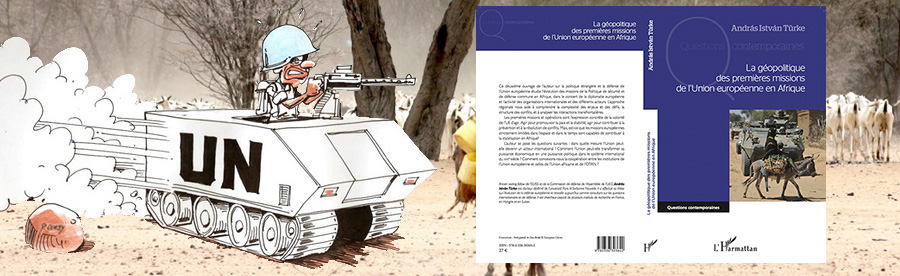

We are looking for sponsors for the English translation of these books, please contact turkeandras(at)gmail(dot)com