
You are here
Swiss News
Spickzettel und Applaus: Xavi überrascht bei erstem Auftritt als Holland-Trainer
Xavi Hernandez hat sich am Dienstag erstmals als Trainer der holländischen Nationalmannschaft präsentiert. Auf seiner ersten Pressekonferenz nutzte der Spanier einen Spickzettel und erntete dafür einen ungewöhnlichen Applaus.
Categories: Swiss News
Was tun wenns juckt?: Das hilft gegen Kopfläuse
Oft entnervt, mal verunsichert kommen junge Eltern in die Apotheke und suchen Rat zum Thema Läuse. Wir ersparen euch den Weg zur Drogerie und beantworten die am häufigsten gestellten Fragen zu Läusen.
Categories: Swiss News
Flugzeug geht in Flammen auf: Pilot zieht im Sturzflug den Rettungsfallschirm
Nach einem Motorschaden brennt ein einmotoriges Flugzeug in Brasilien lichterloh. In letzter Sekunde löst der 29-jährige Pilot den Rettungsfallschirm aus.
Categories: Swiss News
«Werdende Mama»: Ehemalige Kambundji-Konkurrentin ist schwanger
Kurz nach ihrem Rücktritt freut sich die ehemalige deutsche Sprinterin Alexandra Burghardt auf ihr erstes Kind. Zu den Gratulantinnen zählen auch zwei Schweizer Leichtathletik-Stars.
Categories: Swiss News
Ex-head of Rwanda's presidential guard dies in jail 12 years after his arrest
His brother tells the BBC his family have not been allowed to see him "in all these years".
Categories: Africa, Swiss News
Royals coming home!: Harry und Meghan sind in Birmingham gelandet
Das ging dann doch schneller als erwartet: Laut der britischen BBC sind Prinz Harry und Herzogin Meghan sowie die beiden Kinder Archie und Lilibet heute Mittwoch in Grossbritannien angekommen. Die Royals sind in Birmingham gelandet.
Categories: Swiss News
Hier wirkt der Haar-Papst: Zürichs neuer Hair-Hotspot im La Réserve Eden au Lac
Im La Réserve Eden au Lac geht es gerade ziemlich still, aber ziemlich luxuriös zur Sache – vor allem punkto Haare.
Categories: Swiss News
«Brutaler Angriff»: Jacques Moretti soll seine Frau Jessica schwer am Kopf verletzt haben
Am Sonntag wurde bekannt, dass Jacques Moretti wohl wegen des Vorwurfs von häuslicher Gewalt in Untersuchungshaft sitzt. Jetzt offenbart ein italienischer Medienbericht neue Details zum Zustand seiner Ehefrau. Jessica Moretti habe eine Kopfverletzung erlitten.
Categories: Swiss News
Sie verlor 60 Kilogramm: Sat.1-Moderatorin will als Bodybuilderin in den USA durchstarten
Stolz zeigte Moderatorin Martina Reuter ihren neuen Körper, nachdem sie durch eiserne Disziplin 60 Kilogramm verloren hatte. Jetzt hat sie ein neues Ziel, welches ihren Körper erneut einer Transformation unterzieht: Reuter will Bodybuilderin werden.
Categories: Swiss News
Keine Grauzone bei Kinderpornografie: Weshalb ein Zürcher Lehrer nie mehr unterrichten darf
Ein Lehrer lädt kinderpornografische Videos herunter, angeblich um «Marktforschung» zu betreiben. Die Gerichte erteilen ihm ein lebenslanges Berufsverbot. Das ist ihre Begründung.
Categories: Swiss News
Leser zu AfD-Vormarsch: «Die Deutschen haben aus der Geschichte nichts gelernt»
Die AfD könnte bald ihr erstes Bundesland regieren. Eine Umfrage zeigt, dass die Partei in Sachsen-Anhalt aktuell deutlich vorne liegt. Der derzeitige Höhenflug der AfD spaltet unsere Leserschaft.
Categories: Swiss News
Verbandspräsident Ritter zieht Bilanz für den Hitzesommer 2026: «Psychischer Druck auf Bauernfamilien ist enorm»
Der Hitzesommer hat die Schweizer Landwirtschaft hart getroffen. Die Folgen reichen von Ernteausfällen und knappen Futterreserven bis zum wirtschaftlichen Druck auf die Höfe. Gleichzeitig zwingt der Klimawandel die Bauern zum Umdenken – und eröffnet neue Chancen.
Categories: Swiss News
Bei «Grill den Henssler»: Krebskranker Johann Lafer erhält Standing Ovation
Ende Mai machte Johann Lafer seine Krebserkrankung öffentlich. Am Sonntag coacht der Star-Koch wieder die Promis bei «Grill den Henssler». Das Publikum reagiert mit Standing Ovations.
Categories: Swiss News
Ganze Dörfer bei Sturzflut in Nepal weggeschwemmt – viele Tote und Vermisste: Von 400 Touristen auf Pilgerreise fehlt jede Spur
Heftige Sturzfluten und Schlammlawinen haben in Nepal bereits viele Todesopfer gefordert. Und es werden immer mehr. Ganze Dörfer wurden weggeschwemmt und zahlreiche Menschen werden vermisst. Auch im benachbarten Tibet gab es schwere Schäden.
Categories: Swiss News
Nachhaltig Wickeln: Öko- und Stoffwindeln als Alternativen zur Einwegwindel
Herkömmliche Windeln verursachen eine Menge Abfall, sind biologisch schwierig abbaubar und nicht nachhaltig produziert. Diese vier Wickel-Alternativen sind nachhaltiger.
Categories: Swiss News
Zurück im US-Open-Rampenlicht: Federer-Familie stiehlt dem Maestro die Show
Roger Federer kehrt ins grösste Tennisstadion der Welt zurück! Bei einem Show-Match im Arthur-Ashe-Stadion in New York steht ihm die ganze Familie zur Seite. Bald folgt der Höhepunkt: sein Platz in der Tennis Hall of Fame.
Categories: Swiss News
The future Global Development Agenda will have to be shouldered by Middle Powers
Niels Keijzer, Hyeyoung Woo & Jee Hee Yoon outline the potential ways middle powers may best organise to shoulder the global development agenda and the (quasi-) multilateral institutions could support them in this regard?
Categories: Diplomacy & Defense Think Tank News, Swiss News
Speech by President António Costa at the ceremony of the 35th anniversary of Ukraine’s Independence
President of the European Council, António Costa, travelled to Kyiv (Ukraine) to attend the ceremony of Ukraine’s Independence Day, where he delivered a speech.
Categories: European Union, Swiss News
President António Costa to go on annual round of visits to EU capitals
The President of the European Council, António Costa, will visit EU leaders in their capitals in the next weeks.
Categories: European Union, Swiss News
Weekly schedule of President António Costa
Weekly schedule of President António Costa, 24-30 August 2026.
Categories: European Union, Swiss News
Pages
the old site is here


© 2012-2015 Europa Varietas Foundation © 2015-2020 Europa Varietas Association
www.europavarietas.org | info(@)europavarietas(dot)org | Switzerland
This is a GDPR ready site


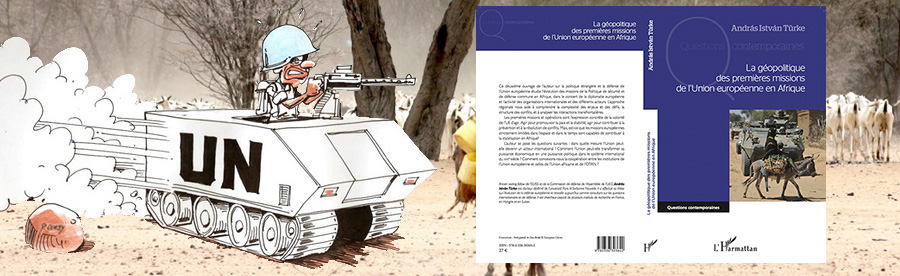
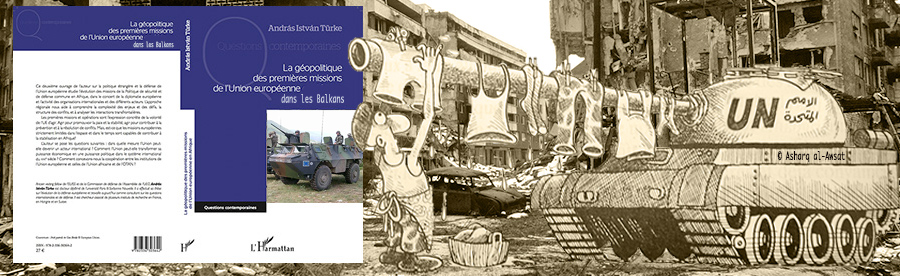
We are looking for sponsors for the English translation of these books, please contact turkeandras(at)gmail(dot)com