
You are here
Swiss News
Debate: Turkey: satirist jailed for jokes
The arrest of stand-up comedian Deniz Göktaş has caused a stir in Turkey. The Public Prosecutor's Office has accused him of denigrating religious values and insulting the president. A video of Göktaş's last performance reached around ten million views last week. Göktaş rejected the allegations in court, defending his work as satire. His lawyer criticised the investigators for taking certain passages out of context.
Categories: European Union, Swiss News
A compliant judiciary | T24 - Turkey
Categories: European Union, Swiss News
Attaques au Mali : l'Union africaine exprime sa solidarité aux autorités et au peuple malien
Au lendemain des attaques simultanées perpétrées en terre malienne et revendiquées par les séparatistes Touaregs du Front de libération de l'Azawad (FLA), l'Union africaine a condamné et exprimé sa solidarité envers le peuple malien.
Categories: Afrique, Swiss News
CARICOM Leaders Gather in Saint Lucia as Caribbean Confronts Mounting Global, Regional Challenges
CARICOM Heads of Government during the opening ceremony of the 51st Regular Meeting of the Conference of Heads of Government of the Caribbean Community in Gros Islet, Saint Lucia, on July 5, 2026. Credit: Alison Kentish/IPS
By Alison Kentish
GROS ISLET, Saint Lucia , Jul 6 2026 (IPS)
Caribbean leaders are meeting in Saint Lucia for their annual summit, confronting a convergence of global and regional challenges ranging from rising living costs and climate change to crime, food security and geopolitical tensions.
The 51st Regular Meeting of the Conference of Heads of Government of the Caribbean Community (CARICOM), the regional organisation that promotes economic integration, coordinates foreign policy and fosters cooperation among its 15 member states, runs until Wednesday.
Leaders are expected to discuss regional security, climate resilience, economic integration, trade, migration, food and water security and emerging technologies such as artificial intelligence.
The country’s Prime Minister Philip J. Pierre assumed the grouping’s rotating chairmanship.
He said he was taking over at a time of “profound uncertainty”, with Caribbean people feeling the effects of international instability in their daily lives.
“Our people feel these pressures every day,” Pierre said during the conference’s opening ceremony, citing the rising cost of food and energy, worsening climate impacts and growing concerns about crime and public safety.
He told the gathering that his six-month chairmanship would focus on ensuring regional integration delivers tangible benefits for Caribbean citizens rather than remaining confined to official meetings and declarations.
“Our people are asking a serious and legitimate question: What more can CARICOM do for me?” Pierre said. “We must make integration work for the ordinary citizen.”
The Saint Lucian leader outlined priorities that included strengthening regional unity, advancing the CARICOM Single Market and Economy, improving food and nutrition security, addressing violent crime and illegal firearms, expanding transportation links, increasing access to climate finance and developing a coordinated regional approach to artificial intelligence.
He also called for stronger support for young people, women, people with disabilities and other groups that have historically faced barriers to opportunity.
Pierre renewed CARICOM’s call for climate justice, arguing that Caribbean nations contribute little to global greenhouse gas emissions while bearing a disproportionate share of climate impacts. He urged the international community to expand access to climate finance, loss-and-damage funding and debt relief mechanisms that better reflect the vulnerability of small island developing states.
The summit comes as Caribbean governments continue to navigate the economic effects of global conflicts, supply chain disruptions and inflation while confronting increasingly severe hurricanes, prolonged droughts and other climate-related disasters that disproportionately affect small island developing states.
CARICOM Secretary-General Carla Barnett said the region’s founders envisioned cooperation as a practical response to external pressures.
“Then, as now, external factors and influences put at risk the vision of regional integration,” Barnett said, adding that leaders must accelerate implementation of long-standing regional commitments, particularly within the CARICOM Single Market and Economy.
Barnett pointed to progress in expanding the free movement of skilled workers, increasing agricultural production under the region’s food security strategy and strengthening international partnerships but said much work remains to implement agreed regional measures fully.
Outgoing CARICOM Chairman, Prime Minister of St Kitts and Nevis, Terrance Drew said his tenure reinforced the importance of unity during a period marked by global uncertainty, climate threats and questions about regional cohesion.
“The question is no longer whether CARICOM will survive,” Drew said. “The question now is how we strengthen CARICOM for the next generation.”
He said Caribbean governments had continued working together on food security, climate resilience, regional security, Haiti, reparatory justice and international diplomacy despite mounting external pressures.
Founded by the Treaty of Chaguaramas on July 4, 1973, CARICOM promotes economic integration, coordinated foreign policy and functional cooperation among its member states. The organisation now comprises 15 member states and seven associate members and works across areas including climate change, agriculture, education, health, security, trade, transportation and sustainable development.
This year’s meeting is being held under the theme ‘People, Partnerships, Prosperity: Promoting a Secure and Sustainable Future’. Leaders will continue discussions through July 8 before issuing a final communiqué expected to outline decisions on regional security, climate resilience, economic integration and other priorities identified during the conference.
IPS UN Bureau Report
Follow @IPSNewsUNBureau
!function(d,s,id){var js,fjs=d.getElementsByTagName(s)[0],p=/^http:/.test(d.location)?'http':'https';if(!d.getElementById(id)){js=d.createElement(s);js.id=id;js.src=p+'://platform.twitter.com/widgets.js';fjs.parentNode.insertBefore(js,fjs);}}(document, 'script', 'twitter-wjs');
Related Articles
Categories: Africa, Swiss News
Press release - Press briefing on this week’s plenary session
The European Parliament spokesperson will hold a last-minute briefing on the 6-9 July plenary session today at 16.30.
Source : © European Union, 2026 - EP
Source : © European Union, 2026 - EP
Categories: Europäische Union, Swiss News
Press release - Press briefing on this week’s plenary session
The European Parliament spokesperson will hold a last-minute briefing on the 6-9 July plenary session today at 16.30.
Source : © European Union, 2026 - EP
Source : © European Union, 2026 - EP
Categories: European Union, Swiss News
Press release - Press briefing on this week’s plenary session
The European Parliament spokesperson will hold a last-minute briefing on the 6-9 July plenary session today at 16.30.
Source : © European Union, 2026 - EP
Source : © European Union, 2026 - EP
Categories: Európai Unió : hírek magyarul, Swiss News
Dans le détroit d'Ormuz, la BBC découvre des navires saisis et des pêcheurs de requins alors qu'un calme précaire revient
La BBC se rend à Bandar Abbas pour observer comment la guerre américano-israélienne contre l'Iran a affecté la vie quotidienne dans cette ville portuaire.
Categories: Afrique, Swiss News
Das getarnte Freiheitsversprechen der Tech-Milliardäre
Der Paläolibertarismus der amerikanischen Tech-Elite macht sich auch in Europa breit. Er schwächt den Staat und nur ein scheinbares Ideal: Freiheit für alle., Es gibt Jahrestage, die mehr sind als Erinnerung. Sie mahnen zur Bilanz. Der 250. Geburtstag der Vereinigten Staaten am 4. Juli ist ein solcher Moment. Wenn sich für viele Menschen in Europa und dem Rest der Welt der Blick auf die USA in den vergangenen Jahren grundlegend verändert hat, so bleiben ...
Categories: Diplomacy & Defense Think Tank News, Swiss News
Folgen der stockenden Verhandlungen zum globalen Anpassungsziel für Entwicklungsländer
Bonn, 6. Juli 2026. Gemeinschaften in besonders stark vom Klimawandel betroffenen Ländern passen sich an dessen Auswirkungen an, doch die nötigen Ressourcen bleiben aus.
Die alljährlichen Zwischenverhandlungen der UN-Klimarahmenkonvention im Juni (SB64) erreichten bei mehreren zentralen Agendapunkten, darunter dem Globalen Anpassungsziel (Global Goal on Adaptation, GGA), nur begrenzte Fortschritte. Das GGA ist eine Verpflichtung aller Unterzeichnerländer des Pariser Abkommens. Es soll die Anpassungsbemühungen koordinieren, Rechenschaftspflichten stärken und Finanzmittel für vulnerable Länder mobilisieren. Obwohl die Staaten den Umsetzungsrahmen finalisieren sollten, bleiben langjährige politische Streitfragen ungelöst. Entwicklungsländer kritisierten die Industrieländer, weil die schriftliche Einigung auf mindestens eine Verdreifachung der Anpassungsfinanzierung ausblieb, wie sie im „Mutirão“ der COP30 verankert ist. Ohne diese Einigung zur Finanzierung stocken die Verhandlungen.
Die festgefahrene Situation reicht über die Verhandlungsräume in Bonn hinaus. Für klimavulnerable Länder wächst mit der Lücke der Anpassungsfinanzierung die Kluft zwischen Klimaverpflichtungen und ihrer Umsetzung. Oft reichen nationale Anpassungsbudgets nicht aus und konkurrieren mit anderen dringlichen Entwicklungsprioritäten. Dadurch sind Millionen Menschen weiterhin Klimarisiken ausgesetzt, während hart erkämpfte Entwicklungserfolge gefährdet werden. Zwar wenden viele Entwicklungsländer bereits erhebliche öffentliche Mittel zur Bewältigung der Klimafolgen auf, doch bleiben diese Investitionen deutlich hinter dem notwendigen Umfang zurück und engen zugleich den finanzpolitischen Spielraum für andere Entwicklungsziele weiter ein.
Die jüngsten Mittelzuweisungen im Staatshaushalt Bangladeschs, einem der weltweit am stärksten vom Klimawandel bedrohten Länder, zeigen die Folgen des stockenden Fortschritts beim GGA auf nationaler Ebene. Laut dem nationalen Anpassungsplan von 2023 werden bis 2050 jährlich rund 8,5 Mrd. USD benötigt, um die Herausforderungen der Anpassung zu bewältigen. Der Staatshaushalt für 2026–2027 sieht jedoch nur rund 3,19 Milliarden USD für Klimaanpassung vor. Die auf 25 Ministerien verteilten Mittel fließen in Programme zur Katastrophenvorsorge, klimaresilienten Landwirtschaft, Ernährungssicherheit und für soziale Sicherung. Der Betrag mag hoch erscheinen, deckt aber weniger als die Hälfte des geschätzten jährlichen Anpassungsbedarfs und zeigt deutlich, dass inländische Ressourcen allein nicht ausreichen, um die Anpassungsziele zu erreichen.
Die Mittelzuweisung für Anpassungsmaßnahmen, die rund 4,15 % des Staatshaushalts ausmacht, stellt zwar eine Steigerung gegenüber den Vorjahren dar, verdeutlicht jedoch zugleich die haushaltspolitischen Zielkonflikte. Die öffentlichen Investitionen in den Klimaschutz bleiben begrenzt: Im Haushalt 2026–27 sind lediglich 814 Mio. USD für erneuerbare Energien, Energieeffizienz, emissionsarmen Transport und Aufforstung vorgesehen. Das liegt deutlich unter den geschätzten 1,78 Mrd. USD, die jährlich erforderlich sind, um Bangladeschs Ziele für erneuerbare Energien bis 2030 zu erreichen – darunter 553 Mio. USD an öffentlichen Investitionen –, während die derzeitige Zuweisung von 31,1 Mio. USD lediglich 2,2 % dieses Bedarfs deckt. Die unzureichende öffentliche Finanzierung bremst weiterhin den Ausbau erneuerbarer Energien, während Steuerbefreiungen für den Import fossiler Energieträger die Abhängigkeit von diesen Importen weiter festigen.
Für Länder wie Bangladesch ist eine auf Zuschüssen basierende Anpassungsfinanzierung daher unerlässlich. Ohne sie drohen die Klimaziele weitgehend Rhetorik zu bleiben. Eine anhaltende Unterfinanzierung kann die institutionellen Strukturen der Klimaanpassung schwächen und die über Jahre aufgebauten Umsetzungsbemühungen untergraben. Die Verantwortung dafür liegt jedoch nicht allein bei den nationalen Regierungen. Der Krieg in der Ukraine und zwischen den USA und dem Iran haben die Sorgen um Energiesicherheit, Inflation und wirtschaftliche Stabilität verschärft – und damit finanzielle Ressourcen sowie politische Aufmerksamkeit von Klimaschutz und Anpassung abgezogen.
Zugleich stehen viele klimavulnerable Länder vor einer doppelten Herausforderung: Sie müssen eskalierende Klimarisiken bewältigen und sich gleichzeitig in einem zunehmend unsicheren geopolitischen Umfeld behaupten. Zu der ohnehin langen Liste von Klimagefahren – darunter Meeresspiegelanstieg, Überschwemmungen, Dürren, Versalzung, Ernährungsunsicherheit, Vertreibung und der Verlust von Ökosystemen – sind inzwischen eine unsichere Energieversorgung, Lieferkettenstörungen und wirtschaftliche Schwankungen hinzugekommen.
Der mangelnde Fortschritt beim GGA auf der SB64 ist daher äußerst besorgniserregend. Klimavulnerable Länder benötigen kontinuierliche und ausreichende Finanzmittel, um Anpassungsmaßnahmen umzusetzen und ihre klimapolitischen Verpflichtungen zu erfüllen. Doch der politische und finanzielle Spielraum für Anpassung schrumpft – nicht, weil die Klimarisiken abgenommen hätten, sondern weil konkurrierende Krisen die politische Agenda auf nationaler wie internationaler Ebene zunehmend bestimmen. Die COP31 muss den Verhandlungen neuen Schwung verleihen, indem sie ein umsetzungsfähiges GGA beschließt, das messbar ist, den Finanzierungsbedarf berücksichtigt und auf die Umsetzung ausgerichtet ist. Dafür braucht es gemeinsame Anpassungsindikatoren, klare Rechenschaftsmechanismen und verlässliche Zuschüsse, damit besonders gefährdete Länder ihre Anpassungsprioritäten umsetzen können.
A B M Hasanuzzaman ist Fellow des Internationalen Klimaschutzstipendiums der Alexander von Humboldt-Stiftung 2025 und Gastwissenschaftler am IDOS.
Dr. Aparajita Banerjee ist Soziologin und wissenschaftliche Mitarbeiterin in der Abteilung „Umwelt-Governance“ des German Institute of Development and Sustainability (IDOS).
Categories: Diplomacy & Defense Think Tank News, Swiss News
Folgen der stockenden Verhandlungen zum globalen Anpassungsziel für Entwicklungsländer
Bonn, 6. Juli 2026. Gemeinschaften in besonders stark vom Klimawandel betroffenen Ländern passen sich an dessen Auswirkungen an, doch die nötigen Ressourcen bleiben aus.
Die alljährlichen Zwischenverhandlungen der UN-Klimarahmenkonvention im Juni (SB64) erreichten bei mehreren zentralen Agendapunkten, darunter dem Globalen Anpassungsziel (Global Goal on Adaptation, GGA), nur begrenzte Fortschritte. Das GGA ist eine Verpflichtung aller Unterzeichnerländer des Pariser Abkommens. Es soll die Anpassungsbemühungen koordinieren, Rechenschaftspflichten stärken und Finanzmittel für vulnerable Länder mobilisieren. Obwohl die Staaten den Umsetzungsrahmen finalisieren sollten, bleiben langjährige politische Streitfragen ungelöst. Entwicklungsländer kritisierten die Industrieländer, weil die schriftliche Einigung auf mindestens eine Verdreifachung der Anpassungsfinanzierung ausblieb, wie sie im „Mutirão“ der COP30 verankert ist. Ohne diese Einigung zur Finanzierung stocken die Verhandlungen.
Die festgefahrene Situation reicht über die Verhandlungsräume in Bonn hinaus. Für klimavulnerable Länder wächst mit der Lücke der Anpassungsfinanzierung die Kluft zwischen Klimaverpflichtungen und ihrer Umsetzung. Oft reichen nationale Anpassungsbudgets nicht aus und konkurrieren mit anderen dringlichen Entwicklungsprioritäten. Dadurch sind Millionen Menschen weiterhin Klimarisiken ausgesetzt, während hart erkämpfte Entwicklungserfolge gefährdet werden. Zwar wenden viele Entwicklungsländer bereits erhebliche öffentliche Mittel zur Bewältigung der Klimafolgen auf, doch bleiben diese Investitionen deutlich hinter dem notwendigen Umfang zurück und engen zugleich den finanzpolitischen Spielraum für andere Entwicklungsziele weiter ein.
Die jüngsten Mittelzuweisungen im Staatshaushalt Bangladeschs, einem der weltweit am stärksten vom Klimawandel bedrohten Länder, zeigen die Folgen des stockenden Fortschritts beim GGA auf nationaler Ebene. Laut dem nationalen Anpassungsplan von 2023 werden bis 2050 jährlich rund 8,5 Mrd. USD benötigt, um die Herausforderungen der Anpassung zu bewältigen. Der Staatshaushalt für 2026–2027 sieht jedoch nur rund 3,19 Milliarden USD für Klimaanpassung vor. Die auf 25 Ministerien verteilten Mittel fließen in Programme zur Katastrophenvorsorge, klimaresilienten Landwirtschaft, Ernährungssicherheit und für soziale Sicherung. Der Betrag mag hoch erscheinen, deckt aber weniger als die Hälfte des geschätzten jährlichen Anpassungsbedarfs und zeigt deutlich, dass inländische Ressourcen allein nicht ausreichen, um die Anpassungsziele zu erreichen.
Die Mittelzuweisung für Anpassungsmaßnahmen, die rund 4,15 % des Staatshaushalts ausmacht, stellt zwar eine Steigerung gegenüber den Vorjahren dar, verdeutlicht jedoch zugleich die haushaltspolitischen Zielkonflikte. Die öffentlichen Investitionen in den Klimaschutz bleiben begrenzt: Im Haushalt 2026–27 sind lediglich 814 Mio. USD für erneuerbare Energien, Energieeffizienz, emissionsarmen Transport und Aufforstung vorgesehen. Das liegt deutlich unter den geschätzten 1,78 Mrd. USD, die jährlich erforderlich sind, um Bangladeschs Ziele für erneuerbare Energien bis 2030 zu erreichen – darunter 553 Mio. USD an öffentlichen Investitionen –, während die derzeitige Zuweisung von 31,1 Mio. USD lediglich 2,2 % dieses Bedarfs deckt. Die unzureichende öffentliche Finanzierung bremst weiterhin den Ausbau erneuerbarer Energien, während Steuerbefreiungen für den Import fossiler Energieträger die Abhängigkeit von diesen Importen weiter festigen.
Für Länder wie Bangladesch ist eine auf Zuschüssen basierende Anpassungsfinanzierung daher unerlässlich. Ohne sie drohen die Klimaziele weitgehend Rhetorik zu bleiben. Eine anhaltende Unterfinanzierung kann die institutionellen Strukturen der Klimaanpassung schwächen und die über Jahre aufgebauten Umsetzungsbemühungen untergraben. Die Verantwortung dafür liegt jedoch nicht allein bei den nationalen Regierungen. Der Krieg in der Ukraine und zwischen den USA und dem Iran haben die Sorgen um Energiesicherheit, Inflation und wirtschaftliche Stabilität verschärft – und damit finanzielle Ressourcen sowie politische Aufmerksamkeit von Klimaschutz und Anpassung abgezogen.
Zugleich stehen viele klimavulnerable Länder vor einer doppelten Herausforderung: Sie müssen eskalierende Klimarisiken bewältigen und sich gleichzeitig in einem zunehmend unsicheren geopolitischen Umfeld behaupten. Zu der ohnehin langen Liste von Klimagefahren – darunter Meeresspiegelanstieg, Überschwemmungen, Dürren, Versalzung, Ernährungsunsicherheit, Vertreibung und der Verlust von Ökosystemen – sind inzwischen eine unsichere Energieversorgung, Lieferkettenstörungen und wirtschaftliche Schwankungen hinzugekommen.
Der mangelnde Fortschritt beim GGA auf der SB64 ist daher äußerst besorgniserregend. Klimavulnerable Länder benötigen kontinuierliche und ausreichende Finanzmittel, um Anpassungsmaßnahmen umzusetzen und ihre klimapolitischen Verpflichtungen zu erfüllen. Doch der politische und finanzielle Spielraum für Anpassung schrumpft – nicht, weil die Klimarisiken abgenommen hätten, sondern weil konkurrierende Krisen die politische Agenda auf nationaler wie internationaler Ebene zunehmend bestimmen. Die COP31 muss den Verhandlungen neuen Schwung verleihen, indem sie ein umsetzungsfähiges GGA beschließt, das messbar ist, den Finanzierungsbedarf berücksichtigt und auf die Umsetzung ausgerichtet ist. Dafür braucht es gemeinsame Anpassungsindikatoren, klare Rechenschaftsmechanismen und verlässliche Zuschüsse, damit besonders gefährdete Länder ihre Anpassungsprioritäten umsetzen können.
A B M Hasanuzzaman ist Fellow des Internationalen Klimaschutzstipendiums der Alexander von Humboldt-Stiftung 2025 und Gastwissenschaftler am IDOS.
Dr. Aparajita Banerjee ist Soziologin und wissenschaftliche Mitarbeiterin in der Abteilung „Umwelt-Governance“ des German Institute of Development and Sustainability (IDOS).
Categories: Diplomacy & Defense Think Tank News, Swiss News
Folgen der stockenden Verhandlungen zum globalen Anpassungsziel für Entwicklungsländer
Bonn, 6. Juli 2026. Gemeinschaften in besonders stark vom Klimawandel betroffenen Ländern passen sich an dessen Auswirkungen an, doch die nötigen Ressourcen bleiben aus.
Die alljährlichen Zwischenverhandlungen der UN-Klimarahmenkonvention im Juni (SB64) erreichten bei mehreren zentralen Agendapunkten, darunter dem Globalen Anpassungsziel (Global Goal on Adaptation, GGA), nur begrenzte Fortschritte. Das GGA ist eine Verpflichtung aller Unterzeichnerländer des Pariser Abkommens. Es soll die Anpassungsbemühungen koordinieren, Rechenschaftspflichten stärken und Finanzmittel für vulnerable Länder mobilisieren. Obwohl die Staaten den Umsetzungsrahmen finalisieren sollten, bleiben langjährige politische Streitfragen ungelöst. Entwicklungsländer kritisierten die Industrieländer, weil die schriftliche Einigung auf mindestens eine Verdreifachung der Anpassungsfinanzierung ausblieb, wie sie im „Mutirão“ der COP30 verankert ist. Ohne diese Einigung zur Finanzierung stocken die Verhandlungen.
Die festgefahrene Situation reicht über die Verhandlungsräume in Bonn hinaus. Für klimavulnerable Länder wächst mit der Lücke der Anpassungsfinanzierung die Kluft zwischen Klimaverpflichtungen und ihrer Umsetzung. Oft reichen nationale Anpassungsbudgets nicht aus und konkurrieren mit anderen dringlichen Entwicklungsprioritäten. Dadurch sind Millionen Menschen weiterhin Klimarisiken ausgesetzt, während hart erkämpfte Entwicklungserfolge gefährdet werden. Zwar wenden viele Entwicklungsländer bereits erhebliche öffentliche Mittel zur Bewältigung der Klimafolgen auf, doch bleiben diese Investitionen deutlich hinter dem notwendigen Umfang zurück und engen zugleich den finanzpolitischen Spielraum für andere Entwicklungsziele weiter ein.
Die jüngsten Mittelzuweisungen im Staatshaushalt Bangladeschs, einem der weltweit am stärksten vom Klimawandel bedrohten Länder, zeigen die Folgen des stockenden Fortschritts beim GGA auf nationaler Ebene. Laut dem nationalen Anpassungsplan von 2023 werden bis 2050 jährlich rund 8,5 Mrd. USD benötigt, um die Herausforderungen der Anpassung zu bewältigen. Der Staatshaushalt für 2026–2027 sieht jedoch nur rund 3,19 Milliarden USD für Klimaanpassung vor. Die auf 25 Ministerien verteilten Mittel fließen in Programme zur Katastrophenvorsorge, klimaresilienten Landwirtschaft, Ernährungssicherheit und für soziale Sicherung. Der Betrag mag hoch erscheinen, deckt aber weniger als die Hälfte des geschätzten jährlichen Anpassungsbedarfs und zeigt deutlich, dass inländische Ressourcen allein nicht ausreichen, um die Anpassungsziele zu erreichen.
Die Mittelzuweisung für Anpassungsmaßnahmen, die rund 4,15 % des Staatshaushalts ausmacht, stellt zwar eine Steigerung gegenüber den Vorjahren dar, verdeutlicht jedoch zugleich die haushaltspolitischen Zielkonflikte. Die öffentlichen Investitionen in den Klimaschutz bleiben begrenzt: Im Haushalt 2026–27 sind lediglich 814 Mio. USD für erneuerbare Energien, Energieeffizienz, emissionsarmen Transport und Aufforstung vorgesehen. Das liegt deutlich unter den geschätzten 1,78 Mrd. USD, die jährlich erforderlich sind, um Bangladeschs Ziele für erneuerbare Energien bis 2030 zu erreichen – darunter 553 Mio. USD an öffentlichen Investitionen –, während die derzeitige Zuweisung von 31,1 Mio. USD lediglich 2,2 % dieses Bedarfs deckt. Die unzureichende öffentliche Finanzierung bremst weiterhin den Ausbau erneuerbarer Energien, während Steuerbefreiungen für den Import fossiler Energieträger die Abhängigkeit von diesen Importen weiter festigen.
Für Länder wie Bangladesch ist eine auf Zuschüssen basierende Anpassungsfinanzierung daher unerlässlich. Ohne sie drohen die Klimaziele weitgehend Rhetorik zu bleiben. Eine anhaltende Unterfinanzierung kann die institutionellen Strukturen der Klimaanpassung schwächen und die über Jahre aufgebauten Umsetzungsbemühungen untergraben. Die Verantwortung dafür liegt jedoch nicht allein bei den nationalen Regierungen. Der Krieg in der Ukraine und zwischen den USA und dem Iran haben die Sorgen um Energiesicherheit, Inflation und wirtschaftliche Stabilität verschärft – und damit finanzielle Ressourcen sowie politische Aufmerksamkeit von Klimaschutz und Anpassung abgezogen.
Zugleich stehen viele klimavulnerable Länder vor einer doppelten Herausforderung: Sie müssen eskalierende Klimarisiken bewältigen und sich gleichzeitig in einem zunehmend unsicheren geopolitischen Umfeld behaupten. Zu der ohnehin langen Liste von Klimagefahren – darunter Meeresspiegelanstieg, Überschwemmungen, Dürren, Versalzung, Ernährungsunsicherheit, Vertreibung und der Verlust von Ökosystemen – sind inzwischen eine unsichere Energieversorgung, Lieferkettenstörungen und wirtschaftliche Schwankungen hinzugekommen.
Der mangelnde Fortschritt beim GGA auf der SB64 ist daher äußerst besorgniserregend. Klimavulnerable Länder benötigen kontinuierliche und ausreichende Finanzmittel, um Anpassungsmaßnahmen umzusetzen und ihre klimapolitischen Verpflichtungen zu erfüllen. Doch der politische und finanzielle Spielraum für Anpassung schrumpft – nicht, weil die Klimarisiken abgenommen hätten, sondern weil konkurrierende Krisen die politische Agenda auf nationaler wie internationaler Ebene zunehmend bestimmen. Die COP31 muss den Verhandlungen neuen Schwung verleihen, indem sie ein umsetzungsfähiges GGA beschließt, das messbar ist, den Finanzierungsbedarf berücksichtigt und auf die Umsetzung ausgerichtet ist. Dafür braucht es gemeinsame Anpassungsindikatoren, klare Rechenschaftsmechanismen und verlässliche Zuschüsse, damit besonders gefährdete Länder ihre Anpassungsprioritäten umsetzen können.
A B M Hasanuzzaman ist Fellow des Internationalen Klimaschutzstipendiums der Alexander von Humboldt-Stiftung 2025 und Gastwissenschaftler am IDOS.
Dr. Aparajita Banerjee ist Soziologin und wissenschaftliche Mitarbeiterin in der Abteilung „Umwelt-Governance“ des German Institute of Development and Sustainability (IDOS).
Categories: Diplomacy & Defense Think Tank News, Swiss News
Ebola Outbreak Could Cost Africa $3.6 Billion and Threaten Nearly One Million Livelihoods
UNICEF unloads emergency humanitarian supplies in the Democratic Republic of the Congo in response to the Ebola outbreak. The shipment includes protective equipment, hygiene kits, medicines, and medical supplies to support frontline health workers and nearly 100,000 people. Credit: UNICEF/Ndomba Mbikayi
By Maximilian Malawista
UNITED NATIONS, Jul 6 2026 (IPS)
A new assessment from the United Nations Development Programme (UNDP) warns that the Ebola outbreak could cost Africa USD 3.6 billion, push 985,000 people into poverty, and put 300,000 jobs at risk.
The new analysis shows that the damage extends well beyond just those infected, disproportionately harming vulnerable populations and creating trade disruptions, transport delays, border restrictions, declining consumer confidence, along with interruptions to informal markets.
Currently, the Bundibuygo species of Ebola has no vaccine or treatment, and garners a fatality rate around 50 percent. The Democratic Republic of The Congo (DRC) records 1307 confirmed cases and 377 confirmed deaths as of June 30th, according to the DRC Ministry of Health. Separately the US Center for Disease Control and Prevention (CDC) recorded 20 confirmed cases and 2 confirmed deaths in Uganda, along with 1 confirmed case and no deaths in France.
According to Dr Abdirahman Mahamud, Director of Health Emergency Alert and Response Operations at the World Health Organization, the new virus only took 37 days to reach 250 deaths, while in 2014 and 2016, during the West Africa outbreak, it took 78 days, and in 2016-2019 it took 130 days to reach the same amount of deaths. “This is the largest number of confirmed cases in the first month of an Ebola disease outbreak in Africa,” said Dr. Mahamud.
Ahunna Eziakonwa, UN Assistant-Secretary-General and UNDP Regional Director for Africa says “Ebola does not stop at the hospital gate. It affects livelihoods, education, food security, trade, public finances and trust. If we treat this Ebola outbreak solely as a health challenge, we risk missing the much larger development emergency unfolding around it.”
This indicates that this outbreak could affect much more than just health. Rather it can be a challenge for all forms of livelihood, among disrupting the movement of goods, food, and money: the backbone behind resilience.
“Ebola is more than a health crisis. It touches every aspect of daily life, bringing uncertainty and fear.” Says Ugochi Daniesl, Deputy Director General for Operations at the International Organization for Migration (IOM)
UNICEF notes that children make up 15 percent of confirmed cases, and over 25 percent of deaths, making children almost twice as likely to die compared to adults. UNICEF Executive Director Catherine Russel says that “Children are especially vulnerable because they depend on caregivers and cannot distance themselves from a sick parent or sibling in the same way that an adult can,” revealing a stark reality where more than 130 children have lost one or both parents in the Ituri region, the origin of the current outbreak.
While much of the outbreak looks dark, the WHO Director General, Dr Tedros Adhanom Ghebreysus said on June 24th, “With support from the WHO and the Africa CDC, laboratory capacity has increased from 30 tests a day at the central laboratory in Kinshasa to over 2000 tests a day in nine labs across three provinces.”
The Director General also said that more than 100 people have recovered since, noting that early detection and supportive care can help patients survive the disease. He added “But we could save many more lives with therapeutics. And preparations are now complete for a trial of two therapeutics that is expected to start in DRC next week (The Week of June 28th). The trial will evaluate whether two antivirals, MBP134 and remdesivir, can help to reduce mortality in patients with Bundibugyo virus disease, alone or in combination. We thank the United States and Gilead Sciences for donating doses for the trial.”
The WHO Director General affirmed that “With early detection and supportive care, many can survive this disease.”
The clinical trial opened enrollment for Ebola patients in the DRC on July 2. The trial is coordinated by WHO, the Institut National pour la Recherche Biomédicale (INRB) in the DRC, the Institute of Tropical Medicine in Belgium, and the University of Oxford in the United Kingdom, in coordination with international research, clinical and humanitarian partners. The trial will be integrated into clinical care, and will allow for additional treatments to be added as they become available.
IPS UN Bureau Report
Follow @IPSNewsUNBureau
!function(d,s,id){var js,fjs=d.getElementsByTagName(s)[0],p=/^http:/.test(d.location)?'http':'https';if(!d.getElementById(id)){js=d.createElement(s);js.id=id;js.src=p+'://platform.twitter.com/widgets.js';fjs.parentNode.insertBefore(js,fjs);}}(document, 'script', 'twitter-wjs');
Categories: Africa, Swiss News
Africa’s Fourth Industrial Decade: From Political Mandate to Industrial Transformation
Technician repairing control panel. Mickael Ange Konan/pexels.comù Credit: United Nations
The United Nations General Assembly’s proclamation of the Fourth Industrial Development Decade for Africa (IDDA IV) is far more than a symbolic milestone.
By Fatou Haidara and Francisca Tatchouop Belobe
VIENNA / ADDIS ABABA, Jul 6 2026 (IPS)
Amid shifting geopolitical, economic, and technological landscapes, it reflects growing international recognition that Africa’s sustainable industrial transformation is vital – not only for the continent’s future, but also for global prosperity.
Backed by more than 140 co-sponsors and endorsed by 176 Member States, as well as the African Union Executive Council, IDDA IV is the most politically anchored Decade yet. This is especially significant at a time when international development cooperation and multilateralism are under strain.
The proclamation underscores that industrialization is crucial to Africa’s productive transformation, economic diversification, decent job creation, poverty reduction, and long-term growth. It also calls on the international community to support Africa’s industrialization efforts as a contribution to the realization of Agenda 2063.
Building on its predecessor, IDDA IV sets an integrated transformation agenda, which aligns Africa’s structural realities to the opportunities and challenges of a rapidly evolving global economy.
The Third Industrial Development Decade elevated Africa’s industrialization on the global political agenda, mobilized over 700 joint initiatives with development partners and financial institutions, and strengthened industrial policy support across African Member States.
These achievements are a strong foundation to build on. Yet significant structural barriers – infrastructure and energy deficits, limited productive capacity, low technology absorption, and insufficient access to finance – still need to be addressed.
Africa enters the Fourth Industrial Development Decade against a backdrop of volatility and change, but also unprecedented opportunities.
Opportunities
Despite recurring global and regional shocks, the continent has remained resilient. The African Development Bank’s 2026 Economic Outlook notes that real GDP growth reached 4.4 per cent in 2025, making Africa among the fastest growing regions of the world.
With nearly 12 million young people entering the labour force each year, Africa’s youthful population is a major driver of its future prosperity.
At the same time, global supply chains are being reconfigured, and the African Continental Free Trade Area (AfCFTA) is creating the world’s largest emerging integrated market, opening the door to regional trade integration, value chains and economies of scale.
Digital technologies are reshaping manufacturing systems worldwide, providing Africa with an opportunity to leapfrog traditional industrial pathways. The digital transition is driving innovation in agro-processing and climate-smart agricultural technologies. It is also fueling global demand for critical minerals, which resource-endowed African countries can leverage by building local value addition.
In parallel, Africa’s growing middle class, urbanization and shifting consumer preferences are expanding markets, from processed foods to pharmaceuticals. Continuing regional integration under the AfCFTA is further adding momentum.
The convergence of these trends creates a historic window of opportunity for Africa, which may not return in the same form.
With IDDA IV proclaimed, the mandate is set; the urgent task now is delivery.
The African Union Commission (AUC) and the United Nations Industrial Development Organization (UNIDO) are committed to steering this process together as the two institutions entrusted by the UN General Assembly to lead the Decade’s implementation.
The immediate priority for the next 18 months is to develop a collaborative Programme of Action. This framework will translate the Decade’s mandate into targeted investments, secure financing platforms, and measurable results across national and regional corridors.
IDDA IV is not standalone. It aligns with major continental frameworks and initiatives, including the AfCFTA, the Programme for Infrastructure Development in Africa (PIDA), and the New African Financial Architecture for Development (NAFAD), while convening the different actors needed to advance Africa’s industrialization.
UNIDO, as the UN’s specialized agency for industrial development, brings technical and policy expertise, field presence, and proven operational models to implement IDDA IV on the ground, including through its Programmes for Country Partnership.
The AUC, with its continent wide political mandate and strong coordination capacity, can align trade, infrastructure, finance, and industry to drive delivery.
This effort will be coordinated with the African Union Development Agency – Partnership for Africa’s Development (AUDA -NEPAD), the Economic Commission for Africa, the African Development Bank Group, Afreximbank, regional economic communities, development partners, and private sector stakeholders.
However, to succeed, IDDA IV needs adequate and sustained financing. It requires building an industrial investment ecosystem and making private sector engagement a core pillar of delivery.
Governments and international organizations can create an enabling environment, coordinate partnerships and support policy reforms. But it is the private sector that builds factories, creates jobs, and links economies to regional and global value chains.
The next phase will therefore focus on mobilizing public and private capital, structuring bankable projects capable of attracting institutional investors, and using blended finance mechanisms to de-risk investments in emerging markets.
IDDA IV is not merely another international decade. It is the opportunity to redefine Africa’s role in the global economy, shifting from raw material exporter to a producer of value-added goods, and a driver of industrial innovation and sustainable growth.
Ms. Fatou Haidara is UNIDO’s Deputy to the Director General and Managing Director of the Directorate of Global Partnerships and External Relations, while Ms. Francisca Tatchouop Belobe is the AUC’s Commissioner for Economic Development, Trade, Tourism, Industry, and Minerals.
Source: Africa Renewal, United Nations
IPS UN Bureau
Follow @IPSNewsUNBureau
!function(d,s,id){var js,fjs=d.getElementsByTagName(s)[0],p=/^http:/.test(d.location)?'http':'https';if(!d.getElementById(id)){js=d.createElement(s);js.id=id;js.src=p+'://platform.twitter.com/widgets.js';fjs.parentNode.insertBefore(js,fjs);}}(document, 'script', 'twitter-wjs');
Excerpt:
The UN has proclaimed 2026-2035 as the Fourth Industrial Development Decade for Africa (IDDA IV). What opportunities are there for Africa?
Categories: Africa, Swiss News
The African fishermen who blame Chinese trawlers for their woes
Fishing crews in Sierra Leone say large Chinese ships are illegally hoovering up stocks.
Categories: Africa, Swiss News
The African fishermen who blame Chinese trawlers for their woes
Fishing crews in Sierra Leone say large Chinese ships are illegally hoovering up stocks.
Categories: Africa, Swiss News
Queiroz leaves Ghana following World Cup exit
Carlos Queiroz steps down as Ghana head coach after three months in charge following their World Cup exit.
Categories: Africa, Swiss News
Pages
the old site is here


© 2012-2015 Europa Varietas Foundation © 2015-2020 Europa Varietas Association
www.europavarietas.org | info(@)europavarietas(dot)org | Switzerland
This is a GDPR ready site

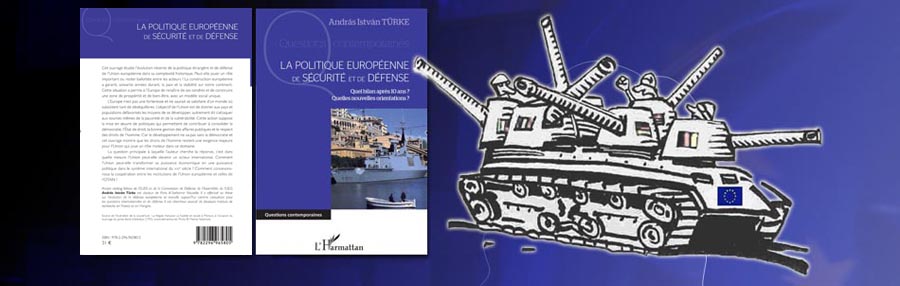
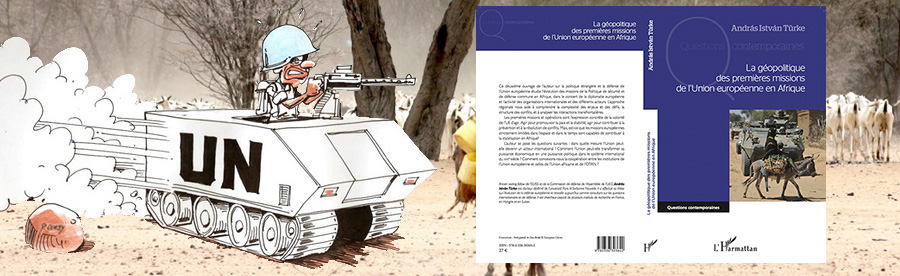
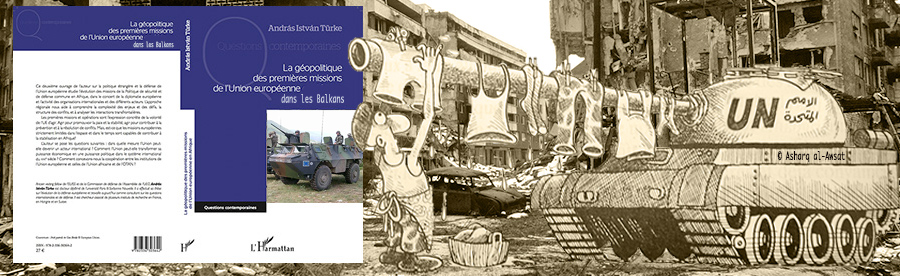
We are looking for sponsors for the English translation of these books, please contact turkeandras(at)gmail(dot)com